



Executive Overview
In a breakthrough that could fundamentally reshape how modern medicine approaches recovery from aggressive cancer treatments, a team of researchers at the Massachusetts Institute of Technology (MIT) has discovered that cysteine—a naturally occurring amino acid found abundantly in protein-rich foods—plays a vital and previously unrecognized role in gut health.
According to a landmark study published in the prestigious journal Nature, dietary cysteine can directly activate an immune response that supercharges intestinal stem cells, triggering a rapid and efficient tissue regeneration process within the small intestine.
For decades, medical science has recognized that diet influences cellular health, and recent years have seen growing interest in how broad dietary interventions like fasting or caloric restriction impact stem cell activity. However, the MIT study marks the very first time scientists have pinpointed a singular, isolated nutrient capable of directly driving intestinal stem cell regeneration.
The implications of this discovery are profound, particularly for oncology patients. Radiation therapy and chemotherapy—while essential for destroying cancerous cells—frequently cause severe collateral damage to the delicate lining of the gastrointestinal tract. This toxicity often leads to debilitating side effects, prolonged hospital stays, and, in some cases, forces clinicians to delay or reduce life-saving cancer treatments. By harnessing a natural dietary compound like cysteine, researchers envision a future where targeted nutritional supplementation can mitigate this damage, paving the way for faster, less painful recoveries.
Crucially, the MIT team emphasizes that this therapeutic avenue relies on exploiting a natural dietary component rather than a synthetic molecule. By understanding the intricate biochemical pathways that link what we eat to immune-mediated tissue repair, scientists are opening up entirely new paradigms in nutritional immunology and regenerative medicine.
Detailed Chronology: Unraveling the Biological Chain Reaction
To understand how a simple building block of protein can mend the human gut, the MIT research team—led by Omer Yilmaz, director of the MIT Stem Cell Initiative, associate professor of biology, and member of MIT’s Koch Institute for Integrative Cancer Research—embarked on a meticulous, step-by-step investigation into the relationship between individual nutrients and cellular fate.
The Screening Phase: Isolating Cysteine
The journey began with a fundamental scientific question: How do individual nutrients distinctly affect stem cells and tissue health, moving beyond broad dietary patterns? To find out, the researchers designed an experimental framework where laboratory mice were fed diets systematically enriched with one of 20 different amino acids—the fundamental chemical building blocks that assemble proteins throughout the body.
Following the controlled dietary phase, the researchers measured how each individual amino acid influenced regenerative capacity within the small intestine’s stem cell populations.
The results were striking. Out of all twenty amino acids evaluated, cysteine stood apart, producing by far the strongest regenerative effect on both active stem cells and progenitor cells (the transitional cells that eventually mature into specialized, functional adult intestinal cells).
Tracing the Biochemical Pathway
Having identified cysteine as the primary driver of regeneration, the MIT team shifted their focus to uncovering the exact biological mechanism behind the phenomenon. How did a dietary amino acid translate into tissue healing?
Through careful tracking, the researchers mapped out a complex, multi-step biochemical chain reaction:
- Absorption: Intestinal cells absorb high concentrations of cysteine directly from digested food as it passes through the gut.
- Conversion: Inside these intestinal cells, the absorbed cysteine is rapidly converted into a critical metabolic molecule known as Coenzyme A (CoA).
- Release: This newly synthesized CoA is then released from the intestinal cells directly into the local microenvironment of the intestinal lining.
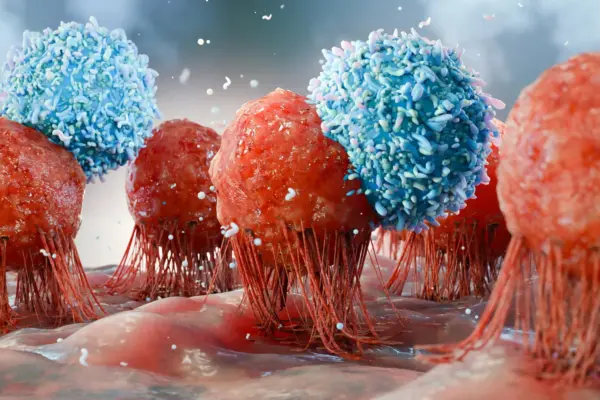
- Immune Engagement: The released CoA is taken up by a specific population of resident immune cells known as CD8 T cells.
- Cytokine Production: Once activated by the CoA uptake, these CD8 T cells begin to multiply rapidly and secrete large quantities of Interleukin-22 (IL-22). IL-22 is a powerful signaling protein (a cytokine) universally recognized for its pivotal role in driving tissue repair, inflammation control, and stem cell maintenance in mucosal barriers.
Prior to this study, the scientific community was entirely unaware that CD8 T cells could be coaxed into producing IL-22 in a manner that directly supports intestinal stem cells. Traditionally, researchers associated IL-22 production with other immune cell subsets, such as innate lymphoid cells (ILCs) or T-helper 17 (Th17) cells. This discovery reveals an entirely new functional dimension for CD8 T cells in mucosal homeostasis.
Strategic Positioning for Rapid Healing
Further investigation revealed that these activated CD8 T cells do not randomly disperse throughout the body. Instead, they strategically aggregate directly within the lining of the small intestine. This optimal positioning places them on immediate standby, ready to deploy their healing signals the moment tissue damage occurs.
Furthermore, the researchers observed that this regenerative effect was predominantly confined to the small intestine. The reason for this localization is mechanical and physiological: the small intestine is the primary anatomical site where dietary protein is digested and absorbed, meaning it is the first and most heavily exposed organ to high concentrations of dietary cysteine.
Supporting Context & Metrics
To contextualize the scale and significance of the MIT findings, it is helpful to examine the broader landscape of dietary science, gastrointestinal pathology, and the specific biochemical nature of cysteine.
The Anatomy of Gastrointestinal Toxicity
Gastrointestinal mucositis—the inflammation and ulceration of the mucous membranes lining the digestive tract—is one of the most common and distressing side effects of cancer treatment.
- Prevalence: Clinical data indicate that up to 40% of patients receiving standard-dose chemotherapy develop some degree of oral or intestinal mucositis. This figure skyrockets to nearly 100% in patients undergoing high-dose conditioning regimens for hematopoietic stem cell transplantation or targeted pelvic radiation therapy.
- Clinical Impact: Intestinal damage compromises the gut’s barrier function, allowing bacteria from the gut lumen to leak into the bloodstream, potentially leading to systemic infections (sepsis), chronic pain, severe diarrhea, malabsorption, and life-threatening weight loss.
- Current Limitations: Current interventions are largely palliative, focusing on pain management, hydration, and nutritional support via feeding tubes or total parenteral nutrition (TPN). There are very few approved pharmacological agents that actively accelerate the regeneration of damaged intestinal stem cells without interfering with the primary goal of killing cancer cells.
Understanding Cysteine and Its Sources
Cysteine is a semi-essential sulfur-containing amino acid with the chemical formula $textHOOC-CH(NH_2text)-CH_2text-SH$. Beyond its newly discovered role in immune-mediated gut repair, cysteine has long been celebrated in biochemistry for several key properties:
- Antioxidant Precursor: Cysteine is the rate-limiting raw material required for the synthesis of glutathione, the body’s master intracellular antioxidant, which protects cells from oxidative stress and free radical damage.
- Protein Structure: The thiol (sulfur-hydryl) side chain of cysteine readily forms disulfide bonds with other cysteine residues. These covalent bonds are crucial for stabilizing the tertiary and quaternary structures of countless structural proteins, enzymes, and antibodies.
- Dietary Distribution: Cysteine is naturally abundant in high-protein whole foods, including poultry, beef, pork, dairy products (such as whey and yogurt), eggs, sunflower seeds, lentils, and nuts.
- Endogenous Synthesis: While the human body can manufacture cysteine internally by converting another amino acid (methionine) via the transsulfuration pathway in the liver, the MIT study emphasizes that dietary cysteine delivers a uniquely potent, localized impact. Because food passes directly through the digestive tract, the gut experiences a surge of cysteine long before systemic distribution occurs, making oral intake an exceptionally efficient delivery mechanism for intestinal tissue repair.
Official Statements and Expert Perspectives
The research team behind the study has expressed immense optimism regarding the translational potential of their work, viewing it as a bridge between basic nutritional science and clinical oncology.
Omer Yilmaz, the senior author of the study and a leading figure at the MIT Stem Cell Initiative and Koch Institute, underscored the elegance of utilizing natural compounds to solve complex medical challenges:
"The study suggests that if we give these patients a cysteine-rich diet or cysteine supplementation, perhaps we can dampen some of the chemotherapy or radiation-induced injury. The beauty here is we’re not using a synthetic molecule; we’re exploiting a natural dietary compound."
Yilmaz also highlighted the surprising nature of the immune pathway uncovered during the research, noting how it reframes our understanding of T-cell biology:
"What’s really exciting here is that feeding mice a cysteine-rich diet leads to the expansion of an immune cell population that we typically don’t associate with IL-22 production and the regulation of intestinal stemness. What happens in a cysteine-rich diet is that the pool of cells that make IL-22 increases, particularly the CD8 T-cell fraction."
Dr. Chi, a key collaborator on the research team, emphasized the distinct mechanical advantage of oral, dietary delivery over intravenous or systemic administration:
"With our high-cysteine diet, the gut is the first place that sees a high amount of cysteine."
Looking toward the broader implications of how nutrients dictate cellular behavior, Yilmaz added:
"I think we’re going to uncover multiple new mechanisms for how these amino acids regulate cell fate decisions and gut health in the small intestine and colon."
Future Outlook: Beyond the Intestine
While the initial findings—demonstrated in murine models—focus heavily on recovery from radiation-induced intestinal damage and preliminary experiments involving the chemotherapy drug 5-fluorouracil (a cornerstone treatment for colorectal and pancreatic cancers), the horizons of this research extend far beyond the gastrointestinal tract.
Expanding into New Tissues and Follicles
Encouraged by their success in the small intestine, the MIT research team has already initiated follow-up studies to determine whether cysteine and its downstream immune-signaling pathways can stimulate tissue regeneration in other anatomical locations.
One prominent, ongoing project is actively investigating whether targeted cysteine supplementation can encourage hair follicle repair and cellular regrowth. Hair loss (alopecia) is another devastating side effect of many chemotherapy regimens, stemming from the indiscriminate destruction of rapidly dividing hair matrix progenitor cells. If cysteine-driven immune mechanisms can be safely harnessed to protect or regenerate hair follicles, it could provide a monumental psychological and physical boost to cancer survivors.
Broadening Amino Acid Pharmacology
Beyond cysteine, the MIT lab’s initial high-throughput screening tested 19 other amino acids, several of which also displayed varying degrees of influence over stem cell behavior and cellular fate decisions. Researchers are continuing to analyze these secondary compounds. The long-term vision is to map out a comprehensive "amino acid pharmacopeia"—a detailed nutritional atlas that dictates precisely how specific dietary components can be prescribed to modulate immunity, stemness, and tissue repair across various disease states.
Clinical Translation and Human Trials
Before cysteine-rich diets or targeted supplements can become standard supportive care in oncology clinics, several crucial milestones must be achieved:
- Preclinical Safety Validation: Researchers must ensure that elevating dietary cysteine does not inadvertently stimulate tumor growth, as cancer cells themselves often co-opt host metabolic pathways, including amino acid metabolism, to fuel their own proliferation.
- Phase I/II Clinical Trials: Well-designed human clinical trials will be necessary to establish optimal dosing, safety profiles, and efficacy benchmarks in cancer patients undergoing active chemotherapy or radiation therapy.
- Personalized Oncology Nutrition: Ultimately, oncologists and clinical dietitians may work hand-in-hand to formulate personalized nutritional protocols, tailoring amino acid intake to individual patient metabolic profiles and treatment schedules.
Funding and Institutional Support
This foundational research was made possible through the generous financial backing and collaborative infrastructure of multiple prestigious institutions and foundations. Primary financial support was provided by the National Institutes of Health (NIH), the V Foundation for Cancer Research, the Kathy and Curt Marble Cancer Research Award, and the Koch Institute-Dana-Farber/Harvard Cancer Center Bridge Project.
Additional backing came from the American Federation for Aging Research, the MIT Stem Cell Initiative, and the Koch Institute Support (core) Grant provided by the National Cancer Institute. This robust coalition of support underscores the high-priority status that nutritional immunology and stem cell biology hold in contemporary biomedical research.
As science continues to peel back the layers of how diet communicates with our genome and immune system, the old adage "let food be thy medicine" is finding profound, molecular validation in the laboratories of MIT—offering a beacon of hope for millions navigating the physical toll of cancer therapy.