







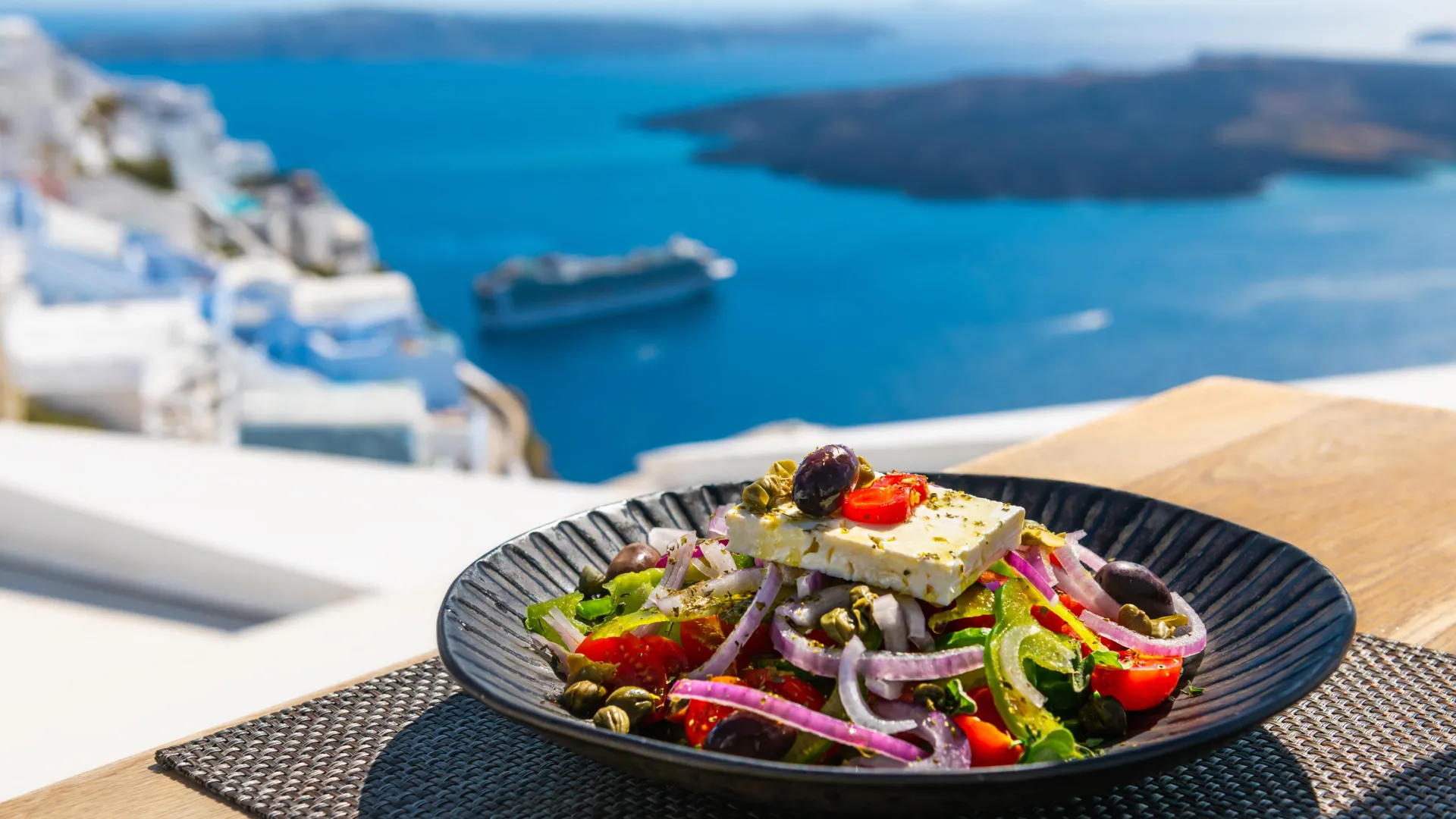
The classical Mediterranean diet has long held a golden reputation in nutritional science, widely celebrated for its robust heart and metabolic benefits. However, a monumental Spanish clinical trial—the landmark PREDIMED-Plus study—suggests that this famous dietary pattern can achieve even more remarkable results when upgraded with three practical, real-world elements: modest calorie reduction, regular physical activity, and professional behavioral support for weight loss.
Published in the Annals of Internal Medicine, the PREDIMED-Plus trial is the largest nutrition-focused clinical investigation ever conducted in Europe. By structuring the traditional Mediterranean diet into a more intensive lifestyle intervention, researchers observed a dramatic 31% reduction in the risk of developing type 2 diabetes among participants. Over a six-year tracking period, this structured approach not only warded off metabolic disease but also delivered profound improvements in body composition, including superior reductions in body weight and visceral abdominal fat.
As chronic metabolic diseases continue to surge globally—with over 530 million adults currently living with diabetes—these findings offer a beacon of hope rooted in sustainable lifestyle modifications rather than fleeting diet fads or exclusively pharmaceutical interventions. This comprehensive report explores the origins of the PREDIMED-Plus trial, its breakthrough methodology, quantifiable clinical outcomes, expert commentary, and what these insights mean for the future of global public health.
Detailed Chronology: The Evolution of PREDIMED-Plus
To fully appreciate the gravity of the PREDIMED-Plus findings, it is essential to understand the scientific trajectory that preceded it. The project builds directly upon the historic PREDIMED study, which ran from 2003 to 2010. That original trial established that a Mediterranean diet supplemented with extra virgin olive oil or mixed nuts could reduce major cardiovascular events by an impressive 30%.
Building on this momentum, the PREDIMED-Plus initiative was formally conceptualized and launched in 2013, following a prestigious Advanced Grant worth over €2 million awarded to the University of Navarra by the European Research Council (ERC). Between 2014 and 2016, the scope of the project expanded significantly as additional premier Spanish institutions joined the consortium, pushing total funding past the €15 million threshold. The lion’s share of this financial backing was provided by the Carlos III Health Institute (ISCIII) and the Center for Biomedical Research Network through its specialized areas: Physiopathology of Obesity and Nutrition (CIBEROBN), Epidemiology and Public Health (CIBERESP), and Diabetes and Associated Metabolic Diseases (CIBERDEM).
2003–2010, Original PREDIMED Trial (Establishes CVD reduction via Mediterranean diet)2013, PREDIMED-Plus Conceptualized & ERC Advanced Grant Awarded (€2M+)
2014–2016, Expansion & Funding Influx (€15M+ via ISCIII, CIBEROBN, CIBERESP, CIBERDEM)2014–2020s, 6-Year Longitudinal Intervention Across 100+ Primary Care Centers in SpainPublication, Landmark Findings in Annals of Internal Medicine (31% Risk Reduction)
The Trial Design and Methodology
The trial enrolled 4,746 adults aged 55 to 75 across more than 100 primary care centers within Spain’s National Health System. Every participant entered the study presenting with overweight or obesity alongside metabolic syndrome, but notably free of diagnosed diabetes or cardiovascular disease at baseline.
Researchers divided the cohort into two distinct arms to compare approaches:
- The Intervention Group: Followed an energy-reduced Mediterranean diet (cutting approximately 600 kilocalories per day), engaged in structured physical activity (including brisk walking, strength training, and balance exercises), and received continuous professional behavioral guidance for weight loss.
- The Comparison Group: Followed a traditional, ad libitum (unrestricted calorie) Mediterranean diet without specific exercise prescriptions or intensive weight-loss counseling.
Participants were rigorously monitored over a six-year period, allowing investigators to capture long-term behavioral adherence and clinical outcomes.
Supporting Context & Metrics: Data That Defines the Breakthrough
The empirical data yielded by the PREDIMED-Plus trial provides compelling metrics that underscore the efficacy of the upgraded lifestyle intervention.
Quantifiable Health Gains
The divergence in clinical markers between the intervention and control groups was profound:
- Diabetes Risk Reduction: Participants in the intensive lifestyle intervention group experienced a 31% lower risk of developing type 2 diabetes compared to the control group.
- Weight Loss: On average, individuals in the intervention group shed 3.3 kg (approx. 7.3 lbs), contrasted with a meager 0.6 kg loss in the control cohort.
- Abdominal Adiposity: Waist circumferences shrank by an average of 3.6 cm in the intervention arm, whereas the control group saw a negligible reduction of 0.3 cm.
- Population-Level Impact: Researchers calculated that the program prevented roughly three cases of type 2 diabetes for every 100 participants treated. When scaled to at-risk populations globally, this intervention holds the potential to prevent hundreds of thousands of new diagnoses annually.
Complementary Body Composition and Biomarker Research
Subsequent and parallel analyses of the PREDIMED-Plus cohort have further illuminated why these metabolic improvements occur. A body composition analysis published in JAMA Network Open revealed that the energy-reduced Mediterranean diet combined with physical activity successfully reduced total and visceral fat stores while mitigating the age-related loss of lean muscle mass in older adults. This preservation of lean mass is critical, as visceral adipose tissue and declining muscle mass are core drivers of cardiometabolic risk.
Furthermore, a 2026 study published in BMC Cardiovascular Disorders investigated how replacing sedentary time with physical activity impacted cardiovascular health markers. The research noted favorable five-year changes in high-sensitivity troponin T—a key blood biomarker signaling cardiac stress—demonstrating that even modest reductions in sedentary behavior yield physiological benefits.
Finally, a 2026 analysis from the original PREDIMED trial emphasized the importance of food quality within the dietary pattern. Investigators discovered that higher cumulative intakes of extra virgin olive oil correlated strongly with a reduced risk of major adverse cardiovascular outcomes, whereas common refined olive oil showed significantly weaker associations. This highlights a vital takeaway: the health-protective qualities of the Mediterranean diet rely heavily on the specific grade and biochemical quality of its core fats, not merely generalized caloric restriction.
Official Statements and Expert Insights
The implications of the PREDIMED-Plus trial extend far beyond academic circles, drawing praise from international leaders in public health and nutrition.
“Diabetes is the first solid clinical outcome for which we have shown—using the strongest available evidence—that the Mediterranean diet with calorie reduction, physical activity and weight loss is a highly effective preventive tool,” stated Dr. Miguel Ángel Martínez-González, Professor of Preventive Medicine and Public Health at the University of Navarra, Adjunct Professor of Nutrition at Harvard University, and co-principal investigator of the project. “Applied at scale in at-risk populations, these modest and sustained lifestyle changes could prevent thousands of new diagnoses every year. We hope soon to show similar evidence for other major public health challenges.”
The global urgency of this research cannot be overstated. The International Diabetes Federation estimates that more than 530 million individuals currently live with diabetes worldwide. In Spain alone, roughly 4.7 million adults are affected—representing one of the highest prevalence rates in Europe—while European totals exceed 65 million. In the United States, approximately 38.5 million people grapple with the condition, which commands some of the highest per-patient healthcare expenditures in the world.
“The Mediterranean diet acts synergistically to improve insulin sensitivity and reduce inflammation. With PREDIMED-Plus, we demonstrate that combining calorie control and physical activity enhances these benefits,” explained Dr. Miguel Ruiz-Canela, Professor and Chair of the Preventive Medicine and Public Health Department at the University of Navarra’s School of Medicine and first author of the study. “It is a tasty, sustainable, and culturally accepted approach that offers a practical and effective way to prevent type 2 diabetes—a global disease that is, to a large extent, avoidable.”
Editorial Perspectives: A Call for Structural Change
In an accompanying editorial published simultaneously in the Annals of Internal Medicine, nutrition and public health experts Dr. Sharon J. Herring and Dr. Gina L. Tripicchio of Temple University lauded the clinical significance of the trial. They framed PREDIMED-Plus as an exemplary model for diabetes prevention that bypasses the need for extreme, unsustainable dieting.
However, the editorialists issued an important caveat: translating this success to regions outside the Mediterranean basin—such as the United States—requires more than individual willpower. Systemic barriers, including urban designs that discourage physical activity, food deserts lacking access to fresh produce, and socio-economic disparities limiting professional nutritional counseling, pose significant hurdles. Herring and Tripicchio argued that municipal and national public health policies must actively foster equitable, health-promoting environments to make these lifestyle shifts achievable for all communities.
Future Outlook: A Sustainable Blueprint for Global Health
As modern medicine experiences a wave of enthusiasm surrounding high-cost anti-obesity and diabetes medications (such as GLP-1 receptor agonists), the PREDIMED-Plus trial serves as a timely reminder that behavioral and lifestyle interventions remain exceptionally powerful. Pharmaceuticals and lifestyle changes are not mutually exclusive; rather, structured nutritional therapy provides a foundational, cost-effective, and sustainable baseline that can reduce medication reliance and improve long-term physiological resilience.
Moving forward, the primary care infrastructure offers an ideal vehicle for deploying the PREDIMED-Plus protocol. Because the intervention relies on accessible foods, moderate physical activity, and gradual habit formation rather than restrictive deprivation, it can be integrated seamlessly into routine clinical practice.
A Collaborative Nationwide Effort
The success of PREDIMED-Plus was made possible through an extraordinary collaborative network spanning dozens of premier Spanish research institutions, hospitals, and universities. Key contributors included:
- University of Navarra & Navarra Health Service
- Hospital Clínic de Barcelona
- University of Valencia
- Rovira i Virgili University (Reus)
- IMIM-Hospital del Mar
- Miguel Hernández University (Alicante)
- Son Espases Hospital (Palma de Mallorca)
- University of Malaga & Hospital Virgen de la Victoria
- Reina Sofía Hospital (Córdoba)
- University of Granada, University of Jaén, and University of León
- Bioaraba and UPV/EHU (Vitoria)
- University of the Balearic Islands
- University of Las Palmas de Gran Canaria
- Primary Health Care District of Seville
- Fundación Jiménez Díaz & Hospital Clínico San Carlos (Madrid)
- IMDEA Food Institute (Madrid)
- International collaboration from the Harvard T.H. Chan School of Public Health
Ultimately, PREDIMED-Plus transcends the boundaries of a standard clinical trial. It offers a validated, scientifically airtight roadmap for tackling one of the defining healthcare crises of the 21st century. By pairing the culinary wisdom of the Mediterranean with modern behavioral science and structured clinical support, global health authorities now possess a proven weapon to roll back the tide of type 2 diabetes.