









Executive Overview
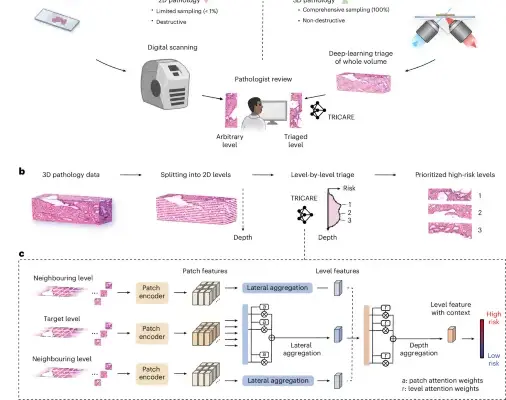
The COVID-19 pandemic served as an unprecedented crucible for global healthcare systems, forcing a rapid, radical reimagining of clinical operations. Among the most transformative—and enduring—technological pivots was the widespread adoption of digital tools in pathology. Faced with lockdowns, social distancing mandates, and surging caseloads, pathologists leaned on digital pathology platforms to review slides remotely, ensuring uninterrupted diagnostic services.
What began as an emergency stopgap quickly matured into a cornerstone of reliable, everyday clinical care. Laboratories invested millions of dollars into secure digital infrastructure, forged robust governance frameworks, and successfully embedded remote diagnostics into standard operating procedures. These advancements broadened patient access to rare subspecialty expertise, alleviated the strain of severe workforce shortages, and accelerated the delivery of critical diagnoses.
Yet, as healthcare systems look toward a modernized future, they face an ironic and formidable barrier: outdated regulatory frameworks. Recent regulatory guidance has begun to restrict the continued use of remote digital pathology workflows, dragging modern clinical practice backward. This friction between dynamic technological innovation and legacy oversight has ignited an urgent debate among clinicians, legal experts, and health-policy makers. At stake is not merely administrative efficiency, but the quality, speed, and equity of patient care.
Detailed Chronology: From Crisis Innovation to Regulatory Bottlenecks
Phase 1: The Emergency Catalyst (2020–2021)
When SARS-CoV-2 brought the world to a halt in early 2020, hospitals faced an impossible dual challenge: minimizing viral transmission within confined laboratory spaces while managing an overwhelming influx of complex diagnostic needs. Traditional pathology required specialists to sit side-by-side at multi-headed microscopes or crowd around physical glass slides stored in central archives.
Recognizing the imminent threat to diagnostic continuity, regulatory bodies enacted temporary flexibilities. These emergency measures permitted pathologists to review cases, including intricate cytology samples, from remote home setups. Laboratories rapidly deployed whole-slide imaging (WSI) scanners, encrypted virtual private networks (VPNs), and high-resolution monitors capable of meeting stringent medical-grade calibration standards.
Phase 2: Operational Maturation and Clinical Integration (2022–2024)
What was initially designed as a temporary workaround proved remarkably effective. Cytology review—the examination of individual patient cells under a microscope to identify abnormalities or suspicious features, most familiarly exemplified by the routine Pap smear test for cervical screening—thrived in digital environments.
Rather than lowering diagnostic standards, remote digital workflows often enhanced them. Pathologists could easily consult international experts on ambiguous cases with a few clicks, bypassing the physical shipping of glass slides. Laboratories established sophisticated internal governance models to ensure data privacy, cybersecurity, and diagnostic accuracy. By 2024, remote digital pathology was no longer viewed as an emergency measure, but as an indispensable pillar of modern, resilient laboratory medicine.
Phase 3: The Regulatory Reversal and Current Stand-off (2025–Present)
As the acute phase of the pandemic receded, health authorities began rolling back emergency declarations and transitional policies. However, instead of permanently updating regulations to reflect the proven safety and efficacy of digital tools, many governing bodies reinstated pre-pandemic oversight rules.
Current regulatory guidance now actively restricts remote cytology review and other digital diagnostic workflows. These legacy frameworks are anchored in physical assumptions—such as the requirement that diagnostic work must happen within a certified brick-and-mortar laboratory facility—that fail to recognize the digital transformation of medicine. Consequently, healthcare institutions find themselves penalized for utilizing technology that has demonstrably improved patient outcomes over the past several years.
Supporting Context & Metrics: The Workforce Crisis and Subspecialty Access
To understand the absurdity of restricting remote pathology, one must examine the broader systemic pressures facing modern healthcare. Pathology departments across the globe are grappling with a profound demographic crunch.
The Workforce Distribution Crisis
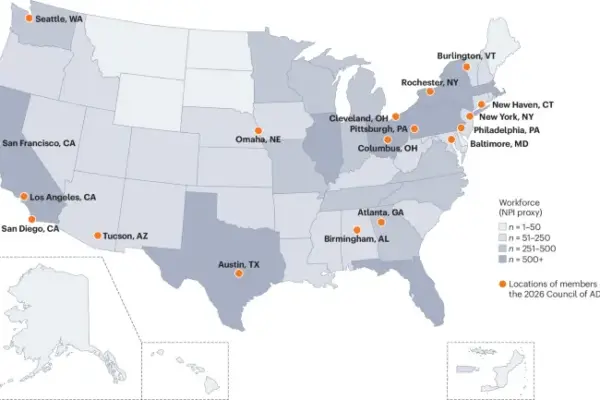
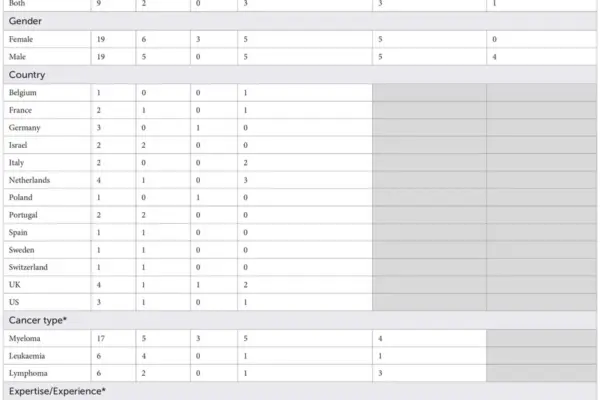
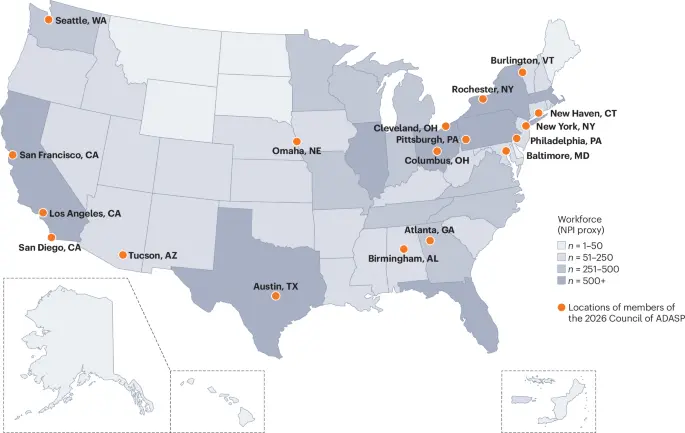
According to data highlighted in recent clinical analyses, the distribution of pathology leadership and specialized workforce talent across the United States is deeply uneven. Major academic medical centers and urban healthcare hubs are densely populated with subspecialists—such as cytopathologists, hematopathologists, and neuropathopathologists. Conversely, rural and community hospitals face chronic staffing shortages.
[Urban Academic Centers]  ---> (High concentration of subspecialists)
                                       |
                                       v  [Digital Tele-Pathology Bridge]
                                       |
[Rural & Community Clinics] <-- (Acute workforce & expertise shortage)
Before the widespread adoption of digital tools, patients in rural settings endured significant diagnostic delays. Tissue samples and Pap smears had to be physically transported to regional centers, adding days or weeks to the turnaround time. Remote digital workflows effectively dissolved these geographical barriers, allowing a cytopathologist sitting hundreds of miles away to review high-resolution digital slides in real time.
Patient Care and Turnaround Times
Timeliness in pathology is directly correlated with patient survival, particularly in oncology. A delayed Pap smear or suspicious biopsy review can mean the difference between early-stage intervention and advanced disease progression. Data gathered during the peak implementation of remote digital workflows demonstrated measurable improvements in turnaround times. Reverting to restrictive on-site mandates threatens to reverse these hard-won gains, reintroducing avoidable bottlenecks into the diagnostic pipeline.
Official Statements and Industry Perspectives
The friction between modern medical capability and administrative rigidity has prompted widespread concern among leading medical professionals and institutional stakeholders.
Dr. Jochen K. Lennerz, a prominent voice in digital medicine and corresponding author on recent studies examining regulatory oversight, emphasizes that administrative frameworks must evolve alongside clinical science.
"During the height of the pandemic, digital tools proved that pathologists could work safely and effectively at a distance without compromising diagnostic integrity," notes the clinical consensus emerging from recent literature. "Yet recent regulatory guidance now restricts their continued use, highlighting how legacy oversight can unintentionally impede modern, high-quality clinical practice."
Laboratory directors and hospital administrators echo these sentiments, pointing out the immense financial and operational capital invested in building secure digital infrastructures. To abandon these systems now, they argue, is a misuse of resources and a disservice to patients who have come to rely on faster, more accessible specialized care.
Legal and regulatory scholars point to a classic institutional lag: laws written for an era of physical glass slides and analog microscopes are ill-equipped to govern a landscape defined by cloud computing, artificial intelligence, and high-resolution digital imaging. Without proactive legislative and regulatory reform, the gap between what medicine can do and what administrators allow it to do will only widen.
Future Outlook: Navigating the Path Forward
The path forward requires a collaborative, forward-thinking approach among regulatory agencies, professional medical societies, and healthcare institutions. If digital pathology is to fulfill its ultimate promise, several key milestones must be achieved over the coming years:
- Modernized Regulatory Frameworks: Regulators must transition from temporary, emergency-based flexibilities to permanent, modern frameworks that specifically govern digital and remote pathology. These frameworks should prioritize outcome-based metrics—such as diagnostic accuracy and data security—over physical geographical constraints.
- Standardized Accreditation for Remote Workstations: To address concerns regarding quality control, professional bodies should establish uniform certification standards for remote digital workstations, ensuring that home monitors, software interfaces, and internet connections meet rigorous clinical benchmarks.
- Enhanced Cybersecurity and Privacy Protocols: As diagnostic data flows across virtual networks, continuous investment in robust cybersecurity infrastructure will remain paramount to protect patient health information (PHI) against emerging digital threats.
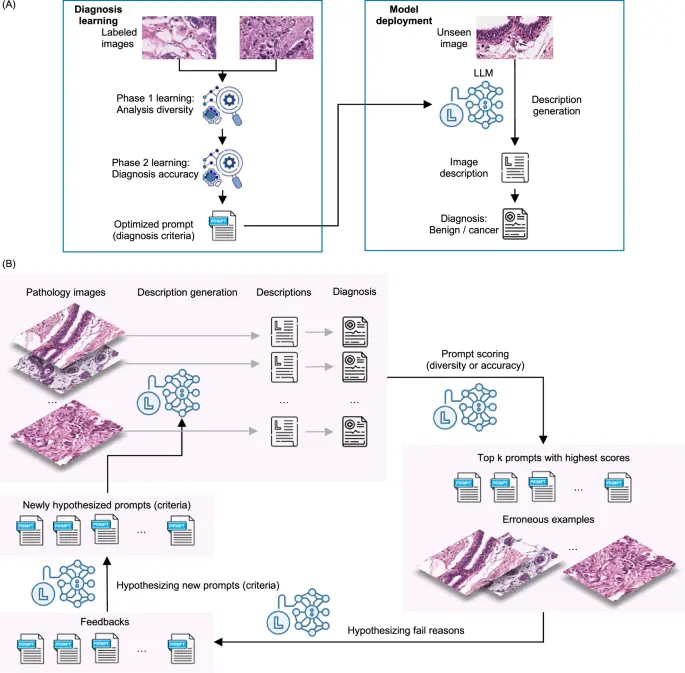
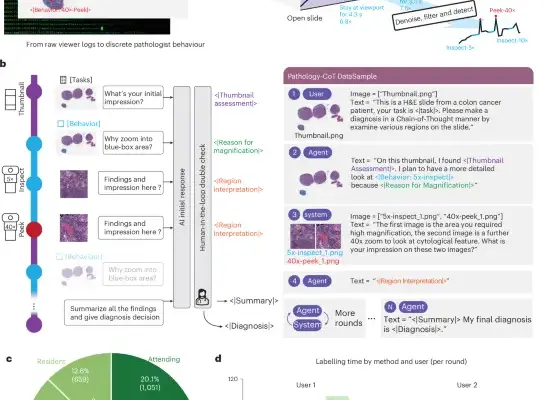
- Integration of AI-Assisted Diagnostics: The future of digital pathology is not solely human-remote; it is deeply intertwined with artificial intelligence. Algorithms designed to pre-screen cytology slides for abnormalities will rely entirely on the digital infrastructure currently threatened by legacy regulations. Preserving remote capabilities is a necessary prerequisite for adopting next-generation AI diagnostic tools.
Conclusion
The pivot to digital pathology during the COVID-19 pandemic was a triumph of medical adaptability. It demonstrated that high-stakes diagnostics do not strictly depend on four physical walls, but on expertise, secure technology, and rigorous professional standards. As healthcare systems navigate the remainder of the decade, regulators face a clear choice: cling to outdated, location-bound legacy oversight, or adapt to a digital reality that offers faster, more equitable, and higher-quality care for every patient, regardless of where they live.