








Executive Overview
Bladder cancer remains one of the most persistent and formidable challenges in modern oncology. Characterized by high rates of post-treatment recurrence—often estimated at up to 80%—the disease forces clinicians and patients into difficult therapeutic corners. Historically, when localized treatments fail to keep aggressive or recurring urothelial abnormalities at bay, surgeons are forced to perform a radical cystectomy: the complete surgical removal of the bladder. While life-saving, this invasive procedure drastically alters a patient’s quality of life, necessitating urinary diversion and frequently resulting in permanent incontinence.
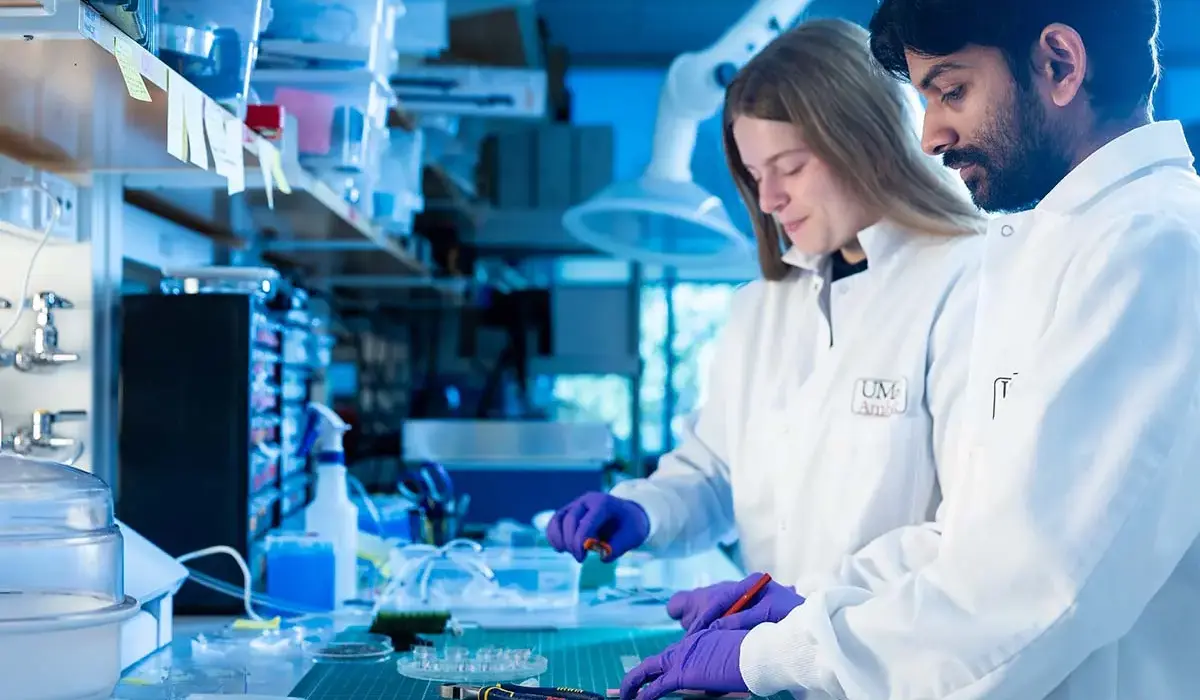
Now, a pioneering research team led by the University of Massachusetts (UMass) Amherst is rewriting the playbook. Backed by a prestigious five-year grant of up to $3.45 million from the National Institutes of Health (NIH), the UMass Amherst-led team is repurposing and scaling up a proven soft-tissue ablation technique to target early-stage, hidden diseased cells across the entire inner lining of the bladder.
Spearheaded by lead researcher Govind Srimathveeravalli, the project seeks to transform irreversible electroporation (IRE)—a localized technology commonly used in cardiac and soft-tissue procedures—into a versatile, catheter-based therapeutic intervention. Instead of cutting out the organ or relying on traditional thermal ablation that risks damaging healthy surrounding structures, the novel technique aims to gently "exfoliate" the ultra-thin, three-to-four-cell-thick inner layer of the bladder. By clearing out the microscopic, elusive malignant cells before they can form overt tumors, the technology allows healthy underlying tissue to regenerate naturally.
To bridge the gap between bench science and bedside care, the multidisciplinary team is utilizing cutting-edge microphysiology systems, including patient-derived "bladders-on-chips," combined with advanced computer simulations. If successful, this groundbreaking medical device technology could bypass the need for radical surgeries, dramatically reduce recurrence rates, and pave the way for rapid clinical trials.
Detailed Chronology of the Research Initiative
The journey toward developing this novel ablation technology represents a convergence of biomedical engineering, clinical urology, and advanced microfluidics. While the NIH funding was officially secured to fuel a five-year developmental push, the foundational concepts behind the initiative stem from years of frustration with conventional cancer recurrence management.
The Genesis of the Concept
For decades, urologic oncologists have battled the elusive nature of urothelial malignancies. Traditional diagnostics rely heavily on cystoscopy and tissue biopsies, yet microscopic fields of precancerous or malignant cells frequently evade detection. These rogue cells often lie dormant or unmapped within the complex, undulating topography of the bladder wall. When patients undergo transurethral resection of bladder tumors (TURBT), these hidden cells frequently serve as the seedbed for future recurrences.
Recognizing that localized tumor-targeting approaches were fundamentally limited when dealing with a diffusely diseased organ, Govind Srimathveeravalli and his colleagues at UMass Amherst began exploring alternative tissue-management paradigms. Rather than chasing individual tumors after they manifest, the team shifted its focus upstream: Why not address the entire vulnerable tissue environment where these cells originate?

Securing Federal Backing
The feasibility and high-impact potential of the UMass-led project caught the attention of the National Institutes of Health, culminating in the award of a multi-million-dollar grant totaling up to $3.45 million over five years. This substantial federal investment provides the financial runway required to scale the technology from conceptual bioengineering models to rigorous preclinical testing and, ultimately, human clinical trial readiness.
Integrating "Bladder-on-a-Chip" Models
To ensure that laboratory findings translate effectively to human physiology without putting patients at unnecessary risk, the research team integrated advanced microphysiological systems into their workflow. In collaboration with biological engineers, the lab is constructing "bladders-on-chips" utilizing patient-derived cells.
These microfluidic platforms mimic the dynamic mechanical and biological environment of the human urothelium. Coupled with sophisticated computer simulations, these models allow researchers to observe cellular responses to electrical pulses in real time, fine-tuning the voltage, pulse duration, and delivery mechanisms long before the technology encounters live tissue models.
Supporting Context & Metrics: The Science of Irreversible Electroporation
To understand the innovation driving the UMass Amherst project, it is essential to examine the underlying physics and medical device engineering of irreversible electroporation (IRE) and its cardiac counterpart, pulsed-field ablation (PFA).
Understanding Irreversible Electroporation (IRE)
Traditional surgical and ablative oncology techniques rely heavily on thermal energy—either extreme heat (radiofrequency, laser, or microwave ablation) or extreme cold (cryoablation)—to destroy malignant tissue. While effective, thermal ablation carries inherent risks: the heat or cold can diffuse uncontrollably, damaging adjacent healthy structures such as nerves, blood vessels, and neighboring organs. In the delicate anatomical confines of the pelvic cavity, this collateral damage can lead to severe post-operative complications.
Irreversible electroporation takes a fundamentally different path. IRE delivers ultra-short, high-voltage electrical pulses via specialized needle electrodes or catheters directly to the target tissue. These electrical fields disrupt the lipid bilayer of cell membranes, creating microscopic pores—a phenomenon known as electroporation.
When the parameters are precisely calibrated, the damage to the cell membrane becomes irreversible, triggering programmed cell death (apoptosis) and tumor necrosis without relying on thermal energy. Because the extracellular matrix, blood vessels, and structural proteins lack lipid-membrane vulnerability in the same way, they are largely spared, facilitating faster and safer tissue healing.

Parallels in Cardiology: Pulsed-Field Ablation (PFA)
The underlying principles of IRE are not entirely new to modern medicine. In recent years, pulsed-field ablation (PFA) has revolutionized electrophysiology, transforming how cardiologists treat atrial fibrillation (AFib). PFA catheters deliver microsecond electrical pulses to selectively ablate aberrant heart tissue responsible for irregular heartbeats, sparing adjacent coronary arteries and esophageal tissue from thermal injury.
Srimathveeravalli’s team is taking the lessons learned from cardiovascular PFA catheter innovations and redesigning them for urological applications. However, translating this technology from a localized heart chamber or a focal liver tumor to the interior of the human bladder presents a unique set of engineering hurdles.
Anatomy of the Urothelium
The human bladder is a remarkably dynamic, muscular organ designed to store and expel urine. Its inner surface is lined by the urothelium—a specialized layer of stratified epithelial cells that forms an impermeable barrier against toxins in urine. Unlike solid tumors, which present as distinct, localized masses, the urothelium is expansive, highly irregular in shape, and astonishingly thin—measuring a mere 0.1 millimeters (approximately three to four cells thick) across the interior surface of the organ.
"The bladder has these diseased cells that we don’t know what they look like, we don’t know where they’re hiding, [and] we can’t get rid of them," Srimathveeravalli explained in a university news release.
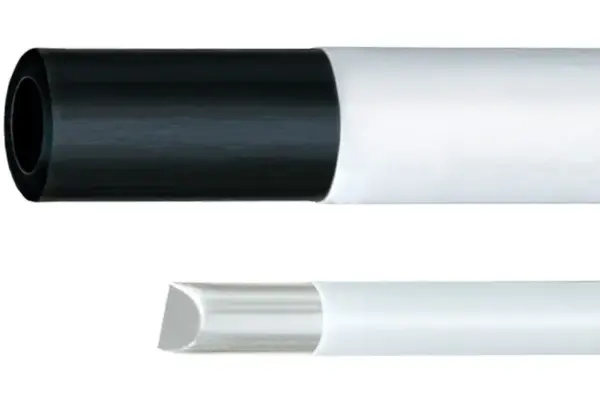
To solve this, the UMass Amherst team is engineering a flexible, catheter-based delivery system capable of uniformly sweeping and treating this delicate, ultra-thin innermost layer across the entire bladder cavity, shifting the paradigm from focal tumor destruction to comprehensive mucosal renewal.
Official Statements and Researcher Insights
The implications of this research extend far beyond academic novelty; they represent a fundamental paradigm shift in how clinicians approach organ-sparing oncology.
Highlighting the preventative philosophy driving the project, Govind Srimathveeravalli posed a provocative question during discussions of the technology:

"Why allow the progression of diseased urothelial cells that form the inner lining of the bladder to malignancy? Why not exfoliate this cell layer where the diseased cells are hiding, thereby preempt the emergence of cancer and allow the healthy cells in the layer to regenerate?"
By conceptualizing the treatment as a controlled "exfoliation" of the compromised urothelium, the research team aims to clear out precancerous fields before they aggregate into invasive tumors. Once the diseased cellular strata are safely ablated via precise electrical pulses, the body’s intrinsic regenerative capacity takes over, allowing healthy epithelial cells to repopulate the inner lining.
Addressing the rigorous developmental pathway required before human testing can begin, Srimathveeravalli emphasized the importance of safety and translational validation:
"If we are successful in showing that this is safe and effective, it is very well positioned to take this into clinical trials as the next step."
Future Outlook: Implications for Clinical Practice and Medical Device Design
As the UMass Amherst research team advances through the milestones outlined by the NIH grant, the medical technology and urological oncology communities are watching closely. The successful realization of a catheter-based IRE system for bladder cancer could profoundly alter clinical guidelines and patient outcomes.
Potential Clinical Impact
- Preservation of Organ Function: By eliminating the need for radical cystectomy in high-recurrence patients, the technology preserves bladder function, eliminates the requirement for urinary stomas or neobladders, and spares patients from lifelong incontinence.
- Reduction of Treatment Burden: Patients who currently undergo endless rounds of transurethral resections and intravesical chemotherapy instillations could benefit from a standardized, highly effective prophylactic procedure that halts recurrence at its root.
- Minimization of Collateral Damage: The non-thermal nature of electroporation ensures that the muscular walls and structural integrity of the bladder remain undamaged, promoting rapid recovery and normal organ compliance.
Engineering and Commercialization Roadmap
From a medical device design perspective, engineering a catheter capable of adapting to the irregular geometry of an expanding and contracting bladder while delivering homogenous electrical fields is a monumental task. The integration of patient-derived organoids ("bladders-on-chips") and predictive computer simulations will accelerate iterative prototyping, ensuring that the final device meets stringent regulatory standards for safety and performance.
Should preclinical trials validate the safety and efficacy of the UMass Amherst system, the technology will be primed for translational human clinical trials. In doing so, it could establish a entirely new category of electro-surgical interventions designed not just to treat cancer after it forms, but to systematically outmaneuver it at the cellular level.