






Executive Overview
When scientists successfully cracked the human genome in 2003, sequencing the entire genetic code of a human being, a prevailing sense of optimism swept through the global medical community. Many expected that this monumental achievement would unlock the absolute secrets of disease prevention, diagnosis, and treatment. However, the anticipated genetic revolution hit a massive wall: genetics alone explained only about 10% of overall disease risk for most chronic conditions. The remaining 90% lies outside our inherited DNA, driven largely by environmental factors, lifestyle choices, and, most crucially, what we consume every day.
Despite decades of conventional dietary advice focused primarily on cutting fat, salt, or sugar, rates of obesity and diet-related illnesses have continued to skyrocket worldwide. Globally, a poor diet is linked to approximately one in five deaths among adults aged 25 years or older. In Europe alone, suboptimal nutrition accounts for nearly half of all cardiovascular deaths.
Clearly, something fundamental is missing from the way modern science and public health policy think about food.
For generations, nutrition has been framed through a remarkably narrow lens—viewing food strictly as basic fuel and nutrients as simple building blocks. Proteins, carbohydrates, fats, and essential vitamins—representing a mere 150 or so well-known chemicals—have dominated research textbooks and dietary guidelines. Yet, cutting-edge mass spectrometry and analytical chemistry now estimate that our daily diet actually delivers more than 26,000 distinct molecular compounds, the vast majority of which remain entirely uncharted.
This invisible ecosystem of ingested molecules has been dubbed "nutritional dark matter." Just as astronomers study dark matter to explain the unseen gravitational forces shaping the cosmos, nutritional scientists are now rushing to map this hidden chemical universe. Doing so promises to revolutionize not only how we approach human health, but how we formulate treatments for our most stubborn chronic diseases.
Detailed Chronology: From Reductionist Nutrition to Foodomics
To understand how nutritional science arrived at this crossroads, it is necessary to examine the historical trajectory of how humans have studied food.
The Reductionist Era (Early to Mid-20th Century)
For decades, nutritional science operated on a reductionist model. Spurred by the discovery of individual vitamins and minerals in the early 1900s, researchers sought to isolate specific components of food that prevented deficiency diseases like scurvy or rickets. Food was broken down into macronutrients (proteins, carbohydrates, lipids) and micronutrients (vitamins, minerals). This approach successfully eradicated acute deficiency diseases across the developed world, cementing a framework that treated the human body as a simple biochemical engine requiring precise inputs of energy and basic structural blocks.
The Genomic Turn (The Early 2000s)
The completion of the Human Genome Project in 2003 shifted scientific focus toward personalized medicine. Researchers anticipated that mapping human DNA would allow medicine to predict who would develop chronic illnesses such as heart disease, cancer, and type 2 diabetes. However, as epidemiological data accumulated throughout the 2000s, it became glaringly obvious that genetic predisposition was only part of the story. Epigenetic modifications—changes in gene expression driven by environmental exposures, particularly diet—demonstrated that lifestyle could actively override or accentuate genetic blueprints.
The Historical Proof of Dietary Epigenetics
The profound impact of early nutritional environment on long-term gene activity was demonstrated by historical tragedies. During the Dutch Hunger Winter of 1944–1945, a Nazi-imposed blockade caused a severe famine in the occupied Netherlands. Children born to mothers who endured this extreme nutritional deprivation during pregnancy exhibited significantly elevated rates of heart disease, type 2 diabetes, and schizophrenia decades later.
Decades after these cohorts were established, molecular biologists discovered the underlying mechanism: maternal malnutrition had permanently altered the epigenetic tags on the children’s DNA, effectively switching certain genes on or off without altering the underlying genetic sequence. Food was shown to be more than passive fuel; it was an active environmental signal capable of reshaping human biology across generations.
The Emergence of Foodomics (Present Day)
Recognizing the limitations of studying isolated vitamins and single genes, modern researchers have pioneered foodomics. This multidisciplinary field bridges genomics (the study of genes), proteomics (the study of proteins), metabolomics (the analysis of cellular metabolic profiles), and nutrigenomics (how diet influences gene expression).
Foodomics abandons the reductionist approach, treating food as a complex, dynamic matrix of tens of thousands of interacting chemical compounds. By leveraging high-throughput screening technologies, mass spectrometry, and artificial intelligence, scientists are finally beginning to trace how these thousands of uncharted molecules interact with human physiology, gut microbiota, and metabolic pathways.
Supporting Context & Metrics: The Scale of the Hidden Chemical Landscape
The sheer scale of nutritional dark matter is staggering, and its impacts on global health are documented by robust epidemiological metrics.
- The 90/10 Rule of Disease Risk: While the human genome provides the baseline blueprint, approximately 90% of chronic disease risk is driven by environmental and dietary exposures.
- Global Mortality: According to large-scale global burden of disease studies published in journals such as The Lancet, poor dietary habits—characterized by low intake of whole grains, fruits, nuts, and seeds, alongside high consumption of sodium and processed meats—contribute to roughly 20% of all adult deaths worldwide.
- Cardiovascular Toll: In European populations, poor diet is implicated in nearly 50% of cardiovascular disease mortality, making nutrition a more potent risk factor for heart attacks and strokes than many traditional clinical metrics.
- Known vs. Unknown Molecules: While traditional nutritional science focuses on roughly 150 standard compounds, modern chemical inventories reveal that a typical diverse diet exposes the human body to more than 26,000 distinct molecular entities. Advanced catalogs like the Foodome Project have already documented over 130,000 unique food-derived molecules that interact with human proteins and gut microbes.
The Cosmic Parallel: Nutritional Dark Matter
To grasp the concept of nutritional dark matter, scientists often draw an analogy to astrophysics. Cosmologists know that dark matter makes up approximately 27% of the universe. It does not emit, absorb, or reflect light, rendering it entirely invisible to traditional electromagnetic telescopes. Yet, astronomers know it exists because its immense gravitational pull dictates the movement and formation of visible galaxies.
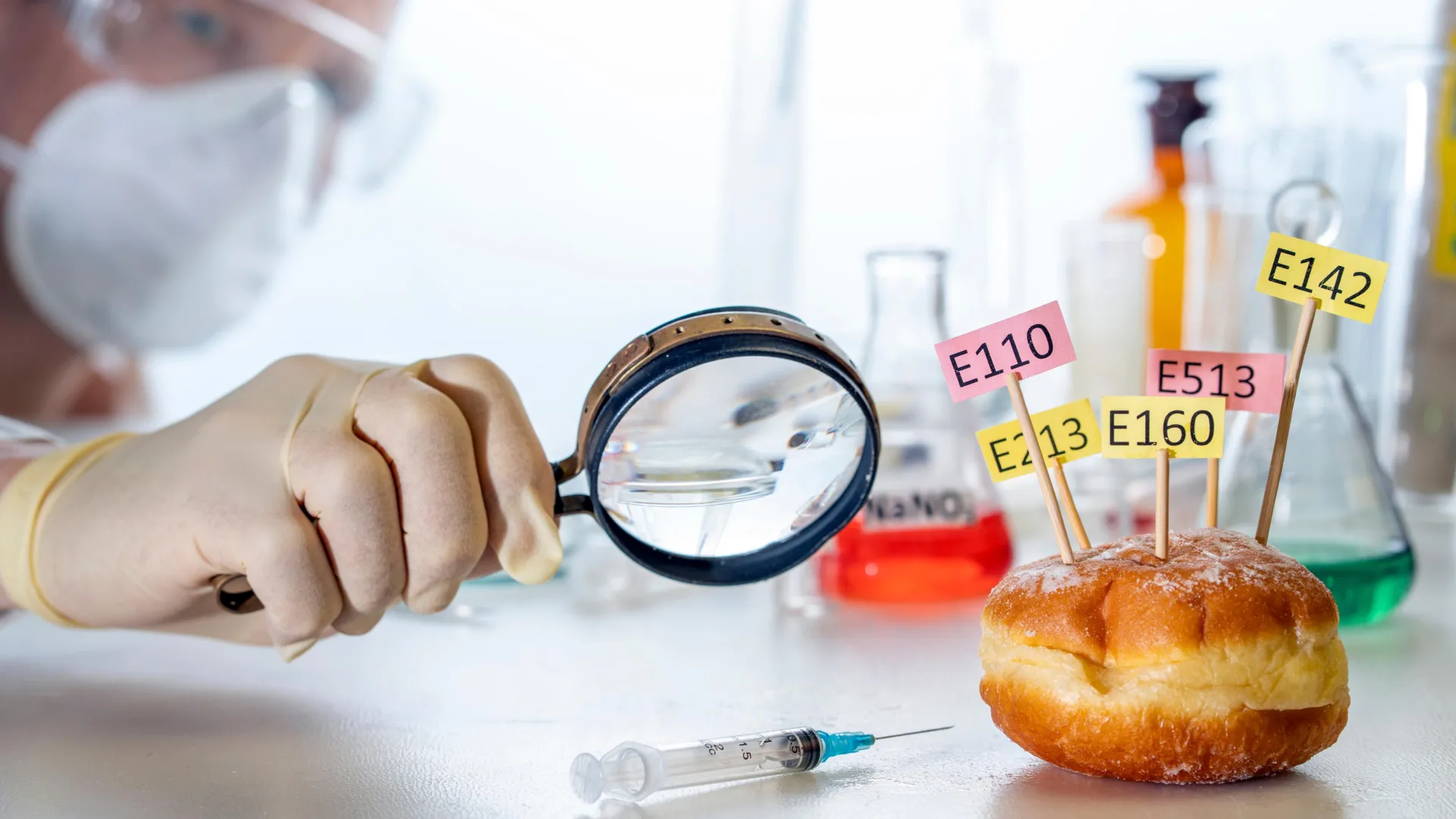
Nutrition science faces an identical predicament. We consume thousands of unmapped chemical compounds every single day through our meals. They enter our digestive tracts, circulate in our bloodstreams, and interact with our cells, yet standard nutritional research has historically been blind to them. Some of these molecules promote robust health and longevity, while others may subtly accelerate disease processes. Until recently, science had no way to track them.
Official Statements and Expert Perspectives
The paradigm shift in nutritional science has drawn commentary from leading researchers across biochemistry, microbiology, and clinical medicine.
Dr. Stephen O’Rahilly, a professor of clinical biochemistry and medicine at the University of Cambridge, notes that public health messaging has historically been handicapped by an oversimplified view of macronutrients:
"For decades, we treated food as if it were a simple ledger of proteins, carbs, and fats. We ignored the complex biochemical ecosystem hitching a ride in every bite we take. The realization that thousands of unmapped molecules are actively dictating our metabolic health changes everything about how we must study nutrition."
Microbiome researchers emphasize that the human digestive tract is not a passive pipe, but an active chemical conversion reactor. Dr. Justin Sonnenburg, a professor of microbiology and immunology at Stanford University, highlights the role of the gut microbiota in processing nutritional dark matter:
"When we eat, we aren’t just feeding ourselves; we are feeding trillions of microbial symbionts. These microbes take invisible food compounds—molecules that our human enzymes can’t touch—and transform them into potent bioactive metabolites that regulate inflammation, immune function, and neurological health."
A prime example of this metabolic conversion involves ellagic acid, a naturally occurring polyphenol found in pomegranates, walnuts, and berries. Human cells cannot directly utilize ellagic acid for cellular maintenance. However, specialized bacteria residing in the human colon metabolize ellagic acid into urolithins. These secondary metabolites have been shown in clinical and pre-clinical studies to stimulate mitophagy—the clearance of damaged mitochondria—thereby preserving cellular energy production and protecting against age-related muscle decline.
Another compelling intersection of diet, microbiome, and disease involves TMAO (trimethylamine N-oxide). When humans consume red meat and eggs, gut bacteria metabolize specific dietary compounds into trimethylamine, which the liver subsequently converts into TMAO. Elevated circulating levels of TMAO are strongly associated with an increased risk of atherosclerosis, heart attacks, and strokes.
Crucially, however, the food matrix contains mitigating elements. For instance, compounds found in garlic and other allium vegetables have been shown to inhibit the bacterial enzymes responsible for TMAO production. This demonstrates that food is not merely a collection of isolated risk factors, but an intricate web of chemical checks and balances.
Future Outlook: Mapping the Food Universe
As we look toward the future of medicine and public health, the investigation into nutritional dark matter is transitioning from theoretical biology into actionable clinical tools.
The Foodome Project and Computational Atlases
Initiatives like the Foodome Project are leading the charge to map the complete chemical topology of our food supply. By integrating high-resolution mass spectrometry with artificial intelligence and network biology, researchers are building comprehensive atlases that link specific food molecules directly to human proteins, metabolic pathways, and disease phenotypes.
The ultimate goals of mapping nutritional dark matter are profound:
- Precision Nutrition: Answering why specific dietary interventions work remarkably well for some individuals while failing entirely for others, paving the way for truly personalized nutrition based on metabolomic and microbiome profiling.
- Novel Pharmacological Discovery: Identifying bioactive food molecules that can be harnessed to develop next-generation therapeutics for metabolic syndrome, autoimmune disorders, and neurodegenerative diseases.
- Smart Food Design: Empowering the agricultural and food technology sectors to breed, cultivate, and formulate foods optimized not just for caloric yield or shelf-life, but for maximum therapeutic phytochemical diversity.
Conclusion
We are still in the absolute infancy of this scientific renaissance. Yet, the overarching message is clear: the food on our dinner plates is far more than a simple calculation of calories, macros, and vitamins. It is an extraordinarily vast, complex chemical landscape that science is only beginning to chart.
Just as mapping cosmic dark matter fundamentally transformed our understanding of the universe, uncovering nutritional dark matter is poised to transform how we eat, how we prevent and treat chronic disease, and how we define human health for generations to come.