









Executive Overview
In a monumental breakthrough that bridges microbiology, structural biology, and pharmacology, an international team of researchers has decoded how bacteria naturally manufacture diverse variants of powerful cancer-fighting drugs. Published in the esteemed journal Nature Communications, this discovery solves a scientific mystery that has perplexed biochemists for decades. By illuminating the precise mechanisms microorganisms use to assemble complex anti-cancer compounds, the findings pave the way for accelerated, human-engineered drug discovery through a process known as combinatorial biosynthesis.
For years, pharmaceutical researchers have recognized the immense potential of harnessing bacterial enzymes to custom-build novel therapeutic agents. However, translating this ambition into reality was stymied by a fundamental knowledge gap: scientists did not understand how bacterial assembly lines coordinated their work with such staggering versatility and precision. This new study details how specialized bacterial enzymes communicate and cooperate to generate families of closely related molecular structures, including Romidepsin (marketed as Istodax), an FDA-approved medication used in the treatment of specific blood cancers.
By reverse-engineering this natural "mix and match" system, researchers have established a blueprint for designing next-generation oncology therapies. The implications of this work extend far beyond a single class of drugs. By shifting the paradigm from merely observing natural biological synthesis to actively programming synthetic pathways, the scientific community is now positioned to generate optimized drug candidates boasting superior potency, heightened selectivity, and dramatically reduced toxicity profiles. This breakthrough promises to reinvigorate drug development pipelines for treatment-resistant cancers, offering new hope to patients worldwide.
Detailed Chronology of the Discovery
The journey to decoding bacterial combinatorial biosynthesis represents the culmination of years of meticulous cross-disciplinary research, combining structural biology, biochemistry, genetics, and advanced computational modeling.
Decades of Mystery: The Pursuit of Microbial Therapeutics
For over thirty years, microbiologists and organic chemists have been aware that certain soil and marine bacteria produce complex secondary metabolites with potent anti-cancer properties. Among these are cyclic depsipeptides—intricate molecules assembled from amino acid building blocks tied together with a conserved hydroxy acid pharmacophore via peptide and ester bonds.
While drugs like Romidepsin proved transformative in treating cutaneous and peripheral T-cell lymphomas, chemically related compounds—such as the promising anti-cancer candidate FR-901375—remained difficult to study because scientists could not map the biological pathways microorganisms used to create them. The missing piece of the puzzle was understanding how bacteria manage to produce slight structural variations of these molecules without breaking the overall assembly line.
Identifying the Molecular Connectors
The recent breakthrough occurred when researchers took a granular look at the protein complexes responsible for manufacturing these compounds inside bacterial cells. These massive molecular assembly lines are known as PKS-NRPS hybrids, combining the enzymatic activities of polyketide synthase (PKS) and nonribosomal peptide synthetase (NRPS).
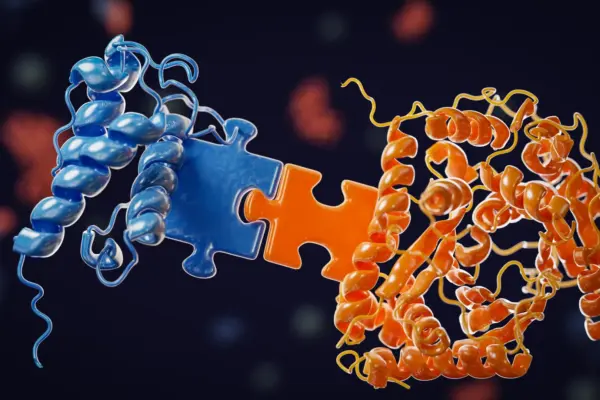
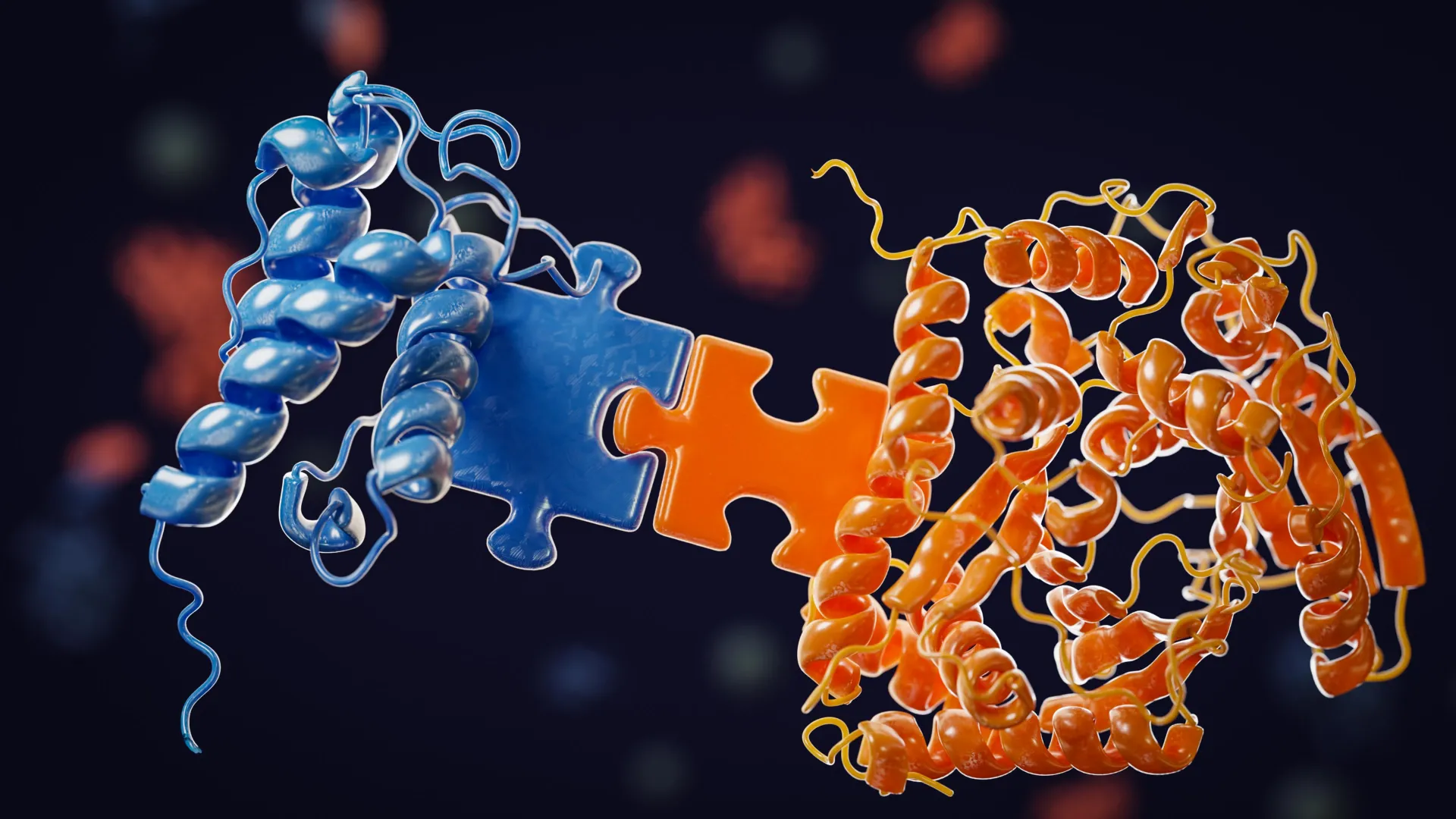
Through a combination of X-ray crystallography, cryo-electron microscopy, and computational docking models, the team discovered the secret behind the bacteria’s flexibility: tiny molecular regions termed docking domains. These domains act as dynamic connectors situated between the core drug-building machinery and the peripheral enzymes responsible for adding specific chemical components.
Crucially, these docking domains share a conserved connection point that allows a single core assembly line to interact with multiple, interchangeable enzyme partners. This plug-and-play architecture explains how bacteria can naturally generate a diverse library of related drug molecules while maintaining the stringent stereochemical precision required for the compounds to remain biologically active against cancer cells.
Mapping Evolution and Synthetic Replication
With the mechanics of the docking domains mapped, the research team traced the evolutionary origins of these systems. Genetic analysis revealed that the newly characterized drug-producing pathways likely evolved from ancestral gene clusters via ancient events involving gene duplication and recombination.
Armed with this evolutionary logic, the researchers successfully reproduced the bacteria’s underlying principles in a laboratory setting. By manipulating these docking domains in vitro, they proved that human engineers can mix, match, and modify these enzymatic components to create novel drug variants that nature never even produced on its own.
Supporting Context & Metrics: The Science of HDAC Inhibition
To fully grasp the significance of this discovery, it is essential to examine the pharmacological class of medications at the center of the study: Histone Deacetylase (HDAC) inhibitors.
The Mechanism of HDAC Inhibitors
Inside human cells, DNA is tightly wound around proteins called histones. The accessibility of this genetic material—and consequently, which genes are actively transcribed—is regulated by chemical tags, including acetyl groups. Enzymes known as histone acetyltransferases add these groups to relax chromatin structure, while histone deacetylases (HDACs) remove them, typically silencing gene expression.
In many malignancies, HDACs are aberrantly overactive, leading to the inappropriate silencing of tumor suppressor genes that regulate cell cycle arrest, differentiation, and apoptosis (programmed cell death). HDAC inhibitors, such as Romidepsin, block the action of these deacetylases, allowing tumor suppressor genes to be reactivated and halting cancer cell proliferation.
Structural Complexity and Manufacturing Challenges
Despite their therapeutic value, producing HDAC inhibitors of the cyclic depsipeptide class via traditional total chemical synthesis is exceptionally difficult, expensive, and yields low quantities due to the molecules’ complex multi-ring structures.
- The Natural Advantage: Bacteria assemble these molecules with near-perfect yield and stereospecificity using modular enzyme complexes.
- The Scale of the Problem: A typical PKS-NRPS hybrid system can span hundreds of thousands of base pairs, encoding massive proteins that must fold precisely and interact transiently without stalling.
- The Missing Link: Until this study, synthetic biologists lacked the precise structural blueprints required to swap out modules within these bacterial factories without crashing the entire biosynthetic process.
By revealing how docking domains mediate protein-protein communication across these massive PKS-NRPS complexes, the Warwick-Monash team has essentially provided the wiring diagram for microbial biosynthesis.
Official Statements & Expert Insights
The implications of this research have drawn praise from leading figures in the international scientific community, highlighting the collaborative and transformative nature of the discovery.
Dr. Munro Passmore, First Author and Research Fellow in the Department of Chemistry at the University of Warwick, emphasized the profound shift this discovery represents for synthetic biology:
"For decades, we’ve known that bacteria can naturally produce multiple versions of powerful anti-cancer drugs, yet we had no idea how they achieved this. This work finally cracks that code. We’ve identified how the different enzymes communicate and cooperate to produce these drug variants, something that has eluded researchers because the system is so elegantly economical. It’s the breakthrough we needed to actually engineer these drugs ourselves."
Echoing these sentiments, Professor Greg Challis—Monash Warwick Alliance Professor of Sustainable Chemistry at the University of Warwick and Monash University—outlined the strategic vision moving forward:
"This research gives us a blueprint to do what nature does, but better and faster. By reverse-engineering nature’s evolutionary logic, we can now design synthetic pathways that generate new anti-cancer drug candidates with properties optimized for clinical use, such as superior potency, improved selectivity, and fewer side effects. Our immediate goal is to build an expanded library of candidates for various cancers where new treatments are urgently needed. This discovery is moving us from understanding how the systems work to building new ones."
The collaborative framework between the University of Warwick and Monash University was critical in uniting expertise across chemistry, structural biology, and computational modeling, proving that complex interdisciplinary challenges require borderless scientific partnerships.
Future Outlook: Transforming Oncology and Synthetic Biology
As the dust settles on this landmark publication, the pharmaceutical research community is already looking toward the horizon. The transition from passive observation to active engineering of bacterial biosynthesis platforms marks a watershed moment for modern medicine.
Immediate Applications and Drug Libraries
The immediate priority for the research team is the construction of an expansive library of novel anti-cancer candidates. By utilizing the newly discovered principles of docking domain flexibility, scientists can deliberately introduce mutations and swaps into the bacterial assembly lines. This will allow them to rapidly generate hundreds of structural analogs of Romidepsin and FR-901375 that have never been tested in human medicine.
These candidates will then be screened against panels of treatment-resistant cancer cell lines, focusing particularly on aggressive solid tumors and hematological malignancies that currently lack effective therapeutic interventions.
Beyond Cancer: A Universal Blueprint
While this study specifically targeted anti-cancer depsipeptides, the underlying architectural principles discovered by the team apply broadly across the entire spectrum of natural product biosynthesis.
PKS-NRPS hybrid systems are responsible for producing a vast array of clinically vital microbial metabolites, including:
- Antibiotics used to combat multi-drug resistant bacterial infections.
- Immunosuppressants utilized in organ transplantation.
- Antifungal agents deployed in critical care medicine.
By cracking the code of how these modular enzymes communicate via docking domains, researchers have unlocked a universal design paradigm. In the coming years, bioengineers expect to apply these same rules to reprogram antibiotic-producing bacteria, potentially generating new classes of antimicrobial drugs capable of staying ahead of rapidly mutating superbugs.
Commercialization and Scalability
From a manufacturing perspective, harnessing engineered bacteria offers a sustainable, green-chemistry alternative to petrochemical-heavy total synthesis. Microbial fermentation can be scaled up in bioreactors, turning renewable feedstocks into complex, life-saving therapeutics with a fraction of the environmental footprint.
As synthetic biology continues to merge with artificial intelligence and machine learning—predicting how protein structural changes will impact drug binding affinity—the timeline from genetic design to clinical trial candidate is set to shrink dramatically.
In summary, by decoding the elegant, economical communication system hidden within microbial protein complexes, researchers have transformed bacteria from passive producers of natural remedies into active co-authors of the future of medicine. The battle against cancer has gained a powerful new frontier, forged in the microscopic workshops of the bacterial world.