







Executive Overview
In a discovery that fundamentally challenges long-held assumptions regarding the evolutionary trajectory of animal immune systems, an international research team has uncovered an entirely novel antiviral defense mechanism in sea anemones. Published in the peer-reviewed journal Nature Ecology & Evolution, the study reveals that these ancient marine invertebrates utilize a molecular defense architecture that is at once strikingly familiar and paradoxically inverted when compared to vertebrate biology.
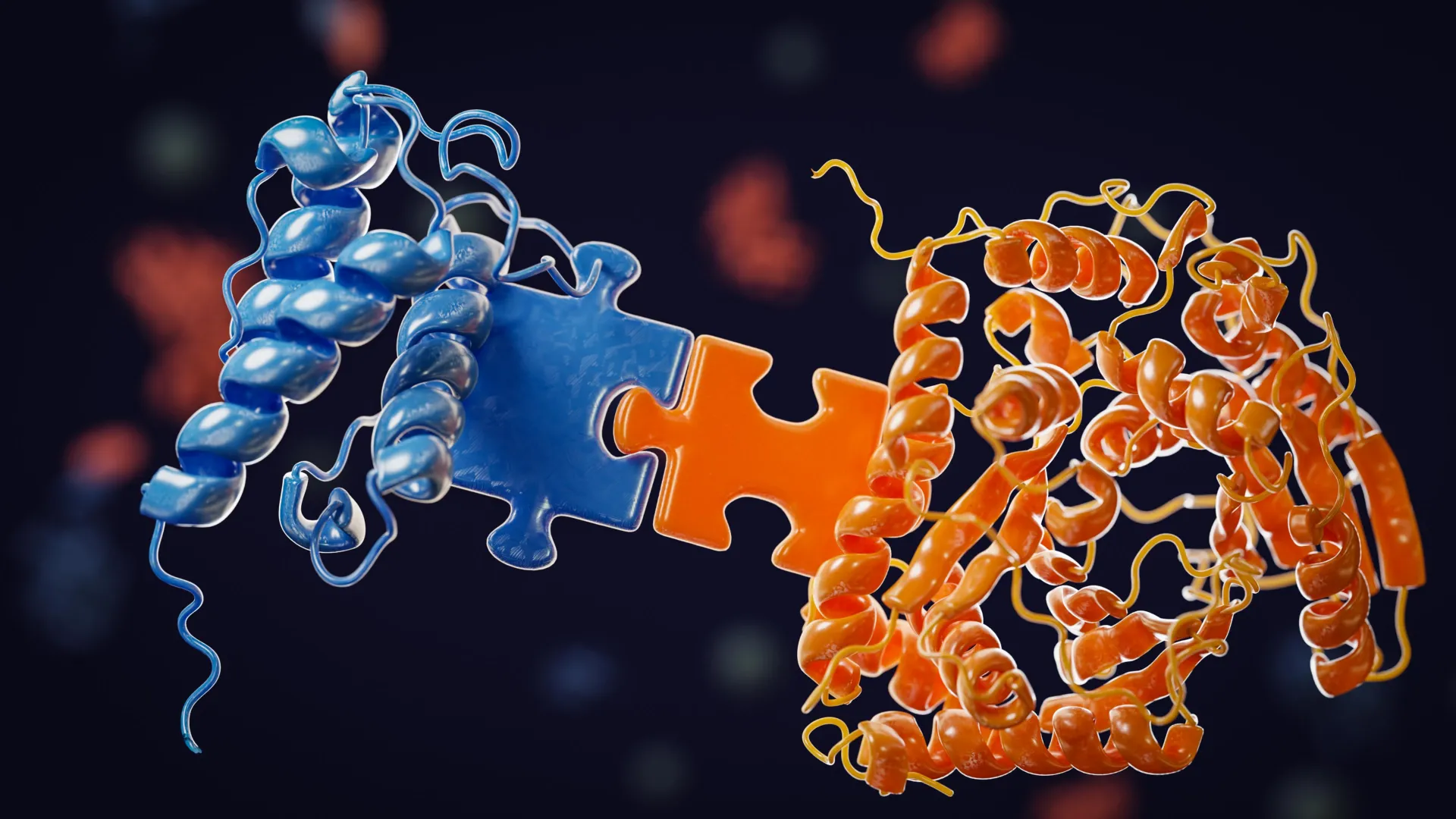
At the center of this discovery is a newly identified protein designated as CARDIB (CARD Inhibitor Binding protein). Despite bearing a close structural resemblance to MAVS—one of the most critical and well-characterized antiviral proteins found in humans and other vertebrates—CARDIB performs the exact operational opposite. Rather than acting as a molecular tripwire to ignite a defensive immune cascade, CARDIB serves as a negative regulator, a cellular brake that actively suppresses the immune response under basal conditions.
Yet, in a display of evolutionary ingenuity that upends classical immunological paradigms, this suppression is mandatory. When researchers utilized CRISPR-Cas9 gene editing to knock out the CARDIB gene, the sea anemones did not become more resilient; instead, they lost their capacity to mount an effective defense, permitting viral pathogens to proliferate unchecked. Field tests conducted in natural estuarine enclosures further validated these findings, demonstrating that this counterintuitive immune "brake" is vital for survival in the wild.
Led by PhD candidate Ton Sharoni and Professor Yehu Moran of the Hebrew University of Jerusalem, in close collaboration with researchers from the University of North Carolina at Charlotte, this investigation shatters the prevailing monophyletic view of immunity. For decades, immunologists operated under the working hypothesis that modern animals inherited a single, core antiviral defense system from a common ancestor. This research suggests a far more pluralistic evolutionary reality: nature has engineered multiple, distinct molecular solutions to solve the universal biological challenge of viral infection.
Detailed Chronology
The Genesis of the Inquiry: Questioning MAVS and Deep Ancestry
The project began with a fundamental question in evolutionary biology: How old is the vertebrate immune system, and where did its foundational components originate?
In humans and other jawed vertebrates, the innate immune system relies heavily on pattern recognition receptors to detect the molecular signatures of invading viruses. Once a viral threat is flagged, a mitochondrial protein known as MAVS (Mitochondrial Antiviral Signaling protein) acts as a crucial downstream signaling hub. MAVS aggregates to trigger massive downstream inflammatory and antiviral pathways, most notably involving interferons, to clear the infection.
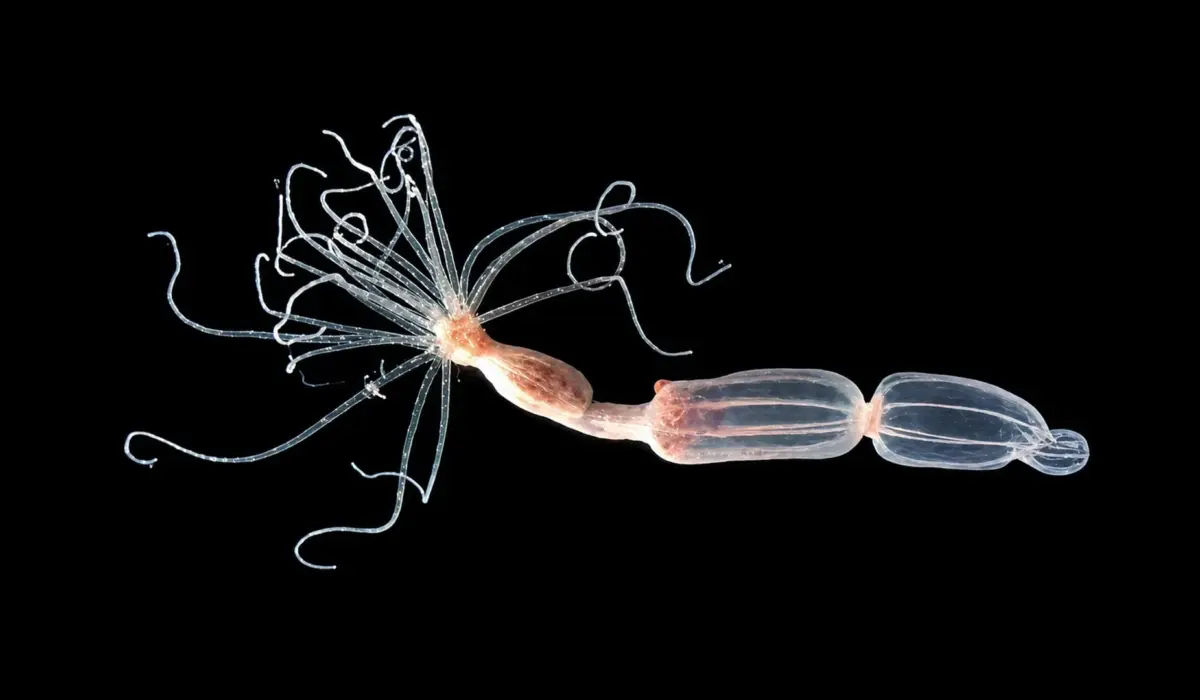
To determine whether this sophisticated signaling architecture predates the vertebrate lineage, the research team turned to Anthozoa—a class of marine invertebrates that includes sea anemones, corals, and jellyfish. Evolutionary timelines indicate that sea anemones diverged from the common ancestor shared with humans more than 600 million years ago. Because they occupy a critical branch on the tree of life, these ancient organisms serve as living archives, preserving physiological and genetic strategies that predate the explosion of complex body plans during the Cambrian period.
Discovery of CARDIB: An Evolutionary Plot Twist
During genomic screening of the starlet sea anemone (Nematostella vectensis), Sharoni and Moran isolated a gene sequence coding for a protein that immediately captured their attention. Structurally, the protein featured a CARD (Caspase Activation and Recruitment Domain) motif that bore a remarkably high degree of sequence and structural homology to human MAVS.
Given this high structural fidelity, the working hypothesis was straightforward: the protein was likely the ancestral ortholog of MAVS, executing a similar pro-inflammatory and antiviral signaling function in cnidarians.
However, functional assays in the laboratory quickly dismantled this assumption.
"Everything about CARDIB suggested it should function like MAVS," recounted Prof. Yehu Moran. "Instead, we discovered that it does the exact opposite. Rather than activating antiviral defenses, CARDIB normally suppresses them."
This unexpected functional inversion transformed the project from a routine homology mapping exercise into an investigative puzzle. Why would an organism utilize a structural mimic of an immune activator to downregulate its own defense mechanisms?
Unlocking the Brake: CRISPR-Cas9 Interventions
To decipher the physiological role of CARDIB, the research team deployed CRISPR-Cas9 gene-editing technology to create targeted loss-of-function mutations in sea anemone embryos, effectively generating lines of animals devoid of the CARDIB gene.
With the molecular "brake" removed, the researchers anticipated that the sea anemones might exhibit heightened resistance to viral pathogens. Instead, the experimental outcomes were entirely counterintuitive. When exposed to viral challenges, the CARDIB-knockout sea anemones displayed a catastrophic failure in immune coordination.
Rather than mounting a robust defense, the edited animals were profoundly more susceptible to infections. Viruses replicated at exponentially higher rates within their tissues, and the organisms failed to properly mobilize the secondary transcriptional networks required to neutralize the pathogens.
- "The results were completely counterintuitive," noted Sharoni. [Although CARDIB acts as a brake on the immune system under normal conditions, that brake turns out to be essential for mounting an effective antiviral response.]
This discovery revealed a sophisticated nuance in cnidarian immunology: uncontrolled, hyper-active immune responses can be as detrimental to cellular homeostasis as no response at all. Just as a vehicle requires brakes to navigate a winding road safely, the sea anemone requires CARDIB to fine-tune its antiviral signaling, preventing immunopathology while ensuring that defenses can be deployed with precise, calibrated force when a genuine threat materializes.
Bridging Lab and Nature: Mesocosm Validation
Skeptical that laboratory findings might not fully capture the pressures of natural ecosystems, the research team designed an ambitious field validation phase.
Laboratory-reared, genetically modified sea anemones were transferred from sterile aquaria to outdoor marine mesocosms. These mesocosms were continuously supplied with natural estuarine water from South Carolina, exposing the test subjects to the complex microbial soup, fluctuating salinity, and diverse viral populations characteristic of their native habitats.
The ecological data confirmed the laboratory hypotheses with striking clarity. Within days of exposure to natural environmental pathogens, the CARDIB-deficient sea anemones accumulated substantially higher viral loads than their wild-type counterparts. Furthermore, the field trials revealed that certain auxiliary immune genes—which appeared to play only minor, marginal roles in controlled lab assays—became critical determinants of survival under natural ecological pressures.
This phase of the study cemented the conclusion that the CARDIB-mediated pathway is not an evolutionary anomaly or a laboratory artifact, but a biologically indispensable mechanism forged by natural selection to ensure survival against real-world viral ecosystems.
Supporting Context & Metrics
To appreciate the magnitude of this discovery, it is necessary to examine the broader phylogenetic and molecular context of animal immunology.
| Metric / Parameter | Research Detail | Biological Significance |
|---|---|---|
| Divergence Time | $>600$ million years ago | Represents the evolutionary distance between humans and sea anemones, highlighting the ancient origins of disparate immune strategies. |
| Key Protein Investigated | CARDIB (CARD Inhibitor Binding protein) | A structural analog to vertebrate MAVS that performs a negative regulatory (suppressive) function. |
| Experimental Model | Nematostella vectensis (Starlet sea anemone) | A premier invertebrate model organism for studying developmental and evolutionary biology. |
| Gene Editing Technique | CRISPR-Cas9 knockout | Allowed precise removal of the CARDIB gene to observe loss-of-function phenotypes in vivo. |
| Field Testing Environment | Outdoor marine mesocosms (South Carolina) | Exposed modified animals to natural estuarine viruses and microorganisms to test ecological validity. |
The Myth of the Universal Immune Blueprint
For decades, textbooks have implied a linear model of immunological evolution: as multicellular animals evolved, a core set of pathogen-recognition receptors and signaling pathways was established and conserved across taxa. While certain elements—such as Toll-like receptors and basic apoptosis machinery—show remarkable deep conservation, the discovery of the CARDIB pathway reinforces a paradigm shift known as convergent and divergent mosaic evolution.
Rather than inheriting a singular, perfected blueprint for antiviral defense, different animal phyla appear to have acted as biological tinkerers. Starting with available protein domains (such as the Caspase Activation and Recruitment Domain, or CARD), evolution repeatedly combined, inverted, and re-wired these molecular components to meet local physiological demands.
In vertebrates, MAVS evolved to drive rapid, inflammatory, and interferon-mediated responses. In anthozoans, a protein sharing similar structural scaffolding was co-opted to serve as an inhibitory check-valve, maintaining immune homeostasis until specific thresholds of viral invasion are breached.
Official Statements
The implications of this study extend far beyond marine biology, touching on the fundamental philosophy of how life solves complex biophysical problems. In statements accompanying the publication, lead investigators elaborated on the paradigm-shifting nature of their findings.
"Humans and sea anemones both need protection from viruses, but this work shows that evolution can organize those defenses in fundamentally different ways," stated Prof. Yehu Moran, head of the Department of Ecology, Evolution and Behavior at the Hebrew University of Jerusalem.
Moran emphasized the necessity of looking beyond standard model organisms: "This discovery underscores the importance of exploring the remarkable diversity of life outside traditional laboratory walls. Ancient organisms such as sea anemones preserve evolutionary innovations that would remain completely hidden if scientists focused solely on humans, mice, and other commonly studied model species."
Ton Sharoni, lead author and PhD candidate driving the empirical work, highlighted the philosophical lesson embedded within the data:
"Biology rarely operates in simple binaries of ‘on’ and ‘off.’ Our work with CARDIB proves that evolution often achieves protection not by accelerating every cellular engine, but by engineering sophisticated regulatory brakes that direct the immune response with surgical precision."
Future Outlook
The identification of the CARDIB pathway in Nematostella vectensis opens several transformative avenues for future research across multiple scientific disciplines:
1. Broadening the Invertebrate Immunological Atlas
The research team plans to expand their investigations to other early-diverging metazoans, including corals, sponges, and ctenophores (comb jellies). By mapping the distribution of CARDIB-like inhibitory proteins across these lineages, scientists can reconstruct the precise timeline of when and how negative immune regulation evolved in multicellular life. This mapping may reveal an entire shadow world of ancient immunological pathways that parallel, intersect with, or completely bypass vertebrate paradigms.
2. Biomedical and Pharmacological Inspirations
While sea anemones are phylogenetically distant from humans, understanding how nature manages negative immune regulation has profound translational potential. Many human pathologies—including autoimmune diseases, chronic inflammatory disorders, and cytokine release syndromes (such as those observed during severe viral infections or sepsis)—are driven by an overactive, poorly regulated immune system.
By studying how organisms like sea anemones utilize proteins like CARDIB to safely suppress and calibrate immune activity without inducing immunopathology, pharmacologists may glean bio-inspired design principles for novel immunosuppressive therapeutics or therapies designed to fine-tune human inflammatory responses.
3. Marine Conservation and Climate Resilience
As global marine ecosystems face unprecedented stress from rising ocean temperatures, pollution, and shifting pathogen dynamics, understanding the fundamental immune architecture of foundational reef-building species (corals and sea anemones) is more urgent than ever. Environmental stressors often compromise cnidarian immunity, leading to devastating bleaching and disease outbreaks. Unlocking the molecular details of how these organisms defend against viral and microbial pathogens provides critical baseline data for marine biologists striving to protect vulnerable coral reefs in a warming world.
Conclusion
The Hebrew University-led study serves as a timely reminder of the vast, uncharted complexity of the natural world. By daring to look backward over 600 million years of evolutionary history into the tissues of a humble sea anemone, scientists have dismantled the dogma of a single, universal animal immune system. In doing so, they have revealed an elegant biological truth: when faced with the relentless pressure of viral evolution, nature is infinitely inventive, capable of constructing sophisticated, life-saving defenses out of the most unexpected molecular building blocks.