









Executive Overview
For decades, a silent and devastating pandemic has swept across the globe, bringing countless species of frogs, toads, and salamanders to the precipice of extinction. The culprit is Batrachochytrium dendrobatidis (Bd), a virulent chytrid fungus that destroys amphibian skin, crippling their ability to osmoregulate essential water, salts, and minerals. While the ecological toll has been catastrophic, a glimmer of hope has emerged from the rugged lakes of the Pyrenees.
In a groundbreaking study published in the journal Nature Chemical Biology, an international consortium of researchers from University College London (UCL), ZSL (Zoological Society of London), and Imperial College London has unlocked a major evolutionary mystery. The research reveals why certain amphibian populations manage to rebound from devastating Bd outbreaks while others continue to collapse. The key differentiator is not merely the presence of chemical defenses, but the timing of their development.
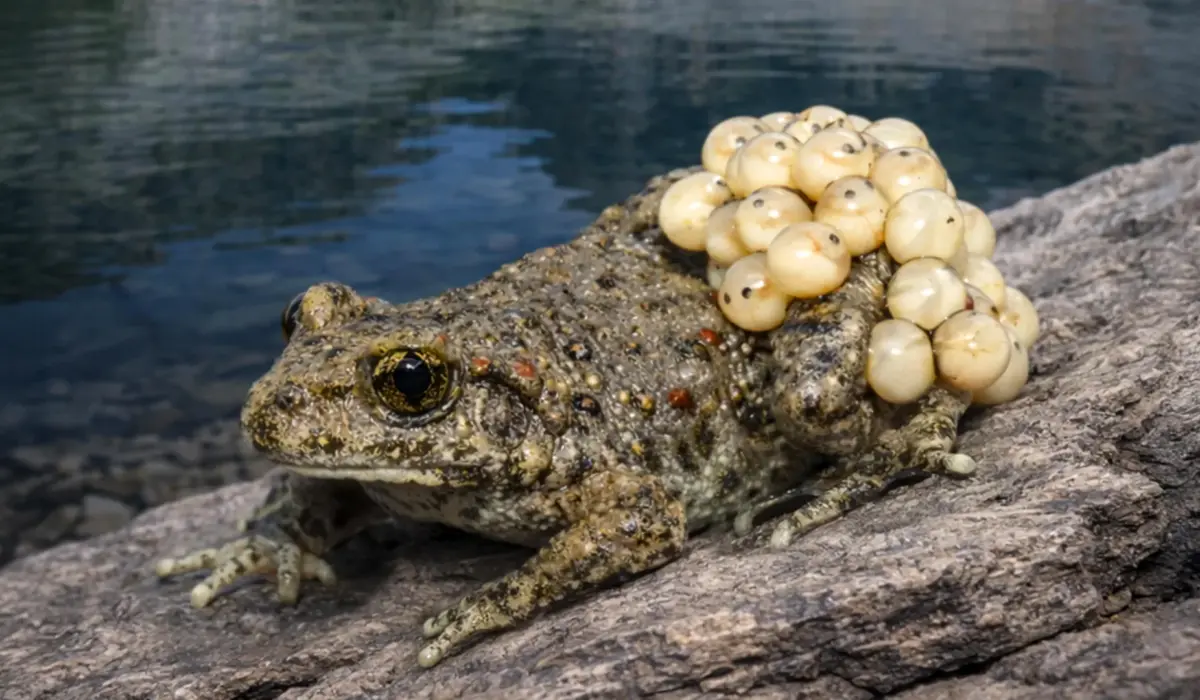
Amphibians are uniquely vulnerable during metamorphosis, transitioning from aquatic larvae protected by non-keratinized skin to terrestrial adults possessing the keratinized tissue that the chytrid fungus actively consumes. However, scientists discovered that recovering populations of common midwife toads (Alytes obstetricans) have adapted by front-loading their biological defenses. These populations develop critical antimicrobial peptides during their tadpole stage, long before they morph into vulnerable adults.
Furthermore, by deploying cutting-edge tandem mass spectrometry, the research team cataloged a staggering 1,152 distinct immune peptides—1,145 of which were previously entirely unknown to science. This vast biochemical arsenal not only explains how certain amphibians are beating the chytrid pandemic, but it also opens up thrilling new avenues for human medicine. As global healthcare systems grapple with the terrifying rise of antimicrobial resistance (AMR), these newly sequenced natural peptides could serve as templates for next-generation therapeutics. This comprehensive report explores the scientific breakthroughs, the underlying chronologies, the biochemical metrics, and the profound ecological and medical implications of this landmark research.
Detailed Chronology
To understand how researchers arrived at these transformative conclusions, it is necessary to trace the timeline of the investigation, the historical context of the Bd pandemic, and the step-by-step methodology deployed in the field and the laboratory.
The Backdrop of a Global Crisis
The chytrid fungus Batrachochytrium dendrobatidis has long been recognized as one of the most destructive wildlife pathogens in modern history. First formally described in the late 1990s, Bd is responsible for chytridiomycosis, a lethal skin disease that disrupts cutaneous respiration and electrolyte transport. Because amphibians absorb water and vital ions directly through their skin, the pathogenic lesions caused by Bd lead to cardiac arrest and death.
While tadpoles possess skin rich in mucus and poor in keratin—the fibrous structural protein that Bd relies on for sustenance—the metamorphosis into adulthood triggers a radical transformation. As the epidermis becomes heavily keratinized, the young toads and frogs become prime targets for the fungus. Mass die-offs frequently accompany this life-stage transition, emptying ponds and threatening entire ecosystems.
Fieldwork in the Pyrenees
To determine why certain populations possess resilience while others perish, researchers turned their attention to the Pyrenees mountain range spanning France and Spain. Specifically, they studied common midwife toad populations distributed across four high-altitude lakes. All four locations had a documented history of severe, catastrophic Bd outbreaks.
However, a stark ecological dichotomy had emerged over time:
- The Struggling Site: At one of the monitored lakes, the midwife toad population continued to suffer continuous declines, teetering on the brink of local extinction. Despite environmental persistence of the fungus, no natural recovery had taken place.
- The Rebounding Sites: At the remaining three lakes, the toad populations had undergone a remarkable resurgence. Even though the pathogen was still actively present in the water and surrounding soil, the toad numbers had rebounded robustly, demonstrating clear signs of evolutionary adaptation or physiological resilience.
Unlocking the Molecular Defense Mechanism
Equipped with field samples, the research team—led by Dr. Phillip Jervis—focused on antimicrobial peptides (AMPs). These are short chains of amino acids naturally secreted by amphibian skin glands to ward off bacterial, fungal, and viral invaders.
Using advanced biochemical analysis, the team tracked the production of these peptides across different life stages. The results were definitive:
- The Resilient Strategy: Toads originating from the three recovering lakes were found to activate and produce antimicrobial peptides much earlier in their life cycle. These defensive chemicals were already being synthesized while the organisms were still in their aquatic tadpole phase. By the time metamorphosis occurred and they developed keratinized adult skin, their immune systems were fully armed.
- The Vulnerable Strategy: Conversely, toads from the dwindling, near-extinct population produced significantly lower quantities and a narrower diversity of these protective peptides during their larval stage. Entering adulthood underequipped, they fell immediate victim to the circulating fungus.
High-Throughput Mass Spectrometry Discovery
To map out the exact biochemical profiles of these amphibian defenses, the research team utilized tandem mass spectrometry at UCL Chemistry. Mass spectrometry is an analytical technique used to measure the mass-to-charge ratio of ions, allowing scientists to identify and quantify molecules with exceptional precision.
By breaking down the extracted skin peptides into smaller fragments, measuring those fragments, and computationally reconstructing their amino acid sequences, the team mapped the molecular landscape of the toads’ immune systems. This high-throughput approach—traditionally reserved for advanced human oncology and proteomics—yielded an unprecedented dataset. Out of 1,152 distinct peptides identified across the samples, an astounding 1,145 were entirely novel to science, dwarfing the seven peptides previously cataloged in this species.
Supporting Context & Metrics
The quantitative findings of the study provide deep insights into both evolutionary biology and chemical pharmacology. The data underscores the vastness of nature’s biochemical library and highlights clear correlations between molecular diversity and survival probability.
Quantitative Breakdown of the Findings
| Research Metric | Recorded Data / Observation | Scientific Implication |
|---|---|---|
| Total Peptides Identified | 1,152 unique peptide structures | Demonstrates a vastly more complex immune system than previously assumed. |
| Previously Known Peptides | Only 7 peptides | Highlights how much of wildlife biochemistry remains unmapped. |
| Novel Peptides Discovered | 1,145 new molecules | Represents a massive library of candidate compounds for future pharmaceutical use. |
| Key Variable in Survival | Timing of immune peptide expression | Proves that when immunity develops is more critical than mere presence in adulthood. |
| Field Study Locations | 4 high-altitude lakes in the Pyrenees | Provided a natural laboratory comparing declining vs. recovering populations. |
| Primary Pathogen | Batrachochytrium dendrobatidis (Bd) | The causative agent of chytridiomycosis responsible for global amphibian declines. |
The Ecological Pressures Driving Early Maturation
While the discovery of early immune maturation explains how the toads survive, it raises a compelling evolutionary question: What forces prompted some populations to develop their defenses earlier while others failed to do so?
Dr. Phillip Jervis and his colleagues have highlighted several potential environmental drivers that require urgent follow-up investigation:
- Genetic Predisposition: Certain populations may have undergone rapid natural selection, favoring genetic mutations that trigger early peptide expression pathways in the endocrine or immune systems.
- Temperature Variations: High-altitude alpine environments experience distinct thermal fluctuations. Temperature can drastically alter metabolic rates, pathogen replication speeds, and immune responsiveness in ectothermic animals.
- Ecological Pressures (Predator Stress): The presence of introduced predators, such as trout, poses a severe existential threat to tadpoles. To escape predatory fish, tadpoles may be forced to accelerate their development, rushing through metamorphosis to leave the water sooner. However, this forced acceleration can rob the animal of the crucial time needed to fully mature its antimicrobial defenses, creating an evolutionary trade-off between avoiding predators and surviving fungal pathogens.
Official Statements
The implications of this research have resonated strongly across the academic, ecological, and biochemical communities. Key leaders of the research consortium shared their insights regarding the dual impact of the study on wildlife conservation and human medicine.
Lead author Dr. Phillip Jervis (UCL Chemistry, ZSL Institute of Zoology, and Imperial College London) emphasized the hopeful message for endangered species:
"Our study shows species that have declined heavily from this disease can still recover. They have the tools to fight off infection—it just depends on timing. The disease kills toads and frogs as they turn from tadpoles to adults. Getting mature immunity at the tadpole stage helps these toads survive and the population to continue."
Addressing the next phases of ecological fieldwork, Dr. Jervis added:
"The next step is to look at what factors prevent these immune systems from maturing early. This could be down to genetics or environmental factors such as temperature or the presence of trout—a major danger for tadpoles that could drive them to develop into adults faster so they can leave the water, meaning less time for their immune system to develop."
Senior author Professor Alethea Tabor (UCL Chemistry) highlighted the unexpected scale of the biochemical discovery and its profound potential to address human health crises, particularly antimicrobial resistance (AMR):
"We discovered a far greater diversity of peptides than we expected. We now need to understand how they work to control pathogens and which ones are anti-microbial. A lot of medicines for humans were initially found in the natural world—penicillin came from fungi, for example. So these peptides are new leads that could be used to help human health, especially as we have our own problems as a species with the rise of antimicrobial resistance, which is requiring us to find new ways to treat infections."
Co-author Dr. Kersti Karu (UCL Chemistry) discussed the technological leap required to uncover these molecules, noting how cross-disciplinary methodologies are transforming biological research:
"The ability to analyze hundreds to thousands of molecules in parallel has only emerged over the past decade. This approach is more commonly applied in human health research, for example to distinguish cancer cells from normal tissue, but is increasingly being extended to other areas of biological investigation."
Future Outlook
As the scientific community digests the revelations of the Pyrenean toad study, the research opens up two distinct yet deeply interconnected frontiers: saving vulnerable wildlife and discovering novel human therapeutics.
1. Wildlife Conservation and Population Management
On the ecological front, understanding the mechanics of natural resistance shifts conservation strategies away from passive observation toward active intervention. Conservationists can now assess wild amphibian populations by screening tadpoles for early peptide expression.
- Targeted Breeding Programs: Captive breeding initiatives can be tailored to select for lines that exhibit early immune maturation.
- Environmental Management: Mitigating secondary stressors—such as removing invasive predatory trout from alpine lakes—can give tadpoles the time they need to mature their immune defenses naturally without feeling evolutionary pressure to rush metamorphosis.
- Probiotic and Immunological Promoters: Future conservation toolkits might include treatments that artificially stimulate early peptide production in struggling populations, effectively mimicking the resilience observed in the recovering Pyrenean lakes.
2. Combating Human Antimicrobial Resistance (AMR)
Perhaps the most far-reaching implication of the study lies in pharmacology. The World Health Organization (WHO) has repeatedly identified antimicrobial resistance as one of the top ten global public health threats facing humanity. As traditional antibiotics lose their efficacy against mutating bacterial strains, the search for novel antimicrobial compounds has become critical.
The 1,145 newly sequenced peptides discovered on amphibian skin represent an untouched goldmine of bioactive molecules. Because these peptides evolved specifically to neutralize environmental pathogens like Bd, many possess potent antimicrobial and antifungal properties. Translating these natural molecular blueprints into clinically viable human drugs could provide physicians with entirely new classes of therapeutics designed to combat drug-resistant infections.
Conclusion
The survival story of the Pyrenees midwife toads is a testament to the dynamic power of evolutionary adaptation. By shifting the timeline of their immune development, these amphibians have found a way to outpace a global pathogen that has devastated their kin across continents. At the same time, cutting-edge analytical chemistry has transformed a study on frog skin into a major bridge between wildlife ecology and human medicine. Funded by the UK’s Natural Environment Research Council (NERC) and the Leverhulme Trust, this research proves that nature still holds profound secrets—secrets that, if properly understood, can heal both the natural world and ourselves.