




Executive Overview
For nearly three decades, a pair of unusual molecules extracted from rye pollen sat as an unresolved puzzle in the annals of pharmaceutical science. First identified in the mid-1990s for their intriguing ability to slow tumor growth in animal models, these compounds—known as secalosides A and B—offered a tantalizing glimpse into a potential non-toxic mechanism for fighting cancer. Yet, despite their early promise, the research ground to an absolute halt. The scientific community found itself locked behind a technological and structural barrier: no one could determine the exact three-dimensional architecture of the molecules.
Without a precise molecular blueprint, researchers could not map how these natural compounds interacted with biological targets, nor could they synthesize them reliably in a laboratory to test their efficacy on a larger scale. The trail went cold, relegated to the status of a biochemical curiosity.
Now, a team of chemists at Northwestern University has shattered that decades-long roadblock. By pioneering a complex process of total synthesis—building the molecules entirely from scratch in the lab—the research team has definitively confirmed the precise chemical structures of secalosides A and B for the very first time.
Published in the Journal of the American Chemical Society, this breakthrough bridges a 30-year knowledge gap. With the correct structural map now in hand, the scientific community can finally investigate the precise mechanics by which these rye-derived compounds interact with the human immune system. While the molecules themselves are not yet ready for the pharmacy shelf, this milestone acts as a critical launching pad. It enables medicinal chemists to design, refine, and optimize synthetic versions of these compounds, opening up radical new paradigms in oncology and targeted cancer treatment.
Detailed Chronology: Solving a Decades-Long Molecular Puzzle
The story of secalosides A and B is a testament to the perseverance required in modern chemical biology. It highlights how natural product discovery often operates on a multi-generational timeline, requiring technological leaps that span decades.
1. The 1990s: The Initial Discovery and the Impasse
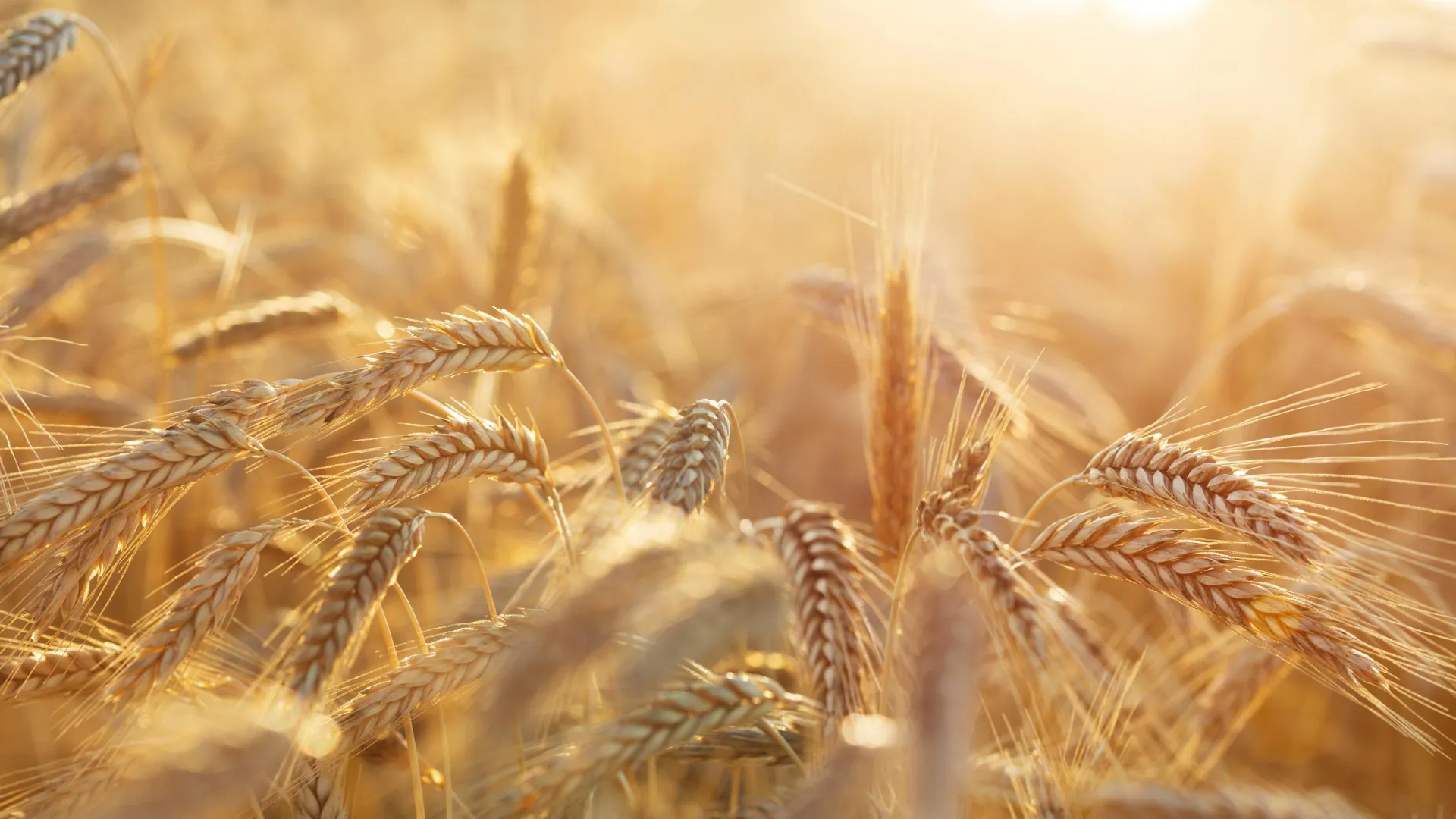
Nearly 30 years ago, natural product researchers screening plant extracts made a surprising observation: crude extracts derived from the pollen of rye (Secale cereale), a cereal crop widely cultivated across the globe for its resilient grain, exhibited anti-tumor properties in animal models. Unlike many aggressive chemotherapies that ravage healthy tissue alongside cancerous cells, these rye pollen extracts appeared to help animal models clear tumors through an unknown, remarkably non-toxic mechanism.
Excitement surged through the labs. However, enthusiasm quickly turned to frustration. When scientists attempted to isolate the active components—which they named secalosides A and B—they ran straight into the limits of 20th-century analytical chemistry.
2. The Spectroscopic Standoff
Traditional analytical techniques, including advanced nuclear magnetic resonance (NMR) spectroscopy and X-ray crystallography, failed to fully resolve the spatial arrangement of the atoms within the molecules. Specifically, scientists were locked in a decades-long debate over two competing structural models.
Both proposed models contained the exact same atoms, connected in the same fundamental sequence, sharing an identical overall topological shape. However, they differed by a subtle yet profound spatial distinction: a single critical region existed as a mirror image in each model.
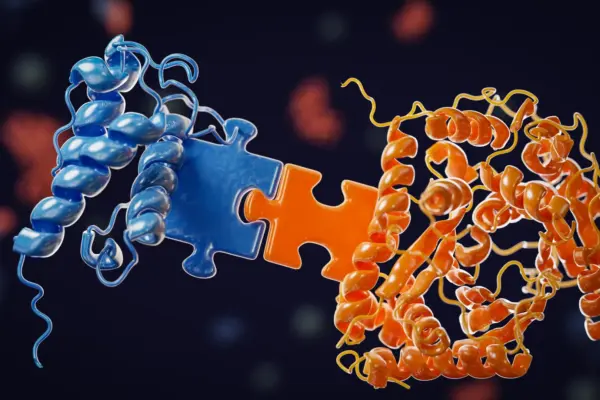
To use a familiar macroscopic analogy, Karl A. Scheidt, who led the Northwestern research team, compared the dilemma to human hands. "They are mirror images of each other, but you need a different glove for each," Scheidt explained. "If you had two left-handed gloves, it wouldn’t work because your hands can’t be superimposed on top of one another."
In the microscopic world of cellular biology, this stereochemical difference is everything. A receptor on a cell surface is a glove; a drug molecule is the hand. If the stereochemistry is even slightly wrong, the molecule will fail to bind to its target, rendering it completely biologically inert—or worse, triggering unintended off-target side effects. Because scientists could not definitively prove which mirror-image configuration was correct, biological testing ground to a halt. Drug development cannot proceed on a fifty-fifty guess.
3. The Breakthrough: Building from Scratch
To break this 30-year stalemate, the Northwestern team realized they could not rely on extracting more material from rye pollen; they had to construct the molecules themselves via total synthesis.
Total synthesis is the complete, multi-step chemical construction of a complex target molecule from simple, commercially available chemical precursors. It is widely considered one of the highest arts in organic chemistry. In the case of secalosides A and B, the challenge was exceptionally high. The molecules harbor an extremely rare, highly strained 10-membered ring at their core. In organic chemistry, rings of this specific size are notoriously unstable and tightly compressed, making them thermodynamically resistant to formation.
To circumvent this hurdle, the Northwestern chemists engineered an innovative synthetic pathway. Instead of attempting to force the atoms directly into the tight 10-membered geometry, they first synthesized a larger, more flexible intermediate ring structure. Once this stable precursor was established, they triggered a carefully controlled chemical cascade that compressed and locked the structure into the smaller, strained ring in a single, elegant step.
Through this method, the team successfully synthesized both proposed mirror-image versions of the molecules in the laboratory. They then compared their synthetic products directly against authentic samples extracted from natural rye pollen. The verdict was immediate and unambiguous: only one of the synthetic structures matched the natural sample perfectly. The 30-year structural mystery was finally solved.
Supporting Context & Metrics: Nature’s Role in Drug Discovery
The journey of secalosides A and B underscores a fundamental truth of modern pharmacology: nature remains the most prolific and imaginative chemist on Earth. For millennia, humanity has looked to plants, fungi, and microbes to heal disease. Modern science has merely refined this ancient practice into high-throughput drug discovery.
Historical Precedents: From Forest and Field to Pharmacy
To understand the potential trajectory of rye pollen research, one need only look at the pantheon of life-saving drugs derived from natural products:
- Morphine: Isolated from the opium poppy (Papaver somniferum), this alkaloid remains one of the most potent analgesics known to medicine, anchoring modern pain management.
- Taxol (Paclitaxel): Originally isolated from the bark of the Pacific yew tree (Taxus brevifolia), Taxol revolutionized oncology as a premier chemotherapy agent, inhibiting cancer cell division by stabilizing microtubule polymers.
- Statins: Derived from fungal metabolites (such as Penicillium citrinum and Aspergillus terreus), statins changed cardiovascular medicine by inhibiting HMG-CoA reductase, dramatically lowering cholesterol and reducing the global incidence of fatal heart attacks.
The Nutritional and Commercial Footprint of Rye
Rye (Secale cereale) is an exceptionally hardy cereal crop, capable of thriving in poor soils, severe weather, and cold climates where wheat and barley fail. Beyond its traditional use in bread-making, livestock feed, and the distillation of whiskey and vodka, rye has a long history in traditional European herbal medicine.
In fact, extracts derived from rye pollen are already commercially available worldwide as over-the-counter dietary supplements, frequently marketed to support prostate health, alleviate symptoms of benign prostatic hyperplasia (BPH), and reduce urinary tract inflammation. Despite their widespread human consumption as wellness supplements, they have never been developed into rigorous pharmaceutical treatments. The primary bottleneck has always been a lack of basic science: scientists knew that the extracts possessed biological activity, but they could not pinpoint which specific molecules were driving the effects, nor could they explain the underlying mechanisms of action.
Official Statements & Expert Insights
At the heart of the Northwestern breakthrough is a multidisciplinary team led by prominent figures in chemical synthesis and pharmacology.
Karl A. Scheidt, the principal investigator of the study, emphasized that natural products are rarely ready for immediate clinical use straight out of the ground. Instead, they serve as evolutionary roadmaps.
"Natural products aren’t necessarily effective drugs on their own, but they are great leads," Scheidt noted. "We can find inspiration in natural products and use chemistry to make better versions that are orally available, survive metabolism, and hit the right targets."
Detailing the impact of the structural confirmation, Scheidt elaborated on the shift from observation to actionable design:
"In preliminary studies, other researchers found that rye pollen could help different animal models clear tumors through some unknown, non-toxic mechanism. Now that we confirmed the structure of these molecules, we can find the active ingredient—or what part of the molecule is doing the work. This is an exciting starting point to make better versions of these molecules that could possibly inform approaches to cancer therapy."
Institutional Backbone
The significance of the research is further underscored by Scheidt’s extensive affiliations within the university ecosystem. He serves as a Professor of Chemistry in the Weinberg College of Arts and Sciences and holds a courtesy appointment as Professor of Pharmacology at the Northwestern University Feinberg School of Medicine. Furthermore, his work bridges basic science and clinical oncology through his memberships in the Chemistry of Life Processes Institute and the Robert H. Lurie Comprehensive Cancer Center of Northwestern University.
This cross-disciplinary positioning is crucial. By anchoring the discovery at the intersection of chemistry, pharmacology, and oncology, the research team is uniquely positioned to transition the work out of the chemistry lab and into biological evaluation.
Future Outlook: Translating Chemistry to the Clinic
With the chemical architecture of secalosides A and B firmly established and the synthetic pathway validated, the research enters an entirely new phase. The immediate hurdle—proving what the molecules look like—has been cleared. The ultimate challenge now begins: determining what they can achieve in the human body.
1. Mapping Immune System Interactions
The most compelling aspect of the original 1990s animal studies was not merely that rye pollen extracts slowed tumor growth, but how they did it: through a seemingly non-toxic mechanism that engaged the body’s native biology. Traditional chemotherapy often functions by indiscriminately poisoning rapidly dividing cells, causing systemic toxicity, hair loss, bone marrow suppression, and severe immune compromise.
By contrast, immunotherapies and non-toxic biological response modifiers work by training or empowering the patient’s own immune system to recognize and destroy malignancies. Now that the Northwestern team has confirmed the structures of secalosides A and B, immunologists can synthesize pure samples of the compounds and run high-resolution cellular assays. Researchers will seek to identify which specific immune cells—such as T-cells, natural killer (NK) cells, or macrophages—are modulated by these molecules, and whether they trigger signaling pathways that break down tumor microenvironments.
2. Derivative Engineering and Analog Optimization
Nature’s blueprints are rarely optimized for oral bioavailability or human pharmacokinetics. Natural compounds often break down too quickly in the liver, fail to cross cellular membranes efficiently, or lack the potency required for a practical pharmaceutical dose.
Because the Northwestern group has successfully unlocked the total synthesis of secalosides A and B, they are no longer at the mercy of nature’s yield. They can now employ medicinal chemistry optimization—synthesizing dozens of structural analogs (derivative molecules with slight chemical modifications) to test how changes to the molecular scaffold affect potency, stability, and safety.
- Can the molecule be made more stable against metabolic degradation?
- Can targeted functional groups be attached to increase tumor-seeking affinity?
- Can toxicity be driven down to absolute zero while amplifying tumor-clearing efficacy?
3. Forging Clinical Partnerships
Reflecting on the road ahead, Scheidt emphasized that the chemistry lab has completed its foundational mission, opening the door for broader biomedical collaboration.
"We’ve demonstrated we can make the core of this natural product," Scheidt said. "Now, we’re trying to find potential collaborators in immunology who could help us translate this to a possible clinical endpoint."
Funding and Support
This landmark research did not happen in a vacuum. The study, formally titled "Synthesis and structural confirmation of secalosides A and B," received crucial financial backing from the National Institute of General Medical Sciences (NIGMS), the Chemistry of Life Processes Institute Lambert Fellowship, and the National Science Foundation (NSF). This robust federal and institutional support highlights the growing recognition that basic organic synthesis remains the bedrock upon which future medical breakthroughs are built.
Conclusion
Thirty years ago, a biological mystery was unearthed in the microscopic grains of rye pollen—a quiet hint from nature that a non-toxic weapon against cancer might be hiding in plain sight. For three decades, human ingenuity was stalled by the sheer complexity of the molecules’ three-dimensional geometry.
Today, through the perseverance of Northwestern University chemists, that barrier has fallen. By constructing secalosides A and B from scratch, science has moved from passive observation to active engineering. While a clinical cancer treatment derived from rye pollen remains on the horizon, the map has finally been drawn. The journey from a field of cereal crop to the oncology clinic has officially begun.