










Executive Overview
Tooth decay remains the most prevalent chronic childhood disease in the United States, silently undermining the health and well-being of millions of young Americans. Affecting more than 40 percent of children nationwide, untreated cavities do far more than cause localized discomfort; they cascade into severe health crises. Every year, thousands of young children are rushed to hospital emergency departments writhing in pain from advanced dental infections. Because emergency rooms are structurally unequipped to perform restorative dental procedures, these clinical encounters frequently result in temporary palliative measures. Children are discharged still suffering from underlying decay, a cycle of pain that often culminates in traumatic surgical interventions performed under general anesthesia.
For decades, the standard paradigm of pediatric dental care has relied heavily on the drill-and-fill model—a procedure requiring local anesthesia, psychological readiness, and significant financial investment. For toddlers, children with severe developmental disabilities, and patients crippled by dental anxiety, traditional interventions can be practically impossible to execute safely without sedation.
Enter silver diamine fluoride (SDF), a low-cost, fast-acting topical liquid that represents a paradigm shift in oral health care. Applied directly to a cavity via a simple sponge-tipped applicator in a matter of seconds, 38% SDF halts the progression of dental caries without drilling, injections, or sedation. Though utilized internationally for decades and practiced off-label in the United States since 2014—when it cleared the regulatory bar merely as a medical device for reducing tooth hypersensitivity—SDF has lacked the rigorous, large-scale domestic Phase III clinical data necessary to secure full Food and Drug Administration (FDA) approval as a dedicated anti-caries drug.
That regulatory bottleneck has finally shattered. A landmark, multi-institution clinical trial led by the University of Michigan School of Dentistry has successfully generated the definitive data set required by federal regulators. Published in the esteemed journal JAMA Pediatrics, the study followed 830 children under the age of six across multiple states. The findings are unequivocal: applying 38% SDF every six months successfully stopped tooth decay in more than half of all affected primary teeth.
Supported by a monumental $12 million grant from the National Institutes of Health’s (NIH) National Institute of Dental and Craniofacial Research (NIDCR), this research bridges a critical gap in public health. By transitioning SDF from off-label status to fully sanctioned drug approval, this study promises to democratize pediatric dental care, transform pediatric primary care encounters, and dramatically reduce the volume of preventable pediatric emergency room visits.
Detailed Chronology of the Clinical Trial
To understand the magnitude of this breakthrough, one must examine the arduous journey of clinical validation that began long before the first patient was enrolled.
Laying the Groundwork (2018–2020)
The initiative commenced in 2018 as a collaborative effort among elite academic dental institutions, including the University of Michigan, New York University (NYU), the University of Iowa, and Indiana University. Funded by a robust $12 million investment from the NIDCR, the research team designed a rigorous, randomized Phase III clinical trial to evaluate the efficacy, safety, and operational feasibility of 38% SDF (specifically utilizing Advantage Arrest SDF, supplied by Elevate Oral Care).
The recruitment strategy was intentionally broad to mirror the socio-demographic realities of American children suffering from early childhood caries. Investigators partnered not only with traditional private and academic dental practices but also with pediatric medical clinics, Head Start, and Early Head Start programs. Geographically, the trial drew participants from three culturally and socioeconomically diverse states: Michigan, New York, and Iowa.
Navigating Pandemic Disruption
By early 2020, as the global COVID-19 pandemic paralyzed healthcare systems worldwide, the trial faced unprecedented logistical hurdles. Clinical research involving pediatric populations came to a near-total standstill as dental offices shuttered and community-based programs closed their doors.
However, the research consortium adapted. Working closely with institutional review boards and public health partners, the team implemented rigorous infection control protocols, modified outreach strategies, and successfully resumed participant tracking. The resilience of the research infrastructure ensured that the integrity of the longitudinal data collection was preserved, allowing the trial to follow 830 children younger than six years old through successive treatment intervals.
Execution and Findings (2021–2024)
As children returned for longitudinal check-ups, the clinical data began to crystallize. Applied every six months, the 38% SDF solution demonstrated profound therapeutic efficacy. The intervention did not merely mask symptoms; it systematically arrested the active carious lesions in over half of the treated baby teeth.
Crucially, the treatment required zero invasive preparation. Dentists and trained clinicians simply isolated the affected tooth, dried it, and painted the clear-to-tinted liquid directly onto the decay. The chemical reaction—involving silver ions binding to dental proteins and precipitating out as silver phosphate and silver protein complexes—hardens the infected structure, obliterates cariogenic bacteria, and remineralizes the underlying matrix.
By the conclusion of the active trial phases and subsequent peer-review validation, the results were published in JAMA Pediatrics. The data supplied the exact clinical benchmarks mandated by the FDA for a new drug application, setting the stage for a wholesale transformation of how dental and medical providers manage early childhood caries.
Supporting Context & Metrics
The urgency of this clinical breakthrough is underscored by staggering public health statistics regarding pediatric dental disease, coupled with the unique clinical profile of SDF.
The Scale of Pediatric Dental Disease
- Prevalence: Tooth decay is officially recognized as the single most common chronic disease among children in the United States, outstripping asthma and seasonal allergies. According to federal health metrics, over 40 percent of American children experience dental caries before entering kindergarten.
- The Emergency Room Burden: Thousands of young children are admitted to hospital emergency departments annually due to severe, untreated dental abscesses and associated facial cellulitis.
- Systemic Consequences: Untreated cavities generate chronic, agonizing pain that impairs a child’s ability to sleep, eat, and concentrate. This culminates in missed educational opportunities, diminished cognitive development, and thousands of lost parental work hours spent seeking urgent medical care.
- Financial and Physical Toll: When pharmacological management fails in the ER, children are routinely subjected to comprehensive restorative surgery under general anesthesia—a costly procedure that carries inherent medical risks and places immense psychological stress on families.
Pharmacological and Operational Metrics of SDF
- Application Speed: A complete SDF application takes approximately 60 seconds per tooth, requiring no local anesthetic injections, handpieces, or high-speed drills.
- Efficacy Rate: When reapplied semi-annually (every six months), 38% silver diamine fluoride successfully arrests active dental decay in more than 50% of targeted primary teeth.
- Cost Efficiency: While traditional restorative fillings can cost hundreds of dollars per tooth—requiring specialized surgical environments for uncooperative patients—SDF treatments cost a fraction of that amount, rendering it highly scalable for community health clinics, school-based sealant programs, and rural outposts.
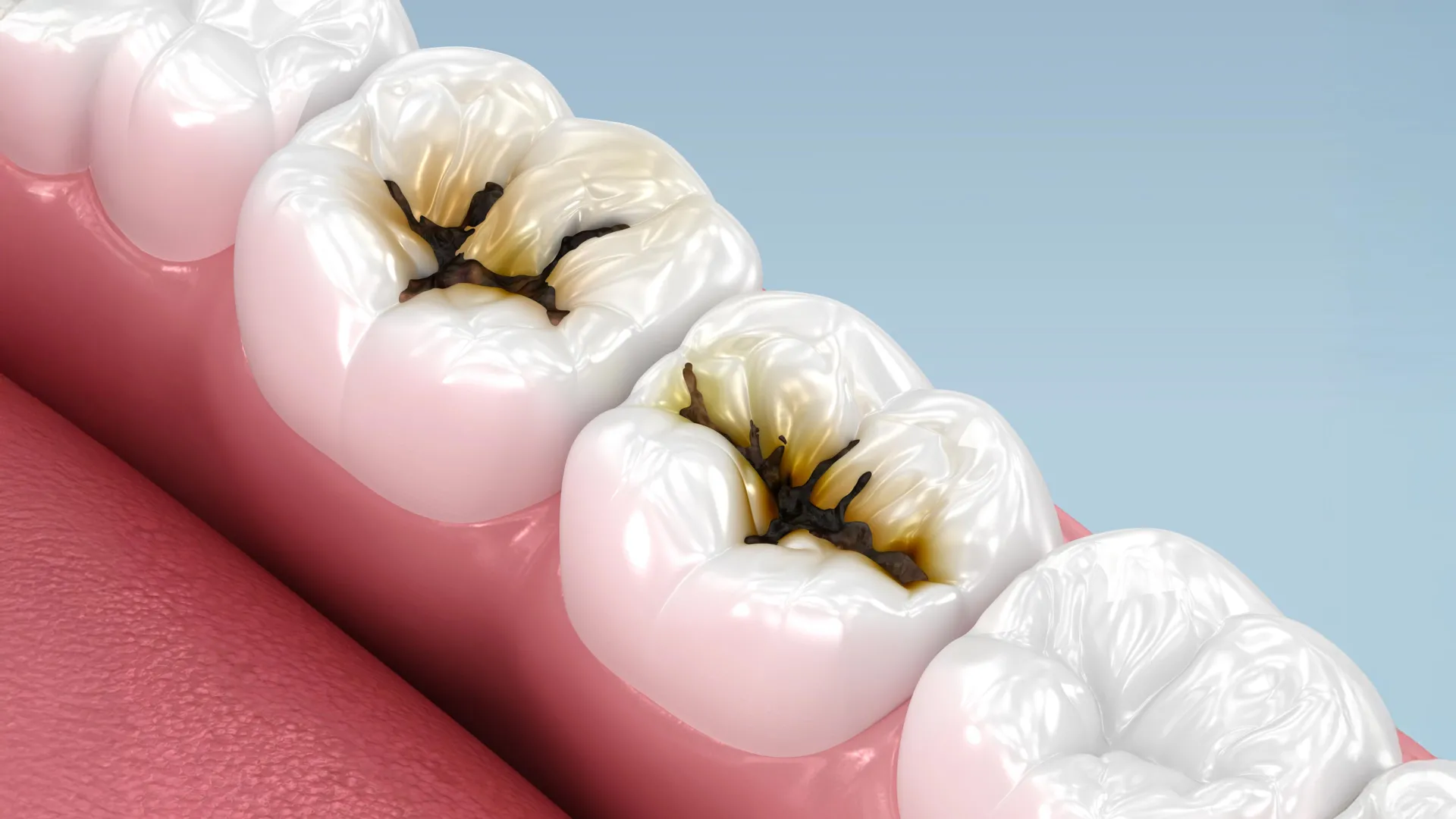
- The Aesthetic Trade-Off: The primary physiological drawback of SDF is cosmetic. The silver ions permanently stain the porous, decayed portion of the tooth a stark black or dark brown color. While this discoloration is inert and signals that the caries process has been successfully arrested, it requires careful preoperative communication with parents to ensure informed consent and psychological acceptance, particularly for anterior (front) teeth.
Official Statements and Expert Analysis
The publication of the Phase III trial in JAMA Pediatrics has generated widespread acclaim across the dental, pediatric, and public health sectors. Leading investigators have spoken candidly about the profound implications of these findings.
Dr. Margherita Fontana, professor of dentistry at the University of Michigan School of Dentistry and the study’s lead investigator, emphasized both the clinical safety and the broader public health imperative of the research:
"This is a very effective and safe treatment—even in children as young as 1. If we want more children and families to benefit from this treatment, we need rigorous evidence showing both that it works and that it’s safe. From a public health perspective, if we want broader implementation across the United States, including in medical settings, we need carefully collected data in U.S. populations, and we now have that."
Dr. Fontana further highlighted the strategic advantage of integrating SDF into primary medical workflows long before a child ever sets foot in a dental operatory:
"In medicine, clinicians want high-quality evidence before changing practice. It is important to have data they can refer to because young children often see pediatricians years before they ever visit a dentist; broader acceptance could allow many more cavities to be treated while a referral to a dental home is successful, and before they become painful, infected, or require surgery."
Dr. Amr Moursi, professor of pediatric dentistry at the New York University College of Dentistry and co-principal investigator on the study, underscored the regulatory significance of the trial’s output:
"Our results support FDA approval of SDF for managing arrest of tooth decay in young children. Removing SDF from off-label status would be an important innovation which could lead to increased utilization by providers, enhanced payments by insurers, and more consistent product quality."
Public health advocates note that moving SDF out of its historical "off-label" purgatory will fundamentally alter the commercial and administrative landscape of oral health. Insurance reimbursement models, historically tethered to mechanical restoration codes (such as drills, fillings, and extractions), will be forced to adapt to chemical arrest codes, removing financial disincentives for practitioners who wish to incorporate non-invasive therapies into their daily routines.
Future Outlook: Transforming Care Across the Lifespan
With the clinical trial data successfully delivered to the FDA-regulated manufacturing pipeline via Elevate Oral Care, the horizon of American dentistry is poised for profound structural evolution.
Expanding Beyond the Dental Clinic
The most transformative potential of FDA-approved SDF lies in its interdisciplinary application. Because the application process is clean, non-surgical, and fast, pediatricians, family physicians, physician assistants, and public health nurses can be trained to administer SDF during routine well-child visits.
Consider the standard American healthcare trajectory: a child visits a pediatrician at ages 1, 2, and 3, but frequently does not see a dedicated dentist until age 4 or 5—often arriving only after a cavity has progressed to an agonizing, abscessed state. By empowering pediatric primary care providers to paint SDF onto early carious lesions during an ordinary check-up, the medical community can instantly arrest decay, eliminate pain, and buy precious time. This intervention acts as a pharmacological bridge, stabilizing the oral cavity while the medical provider successfully navigates the often sluggish process of establishing a permanent "dental home" for the family.
Broad Populations in Need
While early childhood caries represents the primary focus of the Michigan-led trial, the utility of silver diamine fluoride extends far beyond toddlers. Public health experts anticipate exponential growth in the deployment of SDF across several vulnerable cohorts:
- Geriatric Patients: Older adults frequently suffer from root caries due to gingival recession, dry mouth (xerostomia) induced by polypharmacy, and declining manual dexterity that compromises home hygiene. Traditional restorative work on root surfaces in frail elderly patients is physically punishing and clinically challenging. SDF offers a painless, non-invasive method to arrest root decay in nursing home residents and homebound seniors.
- Individuals with Special Needs: Patients with severe cognitive, developmental, or physical disabilities often cannot tolerate the sights, sounds, and physical restrictions of traditional dental operatories. SDF bypasses the need for general anesthesia or physical restraints, making routine decay management achievable in standard chairside settings.
- Individuals with Severe Dental Anxiety: Odontophobia affects millions of adults and children alike, driving them to avoid routine care until catastrophic dental pain forces them into emergency rooms. SDF offers an approachable, non-threatening entry point to clinical care.
- Underserved and Remote Populations: In rural communities, inner-city dental deserts, and developing regions with limited access to electricity, high-speed dental drills, and water infrastructure, SDF provides a viable, low-cost therapeutic option that can be deployed via mobile health units and community outreach programs.
Conclusion
The publication of the University of Michigan-led Phase III trial marks the definitive turning point for silver diamine fluoride in American medicine. By meeting the stringent evidentiary standards required by federal regulators and backed by extensive NIH funding, SDF has transcended its historical status as an alternative, off-label chemical curiosity.
As the FDA reviews the new drug application, the healthcare system stands on the precipice of a new era in oral health management. By trading the terror of the dental drill for the simplicity of a sponge-tipped applicator, the medical and dental communities can finally mount a scalable, humane, and economically viable defense against the most common chronic disease of childhood—saving thousands of children from needless pain, emergency room trauma, and invasive surgery.