










Executive Overview
The landscape of metabolic medicine is undergoing a profound transformation. For years, the conversation surrounding blockbuster weight-loss and diabetes medications—such as semaglutide (popularized under brand names like Ozempic and Wegovy)—has focused primarily on peptide-based injectables. These drugs have fundamentally changed how clinicians treat type 2 diabetes and obesity by targeting biological mechanisms that signal physical satiety. However, a groundbreaking study funded by the National Institutes of Health (NIH) has uncovered a previously unrecognized neurological pathway tapped by a newer generation of oral, small-molecule GLP-1 receptor agonists.
Conducted by researchers at the University of Virginia (UVA) and supported by multiple branches of the NIH, this pivotal study reveals that oral alternatives like orforglipron and the experimental compound danuglipron do more than just curb metabolic hunger. By penetrating deep into the brain’s architecture, these small molecules actively suppress hedonic feeding—the drive to consume food for pleasure, comfort, or reward rather than physiological energy deficits.
By modulating activity within the central amygdala, these oral medications effectively quiet the neural reward circuitry that makes hyper-palatable foods so difficult to resist. This discovery not only broadens our scientific understanding of how GLP-1 receptor agonists interact with the central nervous system, but it also opens the door to speculative and promising future applications. Specifically, researchers are now investigating whether these next-generation oral therapeutics could be harnessed to treat other compulsive behaviors, including substance use disorders.
As accessibility to these medications expands and patient adoption accelerates globally, understanding these intricate neural mechanisms is no longer just an academic exercise—it is an urgent clinical imperative. This report provides a comprehensive examination of the study, its methodology, the distinctions between injectable and oral formulations, expert commentary, and the sweeping implications this research holds for the future of neuropsychiatry and metabolic health.
Detailed Chronology: Unraveling the Brain’s Hidden GLP-1 Pathways
To fully appreciate the significance of the UVA research team’s findings, it is helpful to trace the evolution of how scientists understand the interaction between GLP-1 receptor agonists and the human brain.
The Traditional Paradigm: Hypothalamic and Hindbrain Regulation
When GLP-1 (glucagon-like peptide-1) receptor agonists first emerged as revolutionary therapies for type 2 diabetes and subsequently obesity, researchers immediately recognized their profound impact on appetite suppression. For years, extensive pharmacological mapping demonstrated that larger peptide-based GLP-1 drugs primarily targeted homeostatic feeding centers.
These centers are predominantly located in the hypothalamus and the hindbrain. In simple terms, these areas act as the body’s metabolic thermostat. They monitor circulating nutrients, energy stores, and gut-derived hormonal signals, adjusting hunger and satiety to ensure the body maintains energy balance. While these peptide medications successfully reduced hunger-driven eating by acting on these known neural networks, scientists noted that patients frequently reported a broader psychological shift: a generalized blunting of food cravings, “food noise,” and the emotional reward associated with eating.
Entering Uncharted Territory: The Advent of Small-Molecule Oral Drugs
While the behavioral effects of injectables were well-documented, a significant knowledge gap persisted regarding the pharmacological behavior of small-molecule oral GLP-1 receptor agonists. Unlike large peptide molecules, which face biological barriers when attempting to enter certain areas of the central nervous system, small molecules possess unique chemical properties that allow them to navigate biological membranes differently.
The UVA research team set out to investigate what happens chemically and structurally when these oral compounds enter the brain. To achieve this, researchers utilized advanced gene-editing techniques in murine models to precisely modify GLP-1 receptors, engineering them to closely mirror human receptor structures. This methodological precision ensured that the physiological responses observed in the subjects would translate with high fidelity to human clinical frameworks.
The Breakthrough Discovery: Reaching the Central Amygdala
Once the engineered murine models were administered either orforglipron (an FDA-approved oral medication) or danuglipron (an experimental small-molecule compound), the research team mapped cellular activation across the entire brain using high-resolution neural tracing techniques.
As anticipated, the compounds lit up regions historically associated with metabolic appetite regulation. However, the researchers observed a startling and unexpected pattern of activation deep within the brain: the central amygdala.
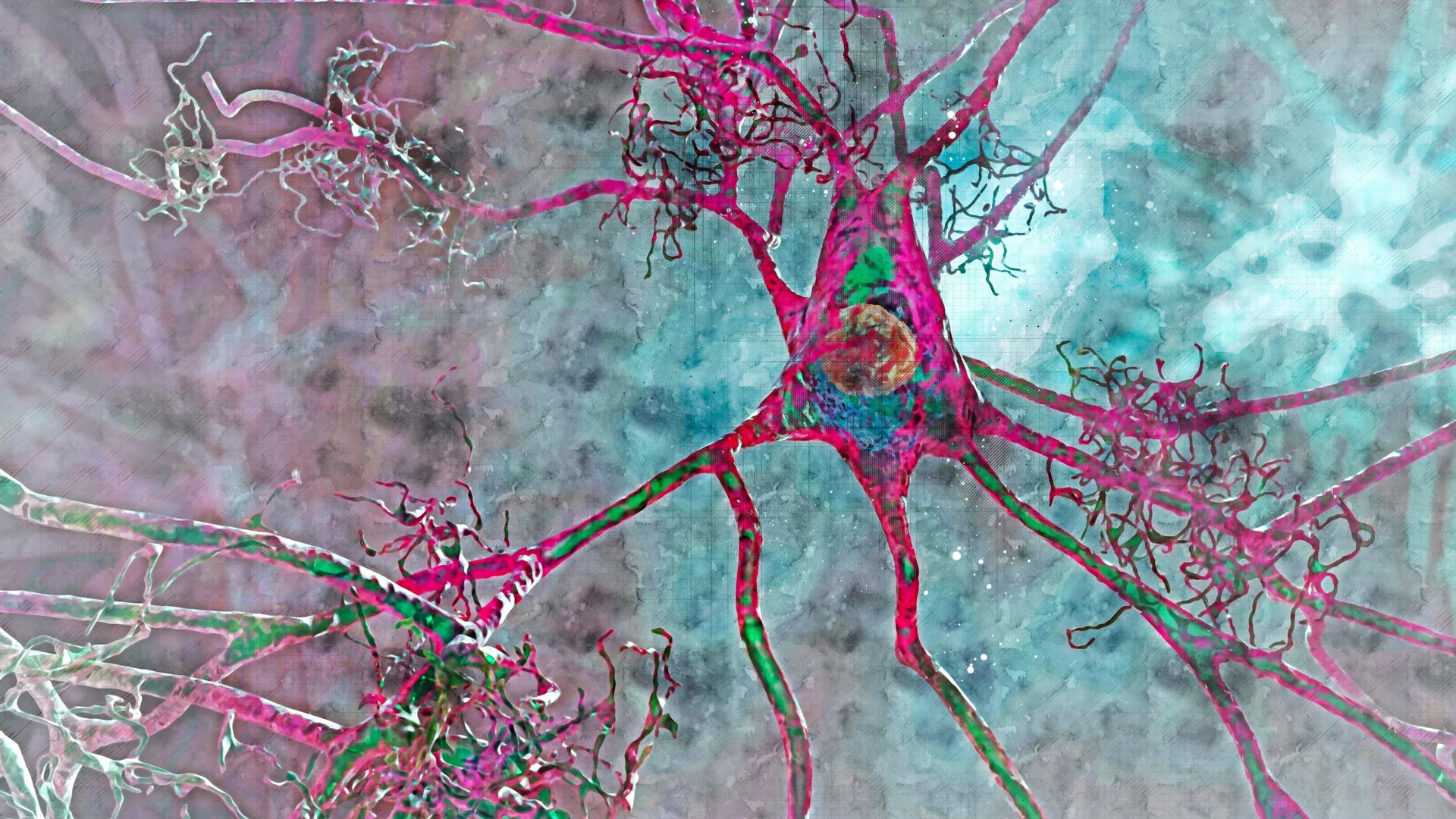
Historically, neuroscientists understood that GLP-1 receptors existed in the brain, but the central amygdala—a critical node in processing emotional valence, desire, reinforcement, and reward—was thought to be largely insulated from the direct reach of these compounds. The study revealed that small-molecule oral GLP-1s bypassed conventional boundaries, directly engaging this deep-seated emotional and motivational center.
Dampening the Dopaminergic Reward Cascade
Further physiological and neurochemical experiments uncovered the functional consequence of this central amygdala activation. When the test subjects were presented with highly rewarding foods, the administration of orforglipron or danuglipron suppressed the typical dopamine release within key nodes of the brain’s reward circuitry.
Dopamine is the neurotransmitter central to the anticipation of pleasure and reinforcement. By attenuating this dopamine surge, the medications effectively stripped the rewarding experience from the act of eating. The subjects no longer derived the same level of neurological gratification from hedonic consumption.
Supporting Context & Metrics: Oral vs. Injectable Pharmacology
To contextualize the importance of these findings, it is necessary to examine the structural and economic differences dividing traditional injectable peptide therapies from the emerging class of small-molecule oral alternatives.
Structural Chemistry: Peptides vs. Small Molecules
- Peptide Medications (e.g., Semaglutide, Liraglutide): These are large, complex chains of amino acids that mimic natural hormones. Because of their molecular size and structural fragility, they are typically administered via subcutaneous injection to prevent them from being degraded by digestive enzymes in the gastrointestinal tract.
- Small-Molecule Oral Compounds (e.g., Orforglipron, Danuglipron): These are synthetic, chemically engineered compounds designed with low molecular weights. Their compact architecture allows them to survive the harsh environment of the digestive tract, making them viable as daily oral pills. Furthermore, their chemical properties often grant them enhanced penetrative capabilities across the blood-brain barrier, potentially explaining their unique interaction with deep-brain structures like the central amygdala.
Manufacturing Economics and Global Accessibility
Beyond neurological mechanisms, the economic implications of small-molecule orals are monumental. Injectable peptide drugs require complex, costly biotechnology manufacturing processes involving mammalian cell cultures or recombinant DNA technologies.
Small-molecule drugs, conversely, are manufactured using traditional chemical synthesis methods. This fundamental difference in production pipelines translates to:
- Lower Production Costs: Scalable chemical synthesis is significantly cheaper than biologic manufacturing.
- Streamlined Supply Chains: Pills do not require strict cold-chain refrigeration logistics to the same degree as many peptide injectables.
- Expanded Patient Access: Lower manufacturing overhead has the potential to translate into more affordable market pricing, addressing the glaring global disparities in access to modern anti-obesity medications.
Official Statements and Expert Analysis
The implications of the UVA study have drawn widespread attention from clinical researchers and public health officials alike, emphasizing the necessity of understanding these neurobiological underpinnings.
Dr. Lorenzo Leggio, Clinical Director of the NIH’s National Institute on Drug Abuse (NIDA), underscored the public health urgency of the findings:
"As the accessibility of these medications continues to rise and patient uptake increases, it’s crucial that we understand the neural mechanisms underlying the effects we’re seeing."
Dr. Leggio’s perspective highlights a shift in clinical pharmacology: as millions of patients worldwide begin taking these medications, the medical community must move beyond simply observing that they work to understanding precisely how they alter the central nervous system.
Dr. Ali Guler, a professor of biology at the University of Virginia and co-corresponding author of the study, elaborated on the dual nature of hunger suppression uncovered by the research:
"We’ve known that GLP-1 drugs suppress feeding behavior driven by energy demand. Now it seems oral small-molecule GLP-1s also dial back eating for pleasure by engaging a brain reward circuit."
Dr. Guler’s remarks crystallize the core paradigm shift: metabolic therapies are no longer confined to regulating energy deficits. They are actively rewriting the neurological equations of desire, turning down the volume on psychological cravings that have historically stymied traditional diet and exercise interventions.
Future Outlook: Beyond Weight Loss and into Neuropsychiatry
Perhaps the most exciting trajectory stemming from this NIH-funded research lies outside the realm of metabolic medicine entirely. Because the newly mapped neural pathway involves the central amygdala and the dopaminergic reward system—regions fundamentally implicated in addiction, compulsion, and reinforcement—scientists are aggressively pivoting toward broader behavioral applications.
Tackling Substance Use Disorder (SUD)
Substance use disorder remains one of the most intractable challenges in modern medicine, characterized by compulsive drug-seeking behavior driven by hyper-reactive reward pathways. Clinical anecdotal evidence has previously suggested that patients taking injectable GLP-1 medications experienced a concurrent reduction in cravings for alcohol, nicotine, and opioids.
However, the discovery that oral small-molecule GLP-1s directly target the central amygdala and suppress dopamine release during rewarding activities provides a concrete, mechanistic hypothesis for why these cross-addiction effects might occur.
Researchers are currently designing follow-up clinical and pre-clinical studies to rigorously evaluate whether next-generation oral GLP-1 receptor agonists can safely and effectively mitigate cravings associated with:
- Alcohol use disorder
- Nicotine dependence
- Stimulant and opioid addiction
Regulatory and Clinical Trial Realities
While the scientific enthusiasm is palpable, the academic community maintains a rigorous commitment to regulatory standards. It is vital to note that this specific foundational study was conducted using murine models and advanced neuro-mapping techniques; it was not completed as a clinical trial associated with a formal drug application. Consequently, these compounds have not yet been assessed or approved by the U.S. Food and Drug Administration (FDA) for the treatment of substance use disorders or hedonic eating disorders.
Rigorous, double-blind, randomized controlled human clinical trials will be required to establish safety, efficacy, and optimal dosing parameters before these expanded indications can become a clinical reality.
Conclusion: A New Era in Metabolic and Behavioral Health
The convergence of metabolic endocrinology and neuroscience represented by the UVA and NIH study marks a defining moment in modern medicine. By illuminating how oral small-molecule GLP-1 medications penetrate deep into the brain to silence hedonic feeding circuits, science has moved one step closer to treating the root neurobiological drivers of compulsive behaviors.
As these therapies become more affordable, accessible, and refined through ongoing research, their impact will likely extend far beyond the scale. They stand poised to redefine our approach to desire, reward, and brain health in the twenty-first century.