





Executive Overview
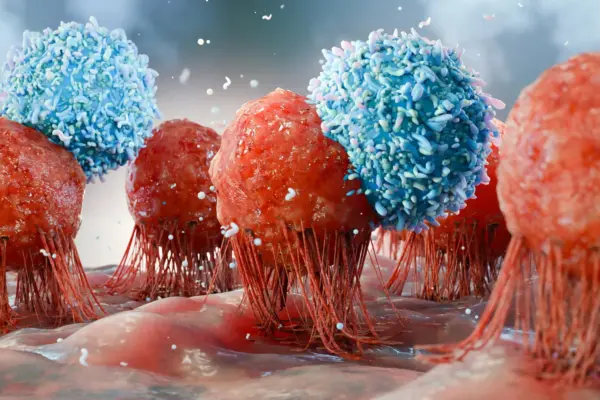
While cell-based immunotherapies have revolutionized the therapeutic landscape for liquid tumors—such as leukemias and lymphomas—solid tumors have historically presented a stubborn and formidable fortress against similar interventions. Dense tumor microenvironments, physical barriers to cellular infiltration, and sophisticated local immunosuppressive mechanisms have consistently blunted the efficacy of conventional immune cells. However, a multidisciplinary team of researchers at Stanford Medicine, in collaboration with leading academic institutions, has unveiled a groundbreaking strategy that could fundamentally alter this paradigm.
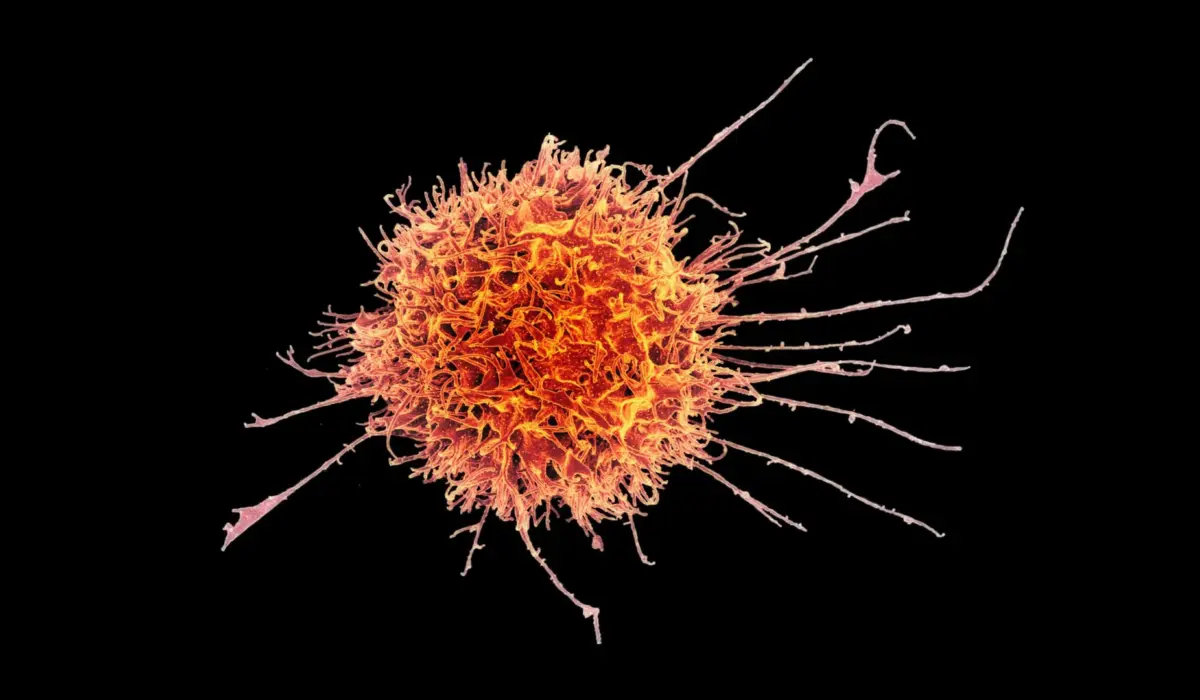
Published last month in Science Translational Medicine, the new study details a method to reprogram circulating natural killer (NK) cells into highly specialized, tissue-resident destroyers capable of infiltrating solid tumors and systematically dismantling malignant cells. Spearheaded by senior author Dr. John Sunwoo—the Edward C. and Amy H. Sewall Professor in the School of Medicine—alongside co-lead authors Dr. Nina Horowitz, Dr. Imran Mohammad, and Dr. June Ho Shin, the research bridges a critical gap in cancer immunology.
Beyond their remarkable tumor-infiltrating capabilities in preclinical mouse models, these engineered cells offer a transformative logistical advantage: they do not trigger the severe graft-versus-host immune reactions typically associated with allogeneic cell transfers. This crucial characteristic paves the way for "off-the-shelf" commercial manufacturing. Instead of requiring costly, time-consuming, and patient-specific bespoke processing, these therapeutics could soon be mass-produced, cryopreserved, and deployed instantly to clinical sites globally. With a Phase I clinical trial targeting advanced squamous cell carcinoma slated for submission and potential initiation by the end of the year, the oncology community stands on the precipice of a major clinical evolution.
Detailed Chronology: Unraveling the Mechanics of Tissue Residency
The genesis of this breakthrough traces back to a fundamental shift in how immunologists view the human body. For decades, the mainstream paradigm of immunology was overwhelmingly centered on circulating immune cells—B cells, T cells, and conventional natural killer cells traveling endlessly through the vascular highway in search of pathogens and anomalies. While this perspective yielded profound therapeutic discoveries, it largely overlooked the local ecosystems residing inside organs and tissues.
Shifting Focus from Blood to Tissue
Dr. Sunwoo and his colleagues recognized that for most immune cells, tissue is where the biological action unfolds. Over time, certain circulating cells migrate into specific microenvironments—such as the skin, liver, lungs, and mucous membranes—and take on specialized, localized identities known as tissue-resident cells.
Yet, understanding tissue-resident natural killer (trNK) cells had long frustrated immunologists. Prior studies yielded contradictory data; some experimental models painted trNK cells as sluggish, weakly toxic entities that actively suppressed local immune activity, while others documented robust target-cell destruction. Dr. Sunwoo’s team hypothesized that these disparate behaviors were not fixed traits, but rather the result of distinct microenvironmental signaling cues.
The "Goldilocks" Signaling Paradox
To decode this cellular behavior, the researchers isolated circulating NK cells from human blood donors and exposed them to varied combinations of molecular signals. Among the most influential variables was transforming growth factor-beta (TGF-$beta$), a signaling protein ubiquitous in tissue development and famously secreted by tumor cells to evade immune surveillance.
The team discovered that the fate of the NK cell hinged entirely on a precise quantitative and temporal exposure to TGF-$beta$—a classic "Goldilocks" phenomenon:
- Sub-optimal or Excessive Exposure: If exposed to too much TGF-$beta$ over a prolonged period, the NK cells adopted a tissue-resident state, but became heavily inhibited, functionally dysfunctional, and incapable of executing targeted cell lysis.
- Optimized Pulsed Exposure: When exposed to a meticulously controlled, transient burst of active TGF-$beta$ via short-lived human epithelial tumor cells, the resulting NK cells transformed into aggressive, highly cytotoxic tissue-resident warriors.
Crucially, the experiments revealed that soluble TGF-$beta$ alone was insufficient; direct physical contact with the epithelial tumor cells was mandatory. This dual requirement suggested that additional, yet-to-be-fully-mapped activating cell-surface signals act in concert with the TGF-$beta$ pulse to lock the cells into an elite cytotoxic phenotype.
Identifying the Molecular Signature of Elite Killers
With two distinct populations of tissue-resident NK cells generated in the laboratory, the team performed deep comparative profiling. Both populations displayed classical surface markers associated with tissue residency, namely CD49a and CD103.
However, a definitive molecular differentiator emerged: only the highly aggressive, tumor-destroying trNK cells expressed the surface protein CD39. Furthermore, functional assays demonstrated that these CD39-positive trNK cells were heavily armed with elevated stores of core cytotoxic machinery—specifically perforin (a pore-forming protein designed to puncture target cell membranes) and granzyme A (a lethal serine protease delivered through those perforations to induce apoptosis).
Supporting Context & Metrics: Preclinical Success and Translational Logistics
Armed with a reliable recipe for manufacturing elite cytotoxic tissue-resident natural killer cells, the research team transitioned to rigorous preclinical testing.
Infiltration and Tumor Suppression in Vivo
Initial assays demonstrated that the modified cells successfully infiltrated complex three-dimensional tumor organoids grown in vitro. Building on this success, the researchers evaluated the therapy in murine models harboring established solid tumors, including aggressive human melanoma and head and neck squamous cell carcinoma.
Over multi-week observation windows, systemic administration of the engineered trNK cells measurably slowed tumor growth. However, the most striking therapeutic synergy occurred when the engineered cells were combined with cetuximab, an FDA-approved monoclonal antibody designed to bind to the epidermal growth factor receptor (EGFR) and tag specific cancer cells for destruction. While cetuximab alone exhibits modest efficacy in certain advanced solid tumors, the combination therapy yielded a profound additive effect:
- Durable Control: A single dose of the combined therapy suppressed tumor progression over a 30-day period far more effectively than either intervention administered independently.
- Favorable Safety Profile: Mice receiving the combination regimen maintained healthy physiological metrics and physical vitality through day 30, whereas control groups exhibited significant disease burden and systemic morbidity.
Scalability and Manufacturing Metrics
Perhaps the most transformative aspect of the Stanford team’s discovery lies in its translational manufacturing potential. Traditional chimeric antigen receptor (CAR) T-cell therapies require leukapheresis, isolation of a patient’s own lymphocytes, genetic modification, ex vivo expansion, and reinfusion—a custom process that takes weeks and costs hundreds of thousands of dollars per patient.
In contrast, the allogeneic nature of healthy donor-derived natural killer cells offers a streamlined economic and logistical model:
- Dosing Yield: Natural killer cells harvested from a single healthy blood donor can be processed, expanded, and differentiated to yield approximately 20 distinct therapeutic doses within a rapid two-week manufacturing window.
- Cryopreservation Capacity: Because allogeneic NK cells do not typically provoke major histocompatibility complex (MHC) mismatches or induce graft-versus-host disease (GvHD), the final cellular product can be successfully cryopreserved.
- "Off-the-Shelf" Availability: This storage capability eliminates manufacturing bottlenecks, enabling immediate bedside availability for patients experiencing rapid disease progression.
Official Statements and Expert Perspectives
The implications of this study extend far beyond the laboratory bench, signaling a vital shift in how translational immunologists approach solid tumor barriers.
Reflecting on the striking visual and quantitative evidence of tumor penetration, senior author Dr. John Sunwoo emphasized the clarity of the experimental outcomes:
"We show that these tissue-resident natural killer cells infiltrate into the solid tumors much better than conventional natural killer cells. It was very reproducible, very striking and very clear," noted Sunwoo.
Addressing the historical blind spots of human immunology, Sunwoo highlighted how modern bioinformatic tools have altered scientific inquiry:
"For a long time, the study of immunology and disease in humans was concentrated on the blood immune cells. With the advancement of tools and bioinformatics, we are now starting to look more at what’s going on in tissue. For most immune cells, the tissue is where the action is."
Looking toward commercial translation and patient access, Sunwoo underscored the clinical urgency of developing scalable therapeutics:
"It would be almost an off-the-shelf drug. It could make cell therapy much more accessible to a wider variety of patients… They’ll be cryopreserved, so we can make a bunch of doses and give it to different patients. There would be no delay."
Commenting on the safety and translational scope observed in murine models, Sunwoo maintained an objective scientific caution while acknowledging the promise of the data:
"Even at day 30, when the other mice were sick, the mice that received the combination seemed very healthy… This was just proof of concept."
Future Outlook and Clinical Roadmap
As the Stanford team prepares for the next phase of development, the oncology research community is closely monitoring the transition from murine models to human clinical trials.
Upcoming Phase I Clinical Trials
Dr. Sunwoo and his academic collaborators—including contributing researchers from Ohio State University and the Washington University School of Medicine—are actively finalizing protocols for an inaugural Phase I clinical trial. Pending regulatory review and final clearance from the U.S. Food and Drug Administration (FDA), the trial is projected to launch by the end of the year.
The initial human studies will evaluate the safety, pharmacokinetics, and preliminary efficacy of the engineered cytotoxic tissue-resident natural killer cell therapy in patients diagnosed with advanced squamous cell carcinoma—a notoriously resilient solid tumor type.
Broader Therapeutic Horizons
Beyond squamous cell carcinoma and melanoma, the foundational mechanics of this cell-engineering platform hold promise for a vast array of solid tumor indications currently resistant to standard-of-care immunotherapies. By successfully engineering immune cells to overcome physical stroma barriers and local immunosuppressive cytokine networks, Stanford’s methodology redefines the boundaries of adoptive cell transfer.
With patent applications already filed for the proprietary production and expansion protocols of these specialized cells, the biotechnology sector is poised to explore commercial partnerships to scale manufacturing infrastructure. If clinical trials replicate the robust tumor suppression and favorable safety profiles observed in preclinical models, off-the-shelf tissue-resident natural killer cell therapy may soon emerge as a cornerstone treatment in the ongoing war against solid tumors.