








Executive Overview
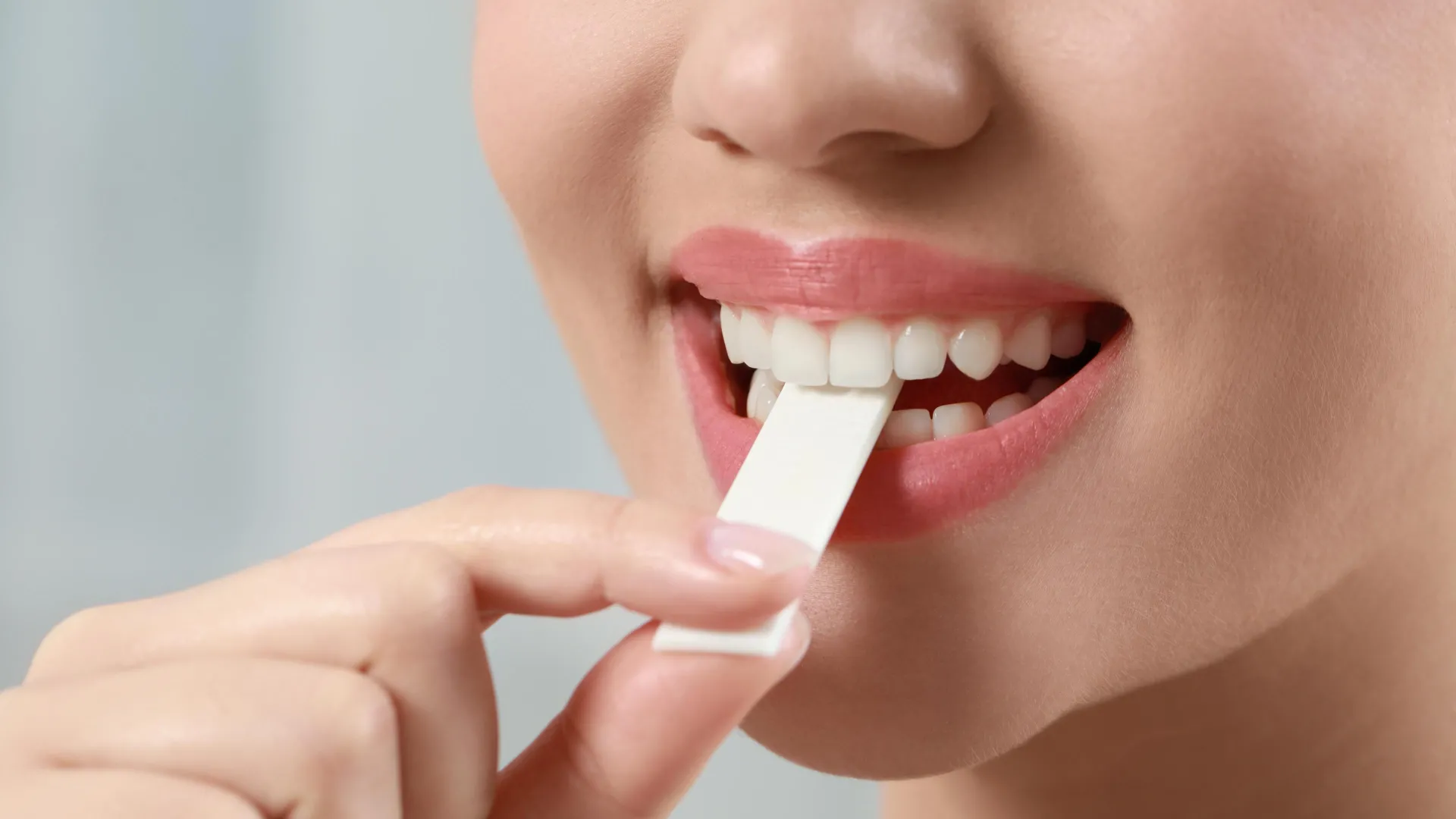
In a pioneering development at the intersection of bioengineering, oncology, and preventive medicine, researchers at the University of Pennsylvania’s School of Dental Medicine have formulated a bioengineered chewing gum designed to intercept and neutralize the pathogenic microbes driving head and neck cancers. Published in the peer-reviewed journal Scientific Reports, this breakthrough introduces an accessible, highly targeted therapeutic delivery mechanism capable of dramatically reducing viral and bacterial loads directly within the oral cavity.
Led by Dr. Henry Daniell, the W.D. Miller Professor in the Department of Basic & Translational Sciences at Penn Dental Medicine, the multi-institutional research team evaluated extracts from a specialized bioengineered gum utilizing clinical oral samples. The results demonstrated a staggering capacity to suppress human papillomavirus (HPV)—the primary engine behind the global surge in oropharyngeal cancers—alongside two aggressive bacterial species, Porphyromonas gingivalis and Fusobacterium nucleatum, which are clinically proven to accelerate tumor progression and worsen survival metrics.
Unlike conventional systemic treatments, which often induce systemic toxicity and indiscriminately devastate the delicate balance of the oral microbiome, this novel therapeutic vehicle distinguishes between pathogenic invaders and beneficial commensal bacteria. By deploying naturally occurring antiviral proteins and antimicrobial peptides via a matrix as familiar as chewing gum, the research team has unlocked a promising, cost-effective adjuvant therapy. As global cancer registries track rising incidences of lip and oral cavity malignancies among younger demographics, this invention arrives as a vital prospective intervention, poised to transition from bench science to clinical trials.
Detailed Chronology
The Evolution of Plant-Based Biomanufacturing and Antiviral Proteins
The foundation of this recent oncological breakthrough was laid years prior through extensive research into plant-based molecular farming and protein expression systems. Dr. Henry Daniell and his international collaborators had long investigated methods to produce therapeutic proteins affordably using plant chassis—specifically leveraging lablab beans to manufacture specialized proteins. Among these was FRIL (Flt3 receptor-interacting lectin), a naturally occurring lectin known for its potent antiviral properties.
Initially explored for its capacity to bind to high-mannose glycans on viral envelopes, FRIL became the cornerstone of the team’s early explorations into mucosal viral transmission. Recognizing that standard pharmaceutical delivery systems—such as injections, expensive biologics, or complex cold-chain-dependent therapies—often fail to provide adequate local prophylaxis in resource-limited settings, the researchers conceptualized a delivery mechanism that utilized mastication to continuously release active therapeutic agents directly at the primary site of infection: the oral mucosa.
Transitioning from Lab to Clinic: The HNSCC Sample Trials
With the bioengineered bean gum established as a viable delivery vector, the research enterprise shifted its focus toward translational oncology. Head and neck squamous cell carcinoma (HNSCC) presented an urgent clinical target due to its aggressive pathology and resistance to standard therapies.
To evaluate the efficacy of the gum extracts in a clinically relevant context, Dr. Daniell’s team partnered with prominent medical institutions, including the University of Kansas Medical Center, the University of California at Los Angeles (UCLA), and the Veterans Administration Greater Los Angeles Healthcare System. The team acquired clinical oral and saliva samples from patients diagnosed with HNSCC.
Laboratory assays conducted during this phase exposed these patient samples to the bean gum extracts containing the FRIL protein. The empirical data recorded during these assays revealed an unprecedented suppression of targeted viral particles. Following this initial success, the researchers integrated protegrin—a broad-spectrum antimicrobial peptide capable of lysing bacterial cell membranes—into the bioengineered gum matrix. Subsequent exposure of the patient samples to this dual-action formulation resulted in the near-total eradication of targeted bacterial pathogens, marking a critical milestone in the chronological advancement of the project.
Supporting Context & Metrics
The Escalating Burden of Head and Neck Squamous Cell Carcinoma (HNSCC)
Head and neck squamous cell carcinoma encompasses malignancies that originate in the squamous mucosal linings of the oral cavity, pharynx, and larynx. According to epidemiological data highlighted by the research team, lip and oral cavity cancers ranked as the seventh leading cancer type in terms of incidence and mortality rates globally among adolescents, young adults, and middle-aged adults in 2022.
Despite surgical advancements, radiation protocols, and targeted chemotherapies, HNSCC remains notoriously difficult to manage. Many patients present with locally advanced disease at the time of initial diagnosis, leading to high rates of recurrence and dismal long-term survival statistics. Dr. Daniell notes that despite the introduction of numerous high-cost oncological medications over the past decade, incremental improvements in patient quality of life and five-year overall survival remain frustratingly modest. This clinical plateau underscores an urgent imperative for adjunctive strategies that can suppress tumor-promoting microenvironments without compounding patient morbidity.
Dissecting the Triad of Pathogenic Microbes: HPV, Pg, and Fn
The Penn Dental Medicine study focuses intently on three biological actors that actively subvert normal cellular homeostasis and accelerate tumor progression:
- Human Papillomavirus (HPV): High-risk strains of HPV—most notably HPV-16—have driven an alarming global epidemiological shift. While tobacco and alcohol use historically accounted for the majority of oral cancers, infections by sexually transmitted high-risk HPV strains are now the primary catalyst for oropharyngeal squamous cell carcinomas, particularly in younger, non-smoking cohorts.
- Porphyromonas gingivalis (Pg): Traditionally studied within the context of periodontal disease, this anaerobic bacterium has emerged as a sinister player in oncology. Research demonstrates that P. gingivalis can invade epithelial cells, suppress apoptosis (programmed cell death), and promote chronic inflammatory cascades that facilitate tumor cell migration and metastasis.
- Fusobacterium nucleatum (Fn): Known for its role in dental plaque formation and periodontal inflammation, F. nucleatum physically associates with tumor cells. It possesses surface adhesins that bind to host receptors, driving oncogenic signaling pathways, recruiting immunosuppressive immune cells, and directly correlating with depressed survival rates in patients with untreated, recurrent, or metastatic oral cancers.
Quantitative Efficacy: Metrics from the Laboratory Bench
The empirical data yielded by the testing of the bioengineered gum extracts on clinical samples highlight exceptional biochemical efficacy:
- HPV Reduction in Saliva: Extracts derived from the bean gum demonstrated a remarkable 93% reduction in human papillomavirus levels within patient saliva samples.
- HPV Reduction in Oral Rinses: In parallel oral rinse assays, the targeted viral load experienced an 80% decrease.
- Bacterial Eradication: Following the genetic and biochemical incorporation of protegrin into the bioengineered gum, a single standardized dose achieved near-total neutralization of both Porphyromonas gingivalis and Fusobacterium nucleatum, reducing viable colony metrics to almost zero.
Microbiome Preservation versus Radiation-Induced Dysbiosis
A critical metric of safety and biocompatibility highlighted in the study is the preservation of the healthy oral microbiome. The human oral cavity hosts a complex ecosystem of hundreds of commensal bacterial species that play indispensable roles in digestion, local immunity, and systemic health.
Conventional therapeutic modalities, particularly targeted radiation therapy delivered to the head and neck region, often cause catastrophic collateral damage to this delicate ecosystem. Radiation frequently obliterates beneficial oral bacteria while simultaneously fostering an opportunistic environment for the overgrowth of pathogenic yeasts, most notably Candida albicans, leading to painful oral candidiasis, mucositis, and systemic complications.
In stark contrast, the bioengineered chewing gum’s active components—FRIL and protegrin—exhibited selective targeting. While aggressively dismantling high-risk viral envelopes and pathogenic bacterial membranes, the formulation left the commensal flora largely unperturbed. This selective preservation prevents the emergence of secondary dysbiosis, representing a profound therapeutic advantage for vulnerable cancer patients undergoing intensive oncological care.
Official Statements & Expert Perspectives
The collaborative nature of this research brought together leading clinicians, virologists, and molecular biologists from across the United States. Their official commentary underscores both the scientific rigor of the study and its transformative potential for clinical practice.
Dr. Henry Daniell, lead investigator and W.D. Miller Professor at Penn Dental Medicine, emphasized the broader epidemiological implications of the discovery:
"The global increase in oropharyngeal cancer is linked to HPV infection. Furthermore, Pg and Fn infections worsen survival rates of untreated recurrent or metastatic oral cancer, even after surgery and risk-adjusted adjuvant, or supplemental, therapies. Our findings support the value of advancing these therapies to clinical trials as adjuvants with current treatments or as prophylaxis to prevent infection and transmission."
Dr. Daniell’s perspective highlights the dual utility of the gum: functioning both as an active therapeutic adjunct during established cancer care and as a prophylactic barrier to interrupt viral and bacterial transmission within at-risk populations.
Co-authors from collaborating institutions echoed these sentiments, pointing to the practical viability of translating complex molecular biology into a format as ubiquitous as chewing gum. Researchers from the University of Kansas Medical Center, UCLA, and the Veterans Administration Greater Los Angeles Healthcare System noted that the accessibility of a gum-based delivery system democratizes preventative medicine. In settings where refrigerated biologics and complex intravenous infusions are economically or logistically prohibitive, a shelf-stable, patient-administered therapeutic gum offers a paradigm-shifting alternative.
Future Outlook & Clinical Translation
Pathways to Clinical Trials
With the publication of these findings in Scientific Reports, the immediate trajectory for the research team involves transitioning from in vitro assay validations using patient samples to rigorous Phase I and Phase II human clinical trials. These upcoming trials will be designed to evaluate pharmacokinetic profiles, optimal dosing schedules, patient compliance, and localized safety parameters in living human subjects.
Regulatory navigation through agencies such as the U.S. Food and Drug Administration (FDA) will require comprehensive pharmacokinetic mapping to ensure that active peptides like protegrin and lectins like FRIL maintain structural integrity and therapeutic concentration during the act of mastication without inducing mucosal irritation or allergic hypersensitivity.
Expanding the Scope: Prophylaxis and Global Public Health
Beyond its immediate evaluation as a supplemental therapy for diagnosed HNSCC patients, the bioengineered gum holds immense promise as a public health prophylactic. High-risk populations, including individuals testing positive for persistent high-risk HPV strains or those exhibiting advanced periodontal disease coupled with oncogenic risk factors, could utilize the gum on a regular basis to suppress pathogenic loads before neoplastic transformations occur.
Furthermore, the adaptability of the plant-based molecular farming platform utilized by Dr. Daniell’s laboratory means that the gum matrix can theoretically be updated or re-engineered to incorporate additional antimicrobial peptides or monoclonal antibodies targeting emerging viral or bacterial pathogens. This modular capability positions the technology as a versatile defense mechanism against mucosal infections far beyond the boundaries of oncology.
Conclusion
The development of a bioengineered chewing gum capable of dismantling the viral and bacterial accomplices of head and neck cancer represents a triumph of translational bioengineering. By bridging the gap between molecular pathology and everyday consumer habits, Dr. Henry Daniell and his colleagues at the University of Pennsylvania have charted a hopeful new course in cancer care. As this innovation advances toward clinical trials, it carries the potential to redefine supportive oncology—offering patients an affordable, non-invasive, and microbiome-preserving weapon in the ongoing battle against one of the world’s most challenging malignancies.