









Executive Overview
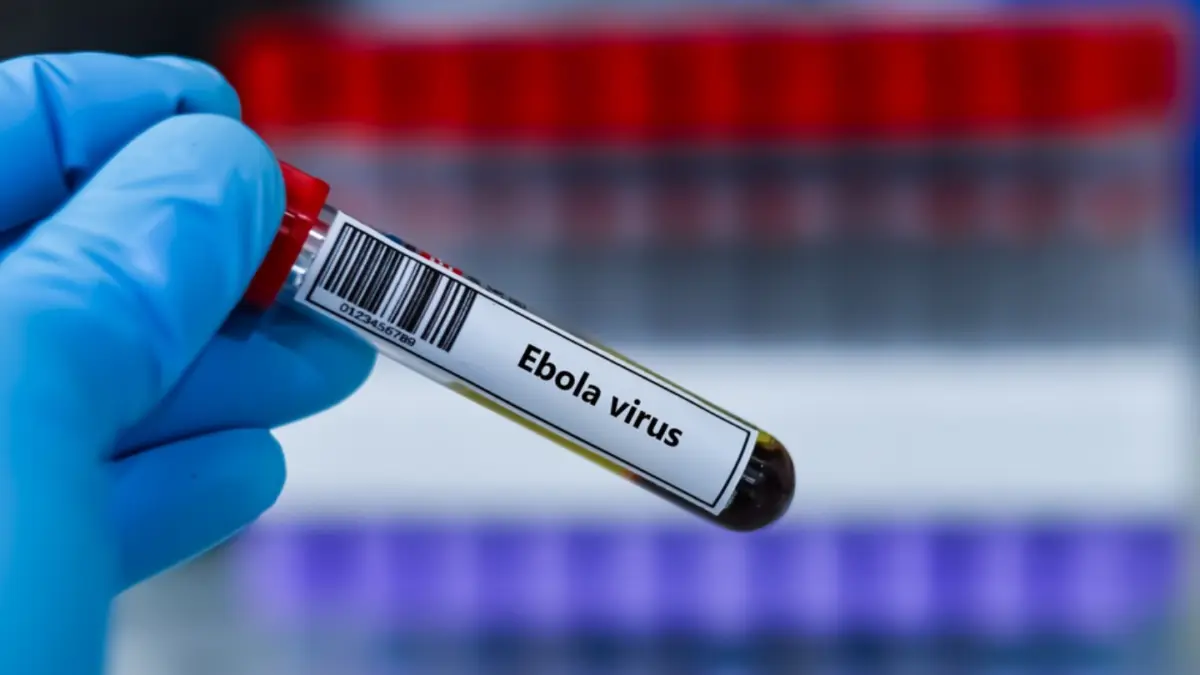
In a monumental step forward for global health security, biotechnology pioneer Moderna has officially dosed its first participants in a Phase I clinical trial evaluating mRNA-1469, a novel mRNA-based vaccine candidate designed specifically to combat the Bundibugyo ebolavirus. Registered under the identifier NCT07737717 and formally greenlit by Health Canada, this first-in-human study evaluates the safety, tolerability, and immunogenicity of the vaccine in approximately 80 healthy adult participants across three dedicated clinical research sites in Canada.
The urgency of this development cannot be overstated. The ongoing Bundibugyo Ebola outbreak in the Democratic Republic of the Congo (DRC) has rapidly evolved into one of the most severe filovirus emergencies in human history. While efficacious vaccines already exist for the Zaire ebolavirus species, no approved vaccines or specific therapeutics currently exist to prevent or treat disease caused by the Bundibugyo strain. This critical medical void prompted the World Health Organization (WHO) to designate the current epidemic a Public Health Emergency of International Concern (PHEIC), while the Africa Centres for Disease Control and Prevention (Africa CDC) declared it a Public Health Emergency of Continental Security (PHECS).
With over 3,000 confirmed cases and more than 1,400 recorded deaths, the outbreak is spreading faster than the devastating 2014–2016 West Africa epidemic. Amid this mounting humanitarian crisis, Moderna’s rapid progression from preclinical testing to clinical trials—bolstered by a pivotal up to $50 million funding partnership with the Coalition for Epidemic Preparedness Innovations (CEPI)—represents a triumph of modern vaccinology. Furthermore, this milestone coincides with a landmark initiative by the Africa CDC and CEPI to map and publish a comprehensive database of 45 clinical trial units across 17 African nations. This directory is designed to shift the epicenter of clinical research directly to the communities most vulnerable to emerging pathogens. If Phase I data proves successful, Moderna intends to rapidly advance into larger Phase II and Phase III trials, underpinned by a firm commitment to supply at least 500,000 affordable doses to low- and middle-income countries (LMICs).
Detailed Chronology of the mRNA-1469 Development
The journey of mRNA-1469 from concept to clinical evaluation illustrates the agility of messenger RNA technology, which was famously validated during the global SARS-CoV-2 pandemic.
Preclinical Foundation and CEPI Partnership
The development of mRNA-1469 did not happen in a vacuum. Recognizing the persistent threat posed by neglected tropical and zoonotic pathogens, Moderna expanded its strategic partnership with CEPI to target high-consequence infectious diseases under the "Disease X" framework and known viral families like Filoviridae. CEPI committed up to $50 million to accelerate the preclinical research, manufacturing optimization, and early-stage clinical trial deployment of Moderna’s Bundibugyo vaccine candidate.
Preclinical studies focused on leveraging Moderna’s proprietary lipid nanoparticle (LNP) delivery system and mRNA platform design. The platform instructs human cells to transiently produce specific viral glycoproteins, safely priming the adaptive immune system—inducing both robust neutralizing antibody responses and cellular immunity—without exposing the recipient to live or inactivated viral particles.
Regulatory Approval and Trial Initiation (NCT07737717)
Following the generation of compelling preclinical safety and immunogenicity data, Moderna submitted a Clinical Trial Application (CTA) to Health Canada. Upon regulatory review and approval, the trial protocol for NCT07737717 was finalized.
The trial is structured as a randomized, observer-blind, placebo-controlled study enrolling approximately 80 healthy adult participants. Administered at three specialized clinical trial sites in Canada, the primary objectives are to:
- Establish the safety profile of varying dosage levels of mRNA-1469.
- Monitor local and systemic reactogenicity (tolerability) following primary and boost immunizations.
- Quantify the humoral and cellular immune responses (immunogenicity) generated against the Bundibugyo ebolavirus glycoprotein.
By successfully dosing the first cohort of participants, Moderna has transitioned mRNA-1469 from theoretical design into active clinical validation, opening a critical window of opportunity to curb a pathogen that has historically lacked targeted medical countermeasures.
Supporting Context & Metrics: The Anatomy of an Unprecedented Crisis
To fully appreciate the significance of the mRNA-1469 trial, one must examine the epidemiological landscape of the current outbreak and the structural gaps in global outbreak response mechanisms.
The Bundibugyo Strain and the Vaccine Void
The Ebola virus genus comprises several distinct species, among which Zaire, Sudan, Tai Forest, Bundibugyo, and Reston are known to cause disease in humans. While outbreaks of the Zaire ebolavirus have historically dominated headlines—and successfully spurred the creation of licensed vaccines such as Ervebo (rVSV-ZEBOV)—other species remain neglected by major commercial drug developers due to market failures.
The Bundibugyo ebolavirus was first identified during an outbreak in Western Uganda in 2007. Although historically localized, the current active outbreak centered in the Democratic Republic of the Congo has shattered previous epidemiological baselines.
Epidemiological Metrics of the Current Outbreak
- Total Confirmed Cases: Exceeding 3,000 individuals.
- Total Fatalities: Surpassing 1,400 deaths, yielding a devastating case fatality rate typical of filovirus infections.
- Transmission Velocity: Public health authorities have noted that case numbers are compounding more rapidly than they did during the 2014–2016 West Africa epidemic, which remains the largest absolute outbreak in history with over 28,000 cases and 11,300 deaths.
Global Health Emergency Declarations
The sheer scale and speed of transmission prompted swift multi-institutional interventions:
- World Health Organization (WHO): Declared a Public Health Emergency of International Concern (PHEIC), mobilizing global technical expertise, diagnostic reserves, and coordination networks.
- Africa Centres for Disease Control and Prevention (Africa CDC): Declared a Public Health Emergency of Continental Security (PHECS), emphasizing that regional stability, economic continuity, and healthcare infrastructure are directly threatened by the viral spread.
Economic and Equity Commitments
Addressing historical criticisms regarding vaccine nationalism and equitable access during health crises, Moderna and CEPI have instituted preventative policy guardrails. Under their contractual agreements, should mRNA-1469 successfully clear clinical trials and secure regulatory licensure, Moderna has committed to making at least 500,000 doses available for rapid deployment to low- and middle-income countries at sustainable, non-profit access pricing. This ensures that vulnerable populations—rather than just wealthy nations—will have immediate access to life-saving supplies.
Official Statements and Industry Perspectives
The convergence of clinical innovation and continental health infrastructure has elicited powerful commentary from global health leaders.
Stéphane Bancel, Chief Executive Officer of Moderna, highlighted the historic nature of the milestone:
"Vaccinating the first participants with mRNA-1469 marks an important milestone in advancing a vaccine candidate against Bundibugyo ebolavirus, for which no approved vaccine currently exists. Utilizing our proven mRNA platform, we are proud to collaborate with CEPI to address critical public health threats that have long been neglected. This trial demonstrates our ongoing commitment to turning cutting-edge science into globally accessible medical countermeasures."
Dr. Richard Hatchett, Chief Executive Officer of CEPI, emphasized the critical importance of speed in modern epidemic response:
"This fast-growing epidemic is already the second-largest Ebola outbreak in history, and cases are rising more quickly than they did in the 2014–2016 West Africa epidemic, which remains the largest on record. Every day matters, and every vaccine candidate in clinical trials gives us another shot at getting a safe, effective vaccine to the people who need it as swiftly as possible. Through our partnership with Moderna, we are working relentlessly to ensure that history does not repeat itself and that countermeasures arrive before the window of containment closes."
Dr. Jean Kaseya, Director-General of Africa CDC, underscored the transformative shift in empowering African research institutions:
"Africa has the scientific expertise, infrastructure, and leadership to drive vaccine research on the continent. This newly published database gives developers a clear pathway to experienced African clinical trial sites and enables faster action when every day matters. Africa CDC is committed to building a research ecosystem that protects our people, strengthens health security, and places African institutions at the centre of solutions to Africa’s health emergencies."
Paradigm Shift: Africa Readies Itself for Domestic Clinical Research
In parallel with Moderna’s Phase I launch in Canada, a structural revolution is quietly unfolding across the African continent. Historically, despite carrying a disproportionate burden of infectious diseases—home to nearly 20% of the global population while hosting fewer than 5% of all clinical trials—Africa has frequently been treated as a testing ground after trials were predominantly designed and executed in Western countries.
This dynamic is rapidly changing. Coinciding with the trial initiation announcement, the Africa CDC and CEPI jointly published a comprehensive, verified database cataloging 45 specialized clinical trial units across 17 African nations.
Transforming the Clinical Trial Landscape
This database serves as an invaluable clearinghouse for international vaccine developers, non-governmental organizations (NGOs), and regulatory agencies. By providing transparent, granular data on trial site capabilities, cold-chain storage infrastructure, patient recruitment metrics, and regulatory readiness, the directory removes historical friction points in clinical trial deployment.
Key benefits of this regional capacity-building include:
- Accelerated Protocol Activation: Developers can immediately identify and partner with pre-vetted local clinical units, bypassing months of logistical guesswork.
- Contextualized Efficacy Data: Conducting Phase II and Phase III trials directly within affected populations ensures that safety and efficacy profiles are accurately captured in the exact demographic environments where the virus circulates.
- Sustainable Health Security: Empowering local investigators, ethic committees, and laboratories builds enduring scientific capital within African institutions, ensuring the continent remains an active architect—rather than a passive recipient—of global health solutions.
Future Outlook and Strategic Roadmap
As the Phase I trial for mRNA-1469 progresses under NCT07737717, the scientific and global health communities are mapping out the critical milestones that lie ahead.
1. Phase I Readout and Transition to Late-Stage Trials
Assuming the safety and immunogenicity data generated from the 80 healthy participants in Canada meet predefined clinical thresholds, Moderna plans to act swiftly. The company has explicitly stated its intention to rapidly initiate Phase II and Phase III trials. Because filovirus outbreaks occur in high-risk, volatile settings, executing late-stage trials will likely require seamless collaboration with health ministries and research networks within the Democratic Republic of the Congo and surrounding nations, leveraging the newly mapped Africa CDC trial site database.
2. Manufacturing Scalability and Distribution Frameworks
The transition from clinical trial manufacturing to commercial-scale production will test the resilience of Moderna’s decentralized supply chain models. With the foundational backing of CEPI, manufacturing protocols are being optimized to ensure that production lines can pivot instantly should an emergency authorization or accelerated licensure pathway be granted by international regulatory bodies such as the WHO, Health Canada, and African regulatory authorities.
3. Broadening the mRNA Filovirus Pipeline
The successful clinical progression of mRNA-1469 validates a broader strategic vision within the biotechnology sector: utilizing modular mRNA platforms to build a multi-valent or multi-pathogen defense shield against viral families characterized by high epidemic potential. By mastering the immune responses against the Bundibugyo species, researchers are laying the groundwork for rapid-response libraries against other high-threat pathogens, fundamentally altering humanity’s defensive posture against future pandemics.
In summary, the dosing of the first participants with mRNA-1469 is much more than a routine clinical milestone—it is a convergence of advanced biotechnology, visionary philanthropic funding, and continental empowerment. As the world watches the unfolding situation in Central Africa, this trial offers tangible hope that science, executed with unprecedented speed and equity, will ultimately prevail over the persistent threat of filovirus epidemics.