






Executive Overview
In the intricate micro-universe of the human gastrointestinal tract, a delicate, million-year-old biological partnership is failing. Modern medical science has long marveled at the hygiene hypothesis—the epidemiological observation that the eradication of ancient human companions, such as intestinal helminths (parasitic worms), has mirrored an alarming global surge in autoimmune disorders, allergies, and inflammatory bowel diseases (IBD). For roughly two decades, this hypothesis fueled experimental "helminth therapy," an unorthodox medical approach seeking to harness the anti-inflammatory properties of benign gut parasites to calm overactive human immune systems.
Yet, clinical trials and therapeutic applications have long been plagued by baffling inconsistencies: sometimes, the introduction of worms dramatically ameliorated chronic inflammation; other times, it yielded no therapeutic benefit whatsoever.
Now, groundbreaking research published in the journal Nature Communications by a team of parasitologists at the Biology Centre of the Czech Academy of Sciences (CAS) has finally unlocked the missing variable in this biological equation. The verdict points squarely to our plates: intestinal worms can only act as anti-inflammatory agents when their hosts consume sufficient quantities of dietary fiber. Without adequate fiber, these resident parasites slip into a dormant, hibernation-like metabolic state, rendering them utterly impotent against inflammation.
This discovery fundamentally redefines our understanding of diet, immunology, and parasitology. It demonstrates that the efficacy of the human microbiome and its larger co-inhabitants cannot be isolated from nutritional intake. As Western diets—notoriously deficient in plant-based structural fibers—continue to dominate industrialized nations, this research suggests that our nutritional choices are not only starving our beneficial gut bacteria but are also driving ancient microscopic allies into functional paralysis, stripping the human body of its evolutionary defenses against modern chronic illness.
Detailed Chronology: From Evolutionary Co-Existence to the Fiber Crisis
The Vanishing Companions of the Digestive Tract
To understand the gravity of the Czech Academy of Sciences’ findings, one must retrace the evolutionary history of the human digestive tract. For the entirety of human existence prior to the advent of modern sanitation and pharmacology, the human gut was never a sterile environment. It served as a bustling ecosystem populated by a diverse menagerie of bacteria, fungi, viruses, and multicellular parasites.
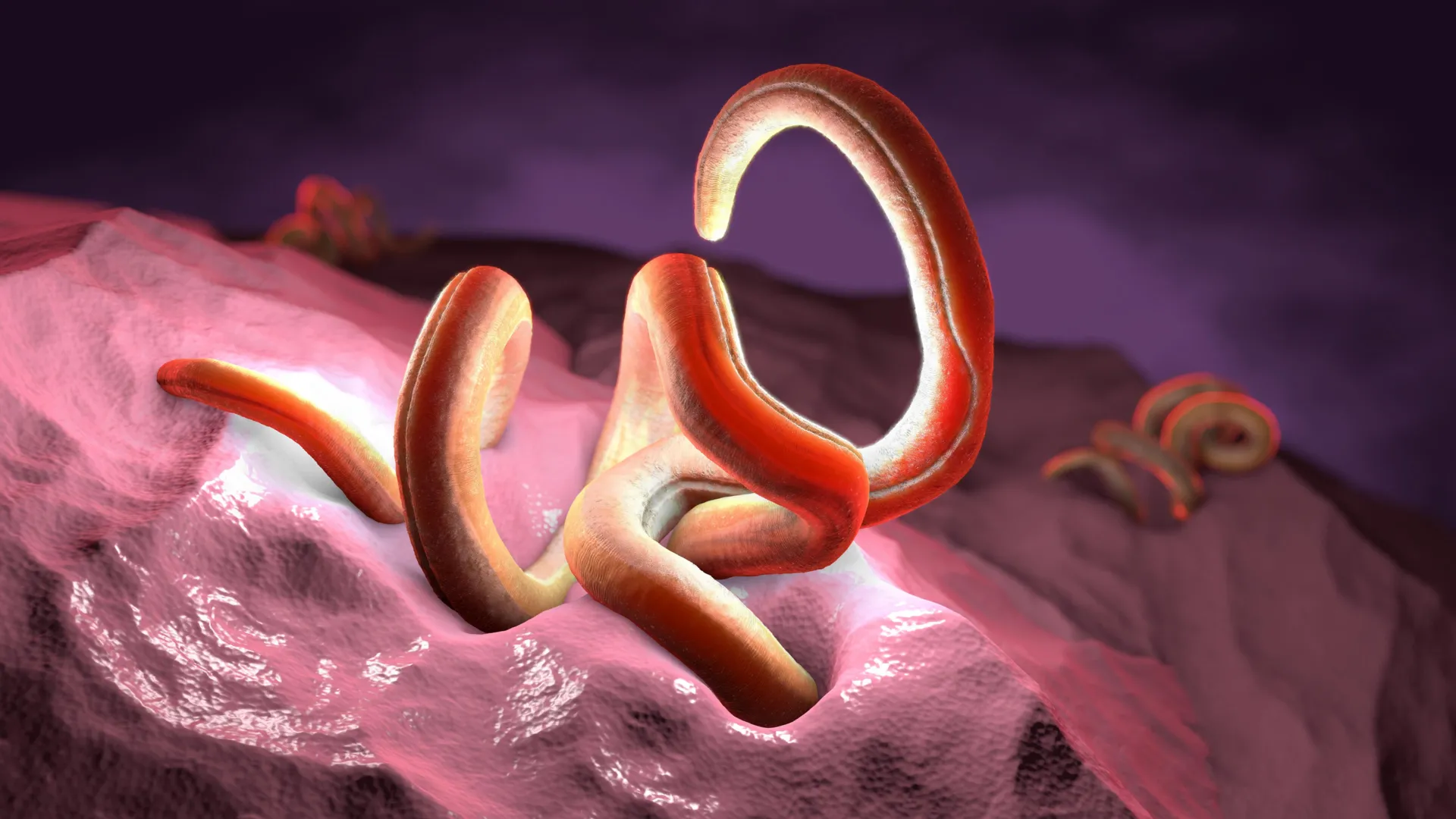
Among these, intestinal helminths were standard, long-term residents. Far from being uniformly destructive pathogens, many of these organisms co-evolved with mammals in a delicate balancing act. To survive within a host without triggering a lethal immune response, helminths evolved sophisticated immunomodulatory mechanisms—chemical signals that actively suppress the host’s immune system, preventing the parasite from being violently expelled.
However, the dawn of the 20th century brought rapid industrialization, clean drinking water, widespread sanitation, and anthelmintic medications. In industrialized nations, intestinal parasites were nearly completely eradicated. While this public health triumph successfully stamped out severe parasitic burdens, it triggered an unforeseen biological consequence. Almost in direct lockstep with the disappearance of intestinal worms came a dramatic epidemiological explosion of chronic inflammatory and autoimmune conditions, including Crohn’s disease, ulcerative colitis, multiple sclerosis, type 1 diabetes, and severe allergies.
The Birth and Frustration of Helminth Therapy
Faced with these rising trends, medical researchers roughly twenty years ago began revisiting the hygiene hypothesis with a bold clinical proposition: if the loss of helminths correlates with an increase in autoimmune disorders, could deliberately reintroducing these organisms treat inflammatory conditions?
This line of inquiry birthed helminth therapy. Clinical investigations—using non-pathogenic or attenuated pig whipworms (Trichuris suis) and human hookworms (Necator americanus)—demonstrated tantalizing glimpses of success. Patients suffering from debilitating inflammatory bowel diseases occasionally reported remarkable remissions after controlled inoculation.
Yet, the medical community hit a frustrating wall. The results of helminth therapy were notoriously erratic. In some cohorts, symptoms improved; in others, the treatment failed entirely, leaving researchers scrambling to identify the hidden variables governing host-parasite interactions. Was it the species of the worm? The dosage? The baseline immune status of the patient?
The recent breakthrough from the Biology Centre CAS shifts the spotlight away from the worm itself and onto its immediate environment: the diet of the human host, and specifically, the availability of dietary fiber.
The Experimental Breakthrough: Unmasking Hymenolepis diminuta
To systematically dissect how nutrition modulates parasite behavior, the Czech research team turned to a well-established laboratory model: the rat tapeworm, Hymenolepis diminuta. While the name invokes images of pathology, H. diminuta is a non-pathogenic tapeworm frequently utilized by immunologists and parasitologists. It does not reproduce within human tissue in a dangerous manner, making it an ideal candidate for studying the intricate three-way cross-talk between parasites, the host gut microbiome, and the host immune system.
The researchers subjected host animals to distinctly contrasting nutritional environments: a high-fiber diet rich in structural plant matter versus a low-fiber diet mirroring the macronutrient profile of a modern, highly processed Western diet.
The differences observed in the tapeworms were immediate, profound, and unmistakable.
When hosted by animals consuming a fiber-rich diet, the tapeworms thrived. They reached optimal physiological maturity, maintained robust metabolic activity, and successfully executed their evolutionary imperative to induce an anti-inflammatory cytokine response in the host. The worms acted as living pacifiers for the immune system, calming the inflammatory pathways that typically drive tissue damage in chronic bowel diseases.
Conversely, when the hosts were placed on a low-fiber diet, the physiological fate of the tapeworm shifted catastrophically. Deprived of the structural building blocks and metabolic cues normally derived from a plant-dense diet, the tapeworms shrank to a fraction of their normal size. They failed to reach sexual maturity and completely lost the ability to produce eggs.
Most critically, their immunomodulatory powers vanished. Without fiber, the tapeworms entered a metabolic conservation mode closely mirroring mammalian hibernation. By shutting down non-essential metabolic pathways to survive starvation, the parasites ceased emitting the chemical signals required to modulate the host’s immune response. The anti-inflammatory shield they were meant to provide evaporated entirely.
Supporting Context & Metrics: The Nutritional Divide and Microbiome Collapse
The Molecular and Microbial Cascade
The cascading effects of a low-fiber diet extend far beyond the tapeworms themselves, fundamentally destabilizing the entire architecture of the gastrointestinal ecosystem.
When researchers analyzed the genetic expression of the tapeworms under low-fiber conditions, they observed widespread transcriptomic shifts. Genes governing parasite development, cellular metabolism, and reproductive output were aggressively downregulated. The organism essentially pressed an emergency pause button, redirecting all remaining cellular energy toward bare survival rather than interacting with the host environment.
Simultaneously, dietary fiber deprivation wreaked havoc on the host’s gut microbiome—the trillions of symbiotic bacteria residing in the digestive tract. A diet rich in structural fiber acts as a primary feeding ground for beneficial, fiber-fermenting bacteria (such as Bifidobacteria and Lactobacilli), which metabolize these complex carbohydrates into short-chain fatty acids (SCFAs) like butyrate, propionate, and acetate. These SCFAs play an indispensable role in maintaining the integrity of the intestinal epithelial barrier and regulating immune cell differentiation.
When the diet shifted to a low-fiber, Western-style paradigm, the microbial diversity of the gut collapsed. Beneficiary species starved and withered away, clearing ecological niches for opportunistic, pro-inflammatory bacteria associated with gut dysbiosis to proliferate. These microbial shifts directly mirrored alterations in the host’s systemic immune response, transitioning the gut from an environment of tolerance and homeostasis to a state of chronic, low-grade inflammation.
The Quantifiable Fiber Crisis
The implications of this research are rendered starker when viewed against global dietary metrics and historical baselines.
- The Modern Western Intake: Health organizations, including the World Health Organization and national dietary guidelines, universally recommend that adults consume an average of 25 to 35 grams of dietary fiber per day. However, population-wide data indicates that the average citizen in industrialized Western nations falls woefully short, frequently hovering between 10 and 15 grams daily.
- The Ancestral Baseline: In stark contrast, anthropological estimates of traditional, non-industrialized human populations—whose diets rely heavily on unrefined plant foods, tubers, roots, and wild grains—suggest an average daily fiber intake ranging from 80 to 120 grams.
- The Downstream Toll: This massive nutritional deficit has been systematically linked by decades of epidemiological research to an enfeebled gut microbiome. Beyond the localized risks of inflammatory bowel disease, an unhealthy, fiber-deprived microbial balance has been implicated in systemic pathologies. Disruptions in the gut-brain axis driven by poor microbial health correlate with heightened vulnerabilities to major depressive disorder, generalized anxiety, chronic allergic conditions, and neurodegenerative pathologies, including Alzheimer’s disease.
Official Statements and Expert Insights
The study, which bridges the traditionally disparate fields of nutritional science, immunology, and parasitology, offers a unifying framework for understanding why dietary interventions and biological therapies frequently yield mixed clinical results.
"However, the results of helminth therapy have been inconsistent—sometimes the worms suppress inflammation, sometimes they do not. That’s why we focused on factors that may influence their effects in the gut," explains Kateřina Jirku-Pomajbíková from the Institute of Parasitology at the Biology Centre of the Czech Academy of Sciences.
Expounding on the behavioral and physiological mechanics observed during the experiments, Jirku-Pomajbíková highlights the stark behavioral dichotomy enforced by macronutrient availability:
"We found that when the diet contains a high proportion of structural fiber, the tapeworm is not only in excellent condition but is also able to induce an anti-inflammatory response in the host. When fiber is lacking, the worm enters an energy-saving state resembling hibernation in mammals, and its anti-inflammatory effect disappears."
Independent immunologists and microbiome researchers not directly involved in the study have praised its multi-kingdom approach. By demonstrating that an organism belonging to the animal kingdom (a helminth parasite) is entirely dependent on the nutritional substrate provided to a mammalian host—and mediated through changes in the bacterial microbiome—the research underscores the radical interconnectedness of biological systems within the human body.
The consensus emerging from the scientific community is clear: mammalian hosts do not exist as isolated biological units. Instead, they function as super-organisms whose internal symbiotic relationships—ranging from microscopic bacteria to macroscopic parasites—are entirely beholden to the chemical inputs dictated by nutrition.
Future Outlook: Reimagining Therapy and Nutritional Medicine
The Next Generation of Helminth Therapy
The findings from the Biology Centre CAS mark a turning point for clinical research involving helminth therapy. Future human clinical trials investigating the efficacy of parasitic worms in treating autoimmune and inflammatory conditions will likely incorporate strict dietary stratification protocols.
Historically, clinical trials tested helminth therapies by administering standardized doses of worm ova to patients without controlling for, or monitoring, their baseline dietary fiber intake. If a patient enrolled in a trial maintained a typical low-fiber Western diet, the newly introduced worms would theoretically enter their hibernation-like metabolic stasis, failing to secrete the necessary immunomodulatory proteins. This realization explains past therapeutic failures and provides a clear methodological roadmap for future investigations.
Moving forward, effective helminth-based interventions will likely require a synergistic dual-approach: precise administration of therapeutic parasites coupled with aggressive, medically supervised nutritional regimens designed to saturate the gastrointestinal tract with diverse, high-grade structural fibers.
Redefining Preventive Medicine Through Nutritional Ecology
Beyond specialized parasitic therapies, the broader message for preventive medicine and general public health is profound. The human body evolved to expect a complex, fiber-rich nutritional landscape. By stripping modern foods of their natural structural matrices and replacing them with highly refined carbohydrates and ultra-processed ingredients, industrialized societies have inadvertently starved not only their beneficial bacteria but also the hidden evolutionary architecture of their immune systems.
As researchers continue to decode the complex signaling pathways operating between diet, microbes, parasites, and immune cells, the paradigm of healthcare is shifting toward nutritional ecology. Treating chronic inflammatory diseases will increasingly demand a holistic restoration of the entire gut ecosystem.
Ultimately, the research serves as a stark biological reminder: to heal the modern, overactive human immune system, we may not simply need new drugs or novel biotechnological interventions. We may simply need to return to the dining habits of our ancestors—restoring the raw nutritional fuel required to wake our ancient microscopic partners from their evolutionary sleep.