





Executive Overview
For decades, the medical community’s understanding of major depressive disorder (MDD) has been anchored primarily in the chemical imbalance hypothesis—specifically, the deficiency of neurotransmitters such as serotonin. While this foundational paradigm successfully ushered in generations of pharmacological interventions, including selective serotonin reuptake inhibitors (SSRIs), it has long failed to explain why a significant subset of patients remains treatment-resistant, or why therapeutics often require weeks to manifest clinical efficacy.
Now, a monumental study published in Nature Medicine on August 21, 2026, by a multidisciplinary team of researchers at the Columbia University Vagelos College of Physicians and Surgeons and the New York State Psychiatric Institute, is poised to redefine our understanding of the disorder.
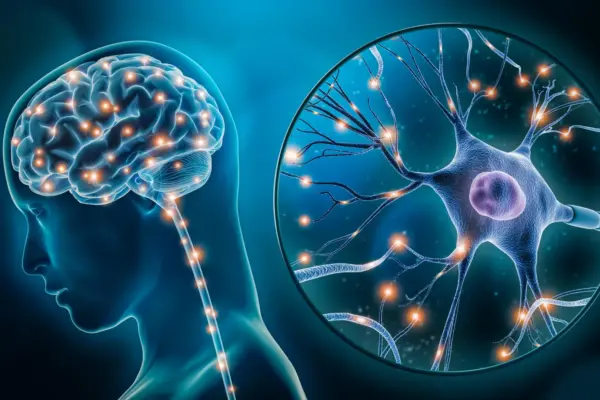
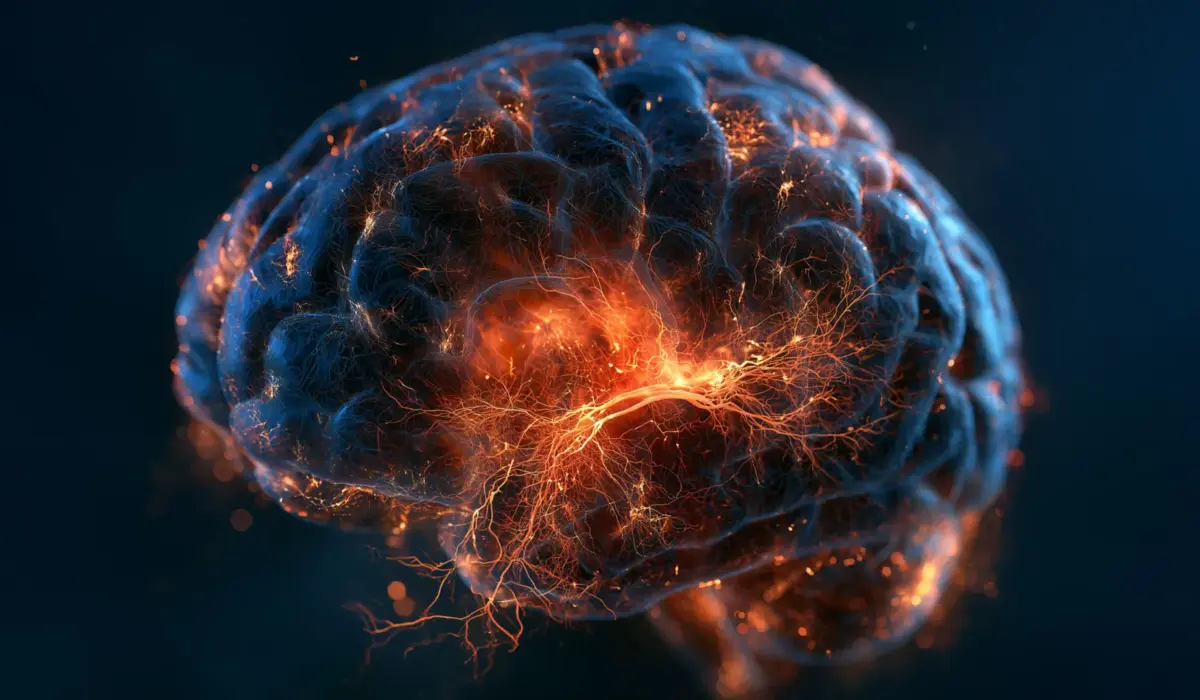
Led by Dr. Maura B. Dupont, professor of psychiatry, the research team provides the first direct, empirical evidence that adult neurogenesis—the continuous generation of newborn neurons—stalls in the brains of individuals suffering from major depressive disorder. Focusing on the hippocampus, a critical hub for memory consolidation and emotional regulation, the investigation reveals that the loss of newborn neurons impairs a cognitive function known as "pattern separation." This deficit traps patients in cycles of cognitive distortion, where benign current events are perpetually misconstrued through the lens of past trauma or negativity.
Beyond neurogenesis, the study’s scope is unprecedented. By analyzing nearly half a million individual brain cells sourced from post-mortem donors using state-of-the-art single-cell transcriptomics and proteomics, the researchers uncovered widespread molecular disruptions throughout the hippocampal trisynaptic circuit. These abnormalities span synaptic plasticity deficits, cellular energy depletion, neuroinflammation, and epigenetic modifications driven by life experiences.
These findings suggest that depression is not a monolithic disease characterized by a singular chemical deficit, but rather a complex, heterogeneous syndrome of neural circuit maladaptation. By mapping these cellular anomalies, the Columbia team hopes to pave the way for a paradigm shift in psychiatry—one that mirrors modern oncology by classifying psychiatric disorders into distinct molecular subtypes, thereby unlocking targeted, precision-medicine therapies.
Detailed Chronology and Methodological Rigor: Inside the Columbia Study
The journey toward this landmark publication required years of meticulous post-mortem tissue analysis, advanced genetic sequencing, and high-resolution computational biology. The research infrastructure was deeply collaborative, integrating the Maura Dupont Lab at Columbia University Irving Medical Center with the JP Sulzberger Columbia Genome Center, the Center for Computational Biology and Bioinformatics, and the Quantitative Proteomics and Metabolomics Center.
The Post-Mortem Tissue Atlas
To capture an accurate, high-resolution snapshot of the depressed human brain, researchers examined nearly 500,000 individual brain cells collected from individuals diagnosed with major depressive disorder and matched healthy control subjects shortly after death. This massive dataset allowed the team to bypass the averaging limitations of bulk tissue sequencing, zooming in on the exact transcriptional activity of every gene within single cells and determining their precise spatial localization within the hippocampal architecture.
Deciphering the Cellular Cascade
The investigation moved systematically through several phases:
- Single-Cell Transcriptomics & Proteomics: Researchers measured gene expression profiles and analyzed whether cellular proteins had undergone pathological alterations in patients with MDD compared to controls.
- Pathways of Cellular Stress: The team identified widespread inflammation and metabolic exhaustion within the trisynaptic circuit—the primary neural pathway through which the hippocampus establishes new emotional memories.
- Epigenetic Fingerprinting: By evaluating epigenetic markers—molecular "dimmer switches" that regulate gene expression without altering the underlying DNA sequence—the researchers mapped how environmental factors like chronic stress, trauma, and aging leave lasting biochemical signatures on brain cells.
The study, titled "Dysregulated adult hippocampal neurogenesis in major depressive disorders," features contributions from an extensive roster of specialists, including Madeleine S. Peng, Jialin Jiang, Lucia Polizzi, Tiancheng Shi, Rakshitha Ramkumar, Victor O. Anosike, Giulia Guasoni, Alexandra M. Wamalwa, Madeline B. Mariani, Cheick A. Sissoko, Alexandria N. Tartt, Camille Fulmore, Gorazd B. Rosoklija, Yung-yu Huang, Victoria Arango, Shujuan T. McDonald, Natasha Bitoljanu, Joseph J. Mann, Phi T. Nguyen, Andrew J. Dwork, Lewis M. Brown, René Hen, Hanga Galfalvy, and Maura B. Dupont.
Supporting Context & Metrics: The Mechanics of Memory and Mood
To understand the profound implications of the Columbia University findings, one must examine the unique anatomical and functional properties of the hippocampus. While the vast majority of the human brain’s approximately 100 billion neurons are generated during embryonic and fetal development, the hippocampus remains one of the rare neurogenic niches in the adult mammalian brain.
The Vulnerable Hippocampus
The hippocampus is heavily implicated in episodic memory—the ability to recall specific events along with their temporal and spatial contexts—as well as the emotional coloration attached to those memories. In healthy individuals, new neurons born in the adult hippocampus integrate into existing neural circuits with high neuroplasticity. These newborn cells are exceptionally responsive to novel experiences, acting as dynamic building blocks for memory storage.
Pattern Separation and Cognitive Distortions
A core finding of the new research ties adult neurogenesis directly to a cognitive computation known as pattern separation. This neurological process allows the brain to distinguish between similar yet distinct experiences, separating the emotional connotations of past memories from current events.
When neurogenesis stalls and hippocampal circuits degrade, pattern separation fails. The consequences for daily psychological functioning are profound:
- Blending of Memories: Distinct life events bleed into one another. A neutral or ambiguous interaction is incorrectly fused with historical memories of rejection, failure, or trauma.
- Biased Information Retrieval: Patients become trapped in cognitive loops, predominantly retrieving negative information from their autobiographical memory stores.
- Loss of Resilience: Without the continuous supply of adaptable new neurons, the brain loses its structural flexibility, rendering the individual incapable of effectively adapting to changing environmental stressors.
Beyond Neurogenesis: A Systemic Circuit Breakdown
Importantly, the Columbia team discovered that the pathology of major depressive disorder is not localized exclusively to stalled neurogenesis. The molecular disruptions cascade across the broader hippocampal ecosystem:
- Synaptic Connectivity Genes: Genes responsible for building and maintaining dendritic spines—the physical connections between neurons—exhibited suppressed or aberrant activity.
- Cellular Energy Deficits: Genes tasked with supplying cellular energy and executing intracellular transport mechanisms showed signs of functional exhaustion.
- Neuroinflammation: Markers of chronic cellular stress and localized inflammation were densely clustered throughout the trisynaptic pathway, suggesting that persistent stress damages the physical fabric of memory circuitry.
Official Statements and Expert Insights
The paradigm-shifting nature of the study has garnered widespread attention across psychiatric and neuroscientific communities. In interviews detailing the research, Dr. Maura Dupont articulated the profound shift required in how modern medicine conceptualizes mood disorders.
"Historically, depression was thought to be a disease of neurotransmitter deficiency, especially serotonin, but we now think that depression stems from multiple issues that affect our neurons’ ability to adapt to stress and changing environments," explains Dr. Dupont. "Without the ability to create new neurons, people with depression may not have the resilience to effectively adapt to the environment."
Dr. Dupont expanded on the clinical manifestations of impaired pattern separation, drawing directly from patient interactions in her psychiatric practice:
"You may be out with a friend for lunch, but she’s tired and doesn’t talk much. With intact pattern separation, you remember this as a unique event. With impaired pattern separation, it becomes mixed with previous memories of feeling rejected, leading you to think, ‘They’re upset with me.’ And I see this a lot in my patients, where they can only retrieve negative information from their memories."
Addressing the potential therapeutic applications of these discoveries, Dr. Dupont highlighted the ultimate goal of reactivating dormant cellular pathways:
"It’s important to emphasize that we do not yet know the complete mechanism, particularly in humans, but the newborn neurons seem to enhance pattern separation because they are especially responsive to new experiences and can be incorporated into new memory circuits more easily, allowing new memories to be stored separately from the old ones. Turning neurogenesis back on may be a way to treat depression in some people by rewiring their hippocampus circuit."
Furthermore, Dr. Dupont emphasized that the diverse array of molecular signatures uncovered in the half-million brain cells points toward a critical realization regarding diagnosis and treatment:
"Overall, the wide range of effects we found could reflect different pathogenetic mechanisms, perhaps indicating that depression is not just one disease… We want to reclassify depression based on its molecular features, similar to what has been done in cancer. Classifying cancers based on their cellular characteristics, not their locations, has led to new and improved treatments. We hope the same will be true for depression and other psychiatric or brain diseases."
Future Outlook: Reclassifying and Treating Depression in the Era of Precision Medicine
The publication of this study in Nature Medicine marks the beginning of a transformative era in neuropsychiatry. By moving beyond symptomatic classification—such as the broad criteria outlined in the DSM-5—researchers are laying the groundwork for a biological taxonomy of mental illness.
1. Molecular Subtyping
Just as oncology abandoned the outdated practice of treating all tumors originating in a specific organ the same way, psychiatry is poised to dissect major depressive disorder into molecularly distinct subtypes. Patients whose depression is primarily driven by stalled neurogenesis may require entirely different therapeutic strategies than those whose illness stems from neuroinflammation, synaptic pruning failures, or specific epigenetic dysregulations.
2. Novel Therapeutics Aimed at Neurogenesis
Current pharmacological treatments primarily target extracellular neurotransmitter concentrations. Future drug development will likely focus on intracellular mechanisms:
- Neurogenic Agonists: Small molecules or biologics designed to reactivate adult neural stem cell proliferation within the subgranular zone of the dentate gyrus.
- Circuit-Repair Agents: Therapeutics aimed at reducing neuroinflammation, restoring cellular energy metabolism, and repairing the structural integrity of dendritic spines within the trisynaptic circuit.
- Epigenetic Modulators: Drugs capable of reversing maladaptive epigenetic modifications induced by chronic stress and trauma, effectively resetting the cellular "dimmer switches" that control gene expression.
3. Precision Psychiatry in Clinical Practice
Integrating single-cell profiling, proteomics, and epigenetic screening into routine psychiatric care remains a futuristic goal, but the Columbia University study provides the foundational roadmap. As biomarkers for specific molecular subtypes are validated in living patients through advanced neuroimaging and blood-based assays, clinicians will be able to prescribe treatments tailored to a patient’s specific neurobiological profile, dramatically improving response and remission rates.
Ultimately, this landmark research reframes major depressive disorder not as a moral failing, a character weakness, or a simple chemical imbalance, but as a tangible physical condition of neural circuit maladaptation and halted cellular renewal. By understanding the molecular language of the depressed brain, medical science is finally illuminating the path toward lasting healing and resilience.