









Executive Overview
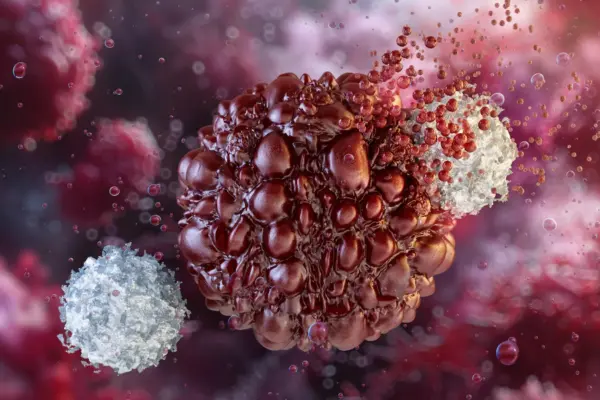
In the ongoing war against cancer, one of the most formidable adversaries clinicians face is the disease’s remarkable capacity for adaptation. Even when an initial round of chemotherapy, targeted therapy, or immunotherapy successfully forces a tumor into retreat, patients all too frequently experience a devastating relapse. These recurrences are driven by drug resistance—an evolutionary phenomenon where a minute fraction of cancer cells withstand treatment, multiply, and rebuild the malignancy from within.
For decades, the standard of care in oncology has been reactive. Physicians administer a treatment until objective imaging or biomarkers reveal that the cancer has begun to grow again, prompting a switch to a second-line therapy. However, a groundbreaking study published in the journal Genetics argues that this waiting game plays directly into the hands of the disease.
Led by Dr. Robert Noble, Senior Lecturer at the Department of Mathematics at City, St George’s, University of London, an international team of mathematical biologists proposes a radical alternative: change therapies while the tumor is still shrinking. Dubbed a "kick it while it’s down" strategy, this proactive approach leverages evolutionary theory to deny surviving cancer cells the time they need to acquire multi-drug resistance. Utilizing advanced mathematical models traditionally reserved for evolutionary ecology—such as tracking how species adapt to climate change—the researchers demonstrate that sequencing therapies prematurely could vastly outperform current clinical guidelines.
While the study is currently rooted in mathematical modeling rather than direct human trials, its implications are profound. Early-stage clinical trials are already underway across soft-tissue sarcoma, prostate cancer, and breast cancer, signaling a potential turning point in how medicine anticipates and neutralizes tumor evolution.
Detailed Chronology: From Academic Collaboration to Mathematical Breakthrough
The genesis of this paradigm-shifting study bridges international borders, academic disciplines, and generations of researchers. The project originated as the final-year capstone work of Srishti Patil, then a master’s student at the Indian Institute of Science Education and Research (IISER) in Pune, India. Under the supervision of Dr. Noble, Patil spent several months embedded at City St George’s, laying the foundational framework for the mathematical models.
The research team was further bolstered by Armaan Ahmed, an undergraduate researcher at Johns Hopkins University, and Dr. Yannick Viossat, a long-term collaborator from Université Paris Dauphine-PSL. Together, this multidisciplinary coalition sought to answer a fundamental question: Can evolutionary principles successfully predict and interrupt the development of drug-resistant cancer cell lines?
To investigate this, the team adapted sophisticated mathematical tools derived from evolutionary biology. In nature, environmental pressures—such as a sudden shift in climate or the introduction of a predator—cull vulnerable populations while allowing individuals with advantageous genetic mutations to survive and reproduce. In the context of oncology, a drug acts as this exact environmental pressure. When a therapeutic agent is introduced, it eradicates the vast majority of susceptible cancer cells. However, if a small subset of cells possesses pre-existing or newly acquired genetic mutations that render them immune to the drug, they survive.
Under standard clinical paradigms, doctors maintain the same drug until the tumor population rebounds to a detectable size. During this prolonged window, the surviving resistant cells continue to divide, accumulating further mutations. By the time the therapy is finally changed, the tumor is no longer just resistant to the first drug; it may already harbor mutations that confer cross-resistance to the second-line therapy.
Dr. Noble and his colleagues mapped this trajectory through mathematical simulations, tracking how different treatment schedules influence cellular composition over time. Their models revealed a counterintuitive yet logical conclusion: by interrupting the first treatment while it is still working and introducing a secondary, distinct therapeutic pressure, clinicians can catch the cancer off-guard. This deprives the resistant subpopulations of the time required to establish dominance, effectively trapping the tumor in a genetic bottleneck.
Supporting Context & Metrics: The Mechanics of Resistance and Evolutionary Parallels
To understand the weight of this new proposal, one must examine the fundamental mechanics of cancer relapse. Tumors are not homogenous masses of identical cells; they are dynamic, evolving ecosystems. As a tumor grows, its cells rapidly divide, introducing random copying errors—mutations—into their genetic code.
While many mutations are deleterious or neutral, a small fraction may alter a protein target, upregulate efflux pumps to expel drugs, or activate alternative survival pathways. When a patient receives a targeted therapy, it acts as a selective filter. The vulnerable cells die, but the resistant mutant cells thrive in the newly vacated biological space.
This evolutionary trajectory mirrors other biological crises well-documented in modern medicine. Dr. Noble draws a direct parallel to the management of infectious diseases:
"Evolutionary approaches have been very successful in other contexts, such as combating antibiotic resistance, or predicting what vaccines we should use in a particular flu season. There is every reason to suppose that similar approaches should work in tumors."
- Antibiotic Resistance: When patients fail to complete a full course of antibiotics, or when bacteria are exposed to suboptimal drug concentrations, the hardiest microbes survive. These bacteria reproduce, passing on resistance genes until standard antibiotics become entirely ineffective.
- Influenza Tracking: Public health agencies do not wait for a flu strain to overwhelm a population before updating vaccines. Instead, they track the evolutionary drift of the virus in real-time, preemptively updating vaccine formulations to target emerging strains before an outbreak peaks.
By applying this exact predictive, evolutionary logic to oncology, the researchers believe medicine can shift from a reactive posture—chasing a moving target—to an anticipatory posture that boxes the cancer into a corner.
However, the mathematical models also introduce sobering boundaries regarding tumor burden. According to the study, a sequence of two therapies, even when timed with absolute precision, is generally sufficient only for relatively small tumors. For larger, more established malignancies, a two-drug sequence runs the risk of leaving behind residual pockets of cells that manage to break through both barriers.
To tackle larger tumors, the models indicate that clinicians must scale up to a sequence of three or more therapies. By subjecting the cancer to a rotating series of distinct pharmacological pressures, the tumor is forced to continuously adapt to changing environments, drastically reducing the probability that any single lineage of cells can accumulate mutations capable of resisting the entire battery of treatments.
Official Statements and Expert Perspectives
The publication of the study in Genetics has sparked widespread discussion across the mathematical biology and oncology communities. Experts note that while the concept of adaptive therapy—giving treatments only when needed or cycling doses to maintain a stable tumor population—has gained traction in recent years, this specific mathematical validation of preemptive switching during regression represents a significant evolution in the field.
Dr. Noble emphasizes that the strategy is not a universal panacea. Implementing multi-drug sequencing requires a nuanced understanding of individual tumor biology:
"Our models predict that this new approach will generally outperform the standard of care. A sequence of two treatments, even if optimally timed, is likely to succeed only in relatively small tumors. But we have reason to hope that switching between three or more treatments, following the same principle, could eliminate larger tumors."
At the same time, the research team is quick to temper expectations regarding immediate clinical translation. The findings, while robust within the realm of mathematical simulation, must navigate the rigorous gauntlet of empirical validation. The transition from theoretical ecology equations to bedside oncology requires accounting for human physiological complexity, drug toxicities, pharmacokinetic variability, and patient-specific immune responses.
Dr. Yannick Viossat highlights the collaborative nature of the breakthrough, noting that bridging evolutionary game theory with practical oncology requires tearing down traditional disciplinary silos. By treating the tumor as an evolving population rather than a static mass, researchers are opening up entirely new conceptual toolsets for oncologists.
Future Outlook: Clinical Trials and the Road Ahead
The jump from computer-generated mathematical models to clinical practice is already underway, marking a critical transition for this line of research. Currently, three small clinical trials are active or in development, testing adaptive and sequential therapy frameworks in human patients diagnosed with:
- Soft-tissue sarcomas
- Prostate cancer
- Breast cancer
These early trials serve as proof-of-concept testing grounds. Researchers are monitoring how patients tolerate strategic shifts in therapy, how biomarkers respond to early drug substitution, and whether real-world outcomes align with the trajectories predicted by Dr. Noble’s models.
Looking forward, successfully implementing a multi-drug anticipatory switching strategy will demand unprecedented precision in oncology. Clinicians will need advanced diagnostic tools—such as highly sensitive liquid biopsies capable of tracking circulating tumor DNA (ctDNA) in real-time—to detect the earliest signatures of treatment adaptation before a clinical relapse becomes visible on standard imaging. Furthermore, oncologists will need to carefully calibrate the timing of each switch to maximize tumor cell eradication while minimizing cumulative toxicities that could compromise a patient’s overall health and immune function.
While substantial work remains before this strategy becomes a standard pillar of cancer care, the study offers a profound philosophical and practical shift. Instead of waiting for cancer to dictate the terms of engagement through resistance and relapse, future oncologists may soon possess the mathematical and pharmacological tools to stay one step ahead of the disease’s evolution—striking the tumor while it is down, and changing the rules of engagement before the cancer can fight back.