





Executive Overview
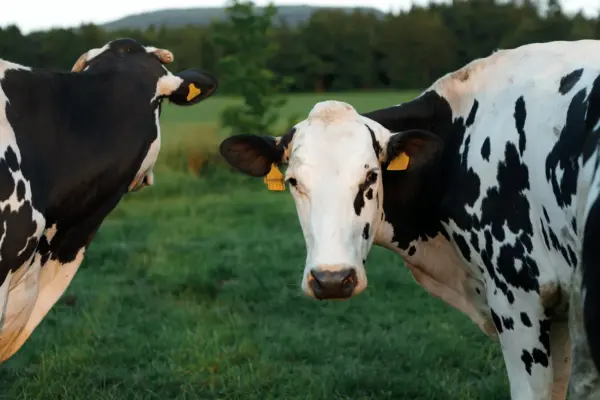
When an unexpected strain of the Highly Pathogenic Avian Influenza (HPAI) H5N1 began sweeping through commercial dairy herds in the United States in early 2024, it completely defied epidemiological expectations. For decades, veterinary science had classified influenza A viruses—particularly avian variants—as primarily respiratory pathogens. When cows across the Texas Panhandle and subsequently across multiple states began falling ill, seasoned veterinarians initially searched for familiar bacterial culprits responsible for standard livestock infections. Instead, they were confronting a novel manifestation of a devastating viral pathogen.
Rather than ravaging the respiratory tracts of cattle, the virus bypassed the lungs and trachea almost entirely, zeroing in with devastating precision on the mammary glands. It caused severe cases of necrotizing mastitis—a painful, tissue-destroying inflammation of the udder that crippled milk production and turned ordinary milking equipment into potent vectors for viral transmission. The scale of the outbreak raised immediate, profound concerns regarding agricultural economics, occupational safety for farm workers, and broader public health implications tied to the food supply chain.
Now, a team of researchers at the University of Pittsburgh School of Public Health, working in collaboration with glycomics experts at Harvard Medical School, has definitively solved this biological enigma. In a groundbreaking study published in the journal Science Advances, the research team has mapped out the precise molecular architecture that explains why H5N1 targeted bovine udders instead of lungs. By utilizing advanced glycomic mapping, binding assays, and ultra-high-resolution imaging, the investigators revealed that a specific subtype of sugar-based molecules—known as N-linked sialic acid receptors—is densely clustered within bovine mammary tissue while remaining virtually absent in the respiratory tracts of cattle.
This landmark discovery does more than simply explain a baffling veterinary anomaly; it fundamentally alters how scientists understand cross-species viral transmission. By establishing a clear methodology for identifying tissue-specific vulnerability, this research provides a predictive framework that could help global health authorities anticipate, monitor, and mitigate future zoonotic spillover events before they catch the scientific community off guard.
Detailed Chronology: From the Texas Panhandle to a Molecular Breakthrough
The unfolding of the 2024 bovine H5N1 crisis represents one of the most unusual chapters in modern veterinary virology. To fully grasp the significance of the recent Pitt Public Health discovery, it is essential to trace the timeline of events from the initial detection in dairy herds to the microscopic revelations in the laboratory.
Phase 1: The Initial Shockwave in Early 2024
In the early weeks of 2024, dairy producers and herd veterinarians in the Texas Panhandle noticed a sudden, alarming drop in milk production among their livestock. Cows were exhibiting distinct signs of acute distress: lethargy, dramatically thickened or discolored milk, and severe, painful inflammation of the udder.
Veterinary teams immediately mobilized, suspecting traditional bovine pathogens. Common suspects included bacterial agents like Staphylococcus aureus or Streptococcus agalactiae, which frequently cause standard bouts of bovine mastitis. Standard diagnostic protocols were initiated, yet routine tests kept turning up negative for the expected bacterial culprits. As the mysterious illness began jumping between dairy herds—facilitated by interstate cattle transportation and shared milking equipment—the economic toll mounted, accompanied by mounting anxiety among agricultural workers who were handling sick animals daily.
Phase 2: The Unmasking of an Unlikely Culprit
The trajectory of the investigation shifted dramatically when diagnostic samples were analyzed by state and federal veterinary laboratories, identifying the pathogen not as a standard bovine illness, but as Highly Pathogenic Avian Influenza H5N1.
The diagnosis stunned the global veterinary community. Avian influenza viruses are historically adapted to waterfowl and wild birds; while they occasionally spill over into mammalian scavengers or carnivores via predation, cows were never previously considered viable hosts for H5N1. The virus was behaving in an unprecedented manner. Instead of causing the characteristic respiratory distress, coughing, and high mortality rates seen in poultry or accidental mammalian victims, the virus was concentrating its assault almost exclusively on the mammary system.
As infected cows shed astronomical concentrations of the virus directly into their milk, secondary risks became apparent. Farm workers faced occupational exposure risks, and domestic pets—particularly barn cats fed raw, unpasteurized milk—began contracting severe, often fatal systemic and neurological infections. Public health agencies quickly issued strict warnings regarding the dangers of consuming raw milk, while emphasizing that commercial pasteurization effectively neutralizes the pathogen, keeping the commercial dairy supply safe.
Phase 3: Unraveling the Glycomic Mystery
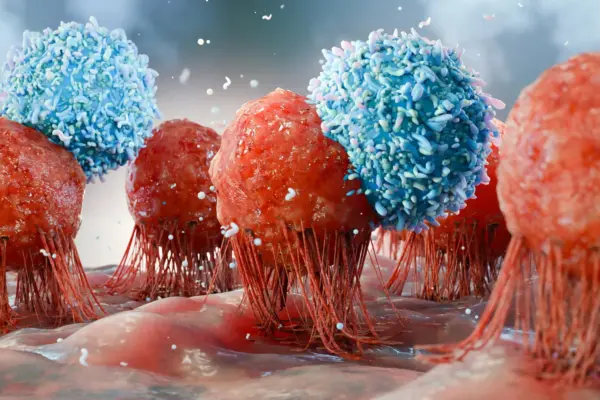
While field veterinarians managed immediate biosecurity controls, molecular virologists sought to understand how H5N1 managed this biological sleight of hand. For decades, it had been established that influenza viruses infect host cells through a lock-and-key mechanism, attaching to specific sugar-based molecules called glycans on the surface of cell membranes.
Earlier preliminary studies by independent research groups had detected generic flu-related glycan receptors within the noses, tracheas, and lungs of cattle. This created a profound scientific contradiction: if cattle possessed respiratory receptors for the virus, why were they entirely free of respiratory symptoms?
Recognizing that broad cellular assays were insufficient, senior author Dr. Suresh Kuchipudi and his team at Pitt Public Health partnered with Harvard Medical School glycomics specialist Dr. Lauren E. Pepi. Together, they deployed a suite of cutting-edge technologies—including ultra-high-resolution imaging, detailed binding assays, and multi-staining protocols—to map the exact architecture of host cell receptors across various bovine tissues.
Phase 4: The Discovery in the Udder
The multi-institutional research team’s meticulous analysis yielded the missing piece of the puzzle. They discovered that not all glycan receptors are created equal. While broad categories of receptors existed in the respiratory tract, H5N1 required a very specific subtype: N-linked sialic acid receptors configured in a precise structural arrangement.
When the researchers mapped these specific receptors across bovine anatomy, the mystery was solved. N-linked sialic acid receptors were densely populated throughout the epithelial tissue of the bovine mammary glands (the udder), yet they were virtually absent within the upper and lower respiratory tracts of cattle. This structural reality transformed the cow’s udder into an ideal, high-efficiency biological breeding ground for the virus, explaining both the localized nature of the infection and the staggering viral loads present in the milk.
Supporting Context & Metrics: The Scale of H5N1 Evolution
To understand the weight of the University of Pittsburgh discovery, one must examine the broader epidemiological landscape of H5N1 and the unique biological metrics that govern influenza adaptability.
The Evolutionary Trajectory of H5N1
The lineage of H5N1 traced back through the 2024 dairy outbreak belongs to the 2.3.4.4b clade, a globally dominant strain of HPAI that has been circulating among wild bird populations since 2020. This particular clade has demonstrated an unprecedented capacity to cross species barriers, infecting wild carnivores, marine mammals, farmed mink, and now, ruminant livestock.
| Epidemiological Parameter | Historical H5N1 Profile (Pre-2020) | Modern Clade 2.3.4.4b Profile (2024 Dairy Outbreak) |
|---|---|---|
| Primary Reservoirs | Wild aquatic birds, domestic poultry | Wild birds, bridge species, commercial dairy cattle |
| Target Tissues in Mammals | Respiratory tract, systemic/neural spread | Mammary glands (bovine), systemic/neural (felines) |
| Transmission Dynamics | Direct contact with respiratory secretions/feces | Fomites, milking machinery, high-titer milk shedding |
| Receptor Specificity | $alpha$-2,6-linked sialic acids (human-like) / $alpha$-2,3 (avian-like) | Highly specific N-linked sialic acid variants in bovine tissue |
The Mechanics of Viral Binding and Glycomics
Glycomics—the comprehensive study of the glycome (the entirety of carbohydrates and glycans within a biological system)—has rapidly emerged as a critical frontier in virology. Viruses do not enter cells at random; their surface proteins (specifically hemagglutinin in influenza viruses) must engage matching molecular structures on the target cell membrane.
In cattle, the unique cellular environment of the mammary glands provides a specific glycosylation pattern that matches the structural demands of the H5N1 hemagglutinin protein. Because these specific N-linked sialic acid receptors are structurally optimized in bovine milk-producing tissues, the virus achieves exceptionally high binding affinity. This explains why an avian pathogen, evolutionarily tuned to the respiratory tracts of birds, could successfully pivot to a completely different organ system in an entirely different biological class of animal.
Economic and Public Health Metrics
The economic impact of the 2024 outbreak has been significant for the U.S. dairy industry. Herds experiencing H5N1 infection suffered temporary drops in milk production ranging from 10% to 30%, accompanied by increased labor costs associated with enhanced sanitation, isolation protocols, and diagnostic testing.
From a public health perspective, the metrics reinforce the critical importance of food safety standards. Extensive testing by the U.S. Food and Drug Administration (FDA) and the U.S. Department of Agriculture (USDA) confirmed that while unpasteurized (raw) milk from infected cows contains massive viral titers, commercial pasteurization effectively inactivates the virus. Nonetheless, epidemiological tracking confirmed spillover infections in domestic cats and a small number of agricultural workers who exhibited mild, transient symptoms (such as conjunctivitis) following direct, unprotected exposure to infected milk.
Official Statements and Expert Perspectives
The publication in Science Advances has drawn widespread acclaim from the scientific and public health communities, highlighting the collaborative nature of modern interdisciplinary research.
Dr. Suresh Kuchipudi, chair of Infectious Diseases and Microbiology at Pitt Public Health and senior author of the study, reflected on the initial confusion and the subsequent relief of uncovering the truth behind the outbreak:
"Mastitis is a classic disease in milk-production animals, and veterinarians were dutifully looking to all the usual suspects for the source, like bacterial pathogens," said Kuchipudi. "When the real culprit turned out to be bird flu, everyone in the field was caught completely by surprise. We hadn’t even remotely considered that cattle could be a host for H5N1."
Addressing the zoonotic and agricultural implications of milk shedding, Kuchipudi added:
"If a cow is infected, it sheds a lot of virus into the milk. This raised concerns about occupational risk for farm workers. Also, there is a habit of feeding raw milk to domestic pets, like cats, and there have been instances of cats dying, which we studied previously. Pasteurization effectively destroys the virus, highlighting the importance of avoiding raw milk."
Detailing the methodological shift required to solve the biological puzzle, Kuchipudi emphasized the complexity of host-pathogen interactions:
"Glycan biology is very complex. We realized that, to understand what was really going on, we would need to use more innovative technologies and map out the fine-detailed architecture that enables the virus to bind to cells."
Dr. Lauren E. Pepi of Harvard Medical School, whose expertise in glycomics proved foundational to the investigation, collaborated closely with the Pittsburgh team to bridge the gap between structural biochemistry and veterinary epidemiology. By breaking down the specific carbohydrate structures lining bovine tissues, the research partnership successfully bridged the gap between clinical observation and molecular reality.
Furthermore, public health officials have underscored that the findings validate existing biosecurity frameworks while urging continued vigilance across the agricultural sector. The integration of advanced glycomic screening into national animal health surveillance programs is now being viewed as an essential step toward intercepting future zoonotic threats.
Future Outlook: Preempting the Next Zoonotic Spillover
The implications of the University of Pittsburgh study extend far beyond the current dairy cattle population. As animal agriculture continues to interact with dynamic wildlife reservoirs, the ability of avian influenza viruses to adapt to new mammalian hosts remains an ongoing concern for global pandemic preparedness.
A Paradigm Shift in Surveillance
Traditionally, virological surveillance has relied heavily on monitoring viral mutations while making broad assumptions about host susceptibility based on gross anatomical similarities. The Pitt Public Health study demonstrates that true vulnerability is governed by microscopic glycan architecture—a layer of biology that can vary wildly between species and even between distinct tissues within the same animal.
By applying the combined methodologies of glycomics, binding assays, and high-resolution imaging, researchers now possess a proactive toolkit. Instead of waiting for a novel virus to cause an outbreak in a new species, scientists can systematically screen domestic livestock, companion animals, and wildlife populations in advance.
As Dr. Kuchipudi noted regarding future defensive strategies:
"We can preemptively screen different species and different tissues within them for susceptibility. For example, would they exhibit respiratory symptoms? Would they show only mastitis, as in cows? Or would they show neurological disease, as our team has shown in cats? The lessons learned could potentially help prevent us from being caught by surprise again."
Preparing for the Road Ahead
The 2024 H5N1 dairy outbreak served as a stark reminder of nature’s evolutionary unpredictability. However, the definitive work conducted by researchers at Pitt, Harvard, Pennsylvania State University, and North Dakota State University transforms an episode of reactive crisis management into a masterclass in scientific foresight.
Moving forward, funding agencies and agricultural bodies are expected to increase support for structural biology and glycomic mapping initiatives. By mapping the molecular lock-and-key mechanisms that dictate viral host range, the scientific community is steadily closing the intelligence gap between emerging pathogens and veterinary defenses—ensuring that the next time a virus attempts to cross the species barrier, humanity is equipped with the molecular roadmap to stop it in its tracks.