



Executive Overview
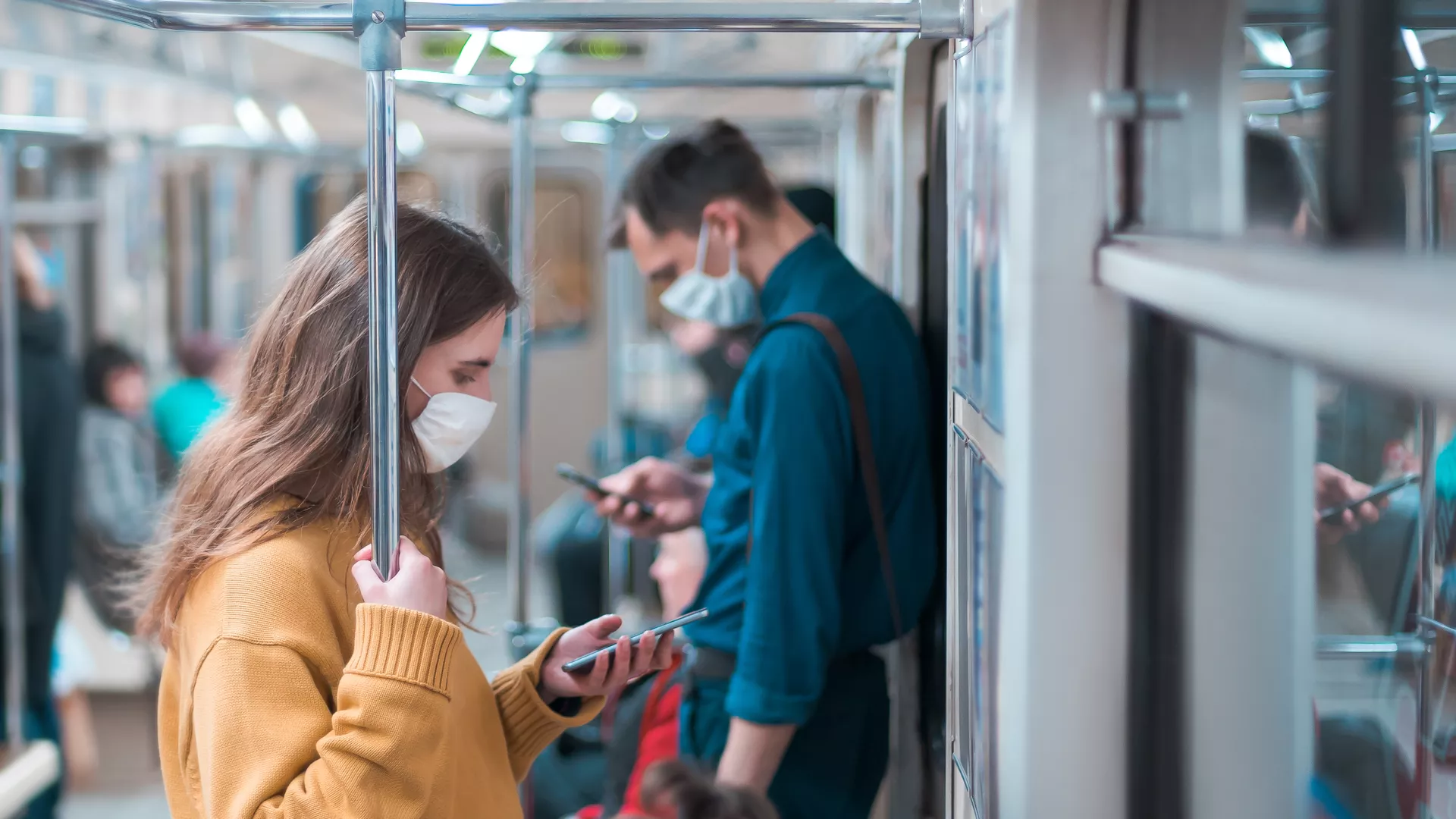
As populations age globally, the mandate of public health is undergoing a profound transformation. Modern longevity is a historic social achievement, but living longer does not automatically equate to living healthier, more connected, or more meaningful lives. Healthcare systems worldwide face an escalating crisis: they are expertly structured to treat acute illnesses in later life, yet they remain ill-equipped to address the creeping, everyday erosion of functional ability, social connection, and purpose that unfolds in communities. Loneliness, reduced mobility, bereavement, ageism, and shrinking social roles are rarely born in clinical settings, and they cannot be cured by medicine alone.
Addressing this paradigm shift requires moving beyond conventional clinical boundaries. A recent conceptual and policy framework published in Frontiers in Public Health by researchers F. Li, H. Suo, S. Chen, and Chengmeng Zhang proposes a radical yet pragmatic solution: treating Integrated Community Arts Engagement not merely as recreational or cultural provision, but as foundational preventive infrastructure for healthy aging.
Rather than medicalizing the arts or reducing them to cost-saving clinical interventions, the authors outline a system-level framework that unites everyday cultural participation with public health, social care, and local governance. By establishing clear pathways for policy recognition, community referral, sustainable provision, mixed-methods evaluation, and cross-sector governance, this model reimagines how aging societies can build humane, locally grounded, and culturally responsive approaches to prevention.
Detailed Chronology: The Evolution of Arts in Public Health
The convergence of arts, culture, and health is not entirely new, but its conceptual evolution has accelerated dramatically over the past two decades. Understanding how the field moved from isolated community projects to systemic public health frameworks reveals a clear developmental trajectory:
- Phase 1: The Emergence of Arts and Health Interventions (Early 2000s–2010s). Initial efforts largely focused on project-based pilots. Arts activities—such as hospital choir groups, painting workshops in care homes, or museum visits for dementia patients—demonstrated clear anecdotal benefits to mental wellbeing and quality of life. However, these initiatives remained isolated, heavily dependent on short-term funding, and disconnected from mainstream public health strategies.
- Phase 2: The Rise of Social Prescribing (Mid-2010s–Present). Health systems began experimenting with "social prescribing," creating formal and informal mechanisms for primary care workers to refer patients to non-clinical community resources. While this bridged clinical and community settings, critics noted that referral alone often overwhelmed fragile community programs or failed to match services to participants’ cultural preferences.
- Phase 3: Toward Creative Health and System Integration (Current Landscape). Contemporary frameworks now push past simple referral models. Scholars recognize that sustainable impact requires embedding arts engagement deeply into the architecture of public health systems. The newly proposed "Integrated Community Arts Engagement" framework marks a critical milestone in this evolution, shifting focus from isolated interventions to systemic, equitable, and cross-sector infrastructure.
Supporting Context & Mechanisms: How Arts Drive Healthy Aging
To understand why arts engagement belongs in public health planning, the framework identifies six core, overlapping mechanisms through which cultural participation supports older adults. Rather than acting as a single medical treatment, arts engagement simultaneously stimulates multiple dimensions of human experience:
- Social Connection: Group-based activities like choirs, dance classes, or craft circles provide a shared focus. This lowers the psychological barrier to social contact, offering a natural antidote to isolation for individuals who might resist joining programs explicitly labeled as "loneliness support."
- Emotional Expression: Art forms bypass direct verbal explanation, giving older adults safe symbolic outlets to process grief, joy, anxiety, and shifting self-images in later life.
- Physical Activation: Gentle movement, rhythm, posture control, breath work, and fine motor skills embedded in dance, theater, and crafts encourage physical activity without the intimidation factor of clinical exercise regimes.
- Cognitive Stimulation: Engagement involving memory, imagination, sequencing, and interpretation—such as theater role-playing or museum discussions—supports cognitive health within a socially embedded context.
- Identity and Meaning: Participation transforms how older adults are perceived, moving them from passive recipients of care ("patients") to active creators ("singers, dancers, painters, and makers") with ongoing societal value.
- Cultural Belonging: Grounding activities in regional traditions, local languages, or migration-specific heritage fosters deep continuity and community cohesion, particularly for marginalized or rural populations.
Operationalizing Policy Pathways
To move these mechanisms from theory to practice, the framework outlines five essential policy pathways:
- Policy Recognition: Explicitly writing arts engagement into healthy aging strategies, loneliness frameworks, and age-friendly community plans.
- Community Referral: Establishing diverse referral channels (via link workers, social workers, and community centers) rooted in personal preference and choice rather than top-down mandates.
- Sustainable Provision: Securing long-term commissioning, accessible venues, transport support, and trained facilitators to prevent pilot-project burnout.
- Suitable Evaluation: Utilizing mixed-methods and realist evaluation (asking what works, for whom, and in what circumstances) rather than relying exclusively on clinical metrics.
- Cross-Sector Governance: Fostering shared responsibility across health, culture, local government, and older adults themselves through co-design and value co-creation.
Official Statements & Framework Insights
The study’s authors emphasize that health in later life is fundamentally shaped by ordinary social and cultural environments. As noted in the conceptual analysis, transforming arts engagement into preventive infrastructure requires an explicit commitment to equity and local adaptation:
"Reframing arts engagement as preventive infrastructure does not medicalize the arts. Rather, it recognizes that health in later life is shaped in ordinary social and cultural settings… The arts are not a decorative addition to healthy aging policy. They are one way of making longer lives more connected, meaningful, and livable."
The researchers also point to international contexts—such as China’s robust ecosystem of community centers, senior universities, and popular public square activities—to demonstrate how grassroots cultural participation can be better aligned with primary care, neighborhood governance, and health equity initiatives without losing its organic community spirit.
Future Outlook & Implementation Challenges
While the integrated community arts framework offers a compelling vision for the future of public health, the authors are careful to outline significant challenges that must be addressed through future empirical research:
- Mitigating Inequality: Without deliberate interventions addressing cost, transport, digital exclusion, and disability access, expanded arts programs risk reproducing existing socioeconomic inequalities, primarily benefiting already-advantaged older adults.
- Avoiding Instrumentalization: Policymakers must balance the "instrumental" value of the arts (e.g., reducing healthcare utilization) with their inherent cultural and human value, ensuring older participants are never treated as mere data points for funding metrics.
- Rigorous Empirical Testing: Because much of the existing data remains observational, future implementation research must utilize mixed-methods designs, equity-focused monitoring, and realist evaluations to rigorously test hypothesized pathways across diverse global contexts.
Ultimately, as global populations continue to age, the integration of community arts into public health infrastructure represents a vital step toward building humane, resilient, and culturally responsive societies where later life is defined not by decline, but by continued connection, dignity, and purpose.