









Executive Overview
Kombucha has successfully transitioned from a niche, counterculture health-drink staple into a dominant global beverage phenomenon. Lined neatly on the refrigerated shelves of mainstream supermarkets and artisanal cafes alike, this effervescent, pleasantly tart fermented tea is celebrated as much for its complex sensory profile as it is for its association with health-conscious living. Yet, beneath the commercial polish and the vibrant marketing campaigns of modern kombucha breweries lies a complex biological and chemical ecosystem.
For decades, both commercial producers and home-brewing enthusiasts have operated under a generalized assumption: that kombucha is largely defined by the action of its symbiotic culture of bacteria and yeast—collectively known as a SCOBY—acting upon sweetened water and a basic tea substrate. However, a landmark study published in the peer-reviewed journal Food Chemistry by an interdisciplinary team of researchers from the Wrocław University of Environmental and Life Sciences and Wrocław Medical University challenges this fundamental premise.
Led by Associate Professor Helena Moreira, PhD, alongside Associate Professor Ewa Barg, PhD, and Anna Szyjka, MSc Eng., the research team set out to answer a deceptively simple question: Does the foundational choice of tea—the botanical starting material—fundamentally dictate the chemical, aromatic, and biological destiny of the final kombucha product?
Utilizing advanced chromatographic techniques and mass spectrometry to track hundreds of distinct chemical compounds, the researchers uncovered a startling reality. The type of tea utilized acts far beyond a passive brewing base; it serves as a highly active chemical matrix that radically shapes the trajectory of fermentation. Even under identical environmental and microbial conditions, utilizing black, green, white, oolong, or pu-erh teas yielded beverages with profoundly divergent chemical compositions, aromatic profiles, and antioxidant capacities.
Green and oolong tea-based kombuchas, in particular, emerged as powerhouses of biological activity, exhibiting superior free-radical scavenging capabilities. At the same time, the sensory profiles shifted dramatically across varieties, spawning distinct flavor notes ranging from grassy and vegetal to richly floral and deeply earthy. These findings elevate our understanding of fermented foods, demonstrating that kombucha is not a monolithic beverage, but rather a diverse family of functional liquids uniquely bound to their raw agricultural origins.
Detailed Chronology of the Research
The path to decoding the biochemical alchemy of kombucha required a meticulous, highly controlled experimental design. To understand how different tea leaves modulate the fermentation process, the researchers at Wrocław structured their study to isolate variables while capturing the full breadth of biochemical transformations.
Phase One: Selection of the Botanical Matrix
The research team curated a representative spectrum of true teas—all derived from the Camellia sinensis plant, yet subjected to vastly different processing, oxidation, and aging techniques. The selection encompassed:
- Black Tea: Fully oxidized leaves known for robust, malty, and tannic profiles.
- Green Tea: Unoxidized leaves retaining high concentrations of native catechins and a fresh, vegetal character.
- White Tea: Minimally processed, delicate young buds and leaves possessing subtle flavor compounds.
- Oolong Tea: Partially oxidized leaves occupying the middle spectrum between green and black teas, renowned for complex floral and fruity notes.
- Pu-erh Tea: Post-fermented, aged compressed tea leaves offering deep, earthy, and woody characteristics.
Each tea variety was brewed under standardized conditions, sweetened with a uniform concentration of sucrose, and inoculated with an identical microbial consortium (SCOBY) to ensure that any resulting differences in the finished beverages could be attributed solely to the initial tea matrix rather than environmental variables or microbial variance.
Phase Two: Monitoring the Biotransformation
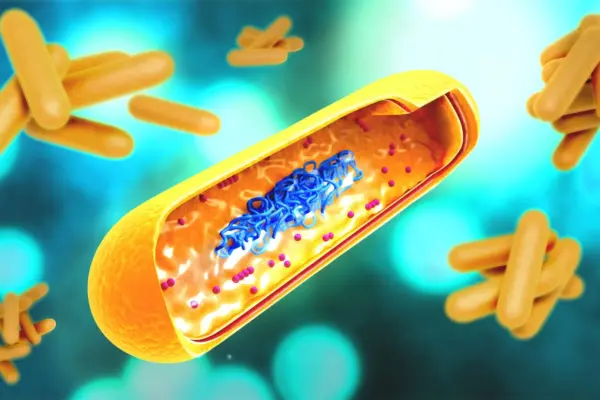
Once inoculated, the mixtures were allowed to undergo standard fermentation. The researchers closely tracked the dual-stage biological conversion executed by the SCOBY:
- The Yeast Phase: Yeasts within the symbiotic culture initiate the process by hydrolyzing sucrose into glucose and fructose, subsequently metabolizing these simple sugars into ethanol and carbon dioxide ($textCO_2$). This phase introduces initial effervescence and provides the foundational alcohol substrate for the subsequent bacterial phase.
- The Bacterial Phase: Acetic acid bacteria and other specialized bacteria take the metabolic products of the yeast—primarily ethanol—and convert them into organic acids. The dominant byproducts of this stage are acetic acid (giving kombucha its characteristic vinegar-like tartness) and gluconic acid.
Concurrently, the research team observed the radical breakdown and restructuring of the tea’s native polyphenols, catechins, and volatile compounds. Rather than simply surviving the acidic environment, many of these complex botanical molecules were actively metabolized by the SCOBY microorganisms, disappearing entirely and giving rise to an entirely new generation of secondary metabolites.
Phase Three: Advanced Analytical Profiling
To map these chemical shifts with microscopic precision, the research team deployed advanced chromatographic methods coupled with mass spectrometry. This high-resolution analytical framework allowed the scientists to screen, identify, and quantify hundreds of individual chemical compounds simultaneously.
By comparing the pre-fermentation chemical makeup of the brewed teas against the post-fermentation profiles of the mature kombuchas, the team mapped the precise metabolic pathways influenced by the tea matrix. The data revealed that the scale of transformation was vastly greater than anticipated. Compounds associated with floral and fruity aromas—specifically linalool and 2-phenylethanol, molecules naturally found in essential oils and blooming flowers—proliferated during the fermentation of specific tea bases, fundamentally redefining the sensory landscape of the drink.
Supporting Context & Metrics: Chemistry, Antioxidants, and Volatiles
To fully grasp the significance of the Wrocław study, it is necessary to examine the underlying metrics of tea chemistry and how fermentation acts as an amplifier, modifier, and creator of bioactive compounds.
The Chemical Anatomy of Tea
True tea (Camellia sinensis) is naturally rich in phytochemicals, most notably polyphenols (such as flavonoids and flavonols), catechins (such as epigallocatechin gallate, or EGCG), alkaloids (caffeine and theophylline), and various amino acids like L-theanine. However, the concentration and structural form of these compounds vary wildly depending on how the leaves are harvested and processed.
- Green teas, lacking oxidation, retain the highest baseline levels of unpolymerized catechins.
- Black teas, through enzymatic oxidation, see their simple catechins polymerized into complex theaflavins and thearubigins.
- Oolongs represent a complex hybrid state containing both monomeric catechins and early-stage polymeric structures.
The Fermentation Cascade and Volatile Profiles
When the SCOBY is introduced, it does not simply consume sugar; it chemically interacts with these complex polyphenol structures. The study’s chromatographic analysis demonstrated that the microbial enzymes break down large polyphenol chains into smaller, highly bioavailable phenolic acids.
Simultaneously, the generation of volatile aromatic compounds creates the signature sensory bouquet of kombucha. The identification of elevated levels of linalool (conferring sweet, citrus, and lavender notes) and 2-phenylethanol (responsible for a rich, rose-like aroma) highlights how microbial metabolism synthesizes pleasant sensory notes out of neutral or bitter precursors.
Furthermore, the study quantified the antioxidant capacity of the resulting beverages using specialized free-radical scavenging assays. The results provided quantitative backing to the botanical differences:
- Green Tea Kombucha: Demonstrated the highest baseline retention of antioxidant activity, efficiently neutralizing synthetic free radicals due to the preservation and microbial transformation of native catechins.
- Oolong Tea Kombucha: Performed comparably to green tea, exhibiting exceptional biological potential and free-radical scavenging capacity. The intermediate oxidation state of oolong provided a unique suite of polyphenols that interacted synergistically with the SCOBY.
- Black and Pu-erh Kombuchas: While displaying robust, earthy, and complex flavor profiles characterized by higher concentrations of heavier organic acids and darker fermentation byproducts, their free-radical scavenging metrics were distinct from their greener counterparts, proving that high sensory intensity does not inherently equate to peak antioxidant activity.
Official Statements and Expert Insights
The implications of this research extend far beyond academic curiosity, offering valuable insights for commercial manufacturers, nutritionists, and consumers navigating the crowded functional beverage market.
Reflecting on the unexpected magnitude of their findings, Associate Professor Helena Moreira, PhD, from the Department of Basic Medical Sciences and Immunology at Wroclaw Medical University, emphasized the active role of the raw ingredient:
"The type of tea acts as a specific matrix that shapes the course of fermentation and the final composition of kombucha. Individual teas differ in their content of polyphenols, catechins, caffeine, and other bioactive compounds, which are subsequently metabolized by SCOBY microorganisms. As a result, fermentation proceeds with different dynamics, and the final beverages differ in both chemical and aromatic profiles."
Dr. Moreira noted that the sheer variability caught the research team off guard, given that every batch was subjected to identical brewing times, temperatures, and microbial inoculants:
"The most surprising aspect was the scale of changes occurring during fermentation and how strongly they depended on the type of tea used. Despite identical fermentation conditions, we obtained kombuchas with highly distinct profiles of volatile aromatic compounds."
Addressing the biological data—specifically the superior antioxidant performance observed in green and oolong variants—Dr. Moreira reinforced the connection between botanical choice and functional properties:
"The results of our research indicate that the type of tea influences not only the taste and aroma, but also the biological activity of kombucha. Particularly interesting results were obtained for kombuchas prepared from green and oolong teas, which demonstrated the highest biological potential."
However, the research team issued an important cautionary note regarding the translation of laboratory assays to human physiology, maintaining rigorous scientific integrity:
"Further clinical studies are necessary to clearly confirm the impact of particular types of kombucha on human health."
Placing these findings into the broader context of modern nutritional science, Dr. Moreira highlighted the cultural and scientific renaissance currently surrounding fermented foods:
"Fermented foods are currently at the center of scientific interest because they combine traditional technologies with a modern approach to health and nutrition. Kombucha is a very good example of a product in which chemical composition, biological activity, and sensory profile result from complex interactions between the raw material and fermentative microorganisms."
Future Outlook: The Next Frontier in Fermented Beverage Science
The publication of this study in Food Chemistry marks a turning point in how food scientists, commercial brewers, and consumers conceptualize fermented beverages. For decades, the kombucha industry has marketed products largely based on flavor additions—such as ginger, hibiscus, berry purees, or citrus juices—while treating the underlying tea base as a generic, interchangeable canvas.
The Wrocław study proves that this approach overlooks the foundational chemistry of the drink. By demonstrating that the choice of tea irrevocably alters everything from volatile aromatic synthesis to antioxidant capacity, the research opens up entirely new avenues for product development and quality standardization.
Implications for Commercial Brewing
In the wake of these findings, commercial kombucha producers are likely to reevaluate their sourcing and formulation strategies. Rather than defaulting to cheap, highly commercialized black tea extracts due to cost or tradition, craft breweries may begin designing targeted, single-origin kombuchas that leverage the specific biological and aromatic traits of high-grade oolongs, delicate white teas, or specialized green teas.
Furthermore, the data suggests that master brewers can fine-tune their functional outputs—such as targeting specific antioxidant profiles or distinct flavor profiles like vegetal freshness, floral notes, or earthy complexity—by deliberately pairing specific tea matrices with tailored SCOBY strains.
The Horizon of Clinical Research
While laboratory assays utilizing mass spectrometry and free-radical scavenging models provide a precise map of chemical potential, the ultimate frontier lies in human clinical trials. Nutritional scientists must now take the distinct chemical profiles identified by the Wrocław team and test them in human subjects.
Key questions remain to be answered:
- Do the elevated antioxidant levels in green and oolong kombuchas translate to measurable systemic reductions in oxidative stress in vivo?
- How do the distinct secondary metabolites generated across different tea bases interact with the human gut microbiota?
- Do variations in residual polyphenols and organic acids affect digestion, glycemic response, or immune modulation differently depending on whether the base was black, white, or pu-erh tea?
As funding and research interest in the human microbiome and functional nutrition continue to expand, kombucha will undoubtedly remain a focal point of scientific inquiry. The work of Dr. Moreira, Dr. Barg, and Anna Szyjka has provided the foundational baseline necessary to elevate kombucha from an artisanal trend to a rigorously understood functional food, proving that when it comes to the chemistry of fermentation, every leaf tells a different story.