






Executive Overview
In a discovery that challenges foundational paradigms in evolutionary biology and immunology, an international team of researchers has uncovered a radically distinct antiviral defense mechanism in sea anemones—ancient marine invertebrates that diverged from the human evolutionary lineage over 600 million years ago. Published in the peer-reviewed journal Nature Ecology & Evolution, the study reveals that these gelatinous coastal dwellers utilize a specialized protein that bears a striking structural resemblance to MAVS (Mitochondrial Antiviral Signaling protein), one of the cornerstone antiviral proteins in vertebrates, including humans.
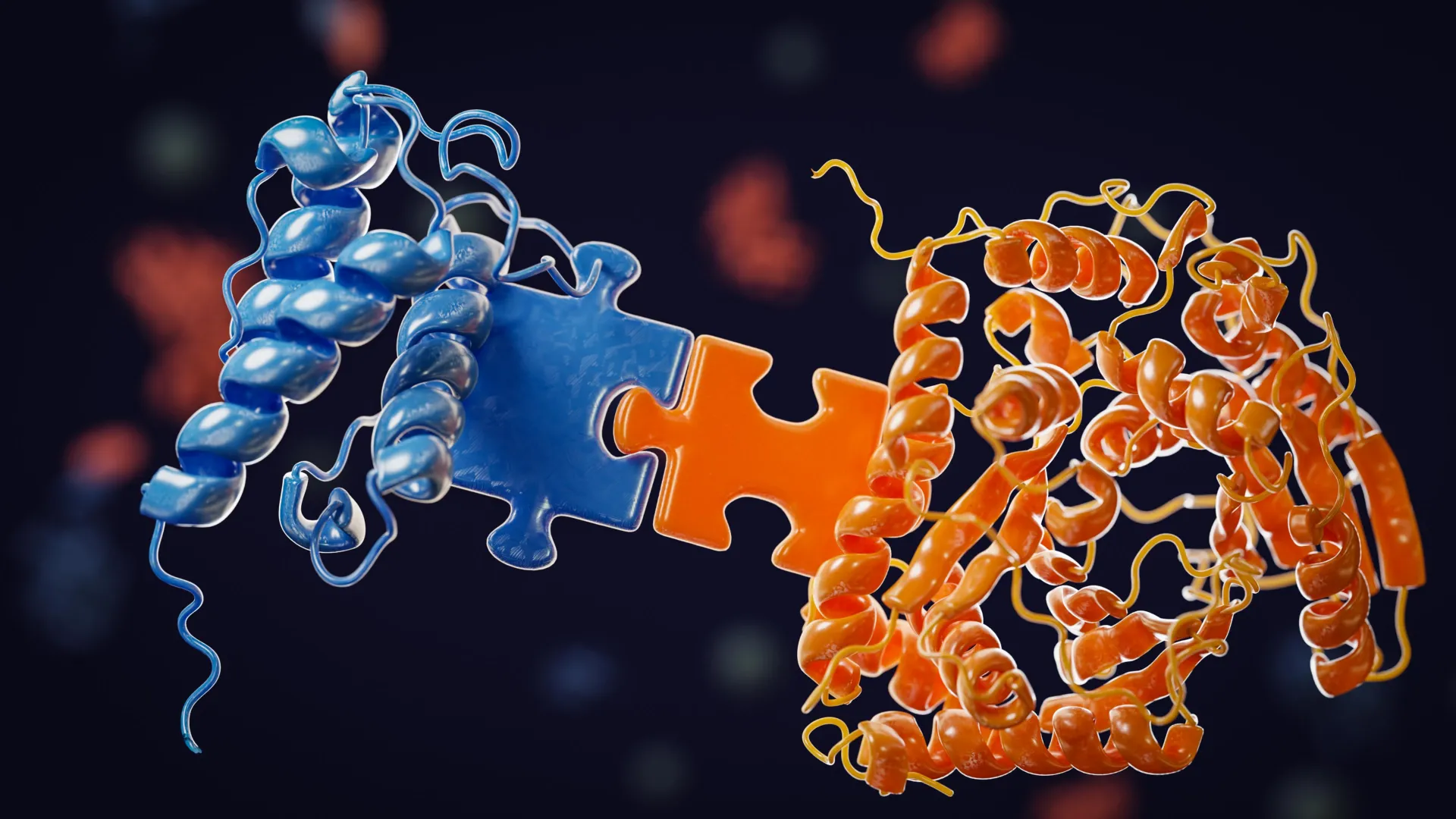
However, despite this striking molecular mimicry, the protein performs the exact inverse function. Named CARDIB (CARD Inhibitor Binding protein) by the research team, this newly isolated molecule acts not as an immunological accelerator, but as a physiological brake.
Led by PhD candidate Ton Sharoni and Professor Yehu Moran of the Hebrew University of Jerusalem, in close collaboration with molecular biologists at the University of North Carolina at Charlotte, the research fundamentally upends the long-held orthodoxy that all animals inherited a singular, highly conserved core antiviral response system from a common ancestor. Instead, the findings suggest that the animal kingdom has engineered multiple, highly divergent evolutionary strategies to combat viral pathogens.
By employing cutting-edge CRISPR-Cas9 gene-editing technologies alongside rigorous ecological validation trials in natural estuarine environments, the research team demonstrated that suppressing the immune system is, paradoxically, essential for mounting a successful antiviral defense in sea anemones. This investigation not only reshapes our understanding of innate immunity across the tree of life, but it also underscores the critical importance of looking beyond traditional mammalian model organisms to unlock nature’s hidden biochemical innovations.
Detailed Chronology: Unraveling the CARDIB Enigma
The Pursuit of Ancient Origins
The genesis of this breakthrough lay in a fundamental biological question: How old is the vertebrate immune system, and how did complex multicellular organisms first defend themselves against rapidly mutating viral threats?
Viruses have plagued life on Earth for billions of years, exerting relentless evolutionary pressure on every living lineage. In modern humans and other vertebrates, the innate immune system relies heavily on molecular sentinels capable of detecting viral nucleic acids. Among the most critical nodes in this network is MAVS. When a viral infection breaches a human cell, intracellular receptors identify foreign molecular signatures and signal MAVS to orchestrate a rapid, cascading inflammatory and antiviral defense.
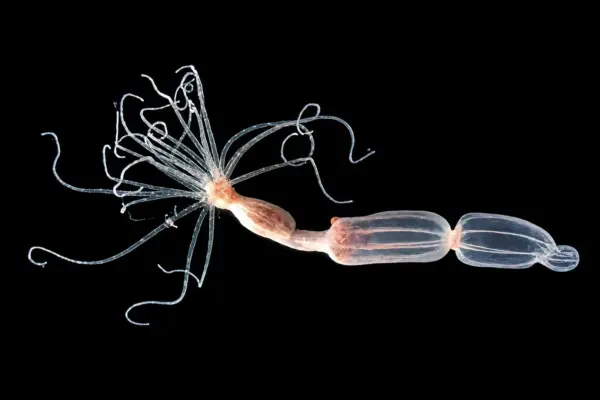
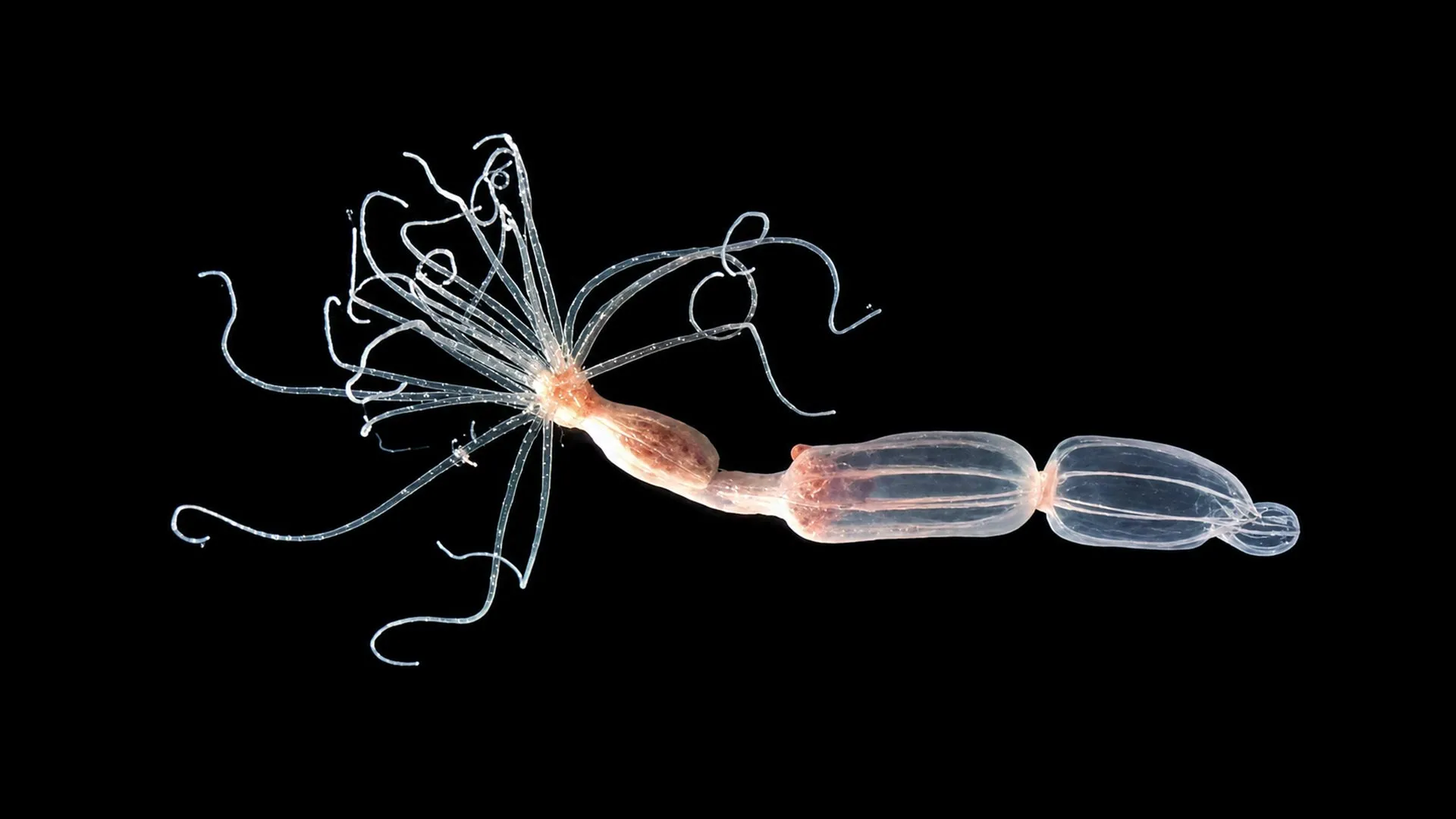
To determine whether this specific signaling architecture originated deep within the metazoan tree, Sharoni and Moran turned to Nematostella vectensis (the starlet sea anemone). As cnidarians—a phylum that includes corals, hydras, and jellyfish—sea anemones share a common ancestor with humans that lived during the Precambrian era, more than 600 million years ago. Because cnidarians diverged before the evolution of bilateral symmetry, bone, and centralized nervous systems, they represent a vital evolutionary outgroup for comparative immunology.
The Misleading Molecular Doppelgänger
Initial genomic and structural analyses of the sea anemone proteome yielded an immediate point of intrigue: the researchers identified a gene encoding a protein containing a caspase recruitment domain (CARD), structurally mirroring the mammalian MAVS protein.
Given this high degree of structural homology, the working hypothesis was straightforward: CARDIB was the ancient, invertebrate evolutionary equivalent of MAVS, serving to galvanize the sea anemone’s cellular defenses upon viral detection.
The hypothesis, however, quickly unraveled during functional characterization.
"Everything about CARDIB suggested it should function like MAVS," recalled Professor Moran, head of the Department of Ecology, Evolution and Behavior at the Hebrew University of Jerusalem. "Instead, we discovered that it does the exact opposite. Rather than activating antiviral defenses, CARDIB normally suppresses them."
The protein did not trigger defensive cascades; it dialed them back. This counterintuitive finding shifted the trajectory of the study from a routine evolutionary homology search into a deep investigation of immune regulation.
Putting the Brake on Immunity: CRISPR Gene Editing
Why would an organism deploy a protein designed to suppress its own immune system when confronting an infectious pathogen?
To answer this, the research team deployed CRISPR-Cas9 genome editing to disrupt the CARDIB gene within sea anemones, effectively removing the molecular "brake" from their cellular machinery. The genetically modified anemones were subsequently exposed to viral challenges.
The outcome defied conventional immunological expectations. Far from displaying heightened resistance due to the removal of an immune inhibitor, anemones lacking CARDIB exhibited profound vulnerability. Viral pathogens replicated at significantly accelerated rates within their tissues, the animals’ cells failed to coordinate an effective defensive response, and overall survival rates plummeted.
"The results were completely counterintuitive," noted Sharoni. "Although CARDIB acts as a brake on the immune system under normal conditions, that brake turns out to be essential for mounting an effective antiviral response."
This paradoxical dynamic revealed that unregulated, hyperactive immune signaling is just as detrimental to a sea anemone as an underactive response. Without the precise regulatory modulation provided by CARDIB, the animal’s immune system collapses into dysfunction, unable to clear the pathogen efficiently.
Supporting Context & Metrics: Laboratory to Field Validation
To ensure that these observations were not merely an artifact of controlled laboratory aquarium conditions, the researchers designed a rigorous ecological validation phase.
Transitioning to Natural Mesocosms
Controlled laboratory environments often fail to replicate the complex biochemical, microbial, and hydrodynamic pressures of natural habitats. To test the real-world efficacy of the CARDIB-mediated immune pathway, the researchers relocated genetically modified sea anemones from sterile aquaria into outdoor marine mesocosms.
These mesocosms were continuously supplied with raw, unfiltered estuarine water sourced from South Carolina, exposing the test subjects to a shifting milieu of natural viral loads, bacteria, protozoa, and environmental stressors.
Quantitative Ecological Findings
The ecological trial yielded stark contrasts within days of deployment:
- Viral Accumulation: Sea anemones lacking the CARDIB gene accumulated substantially higher viral titers within their tissues compared to wild-type control groups.
- Pathogen Diversity: The exposure to natural estuarine waters demonstrated that secondary immune genes—which appeared only marginally significant during isolated laboratory assays—played critical, non-redundant roles in maintaining homeostasis under ecological stress.
- Survivability Metrics: Unmodified control anemones successfully modulated their viral load and maintained physiological stability, whereas the knockout subjects suffered rapid tissue degradation when subjected to multi-pathogen environmental pressures.
This phase of the study provided definitive proof that the newly discovered pathway is an ecologically vital evolutionary adaptation, rather than an evolutionary anomaly.
Official Statements and Expert Analysis
The implications of the research extend far beyond invertebrate biology, offering a profound reassessment of how immunology is studied across the animal kingdom.
"Humans and sea anemones both need protection from viruses, but this work shows that evolution can organize those defenses in fundamentally different ways," stated Professor Moran during a press briefing following the publication. He emphasized that the biomedical research community has historically suffered from taxonomic narrowness, concentrating disproportionately on a small handful of model organisms such as mice, rats, and humans.
"When we restrict our gaze to traditional mammalian models, we miss the vast majority of nature’s biochemical creativity," Moran added. "Ancient organisms like sea anemones preserve solutions to evolutionary challenges that were abandoned or never pursued in the vertebrate lineage."
Ton Sharoni highlighted the methodological importance of integrating gene editing with natural ecosystem testing. "Biology cannot be fully understood in a vacuum. By taking our laboratory models and placing them directly into natural estuarine mesocosms, we bridged the gap between molecular biochemistry and evolutionary ecology. CARDIB proves that immune system evolution is not a straight ladder of progress, but a branching web of ingenious, alternative solutions."
Future Outlook: Implications for Medicine and Evolutionary Biology
The identification of CARDIB and its unorthodox regulatory mechanism opens several compelling avenues for future research across multiple scientific disciplines.
1. Broadening the Discovery of Non-Canonical Immune Regulators
Immunologists are now prompted to re-examine other invertebrate and basal metazoan genomes for analogous regulatory proteins. It remains an open question whether other marine invertebrates—such as sponges, ctenophores, and deep-sea corals—harbor entirely unique antiviral pathways that utilize structural homologs of vertebrate signaling proteins in reverse roles.
2. Pharmacological Parallels and Autoimmune Research
In human medicine, many autoimmune and inflammatory diseases—such as lupus, rheumatoid arthritis, and Crohn’s disease—are characterized by a failure of the body’s natural immune brakes, leading to chronic, destructive inflammation. Understanding how sea anemones successfully utilize a protein to suppress and calibrate immune responses without inducing immunodeficiency could inspire novel pharmacological strategies for modulating human immune pathways.
3. Marine Conservation in a Warming Climate
As global climate change drives ocean acidification, warming sea surface temperatures, and subsequent shifts in marine viral and microbial ecologies, understanding the baseline immune mechanics of foundational reef-building species (such as corals and anemones) becomes a conservation imperative. Deciphering how these organisms resist viral epidemics in nature provides critical data for predicting how marine ecosystems will respond to ongoing anthropogenic environmental shifts.
Ultimately, the sea anemone’s unexpected defense strategy serves as a humbling reminder of nature’s vast evolutionary inventiveness. While human medicine often seeks uniform biological rules, life on Earth has repeatedly demonstrated that survival is governed by an extraordinary diversity of paths—proving that sometimes, to successfully fight an infection, an organism must first learn how to hit the brake.