










Executive Overview
The landscape of nephrology and endocrinology management is facing a potential paradigm shift following compelling new data presented at the 63rd European Renal Association (ERA) Congress. According to comprehensive observational findings, a widely prescribed class of antihypertensive medications—dihydropyridine calcium-channel blockers (DCCBs)—may be directly linked to accelerated renal function decline and adverse kidney outcomes in individuals suffering from type 2 diabetes (T2D).
Most alarmingly, this heightened risk persisted even among patients concurrently receiving modern, gold-standard renal-protective therapies, such as sodium-glucose cotransporter-2 (SGLT2) inhibitors and renin-angiotensin system (RAS) inhibitors.
Diabetic kidney disease (DKD) remains a formidable global health crisis, acting as one of the leading drivers of end-stage renal disease (ESRD) and precipitating the need for costly, life-sustaining interventions like dialysis or renal transplantation. While blood pressure control has long been considered the bedrock of managing microvascular complications in diabetes, this groundbreaking research suggests that the choice of antihypertensive agent may be far more critical than previously appreciated.
By analyzing real-world health data spanning more than 31,000 patients, investigators identified a statistically significant 33% relative risk increase for major adverse kidney events among those receiving DCCB therapy alongside standard regimens.
While the observational nature of the research precludes definitive causal claims, the sheer scale of the patient cohort and the consistency of the risk signal have sent ripples through the international nephrology community. As healthcare providers grapple with optimizing polypharmacy regimens for millions of vulnerable patients worldwide, these findings underscore an urgent need for randomized controlled trials to reevaluate second-line hypertension management in diabetic kidney disease.
Detailed Chronology
To fully understand the gravity of these newly presented findings, it is essential to trace the clinical timeline of how clinicians manage blood pressure, systemic microvascular damage, and diabetic kidney disease.
The Historical Baseline: Managing Hypertension in Diabetes
For decades, the medical consensus has established that systemic hypertension accelerates the natural history of diabetic microvascular damage. Chronically elevated blood pressure forces high-pressure blood into the delicate capillary networks of the renal glomeruli—the microscopic filtering units of the kidneys. Over time, this mechanical stress thickens the glomerular basement membrane, prompts mesangial matrix expansion, and leads to glomerulosclerosis, progressively robbing the kidneys of their filtration capacity.
Consequently, aggressive blood pressure lowering became a non-negotiable cornerstone of diabetes care. Historically, clinicians utilized an array of antihypertensive drug classes—including beta-blockers, thiazide diuretics, and calcium-channel blockers—to bring systemic blood pressure readings below target thresholds, often aiming for strictly controlled parameters.
The Modern Era of Renal Protection
The therapeutic armamentarium for diabetic kidney disease evolved dramatically in the late 20th and early 21st centuries. The introduction of renin-angiotensin system (RAS) inhibitors—namely angiotensin-converting enzyme (ACE) inhibitors and angiotensin receptor blockers (ARBs)—transformed nephrology. These medications lowered systemic blood pressure while exerting a uniquely protective hemodynamic effect inside the kidney: they preferentially dilated the efferent arterioles (the blood vessels carrying blood out of the glomerulus) more than the afferent arterioles (vessels carrying blood in). This action successfully reduced intraglomerular pressure, mitigating hyperfiltration and slowing disease progression.
More recently, the medical paradigm shifted again with the advent of sodium-glucose cotransporter-2 (SGLT2) inhibitors. Initially developed and deployed as glucose-lowering agents for type 2 diabetes, these drugs demonstrated remarkable pleiotropic effects. Clinical trials repeatedly confirmed that SGLT2 inhibitors independently protect renal function, reduce proteinuria, and dramatically lower the risk of cardiovascular events and kidney failure, cementing their status alongside RAS inhibitors as mandatory first-line therapies for DKD.
The Emergence of DCCBs and the New Alarm
Despite the success of RAS and SGLT2 inhibitors, many patients require additional blood pressure lowering to meet clinical targets. This is where dihydropyridine calcium-channel blockers (DCCBs)—such as amlodipine, nifedipine, and felodipine—frequently enter the equation. As potent vasodilators that relax smooth muscle cells within blood vessels, DCCBs are among the most commonly prescribed second-line or add-on antihypertensives globally.
However, a clinical knowledge gap persisted regarding how DCCBs interact physiologically within kidneys already subjected to the aberrant hemodynamic stresses of diabetic kidney disease. The recent study presented at the 63rd ERA Congress directly challenges the complacency surrounding DCCB utilization in this specific subset of patients, marking a critical turning point that may prompt future clinical guideline updates.
Supporting Context & Metrics
The study presented at the ERA Congress represents a robust epidemiological evaluation designed to capture real-world clinical outcomes across a diverse patient population.
Study Design and Patient Demographics
Researchers conducted a retrospective cohort analysis examining longitudinal health records from an expansive pool of 31,031 adult patients diagnosed with type 2 diabetes between 2016 and 2021. To maintain high clinical relevance, every single participant included in the final analysis was already being treated with both baseline RAS inhibitors and SGLT2 inhibitors—representing the absolute pinnacle of contemporary standard-of-care renal protection.
- Total Patient Cohort: 31,031 adults with type 2 diabetes.
- DCCB Treatment Group: 12,172 patients (39.2% of the cohort) who were prescribed dihydropyridine calcium-channel blockers in addition to standard therapies.
- Control Treatment Group: 18,859 patients (60.8%) who were managed using alternative antihypertensive medications alongside standard therapies.
- Median Follow-Up Period: Approximately 3.5 years, providing an adequate temporal window to observe meaningful changes in renal trajectory.
Quantifying the Risk: Statistical Findings
To isolate the specific impact of DCCBs, the investigative team meticulously adjusted for confounding variables, including baseline clinical characteristics, demographics, glycemic control metrics, and initial kidney function parameters.
Following multivariable adjustment, the data revealed a striking association:
- Elevated Risk: DCCB use was independently associated with a 33% greater risk of experiencing a major adverse kidney event (Hazard Ratio [HR] 1.33, 95% Confidence Interval [CI] 1.03–1.73).
Defining Major Adverse Kidney Events
In this trial, investigators categorized major adverse kidney events using rigorous, universally accepted nephrological endpoints:
- Significant Filtration Loss: A catastrophic decline of 40% or more in the estimated glomerular filtration rate (eGFR)—the foundational clinical metric used to evaluate how efficiently the kidneys filter waste products from the bloodstream.
- Progression to End-Stage Kidney Disease (ESKD): The ultimate clinical threshold where renal function deteriorates to the point of requiring life-support interventions, specifically chronic hemodialysis, peritoneal dialysis, or kidney transplantation.
These metrics highlight that the observed risk is not merely an isolated, asymptomatic biochemical fluctuation, but rather a clinically profound acceleration toward complete renal failure.
Official Statements
The implications of these findings have resonated throughout the scientific and clinical communities, prompting thoughtful commentary from the study’s lead investigators and independent nephrology experts.
Dr. Timna Agur, the lead author of the study, emphasized the clinical urgency of the data during her presentation at the ERA Congress:
"DCCBs are widely used as second-line blood pressure treatments in patients with DKD," Dr. Agur stated. "Our findings raise important questions about whether these medications are always the best option for patients already receiving modern kidney-protective therapies."
Dr. Agur further elaborated on the initial hypotheses held by the research team regarding the potential buffering capacity of contemporary medications:
"We initially thought the kidney-protective effects of SGLT2 inhibitors might counterbalance the potential harms associated with DCCBs," she noted. "However, the increased risk of kidney disease progression appeared to persist even in this group."
Addressing the methodological limitations inherent to real-world observational research, Dr. Agur maintained an objective, scientifically rigorous stance while stressing the necessity of continued investigation:
"Because this was an observational study, it cannot definitively prove that DCCBs directly caused the poorer kidney outcomes. Still, the association deserves urgent attention because these medications are so frequently prescribed to people with DKD."
Concluding her remarks, Dr. Agur issued a call to action for the wider research community:
"Further prospective studies and randomized controlled trials are needed to confirm these observations and better define the safest blood pressure treatment strategies for patients with DKD. However, given how commonly these medications are prescribed, any increase in kidney risk could have important implications for large numbers of patients with DKD worldwide."
Mechanistic Insights: Why DCCBs May Threaten Renal Integrity
To comprehend why a medication class designed to lower blood pressure might paradoxically harm renal outcomes, one must examine the intricate hemodynamic micro-environment within a diseased diabetic kidney.
The Perils of Intraglomerular Hyperfiltration
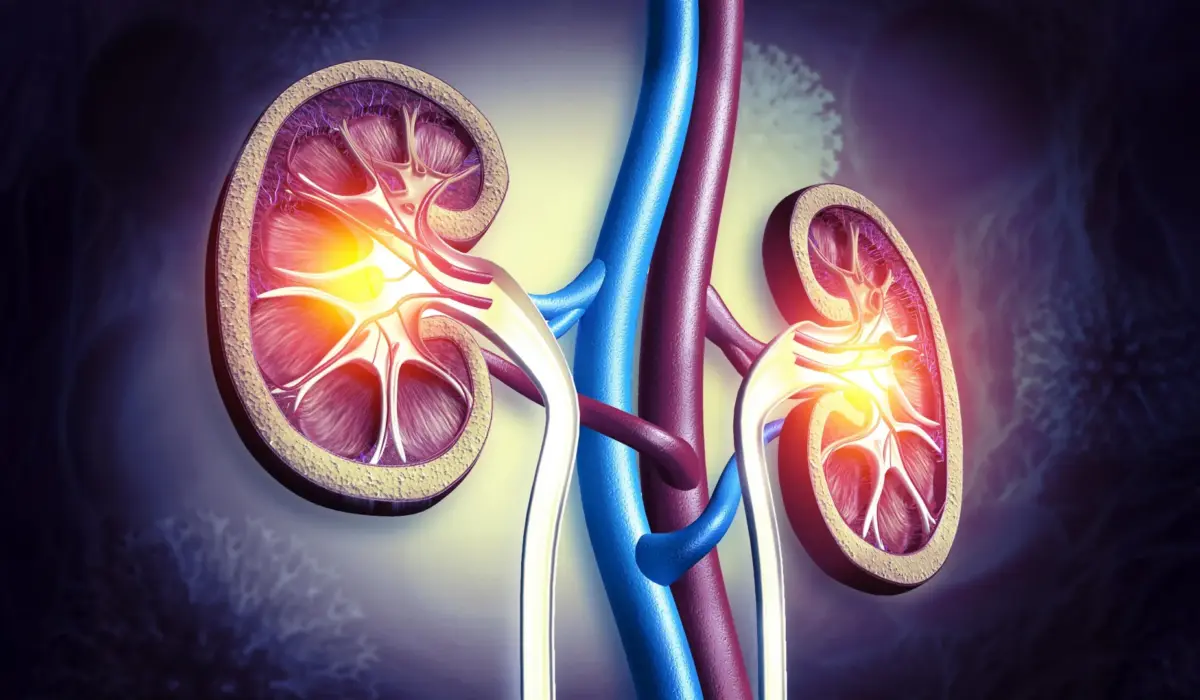
In patients with diabetic kidney disease, the renal filtering units (glomeruli) are already subjected to severe functional stress known as hyperfiltration. Driven by metabolic alterations and chronic hyperglycemia, the afferent arteriole (supplying blood to the glomerulus) typically dilates to a greater extent than the efferent arteriole (draining blood away). This biochemical imbalance creates an intense hydrodynamic bottleneck, resulting in abnormally high hydrostatic pressure inside the glomerular capillary bed. Over time, this sheer physical pressure damages the delicate endothelial cells, podocytes, and basement membranes, accelerating the loss of functional nephrons.
The Hemodynamic Mechanism of DCCBs
Dihydropyridine calcium-channel blockers work by inhibiting the influx of calcium ions into vascular smooth muscle cells, causing profound systemic vasodilation. However, their pharmacological effect on the micro-vasculature of the kidney exhibits a distinct functional profile:
- DCCBs preferentially relax the afferent arteriole—the vessel bringing blood into the glomerulus.
- Because they dilate the afferent arteriole more effectively than the efferent arteriole, they allow a surge of systemic blood pressure to pass directly into the glomerular capillary network.
In a healthy kidney, this autoregulatory adjustment is manageable. But in a kidney already ravaged by diabetic hyperfiltration, introducing a DCCB can amplify the internal pressure spike. Rather than shielding the delicate filtration barrier, the drug may inadvertently exacerbate intraglomerular hypertension, intensifying the mechanical strain on surviving nephrons and accelerating structural scarring (fibrosis).
This mechanistic pathway explains why even the powerful, nephroprotective umbrella of SGLT2 and RAS inhibitors—which typically work to lower intraglomerular pressure—may be partially undermined or overwhelmed by the localized hemodynamic surges provoked by DCCBs.
Future Outlook and Clinical Implications
As the medical community digests the data presented at the 63rd ERA Congress, the conversation naturally shifts toward what comes next for clinical practice, patient management, and future research initiatives.
Immediate Clinical Caution, Not Panic
Leading nephrologists emphasize that patients currently taking dihydropyridine calcium-channel blockers should not abruptly discontinue their medications. Sudden cessation of antihypertensive therapy can trigger severe, uncontrolled rebound hypertension, sharply elevating the immediate risk of acute cardiovascular events, stroke, and rapid renal destabilization.
Instead, clinicians are advised to view these findings as a catalyst for individualized clinical reviews. Physicians managing patients with type 2 diabetes and chronic kidney disease should carefully evaluate their patients’ complete medication regimens, blood pressure trends, and longitudinal eGFR trajectories. Where blood pressure control is suboptimal or kidney decline appears unexpectedly swift despite optimal RAS and SGLT2 inhibitor therapy, clinicians may wish to discuss alternative second-line antihypertensive agents—such as non-dihydropyridine calcium-channel blockers, beta-blockers, or mineralocorticoid receptor antagonists (MRAs)—with their patients.
The Imperative for Randomized Controlled Trials
Because the study relied on observational data collected from electronic health records, confounding by indication remains a theoretical possibility (i.e., patients prescribed DCCBs may have inherently more severe or treatment-resistant cardiovascular and renal profiles to begin with).
To definitively establish causality, the medical research infrastructure must pivot toward designing and executing large-scale, prospective, randomized controlled trials (RCTs). These gold-standard studies will be tasked with directly comparing renal outcomes among diabetic patients randomized to receive DCCBs versus alternative second-line blood pressure lowering agents, all while backgrounded by modern SGLT2 and RAS inhibition.
Redefining Personalized Nephrology Care
Ultimately, the study presented at the ERA Congress serves as a powerful reminder of the complex pharmacological balancing acts required in modern chronic disease management. As precision medicine continues to evolve, treating type 2 diabetes and diabetic kidney disease requires looking beyond generalized blood pressure targets. Clinicians must increasingly account for the intricate, microvascular hemodynamic profiles of individual drug classes to ensure that therapies intended to preserve life do not inadvertently compromise renal longevity.