










Executive Overview
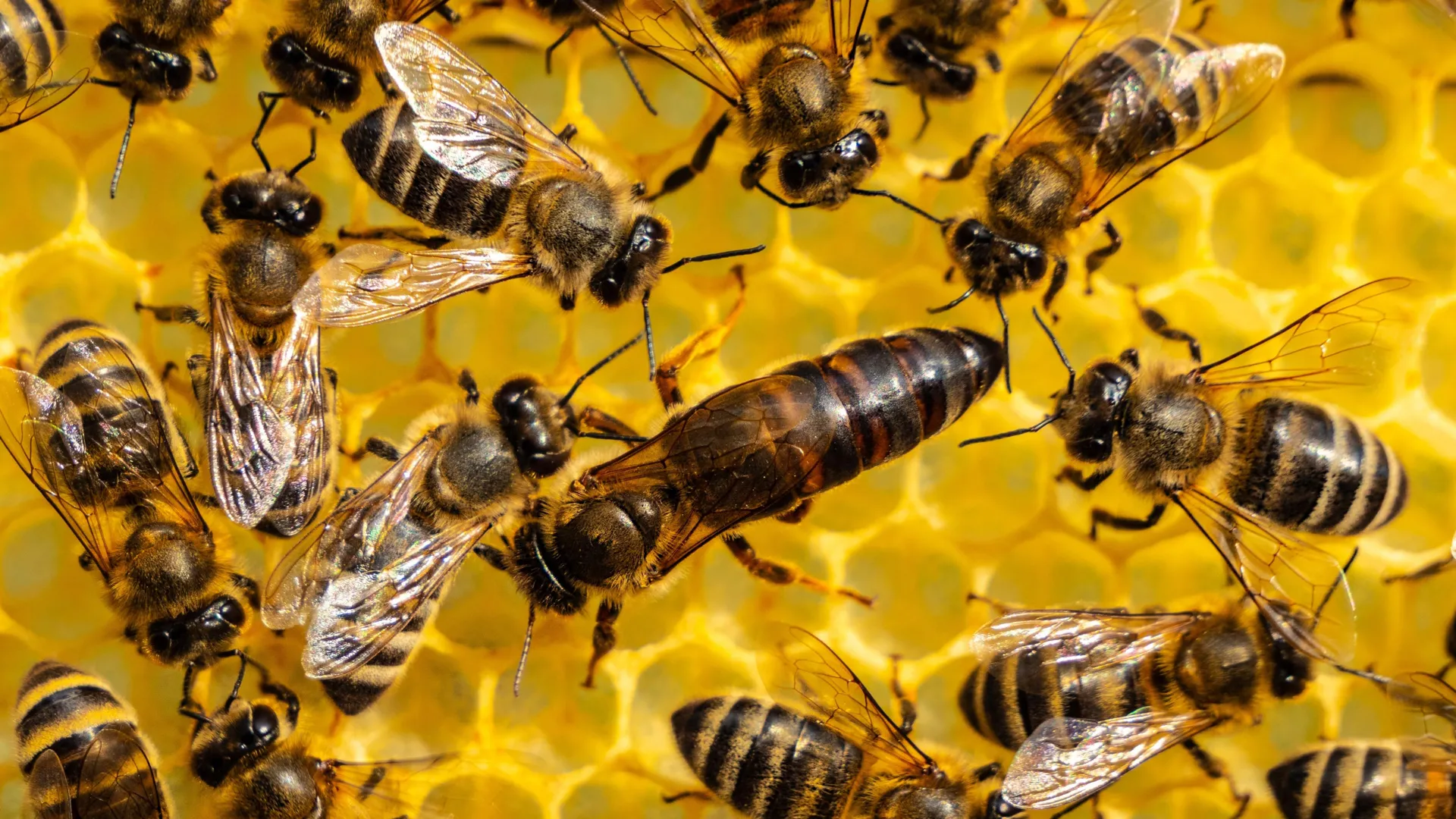
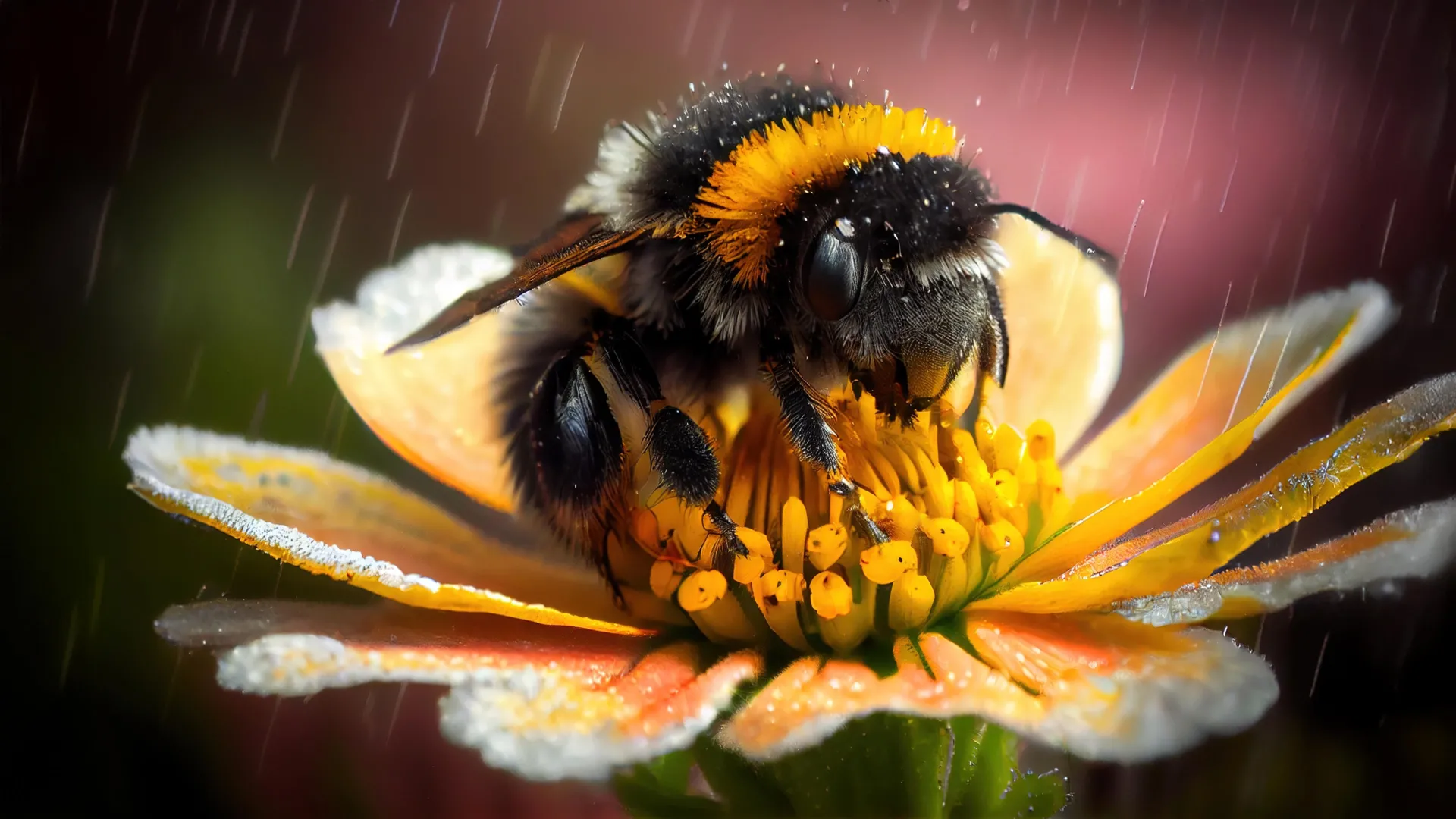
Measuring a mere inch in length, the humble bumblebee carries a disproportionate weight in the mechanics of global food production. Estimates indicate that roughly one-third of the human diet relies directly or indirectly on animal pollination, with bees acting as the primary workforce driving this ecological engine. Yet, this critical biological infrastructure faces unprecedented pressures. A convergence of habitat loss, climate volatility, and modern chemical applications has placed pollinator populations under severe, sustained duress.
At the center of this agricultural dilemma is a fundamental paradox: the very chemical tools designed to safeguard crop yields and ensure food security frequently endanger the non-target organisms required to bring those harvests to fruition. While agricultural science has long recognized the acute toxicity of certain insecticides on adult insects, a deeper, more insidious threat is unfolding at the molecular level.
Recent pioneering research conducted at the Georgia Institute of Technology has shed light on this hidden danger. Focusing on sulfoxaflor—a next-generation pesticide introduced globally in 2013 to combat stubborn sap-feeding pests—scientists have uncovered direct evidence that low-dose exposure alters gene expression and reproductive function in bumblebees. By connecting microscopic molecular disruptions to macroscopic colony decline, this study bridges a critical knowledge gap in ecotoxicology.
The findings illuminate a complex challenge for modern agriculture: how to feed a growing human population using effective pest management strategies while safeguarding the vital biodiversity that underpins long-term ecological and economic stability. As policymakers, agronomists, and researchers grapple with these implications, the imperative to balance crop protection with pollinator preservation has never been more urgent.
Detailed Chronology of the Research
The investigation into sulfoxaflor and its molecular impacts on Bombus species represents a methodological leap forward in how scientists evaluate environmental toxins. For decades, regulatory toxicity tests relied primarily on acute mortality metrics—measuring how many insects died within a set timeframe following high-dose exposure. However, these traditional benchmarks often overlooked sublethal effects: changes in behavior, foraging efficiency, immune response, and reproduction that can silently devastate a colony over time.
Phase One: Hypothesizing Sublethal Impacts
Recognizing the limitations of mortality-based testing, a team of researchers led by scientists at the Georgia Institute of Technology, with funding from the U.S. Department of Agriculture (USDA), designed a study to track the subtle, long-term biological consequences of pesticide exposure. Their primary hypothesis was that sulfoxaflor—while structurally distinct from older neonicotinoid compounds—might still interfere with vital physiological pathways in beneficial insects, particularly in castes responsible for colony growth and reproduction.
Phase Two: Controlled Exposure and Tissue Collection
To test this hypothesis, the research team exposed worker bumblebees to controlled, low-level doses of sulfoxaflor, mimicking the kind of environmental residue levels these insects might encounter while foraging in treated agricultural landscapes. Following exposure, the researchers employed advanced preservation techniques, flash-freezing the bee tissues to lock biological activity in place and preserve the integrity of fragile molecules.
Phase Three: Transcriptomic and Computational Analysis
The core of the investigation relied on transcriptomics—the comprehensive study of RNA transcripts—to measure alterations in gene expression. By analyzing the RNA of the exposed bees, the scientific team could see precisely which genes were being upregulated or downregulated in response to the chemical.
Furthermore, the researchers utilized sophisticated computational models to map these genetic shifts against known biological systems. The data revealed a striking pattern: the most profound genetic changes were concentrated heavily within the ovarian tissue of the bees. This localization strongly indicated that the pesticide was directly interfering with the biological pathways governing reproduction.
Phase Four: Connecting the Molecular to the Macro
The culmination of this research timeline is the establishment of a direct line of sight from microscopic gene modulation to real-world ecological outcomes. By proving that sulfoxaflor alters the genetic instructions required for normal reproductive development, the study provides a mechanistic explanation for how low-dose chemical exposures can translate into diminished offspring production, weaker colonies, and ultimately, widespread population contractions.
Supporting Context & Metrics: The Sulfoxaflor Dilemma
To understand the weight of these scientific findings, it is necessary to examine the operational context of modern agricultural chemistry and the ecological status of bees.
The Rise of Sulfoxaflor
Introduced commercially around 2013, sulfoxaflor was developed as a sulfoximine-class insecticide. Its primary purpose was to manage sap-feeding insects—such as aphids, whiteflies, and plant bugs—that devastate economically vital crops including soybeans, corn, cotton, and various fruits and vegetables. Because many older insecticides were losing efficacy due to pest resistance, and because certain neonicotinoids faced mounting regulatory bans and restrictions, sulfoxaflor was welcomed by many in the agricultural sector as a targeted, effective alternative.
Chemically, sulfoxaflor acts on the insect nervous system by targeting nicotinic acetylcholine receptors (nAChRs). While it was engineered to minimize persistence in the environment compared to legacy compounds, its neuroactive mechanism inherently presents risks to beneficial insects that also rely on these same neural pathways for navigation, communication, and foraging.
Economic and Ecological Stakes
The metrics surrounding pollination dependency are staggering. Globally, roughly 35 percent of global crop production volume depends on pollinators. In the United States alone, honeybees and native pollinators like bumblebees contribute tens of billions of dollars annually to the agricultural economy by enhancing the yield and quality of specialty crops, including apples, almonds, blueberries, tomatoes, and cucumbers.
+-------------------------------------------------------------+
|               THE AGRICULTURAL PARADOX                      |
|                                                             |
|  [ Modern Pesticides ] ----> Protect Crops / Increase Yields  |
|           |                                                 |
|           +---------------> Disrupt Pollinator Gene Activity|
|                           (e.g., Sulfoxaflor & Ovaries)     |
|                                       |                     |
|                                       v                     |
|                             Reduced Offspring /             |
|                              Colony Decline                 |
|                                       |                     |
|                                       v                     |
|                             Compromised Long-Term           |
|                             Global Food Production          |
+-------------------------------------------------------------+
Bumblebees are particularly efficient pollinators due to a behavior known as "buzz pollination" (or sonication), wherein they grasp a flower and vibrate their flight muscles at a specific frequency to dislodge tightly held pollen. Certain crops, such as tomatoes and peppers, rely almost exclusively on this pollination method. Consequently, any factor that impairs bumblebee health threatens the stability of these specialized agricultural sectors.
Cumulative Environmental Stressors
Pesticide exposure does not occur in a vacuum. Bumblebees are navigating a multi-stressor landscape characterized by:
- Habitat Fragmentation: The conversion of diverse wild meadows into monoculture farmland strips away the continuous floral resources bees need throughout their lifecycle.
- Pathogens and Parasites: Commercial and wild bees alike contend with diseases and mites that weaken immune systems.
- Climate Volatility: Rising global temperatures and an increase in the frequency and intensity of heatwaves introduce physiological stress, altering floral nectar secretion and disrupting the synchronization between plant blooming and pollinator emergence.
When chemical stressors like sulfoxaflor are layered on top of thermal stress and nutritional deficits, the cumulative impact can push vulnerable colonies past their tipping points.
Official Statements & Expert Perspectives
The intersection of molecular biology, agronomy, and environmental policy has prompted leading researchers to speak out about the broader implications of these discoveries.
Dr. Michael Goodisman, a professor in the School of Biological Sciences at the Georgia Institute of Technology, emphasized the rarity and significance of bridging microscopic data with macroscopic observation:
"What makes this study exciting is that it connects molecular changes in gene expression to real-world consequences for individual bees and their colonies. That type of connection is rare and gives us a much clearer picture of how pesticides affect bees."
Dr. Sarah Orr, who spearheaded the research as a postdoctoral fellow at Georgia Tech and currently serves as an assistant professor at the University of Tampa, addressed the delicate balancing act required of modern agricultural science. She noted that while pest management remains non-negotiable for food security, the methods employed must evolve to protect non-target species:
"We need pesticides to control crop pests, but they can also harm essential non-target insects like bumblebees. As a scientist, my goal is to identify practical solutions that support pest management while also protecting beneficial insects and the food systems that depend on them."
Orr further underscored the direct line between individual reproductive impairment and systemic agricultural vulnerability:
"We need many bees for successful pollination. If they’re not producing enough offspring, pollination will decline."
These perspectives highlight a growing consensus within the scientific community: regulatory frameworks must move beyond evaluating acute mortality and begin incorporating sublethal genetic and reproductive endpoints into pesticide risk assessments.
Future Outlook: Navigating Toward Sustainable Agriculture
The revelation that a widely used modern pesticide can subtly alter bee genetics and impair reproductive capacity demands a forward-looking response from researchers, policymakers, and agricultural practitioners alike.
1. Reforming Regulatory Testing Protocols
Current environmental risk assessments for agrochemicals must evolve. Regulatory bodies such as the U.S. Environmental Protection Agency (EPA) and international counterparts should integrate transcriptomic and molecular biomarker analyses into standard pesticide registration procedures. By screening chemicals for their potential to disrupt gene expression in reproductive tissues before widespread commercial adoption, regulators can prevent unintended ecological fallout.
2. Advancing Precision Agriculture and Integrated Pest Management (IPM)
The future of crop protection lies in precision and integration rather than broad-spectrum chemical application. Integrated Pest Management (IPM) strategies—which combine biological controls, crop rotation, resistant crop varieties, and targeted, low-impact chemical applications only when economic thresholds are met—can significantly reduce overall pesticide loads in the environment. Furthermore, technological advancements in precision spraying can limit chemical drift and ensure that treatments are applied strictly where needed, minimizing accidental exposure for foraging pollinators.
3. Habitat Enhancement and Ecological Buffering
Mitigating the impacts of chemical and thermal stress requires active investment in agricultural landscapes. Implementing diverse wildflower strips along field margins, restoring native hedgerows, and maintaining undisturbed nesting sites provide bees with nutritional resilience. Research suggests that well-nourished colonies are better equipped to detoxify chemical exposures and withstand environmental pressures than those subsisting on homogenous, resource-poor diets.
4. Collaborative Innovation
Ultimately, securing the future of global agriculture requires breaking down traditional silos between pesticide manufacturers, agronomists, conservation biologists, and farming communities. By fostering collaborative research initiatives aimed at designing selective chemistry—compounds that neutralize target pests while leaving beneficial neural and reproductive pathways untouched—science can reconcile the dual imperatives of crop protection and biodiversity conservation.
As the scientific community continues to map the intricate biological impacts of everyday agricultural tools, the path forward becomes increasingly clear: safeguarding the health of the biosphere is not an alternative to agricultural productivity, but its absolute foundation.