







Executive Overview
Backyard bird feeding is deeply embedded in the cultural fabric of Australian households. Approximately half of the nation’s population participates in the practice, with millions of citizens providing daily supplementary meals to wild avian visitors out of a genuine desire to nurture local wildlife and forge intimate connections with nature. However, a convergence of ecological data, virological surveillance, and public health warnings suggests that this benevolent pastime has transformed into a high-risk ecological hazard.
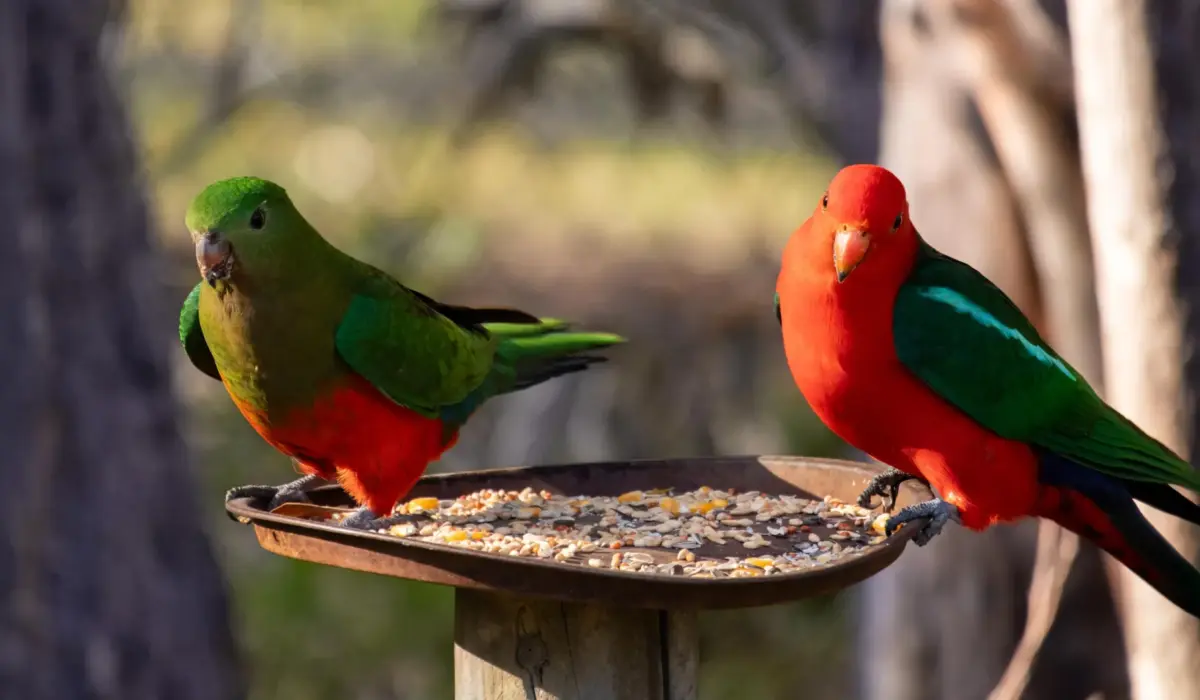
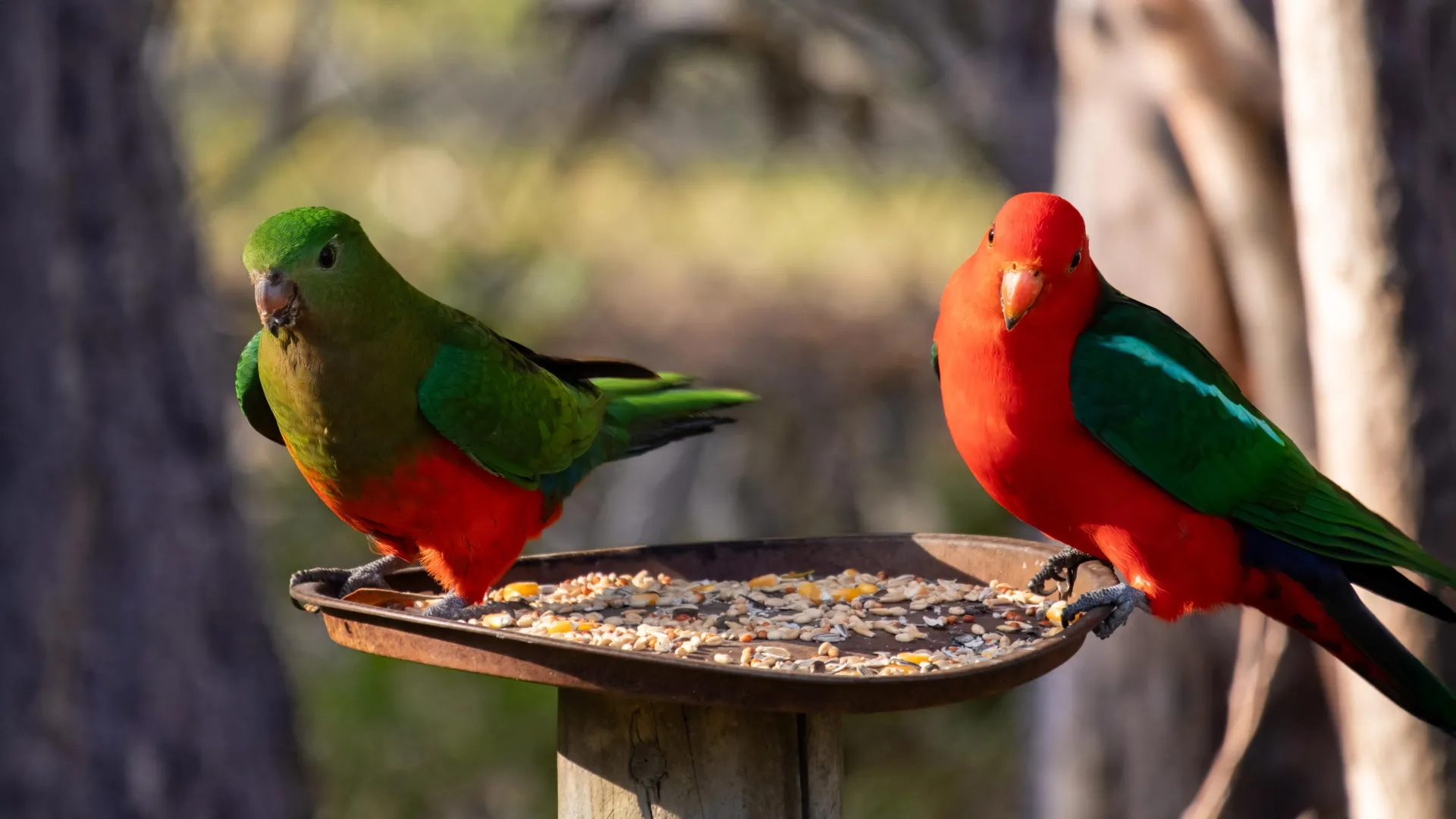
As the highly pathogenic avian influenza (HPAI) strain H5N1 spreads across the Australian continent—having recently resulted in the mass mortality of more than 1,000 crested terns and the grim milestone of the first mainland marine mammal casualty in a long-nosed fur seal—scientists have identified backyard feeding stations as potential viral superspreader events. By artificially congregating diverse bird species in unnatural numbers and spatial configurations, backyard feeders create localized transmission hotspots. These micro-environments dramatically elevate the likelihood of inter- and intra-species pathogen transmission, posing a severe threat not only to common garden birds, but also to critically endangered species such as the orange-bellied parrot.
This investigative report examines the intersection of popular wildlife-feeding habits and the escalating H5N1 crisis in Australia. It outlines the epidemiological risks, traces the recent timeline of the outbreak, evaluates the broader ecological fallout involving scavenging mammals, and details the critical mitigation strategies recommended by biosecurity experts and wildlife veterinarians.
Detailed Chronology: The Escalation of H5N1 in Australia
To understand the immediate danger posed by backyard feeding infrastructure, it is necessary to trace the trajectory of the H5N1 virus as it breached Australia’s historical geographic isolation and established a foothold within local ecosystems.
The Global Prelude and Continental Arrival
For years, the clade 2.3.4.4b strain of H5N1 swept across North America, Europe, Asia, and parts of South America and Antarctica. It decimated wild bird colonies—ranging from pelicans and gulls to penguins—and crossed the species barrier to infect numerous mammalian carnivores and scavengers, including seals, sea lions, foxes, and farmed mink. Australia long remained the last inhabited continent free of this specific virulent strain, largely due to its geographic isolation from major migratory flyways.
However, biosecurity experts warned that migratory pathways connecting East Asia and Australasia would eventually serve as vectors. The virus inevitably crossed oceanic barriers, initially detected in remote sub-Antarctic islands before making the fatal leap to the Australian mainland.
Mass Mortalities and the Mainland Mammal Milestone
The gravity of the current outbreak crystallized through a series of devastating wildlife mortality events. Most notably, virological surveillance and wildlife rescue operations recorded the deaths of over 1,000 crested terns in a series of concentrated mass-mortality events along the coast. The sheer scale of these deaths underscored the extreme contagiousness and virulence of the local strain among colonial seabirds.
Shortly thereafter, authorities confirmed the death of a long-nosed fur seal infected with H5N1—the first documented case of the virus in a mainland Australian mammal. This milestone shifted the crisis from an avian-specific health issue to a broader One Health emergency. It demonstrated that the virus was actively circulating in coastal and marine environments and possessed the capacity to jump readily into mammalian hosts that scavenge on infected carcasses. As the virus penetrates deeper inland, the dense network of backyard bird-feeding stations risks acting as an anthropogenic bridge, drawing pelagic, coastal, and forest-dwelling species into unnaturally close contact with each other and with domestic environments.
Supporting Context & Metrics: The Science of Superspreading
The vulnerability of Australia’s fauna to H5N1 via backyard feeding can be understood through fundamental epidemiological and behavioral metrics.
The Scale of the Pastime
- National Participation: Research indicates that roughly 50% of Australian households engage in wild bird feeding, with a significant proportion doing so on a daily basis.
- Nutritional Reality: Empirical studies tracking bird behavior demonstrate that urban and suburban birds visiting backyard feeders obtain the vast majority (often upwards of 80–90%) of their daily nutritional requirements from natural sources, such as native insects, nectar, seeds, and worms. Consequently, the seeds, bread, and meat scraps provided by humans function primarily as a supplemental snack rather than an essential survival meal.
- Species Congestion: In natural settings, many of the bird species that visit urban backyards—such as rainbow lorikeets, sulphur-crested cockatoos, noisy miners, and various currawongs and pigeons—seldom congregate in the dense, multi-species aggregations seen around a heavily provisioned feeding tray.
Why Feeders Create Transmission Hotspots
When humans provide a localized, abundant food source, it fundamentally alters animal behavior.
- Unnatural Proximity: Birds that would otherwise forage across wide territories are drawn into a confined space, dramatically increasing the rate of physical encounters and fecal-oral contamination of surfaces.
- Pathogen Shedding: Infected birds shed the H5N1 virus in high concentrations through their saliva, nasal secretions, and droppings. When these secretions contaminate feeding trays, perches, and the surrounding soil, healthy birds landing minutes or hours later are directly exposed to the pathogen.
- Cross-Species Spillover: Feeders attract not only diverse avian guilds but also opportunistic mammalian scavengers—such as common brushtail possums, rats, and introduced red foxes—as well as domestic cats and dogs. If these scavengers consume contaminated seed or prey on a sick, disoriented bird, the virus can jump across mammalian lines, mirroring the global pattern of mammal-to-mammal transmission observed overseas.
Official Statements and Expert Perspectives
As the H5N1 crisis intensifies, government departments, conservation organizations, and independent scientific bodies have unified around clear public health and biosecurity messaging.
The Biodiversity Council and Biosecurity Authorities
Leading ecological bodies, including the Biodiversity Council and state departments of agriculture, have emphasized that human behavior must adapt rapidly to mitigate the catastrophe. Experts have underscored that while feeding wild birds is motivated by kindness, it currently represents an unacceptable, unmanaged biosecurity risk.
Dr. Sarah Jenkins, an avian ecologist specializing in urban wildlife dynamics, notes:
"When we set out food for wild birds, we are inadvertently running an open-air cafeteria for pathogens. In the face of a high-consequence pathogen like H5N1, these backyard hubs threaten to accelerate transmission rates beyond what natural ecosystems would ever sustain. The most compassionate thing a citizen can do right now for native wildlife is to remove the table."
Public Health Agencies and Human Risk Assessment
Public health authorities, including federal and state health departments alongside the Centers for Disease Control and Prevention (CDC) equivalents, maintain that the immediate risk of H5N1 to the general human public remains low. Human infections typically occur only following prolonged, unprotected, and direct physical contact with heavily infected animals or their carcasses (a risk primarily borne by poultry workers, wildlife carers, and veterinarians).
Nevertheless, health officials warn against complacency. As the virus adapts and circulates more broadly within wildlife populations, the cumulative exposure risk rises. Hand-feeding wild birds—where saliva or beak contact with human skin can occur—presents an entirely avoidable vector for accidental viral transfer or secondary bacterial infections.
Future Outlook: Navigating the New Normal of Wildlife Conservation
Managing the threat of H5N1 in Australia requires a fundamental shift in how urban and suburban populations interact with local fauna. As the crisis evolves, wildlife management frameworks are pivoting toward strict intervention protocols and behavioral modifications for the public.
The Three-Tiered Mitigation Strategy for Citizen Conservationists
While biosecurity experts universally agree that complete cessation of backyard bird feeding is the single most effective strategy to prevent artificial congregation and viral transmission, authorities recognize that voluntary compliance requires practical, nuanced guidance for those unwilling or unable to stop entirely. For households that choose to continue maintaining feeders, adherence to three strict protocols is mandatory:
- Drastically Reduce Food Volume: Restricting the quantity of food available prevents large flocks from gathering in a single garden. By minimizing the availability of seeds and meat scraps, homeowners can naturally lower local population densities around yards, mirroring the social-distancing measures utilized during human pandemic responses.
- Strictly Prohibit Hand-Feeding: The practice of encouraging birds to take food directly from human fingers must cease immediately. While the statistical risk of human contraction remains low, the intimate physical contact involved in hand-feeding creates an unnecessary vulnerability channel that defies basic biosafety logic.
- Rigorous and Regular Sanitation: If feeding equipment is kept active, all surfaces, trays, perches, and surrounding ground areas must be disinfected frequently using standard domestic bleach solutions and thoroughly rinsed. Experts stress a zero-tolerance philosophy: If a property owner is not prepared to rigorously and daily sanitize feeding infrastructure, they should not be feeding wild birds at all.
Conservation Implications for Threatened Species
Beyond garden-variety birds, the broader ecological outlook hinges on how effectively Australia can protect vulnerable and endangered populations from catastrophic epizootics. Species with restricted ranges and small population sizes—such as the orange-bellied parrot (Neophema chrysogaster)—are exceptionally vulnerable to stochastic extinction events caused by novel diseases. If H5N1 infiltrates the wintering grounds or captive-breeding release sites of these critically endangered icons, the consequences could be irreversible.
Conclusion
Backyard bird feeding began as an innocent, heart-warming effort to connect with the Australian bush. Today, in the shadow of the global H5N1 pandemic, it has become an urgent biosecurity concern. By understanding the science of superspreader dynamics and adopting responsible, restraint-based wildlife practices, everyday citizens can play a pivotal role in halting the spread of bird flu, protecting vulnerable native species, and safeguarding the ecological health of the continent.
Biosecurity Advisory Notice: If you encounter any sick, distressed, or dead wild birds or marine mammals, do not touch or handle them under any circumstances. Immediately record the exact location, photograph the animal from a safe distance, secure domestic pets indoors, and report the incident directly to the Emergency Animal Disease Hotline on 1800 675 888.