









Executive Overview
Rheumatoid arthritis (RA) remains one of modern medicine’s most stubborn adversaries—a chronic, systemic autoimmune condition affecting approximately 1% of the global population. Characterized by the immune system launching a misdirected, aggressive assault on healthy joint tissues, RA causes relentless pain, debilitating swelling, joint stiffness, and progressive, irreversible destruction of cartilage and bone. While current pharmacological interventions—ranging from non-steroidal anti-inflammatory drugs (NSAIDs) and disease-modifying antirheumatic drugs (DMARDs) to advanced biologic agents—have transformed patient care over the past few decades, they are far from universally effective. Many patients experience diminishing responses over time, while others must contend with severe, sometimes dose-limiting adverse side effects.
The urgent global search for safer, more precise, and mechanistically novel therapeutics has now taken a major leap forward. In a landmark study recently published in the prestigious journal Engineering, an international team of researchers has detailed the remarkable therapeutic potential of obakulactone (OL), a natural tetracyclic triterpenoid isolated from Phellodendri cortex (the dried bark of Phellodendron species, long utilized in traditional herbal medicine).
According to the study, OL offers a profound, multi-targeted approach to combating RA. Researchers discovered that this natural compound dramatically curtails disease progression by directly binding to a novel molecular target—acyl coenzyme A thioesterase 1 (ACOT1)—and promoting its breakdown via the ubiquitin–proteasome pathway. By dismantling ACOT1, OL subsequently normalizes disrupted unsaturated fatty acid metabolism, suppresses hyperactive inflammatory signaling pathways, and halts the aggressive proliferation of RA synovial fibroblasts (SFs).
This comprehensive preclinical investigation not only illuminates the precise molecular mechanics of obakulactone but also positions ACOT1 and fatty acid metabolic pathways as compelling, virgin territory for next-generation drug development. As the scientific community looks toward translation, OL stands out as a beacon of hope for millions trapped in the cyclical agony of autoimmune joint disease.
Detailed Chronology: Unraveling the Therapeutic Mechanism of Obakulactone
To understand how obakulactone transitions from a traditional botanical extract to a cutting-edge molecular therapy, one must examine the systematic, multi-tiered methodological approach undertaken by the research team.
Phase I: Preclinical In Vivo Evaluation in Arthritic Models
The investigation began by evaluating the therapeutic efficacy of OL in a well-established animal model: rats with rheumatoid arthritis induced by complete Freund’s adjuvant (CFA). CFA triggers a severe, systemic inflammatory response that mirrors the pathological hallmarks of human RA, including intense joint swelling, synovial hyperplasia, and systemic immune dysregulation.
Following the induction of arthritis, the test subjects were divided into experimental cohorts receiving varying daily oral doses of obakulactone:
- Low Dose: $50text mgcdottextkg^-1cdottextd^-1$
- Medium Dose: $100text mgcdottextkg^-1cdottextd^-1$
- High Dose: $200text mgcdottextkg^-1cdottextd^-1$
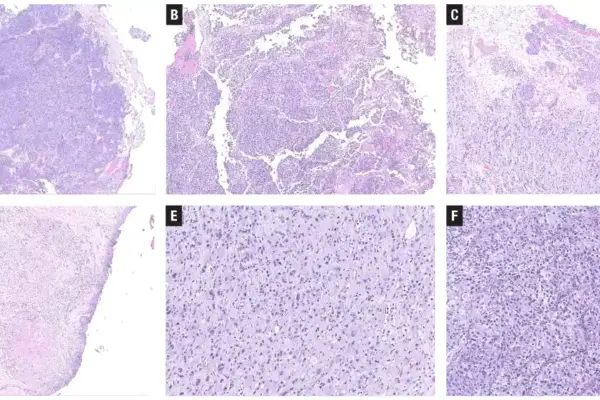
Administered continuously for 21 days, the treatment yielded striking results across multiple physiological parameters. Gross anatomical and histological analyses revealed that OL administration significantly reduced joint swelling in a dose-dependent manner. More importantly, microscopic examination of the affected joints demonstrated that the compound actively preserved and restored the normal structural integrity of articular cartilage and the synovium—the specialized membrane lining the joint cavity.
Beyond the localized joint architecture, OL exerted a profound balancing effect on systemic immune organs. The treatment successfully reversed abnormal pathological shifts within secondary immune organs, including the thymus and spleen. Flow cytometric profiling of intra-articular immune cells further revealed that OL dampened the abnormally elevated infiltration of $textCD3^+$ T cells and $textCD68^+$ macrophages. Crucially, it orchestrated a phenotypic polarization of macrophages, steering them away from the destructive, proinflammatory M1 state ($textCD86^+$) and toward the tissue-repairing, anti-inflammatory M2 state ($textCD206^+$). Concurrently, OL curbed the aberrant differentiation of naive $textCD4^+$ T cells into inflammation-driving Th17 cells, thereby restoring systemic immune homeostasis.
Phase II: Multiomics and the Restoration of Lipid Metabolism
To map the systemic ripple effects of obakulactone beyond basic immunology, the research team deployed a suite of advanced multiomics technologies, integrating metabolomics, matrix-assisted laser desorption/ionization (MALDI) mass spectrometry imaging, and proteomics.
The analytical data painted a vivid picture of systemic metabolic collapse in untreated RA models—specifically, a profound disruption in the biosynthesis and processing of multiple unsaturated fatty acids. In healthy joints, lipid mediators maintain a delicate balance between pro-inflammatory and resolving signals. In RA, this equilibrium shatters.
OL treatment actively reset these metabolic aberrations. The multiomics profiling confirmed that obakulactone successfully normalized systemic and local alterations involving critical lipid networks, most notably:
- Arachidonic acid metabolism
- Linoleic acid pathways
- $alpha$-Linolenic acid processing
To isolate the cellular drivers of joint destruction, the researchers shifted their focus to RA synovial fibroblasts (SFs). In the pathogenesis of RA, SFs undergo a malignant-like transformation, proliferating uncontrollably to form an invasive, tumor-like mass known as the pannus. This pannus actively secretes destructive enzymes that digest underlying cartilage and bone.
In vitro assays demonstrated that OL acted as a powerful brake on this destructive cellular machinery. Treatment with obakulactone significantly inhibited the hyper-proliferation of RA SFs, induced programmed cell death (apoptosis), and drastically curtailed their pathological secretion of destructive inflammatory cytokines.
Phase III: Pinpointing ACOT1 as the Direct Molecular Target
With the downstream physiological and metabolic benefits established, the central scientific question remained: What is the direct, primary macromolecular target of obakulactone?
Through a rigorous battery of biophysical assays—including cellular thermal shift assays (CETSA), microscale thermophoresis (MST), and surface plasmon resonance (SPR) experiments—the researchers unmasked the precise receptor for OL. The data confirmed that obakulactone binds directly and specifically to acyl coenzyme A thioesterase 1 (ACOT1).
Quantitative binding affinity metrics verified this interaction with exceptional precision:
- Microscale Thermophoresis (MST): Measured a dissociation constant ($K_d$) of $(6.18 pm 0.26) mutextmolcdottextL^-1$.
- Surface Plasmon Resonance (SPR): Measured a dissociation constant ($K_d$) of $(6.34 pm 0.38) mutextmolcdottextL^-1$.
Having established direct binding, the investigators sought to understand the functional consequence of this interaction. They discovered that OL binding accelerates the ubiquitination-mediated proteasomal degradation of ACOT1. In this tightly regulated cellular process, molecular tags (ubiquitin) are systematically attached to the ACOT1 protein, flagging it for immediate destruction by the proteasome—the cell’s ultimate recycling plant.
Phase IV: Downstream Signaling Cascade and Signal Suppression
The depletion of ACOT1 did not occur in a vacuum; it triggered a cascading downregulation of downstream intracellular messaging networks. Specifically, the reduction of ACOT1 led to a notable decrease in levels of stearoyl-CoA desaturase-1 (SCD1), a key regulatory enzyme in lipid biosynthesis.
This metabolic downregulation directly suppressed two of the most critical pathological signaling axes in autoimmune disease:
- The Janus kinase (JAK) / signal transducer and activator of transcription (STAT) pathway
- The phosphoinositide 3-kinase (PI3K) / protein kinase B (AKT) pathway
Normally, the JAK-STAT and PI3K-AKT pathways govern fundamental cellular processes such as survival, proliferation, inflammatory cytokine expression, and tissue fibrosis. In rheumatoid arthritis, these pathways are locked in a state of chronic, pathological overdrive. By subduing their activation through the targeted degradation of ACOT1 and the subsequent modulation of the arachidonic acid cascade, obakulactone systematically disarmed the inflammatory and fibrotic phenotype of synovial fibroblasts.
To ironclad these findings, the team conducted a series of rescue experiments and pharmacological inhibitor assays. The results confirmed that the anti-inflammatory, antiproliferative, and proapoptotic effects observed in the experiments were undeniably dependent on OL’s ability to target ACOT1 and orchestrate downstream lipid-signaling pathways.
Supporting Context & Metrics: Quantitative Breakdown of Findings
To fully appreciate the scope of obakulactone’s therapeutic efficacy, the quantitative biological data generated across the study provides an authoritative benchmark of its potency.
Dose-Dependent Suppression of Systemic Inflammatory Cytokines
Blood serum analyses performed on the animal cohorts revealed a striking, dose-dependent reduction in circulating pro-inflammatory cytokines following 21 days of OL therapy. The unchecked overexpression of these molecules is the primary driver of systemic joint erosion in RA:
- Interleukin-1 beta (IL-1$beta$): Experiencing marked downregulation, reducing the recruitment of secondary inflammatory cells.
- Interleukin-6 (IL-6): Dramatically suppressed, helping to break the systemic loop of acute-phase reactant production.
- Interleukin-17 (IL-17): Heavily curtailed, reflecting the successful dampening of pathogenic Th17 cell responses.
- Tumor Necrosis Factor-alpha (TNF-$alpha$): Reduced across all treatment tiers, diminishing the primary cytokine responsible for synovial inflammation and bone resorption.
Downregulation of Clinical Rheumatoid Arthritis Biomarkers
In human clinical diagnostics, specific blood markers are utilized to gauge disease activity and joint destruction. The rat models treated with OL exhibited significant, statistically validated drops in classic RA clinical markers:
- Rheumatoid Factor (RF): Lowered consistently across medium and high-dose groups.
- Cyclic Citrullinated Peptide Antibodies (CCP-Ab): Reduced, indicating a calming of the autoimmune response against citrullinated protein structures.
- C-Reactive Protein (CRP): Systemic inflammation levels dropped sharply, tracking parallel reductions in physical joint swelling.
- Matrix Metalloproteinase-3 (MMP-3): A key enzyme responsible for cartilage matrix degradation, MMP-3 levels plummeted, verifying the structural preservation of articular joints.
Summary of Biophysical Binding Metrics
The interaction between obakulactone and its newly discovered target, ACOT1, was validated through orthogonal biophysical techniques, ensuring absolute scientific rigor:
| Analytical Technique | Measured Dissociation Constant ($K_d$) | Biological Interpretation |
|---|---|---|
| Microscale Thermophoresis (MST) | $(6.18 pm 0.26) mutextmolcdottextL^-1$ | Indicates robust, stable, and specific binding affinity between OL and ACOT1 in solution. |
| Surface Plasmon Resonance (SPR) | $(6.34 pm 0.38) mutextmolcdottextL^-1$ | Confirms real-time binding kinetics, matching MST data and proving direct target engagement. |
Future Outlook & Clinical Translation
While the preclinical data published in Engineering establishes obakulactone as a formidable candidate for rheumatoid arthritis therapy, bridging the gap from animal models to human clinical trials requires a strategic, highly regulated roadmap.
Overcoming the Hurdles of Botanical Drug Development
Natural products have historically served as the cornerstone of modern pharmacotherapy—with landmark drugs like aspirin, paclitaxel, and artemisinin all tracing their roots to botanical origins. However, developing compounds derived from traditional pharmacopeia, such as Phellodendri cortex, presents unique scientific hurdles. Researchers must ensure batch-to-batch consistency, optimize pharmacokinetics (absorption, distribution, metabolism, and excretion), and establish clear toxicity profiles.
The identification of ACOT1 as a direct molecular target fundamentally changes this paradigm. By moving away from the "black box" approach of crude herbal extracts toward a defined, target-centric mechanism of action, pharmaceutical developers can now engineer structural analogs of obakulactone, optimize its potency, and minimize potential off-target toxicities through rational drug design.
The Emerging Paradigm of Immunometabolism in Autoimmunity
Perhaps the most profound takeaway from this research extends beyond obakulactone itself, shining a spotlight on the burgeoning field of immunometabolism. For decades, pharmaceutical research in rheumatology focused almost exclusively on blocking surface receptors or neutralizing circulating cytokines with monoclonal antibodies.
By demonstrating that correcting disrupted unsaturated fatty acid metabolism and targeting lipid-modifying enzymes like ACOT1 can reverse systemic autoimmune inflammation, this study opens an entirely new therapeutic frontier. Future drug pipelines will likely see an influx of compounds designed to reprogram cellular metabolism within the joint microenvironment, treating the metabolic root causes of inflammation rather than merely suppressing its macroscopic symptoms.
Next Steps for the Research Community
As the authors of the study emphasize, because these findings were derived strictly from rigorous in vitro cell cultures and in vivo rodent models, extensive translational work lies ahead. The immediate future research agenda will focus on:
- Pharmacokinetic and Toxicological Profiling: Conducting comprehensive safety assessments in higher mammalian species to evaluate potential hepatic and renal toxicities over extended dosing regimens.
- Target Validation via Gene Editing: Utilizing CRISPR-Cas9 knockout models of ACOT1 to definitively prove that the therapeutic effects of OL are entirely lost in the absence of the target protein.
- Phase I Clinical Trial Preparation: Designing first-in-human clinical trials to evaluate the safety, tolerability, and preliminary pharmacodynamics of obakulactone in patients with refractory rheumatoid arthritis.
Conclusion
Rheumatoid arthritis is a relentless disease that demands bold, innovative therapeutic solutions. The discovery that obakulactone can recalibrate lipid metabolism, eliminate hyperactive synovial fibroblasts, and restore systemic immune balance via the targeted degradation of ACOT1 represents a watershed moment in rheumatological research. If subsequent clinical trials can safely replicate the preclinical success observed in these studies, obakulactone may soon transition from an ancient botanical derivative into a modern, life-changing therapeutic mainstay for millions worldwide.