








Executive Overview
In what represents a potentially monumental leap forward in the ongoing war against oncology’s most stubborn adversaries, an international coalition of researchers anchored by Umeå University in Sweden has engineered an experimental cancer therapeutic designed to halt the progression of aggressive prostate cancer. Published in the peer-reviewed scientific journal Signal Transduction and Targeted Therapy, the study details the creation of a fully human therapeutic antibody capable of suppressing tumor growth and blocking metastatic dissemination in preclinical models.
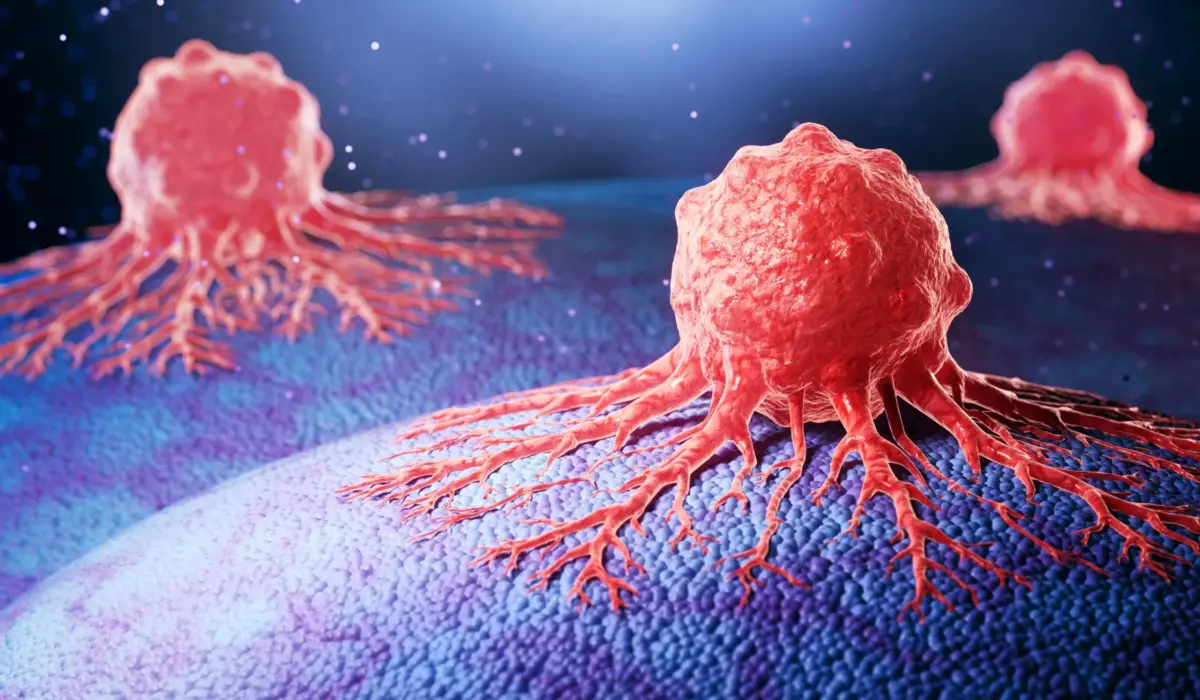
Prostate cancer remains one of the most widely diagnosed malignancies among men globally. While a vast majority of cases present as indolent, slow-growing tumors that remain localized and manageable, a significant clinical subset transforms into an aggressive, treatment-resistant phenotype. These aggressive variants characteristically breach the confines of the prostate gland, migrating via the lymphatic system and settling destructively within skeletal structures—a development that historically portends a poor clinical prognosis.
The newly developed therapeutic targets a previously unexploited molecular pathway driving cancer cell invasiveness. Because the molecule in question is a fully human antibody—meaning it is constructed entirely from human protein sequences rather than murine or chimeric equivalents—it exhibits high biocompatibility, theoretically mitigating immunogenic adverse events. While the compound has thus far only demonstrated efficacy in preclinical frameworks, the successful identification of the underlying mechanisms governing metastasis marks a paradigm shift.
Led by Professor Maréne Landström of the Department of Medical Biosciences at Umeå University, the multi-year research initiative successfully bridged academic discovery with applied biopharmaceutical development. Supported by heavyweights in Scandinavian life sciences, including the SciLifeLab Drug Discovery and Development Platform and MetaCurUm Biotech AB, the project now sets its sights on rigorous safety profiling, regulatory clearance, and the exploration of broader applications against other treatment-resistant solid tumors.
Detailed Chronology: The Path to Discovery
The realization of this therapeutic antibody was neither instantaneous nor serendipitous; rather, it was the culmination of years of meticulous biochemical investigation, translational iteration, and cross-institutional collaboration.
Phase I: Unraveling the Metastatic Driver
The intellectual genesis of the project stretches back several years, rooted in a fundamental biological question: What exact molecular signaling cascades permit localized prostate cancer cells to acquire migratory, invasive properties? Under the direction of Professor Landström, the Umeå University research team focused their attention on the complex microenvironmental cues and intracellular communication networks that dictate tumor plasticity.
For decades, the medical community has recognized that cancer cells do not act in isolation; they hijack normal physiological pathways to promote angiogenesis, evade immune surveillance, and digest extracellular matrices. The Umeå team isolated specific protein interactions critical to the metastatic switch in aggressive prostate malignancies. By mapping these pathways with unprecedented spatial and temporal resolution, the investigators pinpointed a specific vulnerability—a molecular axis that, if effectively blocked, could theoretically freeze cancer cells in their tracks, preventing them from breaching tissue boundaries.
Phase II: Engineering the Fully Human Antibody
Once the target mechanism was isolated, the challenge shifted from basic biology to applied pharmacology. To disrupt the identified signaling axis without inducing massive systemic toxicity or provoking an unwanted immune response from the patient’s own defense systems, the researchers needed an extraordinarily precise targeting molecule.
The team elected to develop a monoclonal antibody. However, traditional murine (mouse-derived) antibodies often present clinical hurdles, as the human immune system frequently recognizes them as foreign invaders, mounting an antibody-to-antibody response that neutralizes the drug and triggers adverse inflammatory reactions. To circumvent this, the researchers collaborated with drug development specialists at the SciLifeLab Drug Discovery and Development Platform to engineer a fully human antibody.
This engineering feat required constructing the therapeutic agent entirely from human genetic and protein templates. The resulting molecule possessed the precise spatial conformation required to bind with high affinity to its target on the cancer cell membrane, effectively neutralizing the biochemical signals driving invasion and metastasis.
Phase III: Preclinical Validation
With the fully human antibody synthesized, the next critical hurdle was empirical validation. The research team subjected the experimental drug to rigorous preclinical testing using established models of advanced prostate cancer.
The results exceeded expectations. In experimental trials, administration of the antibody not only curtailed the primary proliferation of aggressive prostate tumors but systematically halted their migration to secondary sites, most notably lymph nodes and bone matrices. Furthermore, because the drug was designed to target a novel, highly specific mechanism rather than employing the broad-spectrum cellular destruction characteristic of conventional chemotherapy, it exhibited a profile suggestive of a substantially reduced risk of adverse side effects.
Phase IV: Transitioning to Translational Development
Having validated the antibody’s efficacy in preclinical models, the research team reached a critical translational milestone. Turning an experimental laboratory compound into a clinically viable pharmaceutical product is an arduous, multi-stage marathon. Recognizing this, the researchers integrated industrial-scale biotechnology expertise via partnerships with the Umeå Biotech Incubator and MetaCurUm Biotech AB, ensuring that the biochemical properties of the antibody could be scaled, stabilized, and prepared for the stringent regulatory hurdles demanded by international health authorities.
Supporting Context & Metrics: The Global Burden of Prostate Cancer
To fully appreciate the significance of Professor Landström’s team’s achievement, one must contextualize the disease within global oncology statistics, current therapeutic limitations, and the economics of modern drug development.
Epidemiological Landscape
Prostate cancer is the second most frequently diagnosed cancer among men worldwide, trailing only non-melanoma skin cancers, with over 1.4 million new cases diagnosed annually. While advances in early detection—primarily driven by Prostate-Specific Antigen (PSA) screening—have improved survival rates, the disease remains a leading cause of cancer-related mortality in males.
| Metric / Category | Clinical Context & Statistics |
|---|---|
| Global Incidence | Second most common cancer in men globally (>1.4 million annual cases). |
| Indolent vs. Aggressive | The vast majority of diagnoses are slow-growing and non-life-threatening; a significant subset displays hyper-aggressive metastatic behavior. |
| Primary Sites of Metastasis | Regional lymph nodes and the axial skeleton (bones), causing severe pain, pathological fractures, and spinal cord compression. |
| Current Treatment Limitations | Androgen deprivation therapy (ADT) and chemotherapy eventually fail as tumors develop castration resistance and metastatic phenotypes. |
| Type of Therapeutic Agent | Fully human monoclonal antibody targeting a novel metastatic signaling axis. |
The Clinical Challenge of Metastasis
The biological duality of prostate cancer complicates clinical decision-making. Many men live for decades with localized tumors that never cause symptoms, a reality that historically led to overtreatment. Conversely, when prostate cancer escapes the prostatic capsule, it proves exceptionally difficult to manage.
Metastatic castration-resistant prostate cancer (mCRPC) represents the terminal phase of the disease. While androgen deprivation therapy (ADT), next-generation anti-androgens, and taxane-based chemotherapies can temporarily suppress disease progression, cancer cells invariably adapt, rendering existing pharmacotherapy obsolete. Bone metastases, in particular, inflict immense suffering, destabilizing skeletal integrity and causing hypercalcemia and intractable pain.
By intervening at the mechanistic root of invasiveness—preventing cancer cells from breaking away from the primary tumor mass in the first place—this new fully human antibody offers an entirely distinct therapeutic angle. Rather than trying to kill resistant cells after they have colonized vital organs, the strategy aims to keep the disease permanently localized and manageable.
The Economic and Collaborative Ecosystem
Developing a novel oncology drug requires an extraordinary convergence of financial capital, intellectual infrastructure, and cross-sector collaboration. The Umeå-led study exemplifies the strength of the Swedish and broader European research ecosystem, drawing financial backing from a coalition of prestigious philanthropic foundations and state agencies:
- The Knut and Alice Wallenberg Foundation (KAW)
- The Erling Persson Foundation
- The Kempe Foundations
- The Swedish Research Council
- The Swedish Cancer Society
- ALF funding (Agreement concerning medical education and research)
- The Swedish Prostate Cancer Federation
- The Cancer Research Foundation in Northern Sweden
- The Faculty of Medicine at Umeå University
This diverse funding architecture insulated the project from short-term commercial pressures, allowing the basic science to mature organically before transitioning into applied drug development through MetaCurUm Biotech AB and the SciLifeLab platform.
Official Statements and Expert Perspectives
The gravity of the breakthrough has drawn commentary from leading figures within the research consortium, emphasizing both the immediate implications for prostate cancer patients and the broader horizon of oncology.
Professor Maréne Landström, who spearheaded the investigation at Umeå University’s Department of Medical Biosciences, articulated the dual sense of scientific accomplishment and clinical pragmatism that defines the team’s current posture:
"The new drug has been developed to prevent metastasis, and we are very pleased and proud that we have been able to identify the mechanisms that drive cancer cell growth, invasiveness, and metastatic spread," stated Landström.
While celebrating the elucidation of these critical metastatic pathways, Landström was equally quick to temper public expectations regarding an immediate rollout to clinical pharmacies, underscoring the rigorous procedural safeguards required in modern pharmacology:
"This is a promising step forward, but several important stages remain before the treatment can benefit patients. We still need to conduct additional safety studies, and the treatment must be approved by regulatory authorities in Europe or the United States."
Reflecting on the collaborative synergy required to move an experimental molecule from an academic benchtop toward translational viability, Landström emphasized the institutional teamwork that underpinned the project’s success:
"The broader goal of the project is to improve survival prospects and quality of life for men with advanced prostate cancer. The work has continued for several years, and its progress reflects the combined efforts of many researchers, organizations, and funding partners."
Future Outlook: Beyond Prostate Cancer
As the research team transitions from preclinical validation to the next phase of development, the scientific horizon holds both specific milestones for prostate cancer therapy and exciting possibilities for oncology at large.
Near-Term Development Milestones
Before the antibody can be administered to human patients in clinical trials, it must clear a battery of preclinical safety and pharmacokinetic evaluations. These studies will assess the drug’s toxicity profile, optimal dosing ranges, metabolic clearance, and stability in living systems.
Once preclinical safety data satisfies institutional review boards and regulatory bodies such as the European Medicines Agency (EMA) and the U.S. Food and Drug Administration (FDA), the sponsors can apply for Clinical Trial Authorization (CTA) or Investigational New Drug (IND) status. Phase I clinical trials—focused primarily on safety, tolerability, and pharmacokinetics in small cohorts of patients with advanced, treatment-refractory disease—will represent the ultimate test of whether the laboratory success translates successfully into human biology.
Broadening the Scope: Targeting Other Solid Tumors
Perhaps the most tantalizing aspect of the newly discovered mechanism is its potential universality across different cancer types. Metastasis—the capacity of malignant cells to degrade extracellular matrices, migrate through vascular or lymphatic channels, and establish secondary colonies—is not unique to prostate cancer. It is the defining lethal characteristic of virtually all solid tumors, including breast, pancreatic, colorectal, and lung carcinomas.
Recognizing this, Professor Landström and her collaborators are already planning subsequent investigations to determine whether the fully human antibody can be repurposed or adapted to target metastatic signaling in other oncological indications:
"The next step is to investigate whether this treatment can also be used against other types of solid tumors. We hope that our work will ultimately contribute to the development of a new cancer drug that can benefit patients."
Should future studies confirm that the targeted signaling pathway operates similarly across multiple solid tumor microenvironments, the therapeutic utility of this discovery could expand exponentially, positioning the Umeå research team’s antibody as a foundational blueprint for a entirely new class of anti-metastatic therapeutics.
For the millions of men diagnosed with prostate cancer each year—and potentially countless other cancer patients facing the terrifying prospect of metastatic disease—this breakthrough offers a renewed, scientifically grounded glimmer of hope for a future where metastasis is no longer an inevitable sentence, but a halted process.