










As the boundaries of surgical intervention continue to shrink, the medical device industry faces a pivotal moment. The convergence of advanced materials science, artificial intelligence, telecommunications, and autonomous robotics is rapidly transforming how procedures are conceived, engineered, and executed.
To unpack these monumental shifts, Medical Design & Outsourcing (MDO) and DeviceTalks are bringing together some of the most influential minds in healthcare for the 2026 Min-Vasive Medtech webinar series, scheduled for August 18–20, 2026.
This year’s three-day digital event promises a deep dive into the engineering hurdles, regulatory landscapes, and clinical breakthroughs driving the future of minimally invasive medicine. From a masterclass in medtech commercialization led by industry titan Manny Villafaña to the cutting edge of tele-ultrasound and fully autonomous surgical robotics, the series offers a master-level curriculum for engineers, R&D professionals, founders, and investors alike.
Executive Overview: The High-Stakes Frontier of Min-Vasive Medtech
The modern healthcare landscape is defined by an uncompromising pursuit of better patient outcomes through less invasive means. Whether through the evolution of next-generation catheters, ultra-precise imaging modalities, or structural heart implants, minimizing patient trauma while maximizing procedural efficacy is the ultimate objective.
However, designing these life-saving technologies requires navigating complex trade-offs between miniaturization, biocompatibility, manufacturability, and regulatory scrutiny. The annual MDO Min-Vasive Medtech webinar series serves as a critical bridge for the engineering community, offering a transparent look inside the R&D labs and boardrooms where tomorrow’s medical breakthroughs are forged.

Key Highlights of the 2026 Series:
- Day 1 (Aug. 18): Medtech legend Manny Villafaña shares decades of wisdom, focusing on his latest venture, Medical 21, and its game-changing artificial artery for coronary artery bypass grafting (CABG).
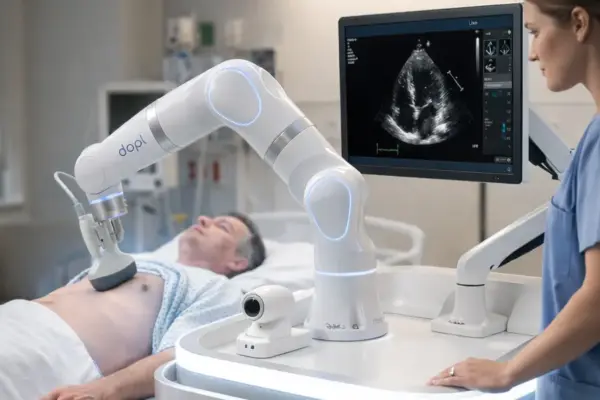
- Day 2 (Aug. 19): Dopl Technologies CEO Ryan James explores the transition from cardiac ablation robotics to remote tele-ultrasound hardware and software.
- Day 3 (Aug. 20): LEM Surgical CEO Yossi Bar examines the roadmap toward autonomous surgical robotics and identifies which surgical fields are poised to lead the revolution.
Registration for all three live sessions is entirely free, offering participants direct access to expert interviews, comprehensive Q&A segments, and a curated archive of past developmental insights.
Detailed Chronology: Day-by-Day Breakdown of the 2026 Sessions
Day 1 (August 18): Manny Villafaña and the Art of Medical Device Disruption
The 2026 series kicks off with a heavyweight of the medical device sector: Manny Villafaña. Interviewed by MDO Associate Editor Skyler Rivera, Villafaña will draw upon a legendary career defined by multi-billion-dollar exits and relentless innovation.
Villafaña’s entrepreneurial footprint is etched across the history of modern cardiology. His past ventures include:
- Cardiac Pacemakers Inc. (CPI): Acquired by Boston Scientific for $27 billion.
- St. Jude Medical: Purchased by Abbott for $30 billion.
- ATS Medical: Acquired by Medtronic for $400 million.
- GV Medical: Pioneered laser-enhanced angioplasty systems.
- Kips Bay Medical: Developed innovative nitinol-based saphenous vein graft devices for CABG surgery.
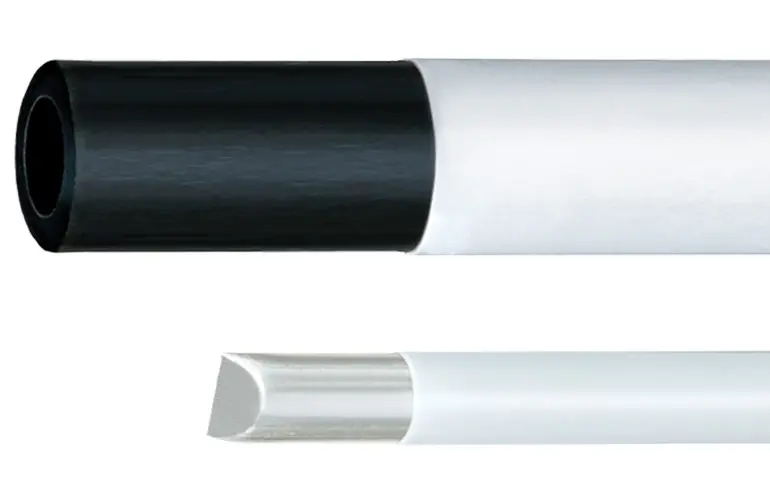
On Day 1, the spotlight shifts to Villafaña’s current enterprise, Medical 21, and its flagship innovation: the Maverics small-diameter artificial regenerative bypass graft. Designed specifically for CABG surgery, the Maverics graft is constructed from a resorbable synthetic polymer scaffold reinforced with nitinol wire. If successful, this technology could completely eliminate the need for invasive vessel harvesting—a procedure currently required to extract healthy blood vessels from a patient’s leg or chest, which often introduces additional pain, morbidity, and recovery time.
Beyond product mechanics, Villafaña will offer invaluable mentorship to early-stage developers. His session will explore how to identify true clinical unmet needs, navigate complex FDA regulatory pathways, and structure R&D teams to accelerate time-to-market without compromising safety.

Day 2 (August 19): Ryan James and the Frontier of Teleprocedures
On August 20, MDO Managing Editor Jim Hammerand sits down with Ryan James, co-founder and CEO of Dopl Technologies. James brought a strong background in software engineering from Microsoft and NVIDIA into the medtech space, teaming up with practicing physicians to reimagine how medical procedures can be performed across geographic divides.
Dopl Technologies initially made waves by developing robotics hardware and software tailored for minimally invasive cardiac ablation. After successful early demonstrations, the startup strategically pivoted its focus toward remote robotic ultrasound imaging, with plans to scale into a broader ecosystem of teleprocedures.
The implications of Dopl’s technology are profound. By bridging the gap between hardware mechanics and secure, low-latency software, tele-ultrasound enables expert diagnosticians to perform scans remotely in rural clinics, emergency rooms, or underserved communities where specialized medical personnel are scarce. James will discuss the rigorous engineering required to ensure haptic fidelity, cybersecurity, and real-time visual feedback in remote robotic operations.
Day 3 (August 20): Yossi Bar on the Rise of Autonomous Surgical Robotics
The series concludes on August 21 with DeviceTalks Editorial Director Tom Salemi interviewing Yossi Bar, founder and CEO of LEM Surgical.
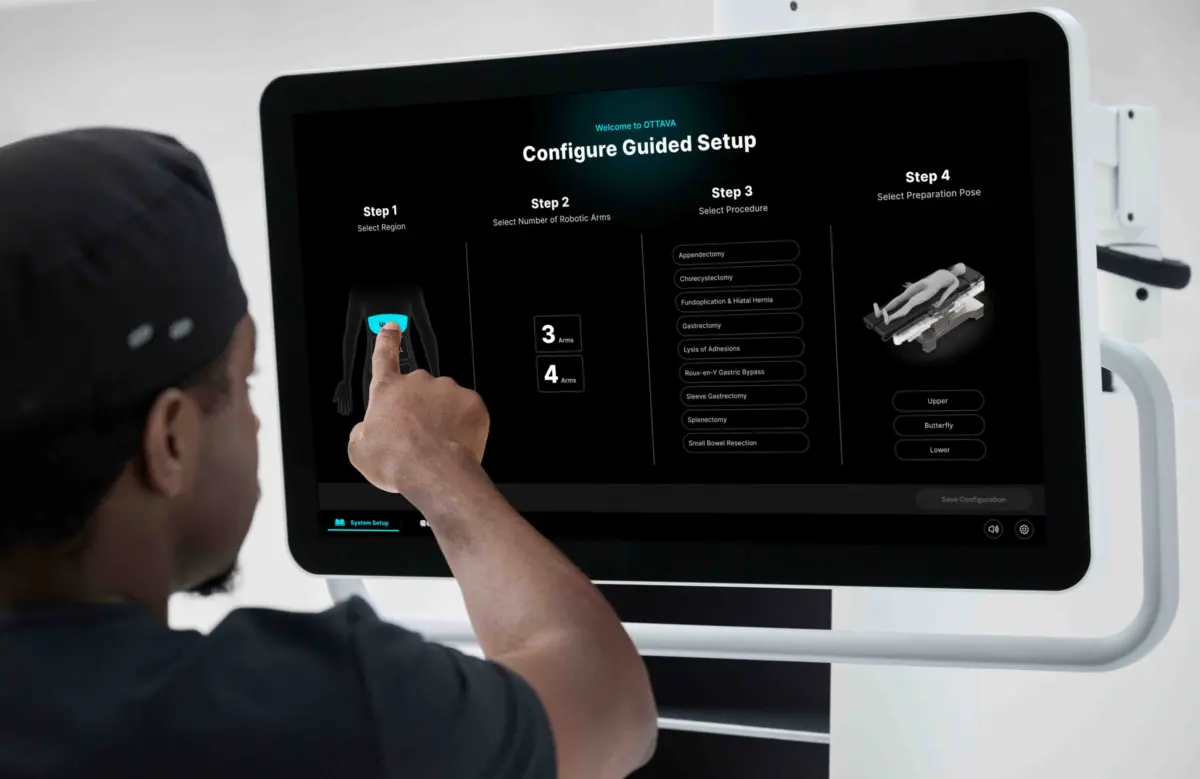
As surgical robotics matures from teleoperated master-slave systems toward true machine autonomy, the industry stands at a technological crossroads. Bar will lead a forward-looking discussion on what it will genuinely take to achieve autonomous surgical robotics, the safety and validation frameworks required to satisfy regulatory bodies, and which surgical specialties are positioned to cross the finish line first.

LEM Surgical is pioneering advanced robotic systems designed to execute complex surgical maneuvers with microscopic precision, reducing human error, standardizing surgical quality, and mitigating surgeon fatigue. Bar’s insights will provide attendees with a rare glimpse into the future of computer-assisted surgery.
Supporting Context & Metrics: The Architecture of Minimally Invasive Innovation
To truly appreciate the discussions featured in the MDO Min-Vasive Medtech series, one must examine the fundamental material sciences and engineering disciplines powering modern medical devices.
Advanced Materials: Nitinol and Bioabsorbable Polymers
The miniaturization and flexibility required for minimally invasive instruments would be impossible without breakthroughs in materials engineering:
- Nitinol (Nickel-Titanium Alloy): Celebrated for its unique shape memory and superelastic properties, nitinol allows catheters, stents, and artificial grafts to navigate tortuous vascular pathways and spring back to their pre-configured geometries upon deployment.
- Bioabsorbable Polymers: Essential for temporary implants and scaffolds (such as Medical 21’s Maverics graft structure), these materials gradually degrade and are safely metabolized or absorbed by the body once their mechanical support or regenerative purpose has been served, reducing long-term foreign body risks.
The Evolution of the Webinar Series
The 2026 program builds upon a robust, multi-year history of curating high-level technical discourse.
- In 2024, the series featured engineering pioneers from major OEMs and trailblazing startups, including Abbott, Johnson & Johnson MedTech’s DePuy Synthes, Synchron, and Endiatx, focusing on brain-computer interfaces, micro-robotics, and structural heart innovations.
- In 2025, discussions expanded to include structural heart experts from Edwards Lifesciences, Jupiter Endo, and Compremium, highlighting the intricate dynamics of catheter-based interventions and pediatric medtech development.
Official Statements and Industry Perspectives
The collaborative ethos of the Min-Vasive Medtech series underscores the vital importance of cross-industry knowledge sharing. As regulatory standards tighten and clinical demands evolve, engineering teams can no longer operate in siloes.

"This series is primarily meant for medical device developers, manufacturers, and suppliers involved in minimally invasive technologies—from surgical robotics and catheters to advanced imaging and implants," notes the MDO editorial team. "However, it is equally vital for students and engineers outside of medtech who are considering joining this life-saving industry, as well as R&D professionals looking to master mission-critical innovation."
By bringing together pioneers like Manny Villafaña, whose career spans the foundational era of implantable pacing to modern regenerative conduits, alongside digital-age innovators like Ryan James and robotics visionaries like Yossi Bar, the series provides a comprehensive generational bridge for the medtech community.
Future Outlook: Where Min-Vasive Medtech Goes Next
As the medical device sector looks toward the remainder of the decade, several macro-trends will dictate the success of R&D pipelines:
- The Integration of AI and Machine Learning: Algorithms will increasingly assist in real-time imaging analysis, predictive path planning for robotic arms, and automated diagnostic validation during teleprocedures.
- Decentralization of Care: Tele-robotics and remote imaging systems will continue to break down geographic barriers, moving specialized care out of centralized academic medical centers and into community hospitals and outpatient clinics.
- Regenerative Biomaterials: The shift from permanent foreign implants to bio-integrative, regenerative materials—exemplified by synthetic artificial arteries and resorbable scaffolds—will redefine biocompatibility standards.
The insights shared during the August 18–20, 2026 MDO Min-Vasive Medtech webinar series will undoubtedly serve as a foundational roadmap for the engineers, designers, and executives tasked with bringing these visions to clinical reality.
Registration for all three sessions remains free and open to professionals across the global medical technology ecosystem. Registrants will also gain access to comprehensive transcripts and archived discussions from previous years’ events.