








Executive Overview
Knee pain is one of the most ubiquitous human complaints, an unwelcome companion that frequently arrives unannounced in the latter chapters of life, though it increasingly makes its presence known far earlier. While persistent joint discomfort can stem from a variety of sources—ranging from acute sports injuries to systemic inflammatory conditions—none is more prevalent or economically and physically burdensome than osteoarthritis.
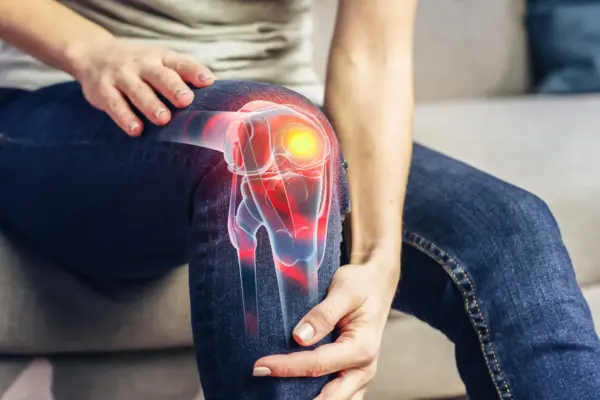
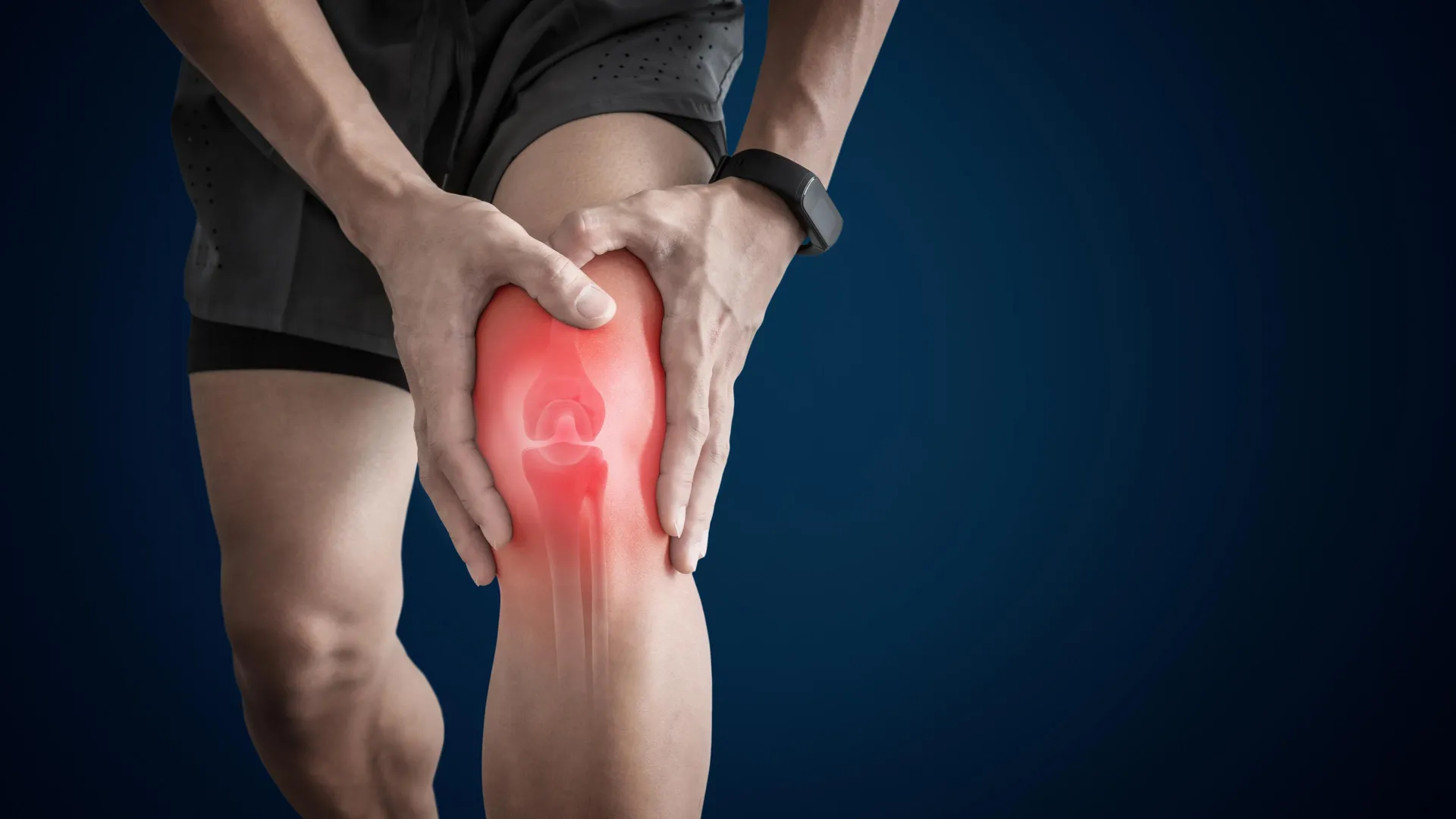
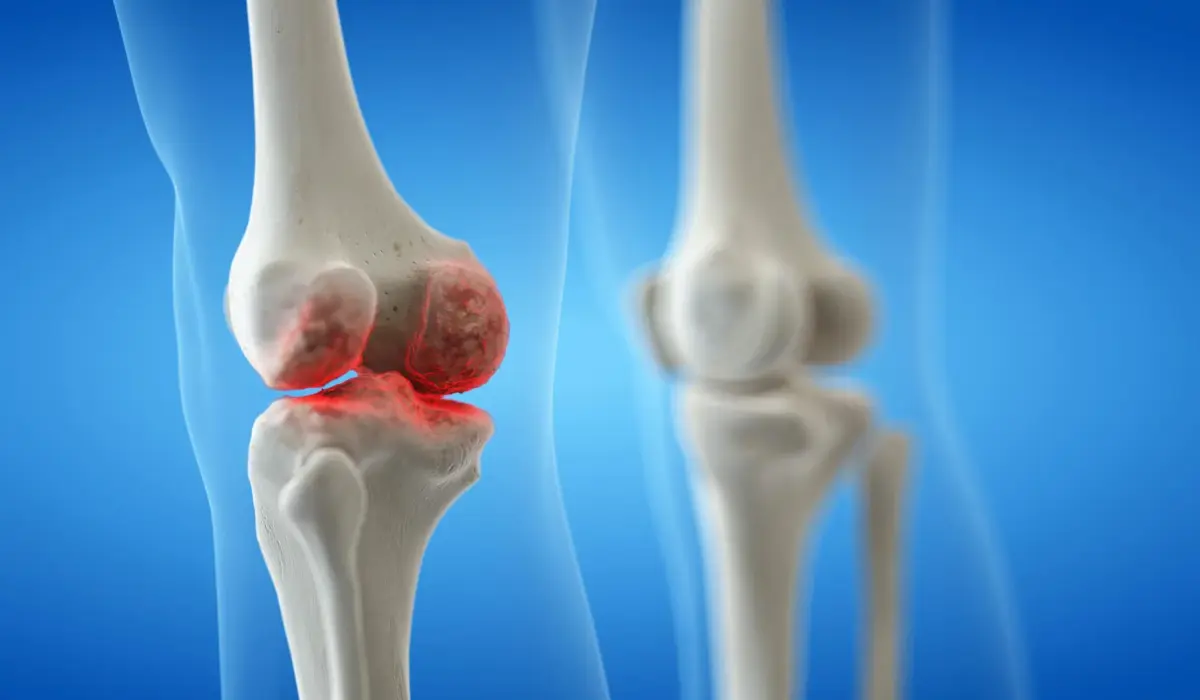
Often referred to as "wear-and-tear" arthritis, knee osteoarthritis develops as the smooth, protective cartilage that cushions the ends of the femur and tibia gradually deteriorates. Healthy cartilage acts as a frictionless shock absorber, allowing the knee to flex, extend, and rotate effortlessly. As this vital layer thins and eventually wears away, bone grinds against bone, triggering a cascade of chronic pain, inflammation, stiffness, and structural deformity.
However, framing osteoarthritis as a localized mechanical issue fails to capture its true societal toll. According to public health data, more than 30 million adults in the United States grapple with some form of osteoarthritis, with the knee standing as the most frequently targeted joint. Its effects extend far beyond the physical confines of the knee joint, rippling outward to compromise cardiovascular health, mental well-being, earning potential, and overall quality of life.
Despite its staggering prevalence and the common misconception that it is an inevitable byproduct of aging—roughly half of all cases manifest in individuals of working age—medical science offers substantial avenues for hope. Through a combination of targeted lifestyle modifications, dietary interventions, physical rehabilitation, and modern medical treatments, patients can profoundly alter the trajectory of the disease. Moreover, preventative strategies implemented early in life can dramatically lower the risk of onset, proving that even in the face of genetic predispositions, individuals retain significant agency over their joint health.
Detailed Chronology of the Condition: From Cartilage Breakdown to Systemic Impact
To understand the management and prevention of knee osteoarthritis, one must first trace the pathophysiological timeline of the disease. The degradation of joint health is rarely an overnight occurrence; rather, it is a slow, progressive unfolding that advances through distinct physiological stages.
Phase 1: Micro-Trauma and Early Cartilage Stress
In its earliest iterations, knee osteoarthritis begins at the microscopic level. Years of biomechanical stress, compounded by risk factors such as excess body weight, muscle imbalances, or prior traumatic joint injuries (such as anterior cruciate ligament tears or meniscal damage), begin to place aberrant pressure on the articular cartilage. Initially, the cartilage attempts to repair itself by increasing the production of extracellular matrix components. However, when the rate of breakdown outpaces the rate of cellular repair, the structural integrity of the collagen network begins to weaken. The smooth, glistening surface of the cartilage develops microscopic fissures and softens.
Phase 2: Structural Degradation and Synovial Inflammation
As the cartilage layer thins past a critical threshold, the underlying subchondral bone begins to experience abnormal mechanical loading. In response to this unaccustomed stress, the bone thickens (sclerosis) and often forms bony outgrowths known as osteophytes, or bone spurs, around the margins of the joint in an attempt to stabilize it. Concurrently, fragments of disintegrating cartilage shed into the joint space, irritating the synovial membrane—the lining that produces lubricating fluid for the joint. This irritation leads to synovial inflammation, resulting in joint effusion (water on the knee), swelling, and warmth.
Phase 3: The Chronic Pain and Immobility Loop
Once structural damage is established, patients typically enter a feedback loop of chronic pain and progressive immobility. The persistent discomfort and stiffness—particularly after periods of inactivity, such as sleeping or sitting—discourage physical movement. This self-imposed restriction of activity leads directly to muscular atrophy, specifically in the quadriceps and surrounding stabilizing muscles of the leg. As these supporting muscles weaken, they lose their ability to absorb shock and stabilize the knee joint, casting an even greater burden onto the damaged cartilage and accelerating the degenerative cycle.
Phase 4: Systemic Complications and Quality-of-Life Deficits
In the advanced stages of the disease, the physiological consequences cascade into systemic health risks. Chronic pain disrupts sleep architecture, elevating stress hormones and fostering depressive symptoms. Concurrently, the forced reduction in physical activity strips the body of the cardiovascular and metabolic benefits of exercise. Consequently, patients face an elevated risk of developing secondary chronic conditions, including type 2 diabetes, cardiovascular disease, and obesity. Furthermore, reduced mobility compromises balance and proprioception, significantly elevating the risk of dangerous falls and subsequent fractures in older adults.
Supporting Context & Metrics: The Scale of the Epidemic
The impact of knee osteoarthritis is best understood through the lens of epidemiological data and socioeconomic metrics, which reveal a condition of epidemic proportions.
Prevalence and Demographics
- The 30-Million Threshold: In the United States alone, over 30 million individuals suffer from osteoarthritis, making it one of the leading causes of disability in the country.
- The Knee as Prime Target: Among all joints in the human body, the knee is the most frequently affected by osteoarthritic degeneration, largely due to its weight-bearing responsibilities and complex biomechanical architecture.
- The Working-Age Burden: A widespread myth characterizes osteoarthritis exclusively as an ailment of the elderly. In reality, approximately 50 percent of all osteoarthritis cases occur in individuals who are still of working age, resulting in substantial losses in workplace productivity, absenteeism, and lost income.
Risk Factors and Vulnerability
Medical research has identified several key factors that accelerate the onset and progression of knee osteoarthritis:
- Mechanical Load: Excess body weight and obesity dramatically increase the biomechanical forces exerted across the knee joint during daily activities.
- Muscle Weakness: Inadequate strength in the quadriceps, hamstrings, and calf muscles deprives the joint of essential dynamic stabilization.
- Demographic and Genetic Predisposition: Women experience a higher prevalence and severity of knee osteoarthritis, particularly post-menopause. Older age, prior structural knee injuries, and a family history of the disease further elevate individual risk profiles.
Official Statements & Expert Insights
Navigating the complexities of knee osteoarthritis requires authoritative medical guidance. Dr. Abby Cheng, an orthopedic surgeon at Washington University School of Medicine in St. Louis who also specializes in physiatry—the nonsurgical treatment and rehabilitation of conditions such as arthritis—offers critical perspective on the multifaceted nature of the disease.
Beyond Joint Pain: The Broader Health Toll
Dr. Cheng emphasizes that osteoarthritis is far more than a localized joint nuisance.
"Osteoarthritis can cause knee pain and stiffness, which can negatively impact a person’s activity level, risk of falling, mood and general quality of life."
This ripple effect underscores why modern medicine must view osteoarthritis through a holistic lens. When pain dictates a patient’s daily routine, their entire ecosystem of health—from mental resilience to metabolic stability—is compromised.
Identifying the Root Vulnerabilities
Addressing why certain individuals are disproportionately affected, Dr. Cheng points to a combination of modifiable and non-modifiable risk factors:
"Having weak leg muscles and being overweight or obese increases a person’s risk for knee osteoarthritis. Women, older adults, people with a prior knee injury and those with a family history of osteoarthritis are also more likely to have the condition."
Practical Management and Lifestyle Interventions
For those already living with the condition, a diverse armamentarium of treatments exists, ranging from conservative lifestyle adjustments to advanced surgical interventions. Dr. Cheng highlights the power of dietary changes in modulating systemic inflammation:
"Eating more plants and less processed or sugary food reduces inflammation in the body, which can reduce pain from osteoarthritis in all joints."
Beyond nutrition, medical management is highly individualized. As Dr. Cheng notes:
"Other common treatments for knee osteoarthritis include strengthening the thigh muscles, using knee braces, taking anti-inflammatory medications, getting cortisone and other injections, and sometimes having knee replacement surgery."
Crucially, health care providers are increasingly shifting toward collaborative care models, working hand-in-hand with patients to design bespoke management strategies that integrate seamlessly into their daily lives.
The Physics of Weight Loss: Exponential Relief
One of the most compelling insights provided by clinical observation is the dramatic mechanical advantage achieved through modest weight reduction. Dr. Cheng highlights a striking physiological reality:
"For a person who is overweight, losing 10 pounds can reduce the stress placed on the knees by 40 pounds with every step."
This four-to-one ratio illustrates that small, achievable body weight reductions can yield disproportionately massive relief in joint loading, fundamentally altering the patient’s daily pain experience.
Demystifying Genetics: Overcoming the Fear of Family History
A common psychological barrier for patients is the fatalistic belief that genetic predisposition guarantees a future of disability. Dr. Cheng firmly challenges this assumption:
"Some people think that because a parent or grandparent had osteoarthritis, they will develop it too. And while it’s true that osteoarthritis can run in families, it doesn’t mean there’s nothing a person can do to successfully lower their risk of developing it."
Future Outlook: Prevention, Empowerment, and the Road Ahead
As medical science looks toward the future, the paradigm surrounding knee osteoarthritis is shifting from reactive management to proactive prevention and empowerment. The realization that millions of people live with this condition—yet retain the power to alter their personal trajectories—serves as a rallying cry for public health initiatives.
Dispelling Myths About Physical Activity
For decades, a pervasive myth warned individuals against high-impact activities like running, under the assumption that pounding the pavement inevitably destroys the knees. Modern sports medicine and epidemiological studies have largely dismantled this dogma. Regular physical activity, including appropriate levels of running, can be safely integrated into an active lifestyle aimed at preserving joint function, strengthening supporting musculature, and lowering overall osteoarthritis risk. The key lies in progressive adaptation, proper biomechanics, and maintaining a healthy body weight to buffer the joints against excessive forces.
The Power of Dietary Synergy
The future of osteoarthritis management will likely place an even greater emphasis on nutritional science. As researchers continue to map the gut-joint axis, the anti-inflammatory properties of plant-rich diets—abundant in whole grains, vibrant fruits, and nutrient-dense vegetables while minimizing refined sugars and processed foods—are proving to be formidable tools in clinical practice. These dietary patterns not only support weight management but actively suppress systemic inflammatory pathways that exacerbate joint degradation.
Taking Control of Joint Health
Ultimately, the narrative surrounding knee osteoarthritis is one of agency. While the condition shares no direct linear parity with acute genetic mutations found in other chronic diseases, its impact on human longevity and vitality is undeniable. By embracing early interventions—such as targeted physical therapy to fortify leg musculature, maintaining an optimal body weight, adopting anti-inflammatory nutritional habits, and seeking timely medical guidance—individuals can take proactive control of their physical destiny.
As Dr. Cheng aptly reminds us: It’s your health. Take control. Through education, lifestyle commitment, and advanced medical support, the future of joint health is brighter, more mobile, and firmly within our grasp.