






Executive Overview
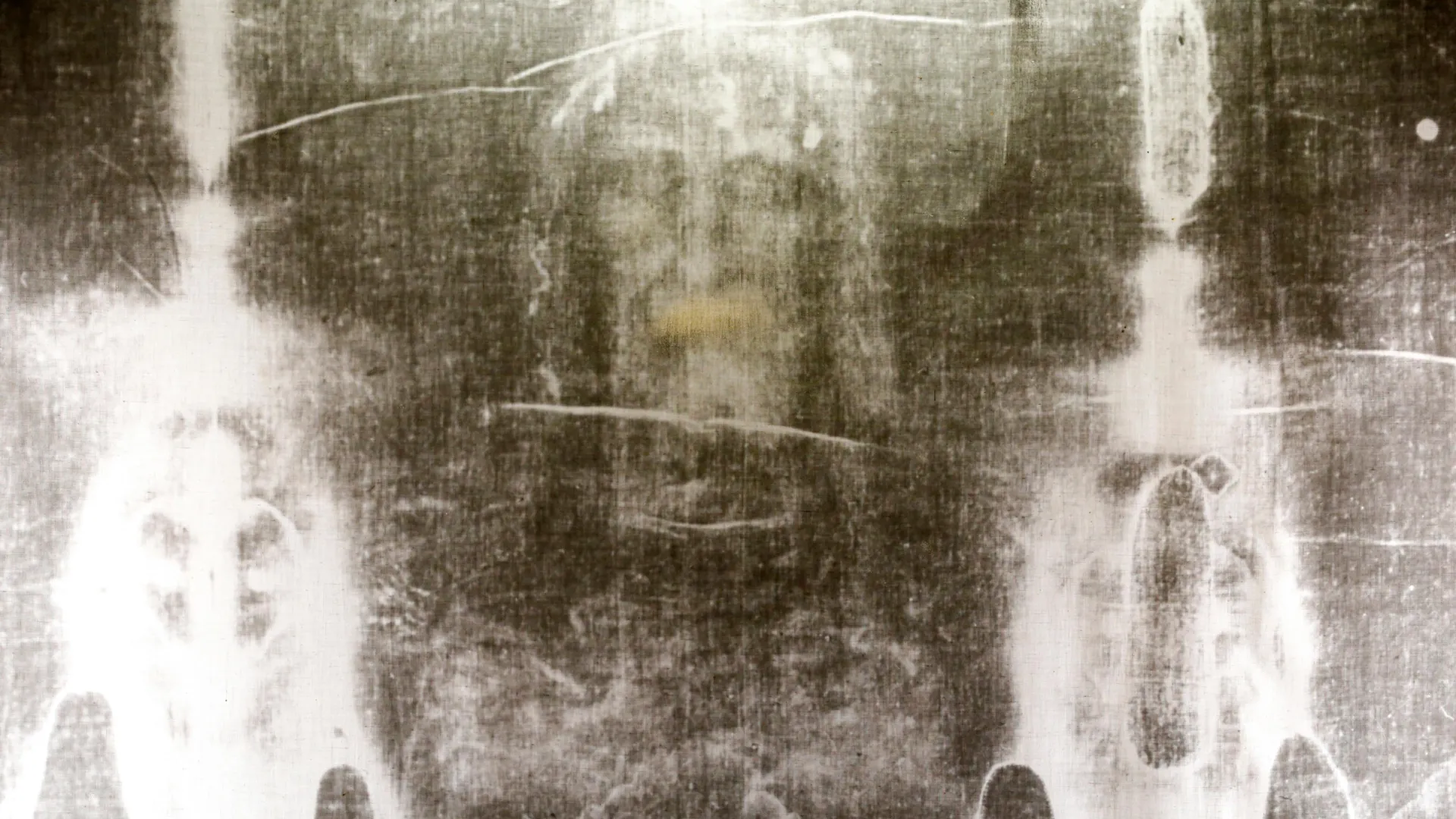
For centuries, the Shroud of Turin has occupied a singular space at the intersection of religious devotion, historical inquiry, and intense scientific skepticism. Widely regarded as one of the most thoroughly scrutinized and fiercely debated artifacts in human history, this 14-foot linen cloth—bearing the faint, ghostly front and back image of a crucified man—has once again yielded secrets. However, the latest revelations do not arrive from traditional carbon dating, optical analysis, or art history. Instead, they stem from the cutting-edge realm of forensic genomics.
In a landmark study published in the prestigious journal Scientific Reports, an international team of researchers has utilized advanced, PCR-free next-generation metagenomic sequencing to examine official dust and fiber samples extracted from the Shroud during its historic 1978 examination. This modern scientific endeavor represents the first time high-throughput genomic sequencing has been applied to these specific archives, producing the most comprehensive and detailed biological record ever recovered from the cloth.
Rather than addressing the incendiary and long-standing debates surrounding the Shroud’s true age or its contested authenticity as the burial garment of Jesus of Nazareth, the study reframes the artifact as a remarkably complex biological ledger. The linen fibers have functioned over the centuries as an organic sponge, trapping, preserving, and accumulating molecular echoes of the people, environments, animals, and plants that crossed its path across generations and geographies.
The findings unveil a surprisingly diverse microscopic ecosystem. Researchers detected multiple human mitochondrial DNA lineages, an intricate microbiome consisting of bacteria, fungi, and halophilic (salt-loving) microorganisms, alongside unexpected traces of plant and animal DNA that hint at global trade networks, diverse culinary habits, and varying geographic migrations. While the researchers emphasize that centuries of heavy handling, atmospheric exposure, and storage make it impossible to isolate any original, first-century human DNA, the sheer density of the secondary biological archive offers a fascinating masterclass in how forensic science can resurrect the hidden history of cultural treasures.
Detailed Chronology: From the 1978 Sampling to Genomic Breakthroughs
To fully comprehend the significance of this latest genetic breakthrough, one must trace both the historical trajectory of the Shroud itself and the methodological evolution of the scientific efforts dedicated to understanding it.
The 1978 STURP Expedition: Preserving the Source Material
The samples utilized in the recent Scientific Reports study are not new; they were meticulously collected nearly five decades ago during the landmark Shroud of Turin Research Project (STURP). In 1978, a multidisciplinary team of American scientists was granted unprecedented, round-the-clock access to the cloth in Turin, Italy. Using specialized adhesive tape lifts applied to various areas of the linen, the STURP team gathered microscopic debris, dust, pollen grains, and stray fibers from the surface of the cloth.
For decades, these samples have been stored, preserved, and studied using the analytical tools available at the time—primarily light microscopy, micro-chemistry, and early ultraviolet-visible spectroscopy. While those initial analyses provided invaluable insights into the physical structure of the linen and the nature of the image-forming mechanism, the molecular biology revolution of the 21st century rendered those physical samples ripe for re-examination.
The Genomic Revolution Arrives
Fast-forward to the modern era, where next-generation sequencing (NGS) has fundamentally transformed forensic science, archaeology, and paleogenomics. Techniques capable of sequencing degraded, ancient, and environmental DNA (eDNA) have allowed scientists to extract meaningful genetic data from minuscule quantities of biological material.
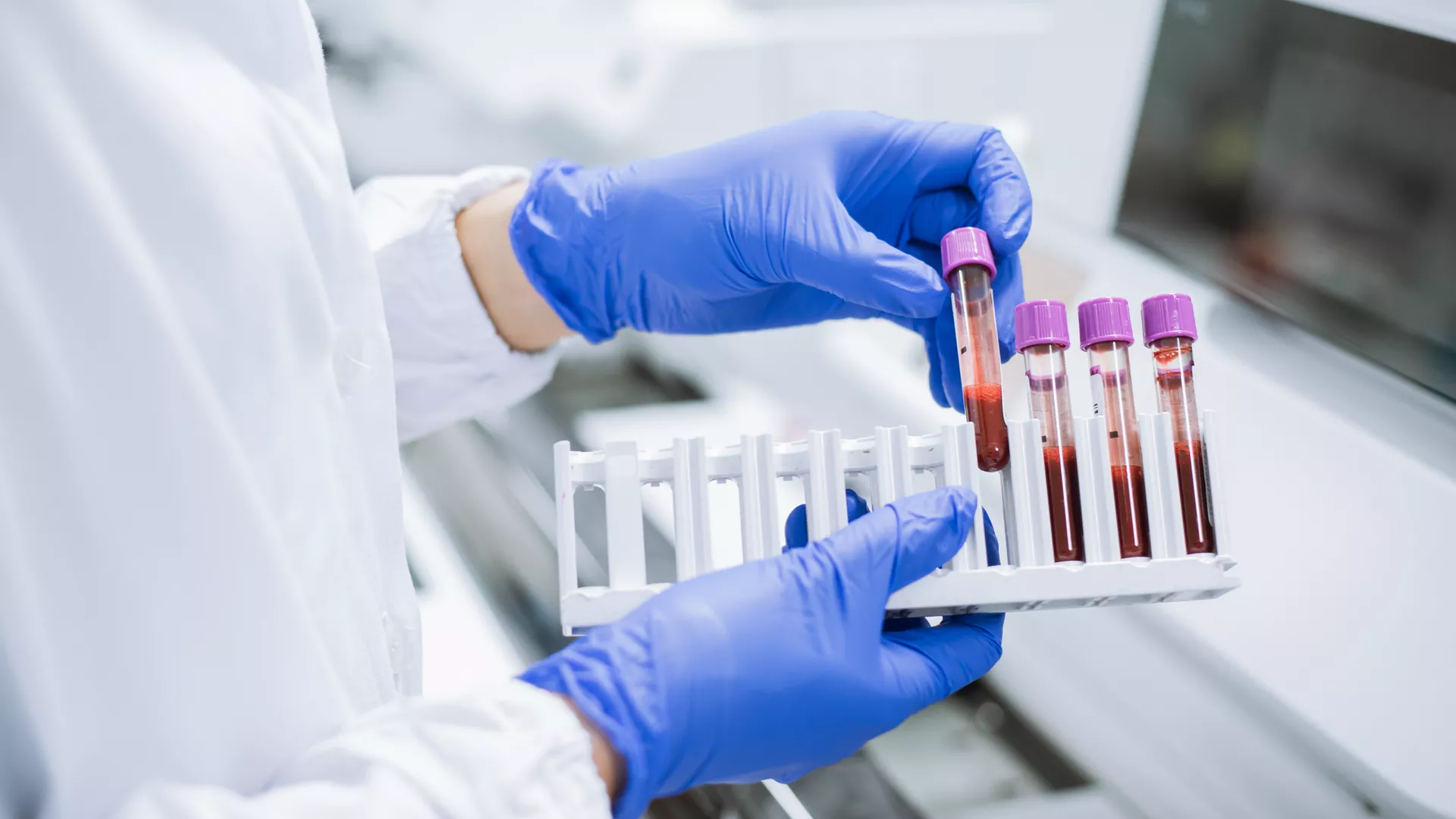
Applying these methodologies to the 1978 STURP samples, the contemporary research team bypassed the polymerase chain reaction (PCR) amplification steps that are prone to introducing errors and contamination in degraded samples. Instead, they employed rigorous PCR-free metagenomic sequencing. This technique sequences every piece of DNA present in the sample, allowing researchers to construct an unbiased, high-resolution census of every organism whose genetic footprint became entangled with the Shroud’s flax fibers.
Unraveling the Biological Layers
When the genomic data was processed and analyzed, it revealed a layered historical record. The Shroud’s journey has not been a static preservation in a vacuum; it has been a dynamic interaction with changing environments.
The human mitochondrial DNA lineages identified in the study point to a succession of handlers, custodians, and restorers over the centuries. Because mitochondrial DNA is maternally inherited and persists long after nuclear DNA degrades, it acts as a breadcrumb trail of human presence.
Simultaneously, the environmental DNA provided a geographical narrative. The presence of DNA from cultivated plants, domesticated farm animals, and exotic marine life—such as Mediterranean red coral—paints a vivid picture of the diverse ecologies and cultural hubs through which the artifact likely traveled. From Mediterranean coastal regions to inland European storehouses, the cloth absorbed the microscopic dust of its world.
Supporting Context & Metrics: Decoding the Genetic Archive
To appreciate the scale and precision of the data generated by the Scientific Reports study, it is helpful to examine the specific categories of biological material discovered embedded within the linen matrix.
The Microbiome: Bacteria, Fungi, and Halophiles
The most abundant genetic material recovered from the Shroud belongs to its microbial community. The cloth supports a rich microbiome that reflects both human touch and environmental storage conditions:
- Human-Associated Bacteria: Organisms commonly found on human skin, sweat, and mucosal membranes were identified in high quantities, confirming centuries of direct physical contact by custodians, pilgrims, and examiners.
- Fungi and Molds: Various fungal strains, indicative of organic decay, humidity exposure, and historical storage in damp monastic vaults or wooden chests, were cataloged.
- Halophilic Microorganisms: Perhaps most intriguingly, the study detected salt-loving (halophilic) archaea and bacteria. These microorganisms typically thrive in hypersaline environments, such as salt lakes, drying pans, or coastal marine regions, offering subtle clues regarding the historical climatic conditions or preservation environments to which the cloth was subjected.
Flora and Fauna: A Micro-Ecosystem of Trade and Environment
Beyond microscopic life, the genomic sequencing detected complex multicellular DNA signatures spanning the plant and animal kingdoms.
- Plant DNA Signatures: The botanical profile was surprisingly cosmopolitan. Researchers identified genetic traces of cultivated crops, including wheat, carrots, maize, bananas, and peanuts. While some modern agricultural crops (such as maize and peanuts, which are indigenous to the Americas) represent modern contamination or handling post-discovery, the presence of specific Mediterranean and Near Eastern flora aligns with historical transit routes.
- Animal DNA Signatures: The animal kingdom was equally well-represented. The sequencing yielded genetic data matching common domesticated species, including cattle, pigs, chickens, dogs, and cats. These domesticates reflect the agricultural and domestic environments in which the Shroud was housed, handled, and displayed across medieval and modern Europe.
- Marine Traces: The identification of DNA originating from Mediterranean red coral (Corallium rubrum) adds a fascinating cultural layer. Red coral has historically been prized in Mediterranean jewelry, amulets, and liturgical adornments, suggesting that individuals adorned with coral jewelry or items crafted from marine materials may have handled the cloth.
| Biological Category | Specific Detections / Taxa | Historical & Forensic Significance |
|---|---|---|
| Human DNA | Multiple mitochondrial lineages | Reflects diverse human handlers, custodians, and examiners over centuries of stewardship. |
| Microbiome | Skin bacteria, fungi, halophilic archaea | Indicates physical touch, humidity exposure, and storage in saline or damp environments. |
| Flora | Wheat, carrots, maize, bananas, peanuts | Highlights global and regional trade, historical agricultural exposure, and modern contamination. |
| Fauna | Cattle, pigs, chickens, dogs, cats | Illustrates domestic and agricultural living environments associated with the cloth’s storage. |
| Marine Life | Mediterranean red coral (Corallium rubrum) | Suggests contact with individuals wearing or using Mediterranean jewelry and liturgical artifacts. |
Official Statements and Expert Perspectives
The publication of this study has reverberated through academic, forensic, and historical communities, prompting reflections on the intersection of modern biotechnology and historical artifact preservation.
Professor Noemi Procopio on Forensic Genomics
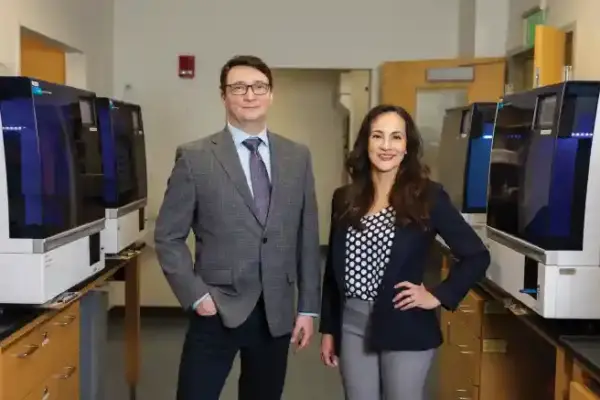
Dr. Noemi Procopio, Professor of Forensic Science at the University of Lancashire and a key contributor to the international collaborative project, emphasized the transformative power of applying modern criminalistics to historical mysteries.
"The Shroud of Turin continues to fascinate historians, scientists, and the public, and we’re thrilled to reveal new information about the biological complexity preserved within samples collected almost 50 years ago by applying new cutting-edge forensic DNA technologies," Professor Procopio stated.
Addressing the limitations and ultimate value of the research, she noted:
"The Shroud represents a rich archive of genetic information that has accumulated over centuries of human interaction and environmental exposure. While the DNA evidence cannot answer all the questions about the age or authenticity of the cloth, it provides novel insights into its biological history and demonstrates how advances in forensic science can unlock new information from historical artifacts."
The Scientific Consensus: A Shift in Methodology
Independent historians and forensic scientists have lauded the study for its methodological rigor. By transparently acknowledging the impossibility of extracting original first-century human DNA—owing to the sheer volume of subsequent contamination—the research team has avoided the pitfalls of previous, highly controversial biological claims that sparked intense academic debate in past decades.
Instead, the scientific community views this study as a benchmark for how forensic proteomics and genomics should be applied to contested artifacts. By treating the Shroud not as a pristine relic, but as an open-air historical manuscript written in the ink of environmental debris, the researchers have successfully shifted the conversation from polarized debates over authenticity to objective documentation of material history.
Future Outlook: The Next Frontier in Artifact Conservation and Forensics
As genomic sequencing technologies continue to advance in sensitivity, speed, and resolution, the implications of this study extend far beyond the linen folds of the Shroud of Turin.
Re-Evaluating Global Historical Artifacts
The methodology successfully demonstrated in the Scientific Reports study provides a scalable blueprint for analyzing other high-profile historical and religious artifacts. Manuscripts, textiles, medieval armor, and archaeological bone fragments that have undergone centuries of handling can now be subjected to similar metagenomic screening.
By mapping the microbiome and environmental DNA of such objects, conservation scientists can:
- Reconstruct undocumented trade routes and geographical migrations.
- Identify historical restoration events or storage environments that threaten artifact integrity.
- Detect biological degradation agents (such as destructive molds or bacteria) before they cause irreversible physical damage.
The Enduring Mystery of the Shroud
For the general public and devoted historians, the Shroud of Turin will undoubtedly remain a subject of profound fascination and debate. Believers will continue to see the faint image as a miraculous imprint, while skeptics will point to medieval artistic techniques and carbon-dating anomalies.
Yet, the true triumph of this latest scientific chapter lies in its objectivity. Through the patient application of next-generation genomics, the Shroud has been revealed as something equally wondrous: a microscopic time capsule. It is a physical chronicle that has absorbed the dust of centuries, the breath of countless generations of caretakers, and the silent witness of a turbulent global history—all preserved within the delicate, woven threads of ancient flax.