











Executive Overview
For decades, creatine has been a fixture of the fitness world, predominantly recognized as a staple supplement for athletes, bodybuilders, and fitness enthusiasts seeking to maximize explosive strength, lean muscle mass, and physical performance. However, groundbreaking new research emerging from the University of California, Los Angeles (UCLA) suggests that this widely consumed compound may possess a far more profound and unexpected biological utility: supercharging the human immune system to mount a more aggressive, targeted attack against cancer.
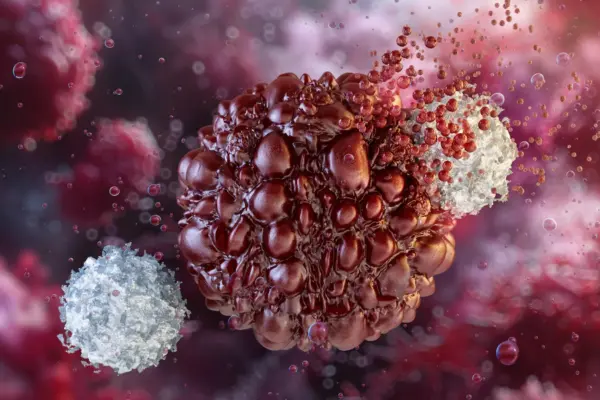
In a study published in the scientific journal iScience, a team of UCLA researchers revealed that creatine significantly enhances the functional capacity of dendritic cells. These specialized immune cells act as the master sentinels of the body, tasked with identifying rogue tumors and subsequently activating the cytotoxic "killer" T cells responsible for hunting down and destroying malignant cells. This latest discovery builds directly upon pioneering previous work from the same UCLA laboratory, which established that creatine can also independently optimize the cancer-fighting capabilities of T cells.
Modern cancer immunotherapy has fundamentally transformed oncology, offering unprecedented hope to patients facing once-insurmountable diagnoses. Yet, these innovative treatments come with a notable limitation: only a small fraction of patients—roughly 20% to 40%—experience meaningful, long-term clinical benefits. The UCLA research team posits that by fortifying dendritic cells, which serve as the master coordinators and directors of the immune response, medical science may unlock a way to make immunotherapies effective for a significantly broader population of cancer patients.
While the pre-clinical findings in mice and human cellular models are exceptionally promising, researchers issue a vital cautionary note: the work remains in its early stages. Rigorous human clinical trials are necessary before any definitive claims can be made regarding the efficacy of creatine supplementation in human cancer treatment. Nevertheless, the study opens a fascinating, metabolically driven frontier in oncology, suggesting that a humble, over-the-counter fitness supplement could eventually play a critical synergistic role in next-generation cancer therapies.
Detailed Chronology: Uncovering the Cellular Mechanics of Creatine
To comprehend how a common nutritional supplement intersects with the highly complex machinery of the human immune system, the UCLA research team embarked on a meticulous, step-by-step investigative journey. Their findings trace an intricate pathway from cellular metabolism to systemic anti-tumor responses.
1. Mapping Metabolic Gene Activity in Tumors
The investigation began with a foundational question: How do immune cells behave when they infiltrate the harsh, nutrient-depleted microenvironment of a tumor? To find out, the researchers analyzed the metabolic gene activity of dendritic cells that had successfully migrated into tumors within mouse models.
The results were striking. The gene responsible for producing the creatine transporter—a specialized membrane protein whose primary job is to ferry creatine molecules into the interior of a cell—showed a massive surge in activity within tumor-infiltrating dendritic cells compared to their counterparts residing in healthy, non-cancerous tissue. This heightened expression signaled to the scientists that dendritic cells actively rely on creatine to navigate and survive the metabolic stressors of a tumor environment.
2. Engineering Creatine-Deficient Cells
To test whether this reliance was functionally significant, the research team genetically engineered dendritic cells that completely lacked the creatine transporter. Deprived of their ability to import creatine, these modified cells suffered dramatic physiological consequences:
- Decreased Survival: The creatine-deficient dendritic cells struggled to survive in hostile environments.
- Impaired Activation: Their overall functional activity plummeted.
- Failure to Prime T Cells: Without functional dendritic cells to process and present antigens, neighboring T cells failed to properly recognize and prepare for an assault on tumors.
In subsequent co-culture experiments where these deficient dendritic cells were grown alongside T cells, the T cells exhibited sluggish proliferation and produced markedly fewer signaling molecules (cytokines) essential for mounting an effective anti-tumor defense.
3. Boosting Creatine via Daily Injections
Having observed the detrimental effects of creatine deprivation, the researchers sought to determine whether amplifying creatine levels would yield the inverse, beneficial effect. They introduced daily creatine injections into mouse models diagnosed with melanoma.
The intervention yielded dramatic results. Daily supplementation significantly decelerated tumor growth while concurrently driving up both the absolute number and the overall activity of dendritic cells infiltrating the tumor sites. Furthermore, these bolstered dendritic cells began releasing elevated concentrations of chemical attractant signals, drawing a broader wave of diverse immune cells directly into the heart of the tumor microenvironment.
4. Unlocking Cellular Energy Reserves
Utilizing advanced metabolomics analyses, the scientists investigated the biochemical mechanisms driving these improvements. They discovered that creatine supplementation directly increased intracellular adenosine triphosphate (ATP) levels within the dendritic cells.
As the fundamental molecular currency of cellular energy, ATP powers virtually every vital biochemical process within the human body. By shoring up these critical energy reserves, supplemental creatine acted as a metabolic buffer—functioning much like a rechargeable battery. This allowed dendritic cells to persistently store and release energy as needed, granting them the resilience required to outcompete rapidly proliferating tumor cells for scarce localized nutrients.
5. Transitioning to Human Cellular Models
Seeking to validate whether these murine mechanisms translated to human biology, the team pivoted to laboratory experiments involving human cells. They tested creatine on human monocyte-derived dendritic cells, which serve as the primary cellular base utilized in the manufacturing of dendritic cell-based cancer vaccines.
The results mirrored the animal trials: creatine successfully enhanced the activation of human dendritic cells and significantly upgraded their capacity to stimulate human T cells against specific cancer-associated targets. This crucial bridge suggests that introducing creatine into the manufacturing pipeline of personalized cancer vaccines could substantially elevate their potency.
Supporting Context & Metrics: The Immunotherapy Landscape and Metabolic Synergy
To fully appreciate the weight of the UCLA discovery, one must examine the broader landscape of modern oncology and the unique challenges plaguing contemporary immunotherapy.
The Limitations of Modern Immunotherapy
Over the past decade, cancer immunotherapy—particularly immune checkpoint inhibitors and cellular therapies—has revolutionized cancer care. By releasing the biological "brakes" on the immune system, these treatments empower killer T cells to recognize and annihilate cancer cells that would otherwise evade detection.
However, oncology statistics highlight a persistent clinical hurdle:
- Response Rates: Only 20% to 40% of cancer patients derive meaningful, durable therapeutic benefits from current immunotherapies.
- The Treatment Gap: For the remaining 60% to 80% of patients, tumors successfully employ immunosuppressive tactics, or the immune infrastructure fails to mount a coordinated assault.
The Role of Dendritic Cells in the Immune Chain of Command
While public attention often fixates on killer T cells as the frontline soldiers of the immune system, they cannot act without intelligence. Dendritic cells are the elite reconnaissance and command units. They capture foreign antigens from tumor cells, travel to lymph nodes, and present these targets to naive T cells, effectively issuing marching orders.
By discovering that creatine energizes dendritic cells, the UCLA team has identified a strategy that supports the foundational command structure of the immune system. Rather than solely attempting to revive exhausted T cells at the end of the chain, creatine supplementation fortifies the entire upstream infrastructure responsible for initiating and directing the immune response.
Creatine Monohydrate: Safety and Ubiquity
Creatine monohydrate is arguably one of the most thoroughly researched nutritional supplements in human history. Millions of individuals globally consume it daily to enhance athletic performance and lean tissue recovery. Decades of clinical safety data indicate that it is exceptionally well-tolerated when ingested at recommended dosages.
However, translating an over-the-counter fitness supplement into an adjunct cancer therapy requires rigorous scientific validation, precise dosing protocols, and stringent clinical oversight.
Official Statements from the UCLA Research Team
The implications of this study have drawn enthusiastic commentary from the principal investigators driving the research at UCLA.
"Immunotherapy has shown remarkable promise, but it only works for a subset of patients," noted Dr. Lili Yang, the study’s senior author, professor of microbiology, immunology and molecular genetics, and a member of the Eli and Edythe Broad Center of Regenerative Medicine and Stem Cell Research at UCLA.
"What this study shows is that creatine doesn’t just help the T cells fighting cancer—it also energizes the entire infrastructure that supports and guides them. That makes creatine a promising supplement to holistically support the immune response that modern immunotherapies depend on."
Elaborating on the dual-pronged therapeutic potential of the discovery, co-first author James Elsten-Brown, a graduate student in the Yang laboratory, explained the dual utility identified by the team:
"The potential we see here is that creatine could be used in two complementary ways: as a supplement to enhance the immune response of patients already receiving immunotherapy, and as a tool to improve the quality of dendritic cell-based vaccines before they’re administered."
Adding institutional and holistic perspective to the findings, co-first author Elliot Kang, a former undergraduate student researcher in the lab, emphasized the shift in scientific mindset:
"Understanding how to metabolically support dendritic cells is about supporting the entire anti-tumor response, not just the killer T cells at the end of it."
Future Outlook and Clinical Road Map
While the intersection of sports nutrition and oncology opens up exhilarating new possibilities for cancer treatment, the research team maintains a strict adherence to scientific rigor, issuing explicit cautions against premature self-medication.
The Necessity of Human Clinical Trials
All experiments documented in the iScience publication were conducted using pre-clinical mouse models and human cells cultured in controlled laboratory environments. The data does not currently constitute clinical proof that dietary creatine consumption improves cancer treatment outcomes in human patients.
Consequently, the immediate horizon of this research demands prospective human clinical trials. These studies will be designed to evaluate:
- Whether oral creatine supplementation can safely synergize with FDA-approved cancer immunotherapies in human patients.
- The optimal dosage, timing, and administration protocols required to elicit a measurable anti-tumor benefit without interfering with primary oncology treatments.
- The precise formulation and timing of creatine introduction in the ex-vivo production of dendritic cell-based cancer vaccines.
Medical Guidance and Patient Safety
Oncologists and researchers universally stress that cancer patients undergoing active treatment must exercise extreme caution. Even though creatine monohydrate is widely considered safe for healthy populations, the complex metabolic interactions occurring during chemotherapy, radiation, or immunotherapy require direct medical oversight. Patients must consult their attending physicians and oncology care teams before introducing any new supplement into their daily regimens.
Commercial and Intellectual Property Milestones
Reflecting the commercial and therapeutic promise of this discovery, the potential therapeutic strategies outlined in the UCLA study have already attracted institutional backing. A patent application covering these methodologies has been formally filed by the UCLA Technology Development Group on behalf of the Regents of the University of California.
Financial support for the foundational research was provided by a suite of prestigious grants and philanthropic awards, including:
- A UCLA Broad Stem Cell Research Center Rose Hills Foundation Innovator Grant
- The UCLA Health Jonsson Comprehensive Cancer Center and UCLA Broad Stem Cell Research Center Ablon Scholars Program
- A Magnolia Council Senior Investigator Grant Award
- A research fellowship from the Tower Cancer Research Foundation
As clinical researchers prepare for the next phase of investigation, the humble creatine molecule stands poised at the threshold of a remarkable scientific metamorphosis—stepping out of the weight room and into the vanguard of cancer immunotherapy research.