






Executive Overview
For millions across the globe, the day begins with the rich, comforting aroma of brewed coffee. As the world’s most widely consumed psychoactive substance and stimulant, caffeine is deeply woven into the fabric of modern daily life. Yet, as our reliance on quick energy picks up pace, so too does the scientific scrutiny surrounding its physiological toll.
A landmark scientific statement recently published in Circulation, the flagship peer-reviewed journal of the American Heart Association (AHA), provides much-needed clarity on this ubiquitous habit. Entitled "Caffeine and Cardiovascular Disease," the comprehensive review establishes a reassuring baseline for the average adult: consuming up to 400 milligrams of caffeine per day—roughly equivalent to three to five 8-ounce cups of black, caffeinated coffee—is generally safe and does not heighten the risk of cardiovascular disease. In fact, moderate, unsweetened coffee consumption is frequently correlated with reduced vulnerabilities to Type 2 diabetes, stroke, and heart failure.
However, the AHA’s consensus is far from a blanket endorsement of all caffeinated products. The narrative shifts dramatically when examining higher doses and alternative delivery systems. Concentrated caffeine sources, particularly commercial energy drinks and highly potent energy shots, present distinct cardiovascular hazards. Delivering up to four times the caffeine concentration of standard coffee alongside specialized absorption-accelerating compounds, these beverages have been linked to dangerous spikes in blood pressure and acute cardiac arrhythmias.
Coupled with variables such as individual genetics, brewing methods, and the widespread addition of sugars and fats, the relationship between caffeine and heart health is a complex exercise in moderation. This report examines the AHA’s findings, breaking down the physiological mechanisms, the pitfalls of energy drinks, and the nuanced guidance offered by the nation’s leading cardiovascular experts.
Detailed Chronology and Scientific Evolution
Understanding how medical consensus on caffeine evolved requires looking back through decades of observational studies, clinical trials, and epidemiological data. For a long time, caffeine was viewed with suspicion by cardiologists. Because acute doses temporarily elevate blood pressure, heart rate, and alertness, early medical advice often cautioned patients with hypertension or heart disease to eliminate coffee entirely.
As analytical techniques improved and long-term population studies matured, researchers began to notice discrepancies in the data. Populations with high coffee consumption did not consistently exhibit higher rates of cardiovascular disease; paradoxically, moderate coffee drinkers frequently showed lower incidences of chronic conditions like Type 2 diabetes and stroke.
However, untangling cause and effect proved notoriously difficult. Coffee is a complex botanical matrix containing hundreds of bioactive compounds—including polyphenols and antioxidants—alongside caffeine. Furthermore, lifestyle factors often co-occur with coffee consumption, complicating observational outcomes.
To address these lingering ambiguities, the American Heart Association convened a volunteer writing group of prominent cardiologists, epidemiologists, and nutrition scientists. Their mandate was to review the totality of recent evidence concerning caffeinated coffee and its relationships with high blood pressure, cholesterol profiles, metabolic disorders, and structural heart diseases.
The resulting scientific statement represents the culmination of this rigorous review. Rather than treating all caffeine as a monolith, the AHA’s expert panel sought to delineate the boundaries between traditional brewed beverages and modern, highly concentrated chemical concoctions. By synthesizing randomized trials, prospective cohorts, and mechanistic studies, the publication lays down a contemporary framework for evaluating caffeine safety in clinical practice—even as the researchers acknowledge that critical knowledge gaps remain, preventing caffeine from being formally integrated into the upcoming 2026 Dietary Guidance to Improve Cardiovascular Health.
Supporting Context and Metrics: Parsing the Data
To contextualize the AHA’s recommendations, it is vital to examine the specific metrics governing caffeine intake, preparation methods, and metabolic pathways.
The Mathematics of Moderation
The upper safety threshold established by the AHA—400 mg of caffeine per day—translates to approximately 3 to 5 standard 8-ounce cups of regular, black caffeinated coffee. Analytically, standard brewed, non-specialty coffee contains between 9.4 and 20.6 milligrams of caffeine per fluid ounce.
+-------------------------------------------------------------------------+
                    DAILY CAFFEINE INTAKE COMPARISON
+-------------------------------------------------------------------------+
  AHA Safe Upper Limit : [██████████████████████████████] 400 mg/day
  Standard Coffee      : [██████████████████] 3-5 Cups (~300-400 mg)
  Energy Drink Shots   : [██████████████] Concentrated (40-69 mg/fl oz)
+-------------------------------------------------------------------------+
When consumed without added sugars, artificial sweeteners, flavored syrups, or heavy creams, this level of intake correlates positively with lower risks of:
- Type 2 diabetes
- Coronary heart disease
- Ischemic stroke
- Heart failure
- Specific forms of irregular heart rhythms (such as atrial fibrillation, according to rigorous randomized trials)
The Hazards of the "Extras"
The health profile of a cup of coffee changes the moment additives are introduced. Adding high-fructose corn syrup, refined sugars, and saturated fats (via heavy creamers or whole milk) can blunt or completely negate the metabolic and cardiovascular advantages associated with plain black coffee.
Moreover, the method of preparation dictates internal biochemical impacts, particularly regarding cholesterol. Randomized clinical trials have isolated cafestol, a lipid-like substance present in both caffeinated and decaffeinated coffee. Cafestol has been shown to raise low-density lipoprotein (LDL) cholesterol—the so-called "bad" cholesterol.
Crucially, cafestol is retained in unfiltered coffee preparation methods, such as:
- French press
- Espresso
- Turkish coffee
- Boiled coffee
Conversely, cafestol is largely trapped by paper filters or rendered negligible in instant coffee processing.
The Energy Drink Threat
While traditional coffee represents a slow-release, socially integrated source of caffeine, the modern energy drink market operates under an entirely different biochemical paradigm. Energy drinks and commercial shots frequently pack 40 to 69 milligrams of caffeine per fluid ounce—roughly three to four times the concentration of standard drip coffee.
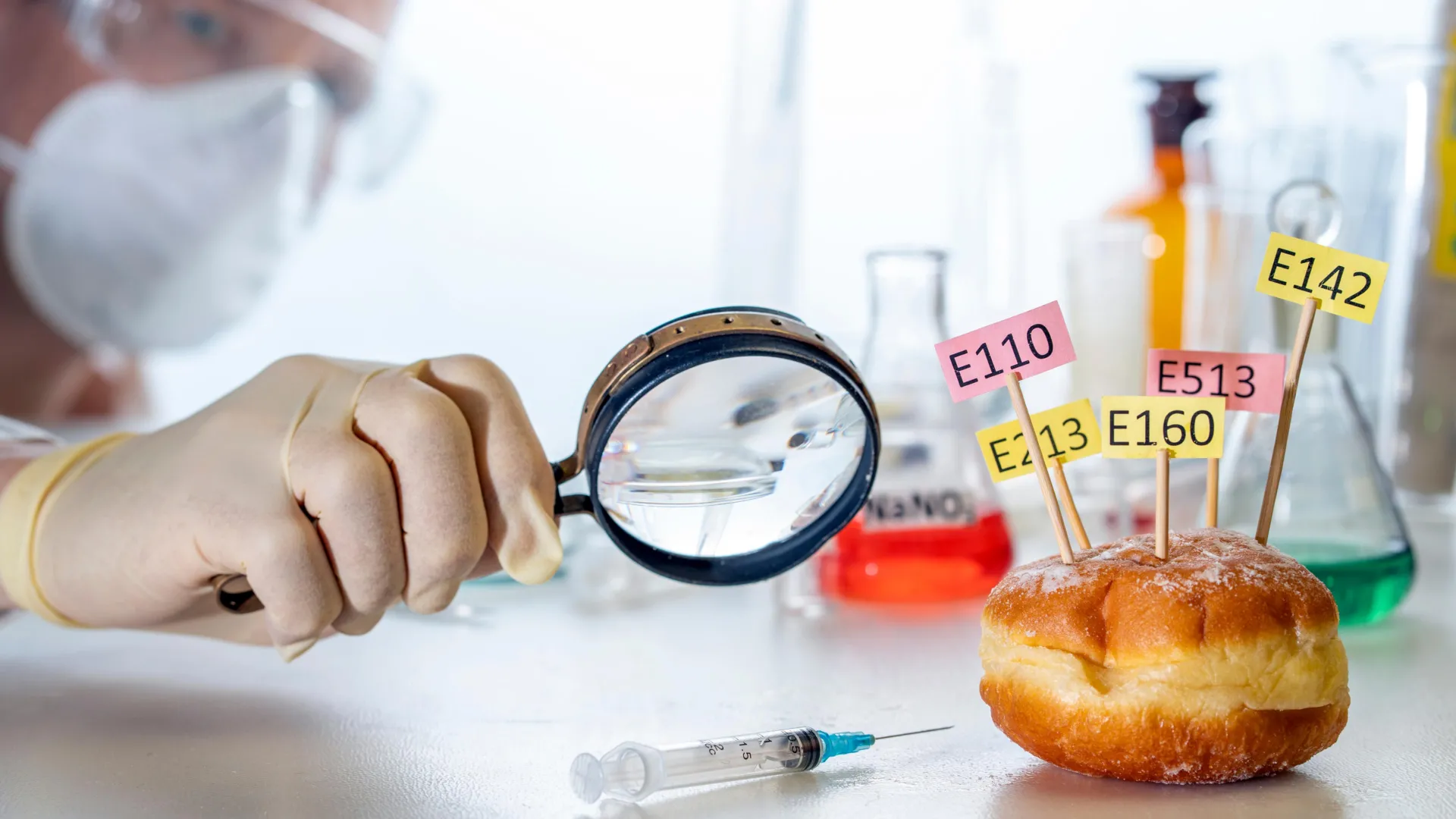
Beyond sheer volume, energy drinks often contain proprietary blends of amino acids, herbal stimulants (like guarana or ginseng), and chemical additives designed to accelerate gastrointestinal absorption. This rapid transit into the bloodstream causes sharp, acute spikes in blood pressure and places sudden, undue stress on the myocardium. The AHA’s statement notes that these high-dose formulations are consistently associated with acute hypertension and dangerous cardiac arrhythmias, even in young, healthy populations with no prior history of heart disease.
Internal Processing and Tolerance
Once ingested, caffeine is metabolized primarily by hepatic enzymes in the liver, typically reaching peak plasma concentration within one hour. However, this pharmacokinetic timeline is heavily influenced by individual variables:
- Genetics: Variations in the CYP1A2 gene dictate whether an individual metabolizes caffeine rapidly or slowly.
- Metabolic Rate & Age: Baseline metabolic velocity shifts with age, altering clearance rates.
- Habituation: Regular consumers develop physiological tolerance, mitigating immediate stimulant effects, whereas naive users may experience pronounced spikes in heart rate, temporary blood pressure elevations, insomnia, and acute anxiety from small doses.
Official Statements and Expert Insights
The release of the AHA scientific statement underscores the necessity of personalized healthcare advice over rigid, population-wide mandates.
Dr. Gregory M. Marcus, M.D., M.A.S., FAHA, professor of medicine at the University of California, San Francisco School of Medicine, associate chief of Cardiology for Research at UCSF Health, and chair of the writing group, emphasized the cultural ubiquity of the beverage alongside its physiological boundaries.
"Caffeine consumed in coffee is a key part of daily life for millions of people, and in our review of the most recent research, for most adults, intake of up to 400 mg of caffeine/day, the equivalent of up to 5 cups of caffeinated coffee per day without added sugars or fillers, is safe and does not increase cardiovascular risk," Dr. Marcus explained.
However, he issued a stern warning regarding alternative delivery systems:
"However, high doses of caffeine, such as those found in energy drinks including energy shots, may have harmful effects on the heart and should be avoided."
Dr. Marcus also highlighted the fallacy of a universal dietary standard, noting that physiological responses remain deeply individualized:
"Although research suggests that caffeine consumption may be associated with certain cardiovascular benefits for some people, it’s important to remember that there is no ‘one-size-fits-all’ strategy for safe caffeine consumption. People can respond very differently to caffeine based on various factors, such as age, medications, underlying health conditions, genetics and how quickly their bodies metabolize it. What may be a reasonable amount for one person could cause unwanted effects, such as heart palpitations, anxiety or sleep disruption, in another. That’s why it’s important to pay attention to how your body responds to caffeine and talk with your healthcare team about what is right for you."
The writing group also featured prominent co-authors, including Vice Chair Frank B. Hu, M.D., M.P.H., Ph.D., FAHA; Rob M. van Dam, Ph.D.; Marilyn C. Cornelis, Ph.D.; Thomas A. Dewland, M.D.; JungHee Kang, Ph.D., M.P.H., R.N.; Susanna C. Larsson, Ph.D.; Robert L. Page II, Pharm.D., M.S.P.H., FAHA; and Niyati Parekh, Ph.D., FAHA. Their collaborative effort stresses that while observational data offers encouraging clues, the medical community must pivot toward more definitive, randomized controlled trials.
Future Outlook and Clinical Recommendations
As the commercial market floods consumers with novel caffeine-infused products—ranging from pre-workout powders and nutritional gels to specialized energy waters—the scientific community faces an urgent mandate for further research.
The Research Horizon
Future investigations must isolate the mechanisms by which individual components of coffee interact with human biology. While tea has received comparatively less academic focus than coffee, existing data mirrors many of the same cardiovascular benefits, suggesting that shared antioxidant and anti-inflammatory compounds may play a protective role. Conversely, the rapid uptake mechanisms engineered into modern energy products require strict regulatory oversight and targeted clinical trials to map their long-term structural impacts on vascular health.
Clinical Guidance for Consumers
For the average consumer navigating the complex aisles of modern grocery stores and coffee shops, the AHA’s findings translate into several actionable takeaways:
- Prioritize Quality and Simplicity: Stick to black, unsweetened caffeinated coffee or tea. Avoid loading beverages with processed sugars, artificial syrups, and high-fat dairy that compromise metabolic gains.
- Mind Your Brewing Method: Individuals monitoring their cholesterol levels—particularly those with hypercholesterolemia—should opt for paper-filtered or instant coffee rather than unfiltered brewing methods like French press or espresso, which retain cafestol.
- Exercise Extreme Caution with Energy Drinks: Avoid high-dose energy drinks and concentrated shots. Their extreme caffeine concentrations and absorption accelerators pose verified risks for acute hypertension and arrhythmias.
- Listen to Your Body: Recognize that genetic variations dictate tolerance. If caffeine triggers heart palpitations, sleep disturbances, or anxiety, scale back intake regardless of general population guidelines.
- Consult Your Healthcare Team: Patients with pre-existing cardiovascular conditions, hypertension, or those taking medications that interact with stimulants should actively discuss their caffeine consumption habits with their physicians to establish a personalized threshold.
Ultimately, the American Heart Association’s statement reframes caffeine not as a universal dietary villain, but as a nuanced substance whose safety is defined by dosage, preparation, and individual biology. By anchoring daily habits in moderation and mindful consumption, coffee lovers can continue to enjoy their morning ritual with confidence.