







Executive Overview
For decades, the final chapter of Linus Pauling’s legendary scientific career was cited as a cautionary tale about the perils of the "halo effect." As one of the most brilliant minds of the 20th century—and the only person in history to win two unshared Nobel Prizes (Chemistry in 1954, Peace in 1962)—Pauling revolutionized humanity’s understanding of chemical bonding and protein structures. Yet, late in life, he became a polarizing figure. He staked his formidable reputation on a controversial, passionate crusade: that massive doses of vitamin C could treat and even cure cancer.
Mainstream oncologists scoffed. When Pauling himself ultimately died of cancer in 1994 at the age of 93, critics framed his final crusade as a tragic delusion—proof that a genius in one field is entirely capable of catastrophic hubris in another. Clinical trials conducted by the prestigious Mayo Clinic swiftly "disproved" his claims, and vitamin C was summarily relegated to the dusty archives of alternative medicine.
Half a century later, however, the story refuses to stay buried. Modern oncology and molecular biology are taking a rigorous, second look at vitamin C. The emerging picture is far more nuanced than either Pauling’s unbridled optimism or his critics’ total dismissal would suggest. It turns out that Pauling was right about a profound, underlying biological reality, even if he did not fully understand the precise mechanisms at play, and even as he vastly overstated the clinical efficacy of simple vitamin supplements.
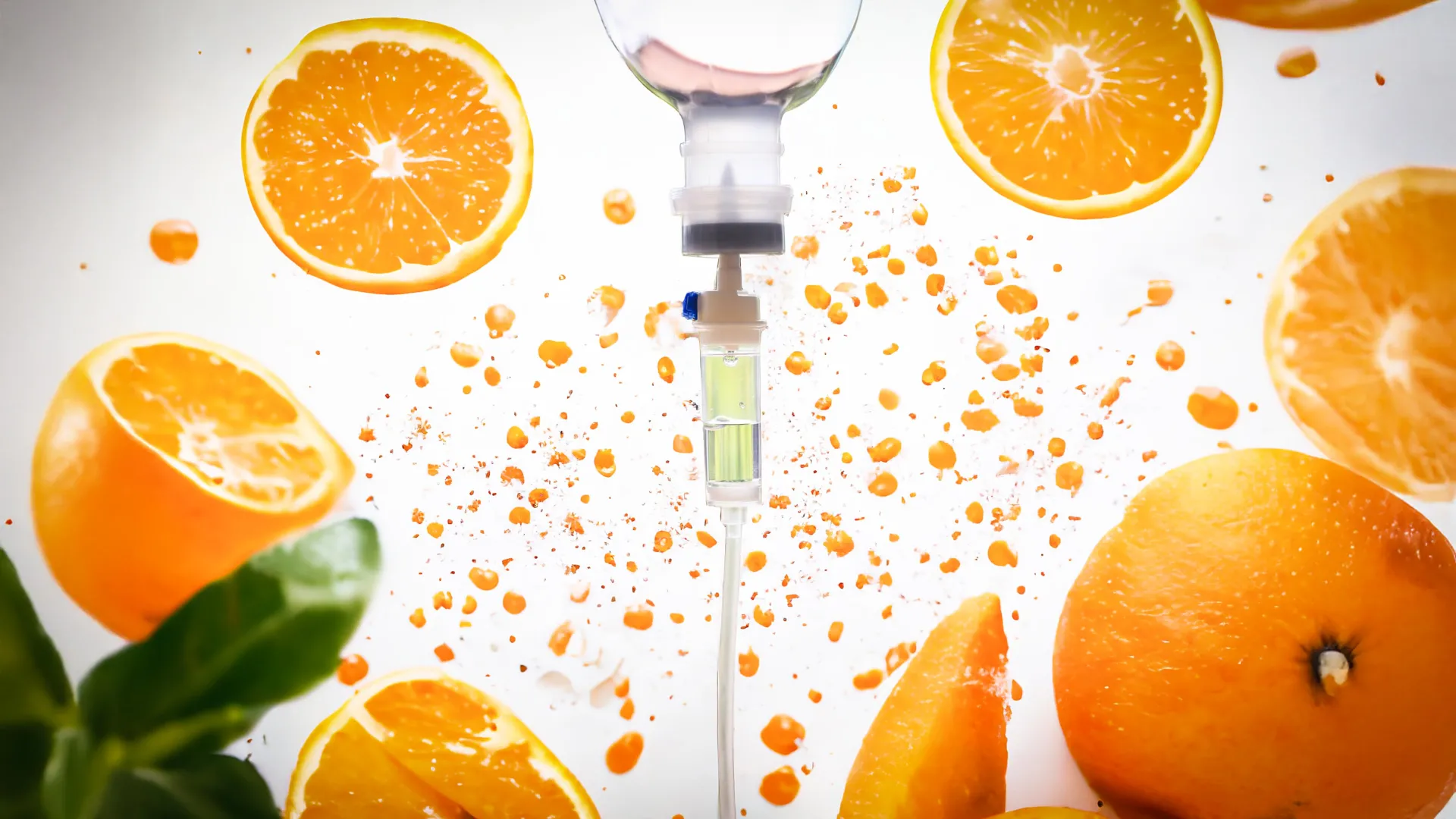
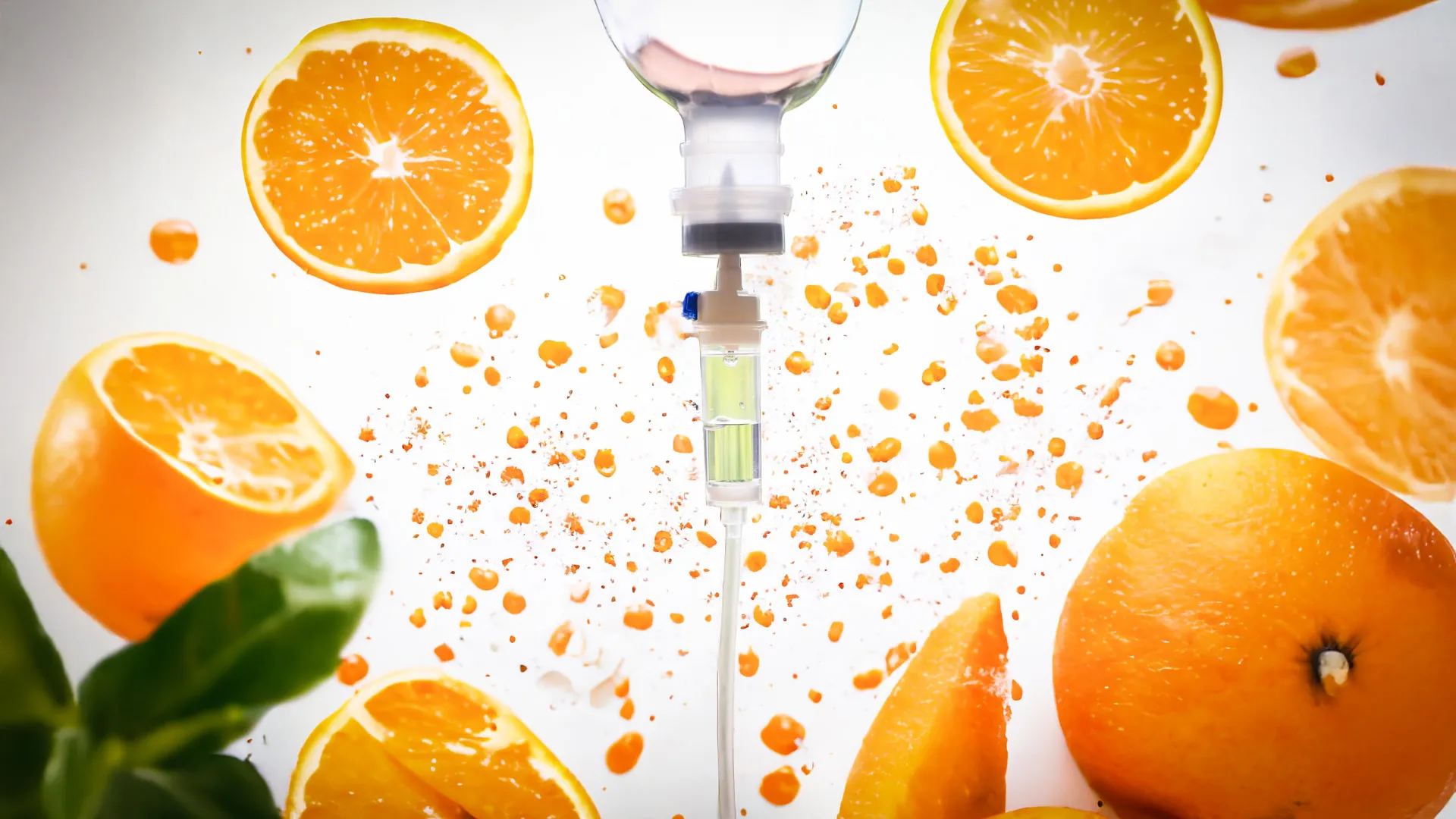
Today, researchers have discovered that when administered intravenously—rather than orally—vitamin C ceases to act as a gentle, everyday dietary supplement. Instead, under specific physiological conditions, it behaves much like a targeted, cytotoxic drug. While high-dose intravenous vitamin C is still far from being a universal cancer cure, modern clinical investigations are revealing that it can selectively damage cancer cells, enhance standard chemotherapy, and profoundly improve patient quality of life. The legacy of Linus Pauling is undergoing a quiet, evidence-based rehabilitation.
Detailed Chronology: From Scottish Trials to Mayo Clinic Rejection
To understand the modern renaissance of vitamin C in cancer research, one must trace the winding, contentious history of the hypothesis from its origins in the 1970s.
The Cameron-Pauling Collaboration
The modern era of high-dose vitamin C research began when Linus Pauling teamed up with Dr. Ewan Cameron, a Scottish surgeon practicing at the Vale of Leven Hospital. In the early 1970s, Cameron was treating patients with advanced, incurable cancers. Convinced that vitamin C could bolster the body’s natural intercellular defenses and inhibit hyaluronidase (an enzyme cancer cells use to spread), Cameron began administering substantial quantities of ascorbic acid to his patients.
Seeking theoretical backing and academic rigor, Cameron reached out to Pauling. Together, they designed an unorthodox clinical protocol. Patients with terminal cancer were given continuous high doses of vitamin C—initially introduced as a direct intravenous drip (typically 10 grams per day for about ten days) followed by lifelong maintenance doses of oral vitamin C tablets (10 to 30 grams daily).
When Pauling and Cameron published their observational data, the results electrified alternative health circles and appalled mainstream medicine. They reported that the vitamin-treated patients lived significantly longer—sometimes three to four times longer—than matched historical control groups of terminal patients who received no vitamin C. Furthermore, the treated patients reported a markedly improved sense of well-being.
The Mayo Clinic Trials and the Backlash
The medical establishment demanded rigorous, randomized, double-blind, placebo-controlled trials—the gold standard of clinical research. The Mayo Clinic, a leading non-profit medical center in the United States, stepped forward to put Pauling and Cameron’s claims to the test.
Led by Dr. Charles Moertel, the Mayo Clinic conducted two successive randomized trials involving advanced cancer patients. The results were swift and definitive: they showed absolutely no therapeutic benefit. Patients who took high-dose vitamin C pills lived no longer, nor did they experience better symptom management, than patients given a placebo.
For the vast majority of oncologists, the Mayo Clinic trials definitively settled the matter. Vitamin C was filed away alongside unproven "alternative" remedies, and Pauling’s late-career crusade was written off as a sad, unscientific mistake. Pauling, however, argued vehemently that the Mayo Clinic trials had failed because they used oral tablets rather than intravenous infusions. At the time, his protests were largely ignored, dismissed as the desperate hand-waving of a aging chemist refusing to accept defeat.
Supporting Context & Metrics: The Pharmacokinetic Pivot
The fundamental oversight that blinded both the critics and defenders of vitamin C during the 1970s and 1980s boils down to human physiology, pharmacokinetics, and the mechanics of absorption.
The Oral Ceiling vs. Intravenous Inflow
The human digestive tract is tightly regulated. When a person swallows vitamin C tablets, the gut actively absorbs the nutrient via sodium-dependent vitamin C transporters (SVCT1 and SVCT2). However, these transport mechanisms are saturable. Once a person reaches a modest daily dose (typically a few hundred milligrams), the gut simply stops absorbing more. Any excess oral vitamin C remains unabsorbed, causing gastrointestinal distress or passing harmlessly through the body in urine.
Swallow as many tablets as you like, and the concentration of vitamin C in the bloodstream caps out at a strict biological ceiling.
By contrast, when vitamin C is bypassed entirely and injected directly into a vein (intravenous or IV administration), the compound floods the bloodstream directly. This circumvents the intestinal threshold entirely, raising plasma concentrations to tens or even hundreds of times higher than what is physically achievable through oral supplementation.
[Oral Ingestion] ---> Gut Absorption Limit ---> Capped Blood Plasma Levels
[IV Infusion]    ---> Direct to Bloodstream ---> Supraphysiologic Concentrations (100x+)
The Biochemical Flip: Antioxidant to Pro-oxidant
At everyday nutritional levels, vitamin C acts as a premier water-soluble antioxidant. It scavenges reactive oxygen species (ROS), neutralizes free radicals, and protects healthy cells from oxidative damage.
However, when introduced intravenously at supraphysiologic doses—particularly in the microenvironment surrounding solid tumors—vitamin C undergoes a remarkable chemical transformation. It flips roles, acting as a potent pro-oxidant.
In the extracellular fluid surrounding tumor cells, high concentrations of vitamin C interact with trace transition metals (such as free iron). This reaction generates massive amounts of hydrogen peroxide ($H_2O_2$), a highly reactive and damaging molecule.
While normal cells are well-equipped with abundant antioxidant enzymes (such as catalase, glutathione peroxidase, and superoxide dismutase) to rapidly neutralize hydrogen peroxide, cancer cells are fundamentally different. Rapidly proliferating tumors often outgrow their blood supply, leaving them in hypoxic, metabolically stressed states. Consequently, many cancer cells downregulate their internal antioxidant cleanup systems to conserve resources.
When a sudden, massive pulse of hydrogen peroxide is introduced via high-dose IV vitamin C, the fragile antioxidant defenses of the cancer cells are overwhelmed. The intracellular machinery collapses, DNA and cellular energy production are irreversibly damaged, and the cancer cell undergoes apoptosis (programmed cell death) or necrosis.
Thus, at extreme concentrations, vitamin C functions essentially as a weak, highly selective chemotherapy drug that targets vulnerable, stressed cancer cells while leaving healthy tissues relatively unscathed.
Official Statements and Contemporary Perspectives
Modern clinical oncologists and researchers maintain a cautious, measured view of intravenous vitamin C. While the molecular mechanisms observed in vitro are compelling, medical authorities emphasize that laboratory promise does not automatically translate to clinical cures.
"The distinction between oral and intravenous administration is the crux of the entire historical misunderstanding," notes Dr. Jeanne Drisko, Director of Integrative Medicine at the University of Kansas Medical Center, who has led several early-phase clinical trials on IV vitamin C. "At physiological doses, it’s a vitamin. At pharmacological doses achieved exclusively through intravenous delivery, it behaves as a drug. Dismissing the intravenous data based on oral trials was a critical error in clinical judgment."
However, major cancer institutions—including the National Cancer Institute (NCI) and Cancer Research UK—maintain that while intravenous ascorbic acid shows promising synergistic potential when combined with conventional treatments, it remains investigational.
- The NCI Stance: The National Cancer Institute acknowledges that laboratory and animal studies have shown high-dose vitamin C can slow the growth of prostate, pancreatic, liver, colon, malignant mesothelioma, and neuroblastoma cells. Furthermore, early clinical trials in humans indicate that IV vitamin C has a favorable safety profile when administered alongside standard chemotherapy.
- The Safety Warning: Medical experts universally warn against commercial exploitation. High-dose IV vitamin C is not a benign wellness trend or a DIY high-street "detox drip." In patients with underlying renal (kidney) dysfunction, rare genetic disorders like glucose-6-phosphate dehydrogenase (G6PD) deficiency, or iron overload syndromes, high-dose vitamin C can trigger acute kidney injury or hemolysis. Treatment must be strictly managed in clinical environments.
Future Outlook: Where Research is Heading Next
Half a century after Linus Pauling and Ewan Cameron first published their bold claims, the scientific community is finally mounting the rigorous, large-scale trials needed to settle the debate once and for all.
Current Clinical Trials
Today, researchers are conducting Phase II randomized clinical trials evaluating intravenous vitamin C as an adjunct (co-therapy) for hard-to-treat malignancies, including:
- Ovarian Cancer: Combining IV vitamin C with carboplatin and paclitaxel chemotherapy to reduce toxicity and enhance tumor cell clearance.
- Pancreatic Ductal Adenocarcinoma (PDAC): Leveraging the unique metabolic vulnerabilities of pancreatic tumors to oxidative stress.
- Glioblastoma: Investigating whether high-dose infusions can penetrate the blood-brain barrier and sensitize aggressive brain tumors to radiation therapy.
Quality of Life as a Primary Endpoint
Even if sweeping, standalone cures remain rare, a consistently observed benefit in modern trials is the profound improvement in quality of life. Patients undergoing grueling chemotherapy regimens who receive concurrent IV vitamin C frequently report statistically significant reductions in fatigue, nausea, pain, and neurological side effects. For patients battling advanced cancer, mitigating the toxic side effects of treatment is a monumental clinical achievement.
Epigenetic and Immunological Frontiers
Beyond direct cytotoxicity, contemporary molecular biology is uncovering even subtler roles for vitamin C in oncology. Ascorbic acid serves as an essential cofactor for ten-eleven translocation (TET) dioxygenases—enzymes that play a pivotal role in DNA demethylation and epigenetic regulation. By altering how genes are "marked" and read, vitamin C can push aggressive, undifferentiated cancer cells toward a more normal, less malignant phenotype.
Furthermore, emerging preclinical data hints that high-dose vitamin C may modulate the tumor microenvironment in ways that enhance immune recognition, potentially working synergistically with modern immunotherapies like checkpoint inhibitors.
Conclusion: A Partial Vindication
So, was Linus Pauling right after all?
The fairest and most accurate verdict from modern science is that he was partly right, for reasons he did not fully understand, while significantly exaggerating the clinical reality.
Pauling was undeniably wrong to claim that oral vitamin C tablets could serve as a powerful, universal cure for established cancer. He was wrong to dismiss the rigorous methodologies of early clinical trials without acknowledging the pharmacokinetic limits of the human gut. His unyielding dogmatism late in life alienated peers and damaged his otherwise immaculate academic standing.
Yet, Pauling was fundamentally correct in his core intuition: he sensed, long before molecular biology had the tools to prove it, that very high doses of vitamin C possessed profound, unexplored biological capabilities that defied conventional pharmacological categories. He recognized that intravenous administration unlocked a completely different tier of physiological activity.
Modern science has confirmed that intravenous vitamin C reaches supraphysiologic concentrations capable of generating tumor-killing hydrogen peroxide and altering cancer epigenetics. While intravenous vitamin C is not yet a proven frontline cure—and must remain strictly within the domain of clinical trials and supervised medical settings—its journey from alternative heresy to mainstream investigation is complete.
Linus Pauling may never be entirely vindicated as a clinical oncologist, but neither was he simply deluded. In his fierce, unrelenting enthusiasm, he glimpsed a profound sliver of truth decades before the rest of the scientific world knew how to look for it.