











Executive Overview
For decades, public health epidemiology in low- and middle-income countries (LMICs) has been hampered by a reliance on fragmented, disease-specific surveillance systems. Traditionally, vertical programs targeting isolated conditions—such as malaria, polio, or tuberculosis—operated in silos, managing data through manual paper records and disconnected reporting mechanisms. These structural inefficiencies routinely resulted in delayed reporting, incomplete datasets, and critical blind spots during emerging health emergencies. The severe disruptions witnessed during the COVID-19 pandemic exposed these vulnerabilities on a global scale, underscoring an urgent, existential need for systemic digital transformation.
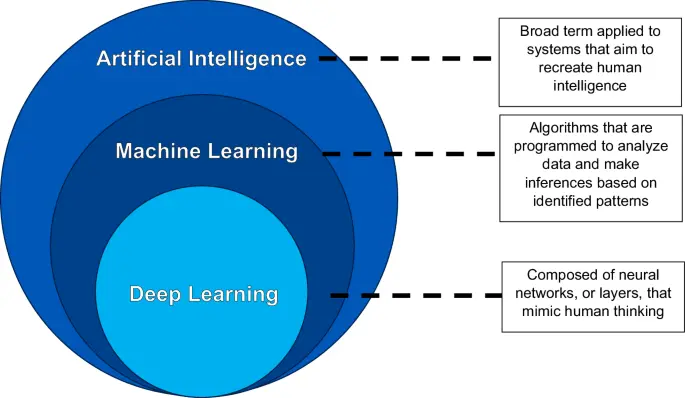
A comprehensive new structured narrative review published in Frontiers in Public Health by researchers Delfin Lovelina Francis and S. S. P. Reddy addresses this critical juncture. Synthesizing evidence from literature published between 2019 and 2025, the authors examine the ongoing transition from traditional, paper-based reporting to unified digital health architectures. By evaluating advancements in digital health platforms, artificial intelligence (AI), genomic epidemiology, electronic immunization registries (EIRs), and One Health frameworks, the study charts a strategic roadmap for modernizing disease surveillance and vaccine deployment across resource-constrained regions.
Detailed Chronology and Methodological Framework
To map the landscape of contemporary digital health interventions, the authors conducted a structured narrative review adhering to the Scale for the Assessment of Narrative Review Articles (SANRA) guidelines, alongside select principles from the PRISMA Extension for Scoping Reviews (PRISMA-ScR). Spanning literature from January 2019 to December 2025, the search queried major databases including PubMed, Scopus, the World Health Organization Information Network for the Eastern Mediterranean and institutional repositories such as Africa CDC and PAHO.
Out of 312 initial records screened and 150 full-text articles assessed for eligibility, 46 unique references met the stringent inclusion criteria. These criteria focused on peer-reviewed studies, official reports, and gray literature addressing digital disease surveillance, AI-driven outbreak detection, genomic sequencing, electronic immunization systems, and One Health integration within LMIC settings.
The investigation highlights a clear historical evolution:
- Pre-2019: Surveillance relied heavily on manual paper logs and disconnected vertical channels, resulting in median reporting delays stretching up to 28 days and widespread under-reporting.
- 2019–2021 (The Pandemic Crucible): The COVID-19 pandemic served as a stress test for global health infrastructure. While high-income countries rapidly integrated next-generation sequencing and digital tracking, LMICs frequently struggled with lagging laboratory confirmations and legacy record systems.
- 2021–2025 (The Digital Shift): Accelerated deployment of open-source platforms like DHIS2, mobile health reporting tools, and national vaccine intelligence systems (such as India’s CoWIN and eVIN, and Tanzania’s TImR) began closing critical data loops. However, the synthesis reveals that structural hurdles—such as intermittent connectivity, non-standardized data formats, and a lack of local AI model validation—remain pressing challenges.
Supporting Context, Metrics, and Technological Architecture
The Francis and Reddy review details a stark operational contrast between traditional, fragmented reporting models and modern, integrated digital ecosystems.
Fragmented vs. Integrated Systems
Traditional indicator-based systems are characteristically siloed, under-resourced, and reliant on manual aggregation. Health workers frequently report being overwhelmed by multiple, incompatible reporting tools. In contrast, integrated digital architectures unify multi-sector data streams under centralized platforms (e.g., DHIS2) connected via interoperable standards like Health Level Seven Fast Healthcare Interoperability Resources (HL7 FHIR).
+-------------------------------------------------------------------+
|                   INTEGRATED SURVEILLANCE PIPELINE                |
+-------------------------------------------------------------------+
  [Layer 1: Data Sources]
   -> DHIS2 Reports, HL7 FHIR Labs, Mobile Apps, Sensors, Social Media
         |
         v
  [Layer 2: Pre-processing & Standardization]
   -> Automated Deduplication, ICD-10 Normalization, Imputation
         |
         v
  [Layer 3: Feature Extraction & Analytics]
   -> Spatial Clustering, Temporal Anomaly Scoring, Genomic Sequencing
         |
         v
  [Layer 4: AI Model & Ensemble Layer]
   -> Gradient Boosting, Fine-Tuned LLMs, Calibrated Risk Outputs
         |
         v
  [Layer 5: Human-in-the-Loop Validation]
   -> Epidemiologist Review & Contextual Public Health Action
+-------------------------------------------------------------------+
Quantifying the Digital Dividend
Empirical findings synthesized in the review demonstrate measurable performance gains across multiple operational domains:
- Reporting Timeliness: A prospective evaluation across 47 Kenyan health facilities revealed that SMS-based reporting reduced median reporting delays from 28 days down to 3 days. Similarly, DHIS2-integrated machine learning anomaly detection modules in Rwanda cut outbreak reporting delays by 42% (from 21 to 12 days).
- Vaccine Logistics and Cold-Chain Management: National program evaluations of India’s Electronic Vaccine Intelligence Network (eVIN) demonstrated stockout reductions of up to 76% and sustained cold-chain compliance rates between 72% and 93% across hundreds of sites. A single-site pilot in Nigeria further reported a drop in cold-chain breach response time from 6.2 to 1.1 hours.
- Coverage and Immunization Equity: Observational evaluations of Tanzania’s Electronic Immunization Registry demonstrated a 12.3 percentage-point increase in vaccine coverage, while district-level implementations in Bangladesh reported a 34% reduction in dropouts (loss to follow-up).
The AI Implementation Gap
While event-based surveillance tools—such as BlueDot and EpiTweetr—have demonstrated the capacity to detect epidemiological signals ahead of official institutional alerts, the review sounds a note of caution regarding artificial intelligence. Strong evidence indicates that only about 14% of published AI surveillance models have undergone external validation in LMIC settings.
Algorithmic bias, data confounds (such as those observed with historical predictive tools like Google Flu Trends), and limited prospective evaluation under routine operational conditions mean that AI cannot currently function as an autonomous decision-maker. The authors emphasize that AI must be deployed as an augmenting decision-support tool anchored by mandatory human-in-the-loop validation.
Genomic Surveillance and One Health Integration
Pathogen genomics has emerged as a cornerstone of modern epidemiology. While high-income nations swiftly integrated next-generation sequencing during the pandemic, low-income countries faced stark disparities—prior to COVID-19, only 39% of low-income nations shared influenza genome data internationally. Initiatives like the Africa CDC’s Pathogen Genomics Initiative have begun bridging this gap.
Furthermore, the review highlights the promise of One Health integration. By synthesizing human health records, animal health data (such as livestock morbidity tracking compatible with FAO EMPRES-i), and environmental feeds (satellite land-use and vector monitoring), multi-country evaluations in East Africa demonstrated that integrated One Health surveillance systems identified zoonotic spillover threats a median of 18 days earlier than human-only surveillance systems. Despite this, fewer than 10% of LMICs currently maintain operationalized One Health data hubs.
Official Statements and Expert Perspectives
The synthesis underscores that technological deployment alone is insufficient without robust governance, equitable data policies, and sustainable financing. Addressing the structural vulnerabilities of LMIC health systems requires comprehensive multilateral cooperation.
In their concluding remarks, Francis and Reddy stress:
"Achieving integrated surveillance in LMICs requires adherence to interoperability standards, robust digital infrastructure, One Health data integration, and equitable data governance. Investment in local capacity, supportive policy, and ethical AI frameworks is critical for sustainable innovation."
The authors also caution against the pitfalls of "data colonialism"—the extractive practice where external entities harvest local genomic and epidemiological data without providing fair scientific, technical, or public health benefits to the host nations. To counter this, national governance bodies must institute transparent regulatory frameworks, robust cybersecurity protocols, role-based access controls, and local ethical review procedures to ensure community trust and data protection.
Future Outlook and Strategic Recommendations
Looking toward the future, public health informatics in LMICs is envisioned to evolve into continuous, automated surveillance ecosystems. In these advanced architectures, environmental sensors, point-of-care diagnostics, and community-level mobile reports will feed directly into centralized analytics clouds running continuous machine-learning anomaly detection.
To realize this ambition over the coming decade, public health authorities and international stakeholders must prioritize the following strategic directions:
- Institutionalize Interoperability Standards: Governments must mandate open standards—such as HL7 FHIR and ICD-10—across all health programs to eliminate legacy data silos.
- Prioritize Prospective Field Validation: AI models and digital tools must undergo rigorous prospective evaluation in routine, resource-constrained operational settings rather than relying solely on retrospective validation in idealized pilot conditions.
- Transition from Pilots to Sustainable Ecosystems: International donors and national ministries must move away from short-term, disease-specific pilot projects, investing instead in resilient, locally maintained IT infrastructure, data centers, and informatics workforce training.
- Institutionalize Human-in-the-Loop Oversight: Surveillance frameworks must maintain expert human supervision to evaluate algorithmic alerts, minimize false-positive verification burdens, and align technological outputs with local epidemiological priorities.
By thoughtfully combining digital innovation, open standards, and equitable governance, LMICs can successfully transition from reactive, fragmented data collection to proactive, integrated epidemic intelligence—securing population health and resilience against future global health threats.