










Executive Overview
Kombucha has completed its quiet transition from a niche countercultural staple to a ubiquitous global phenomenon. Found on supermarket shelves, in artisanal taprooms, and brewed in home kitchens across the world, this effervescent, slightly tart fermented beverage is celebrated as much for its sensory complexity as it is for its wellness associations. Yet, behind the frosted glass bottles and the burgeoning commercial market lies a complex biochemical theater. While consumers have long recognized that different brands taste different, a team of multidisciplinary researchers has now looked deeper into the bottle, asking a fundamental question that the industry has largely overlooked: Does the foundational choice of tea fundamentally dictate the final chemistry of the beverage?
The answer, detailed in a landmark study published in the peer-reviewed journal Food Chemistry, is an emphatic yes. Spearheaded by a collaborative research team from the Wrocław University of Environmental and Life Sciences and Wroclaw Medical University—including Associate Professor Helena Moreira, PhD, Associate Professor Ewa Barg, PhD, and Anna Szyjka, MSc Eng.—the investigation reveals that the variety of tea used as a raw substrate acts as a master blueprint. It dictates the metabolic pathways of the symbiotic culture of bacteria and yeast (SCOBY), fundamentally alters the chemical architecture of the drink, shapes its aromatic profile, and influences its biological potential.
Utilizing cutting-edge analytical tools, including advanced chromatography and mass spectrometry, the researchers tracked hundreds of distinct chemical compounds across kombuchas brewed from black, green, white, oolong, and pu-erh teas. The findings challenge the conventional commercial perception of kombucha as a uniform functional beverage. Instead, the study demonstrates that kombucha is an infinitely variable matrix where the starting material exerts a profound, measurable influence on the final product. Green and oolong variations emerged from the laboratory tests with the highest antioxidant capacities, while each tea variety yielded a distinctly personalized chemical and aromatic fingerprint.
Detailed Chronology of the Study: From Leaves to Laboratory
To understand the scale of the Wrocław discovery, one must trace the meticulous timeline of the research project, from the initial procurement of raw materials to the high-precision analytical phases conducted in the university laboratories.
Phase 1: Substrate Selection and Brewing Standardization
The research initiative began with the deliberate selection of five distinct tea varieties: black, green, white, oolong, and pu-erh. These teas represent the major processing categories of Camellia Sinensis, each possessing a unique baseline of polyphenols, catechins, amino acids, and methylxanthines like caffeine.
To isolate the variable of the tea type, the researchers maintained rigorous control over every other phase of the brewing process. The sugar concentrations, water quality, inoculation rates of the SCOBY, and environmental incubation conditions—including temperature and duration—were held strictly identical across all experimental batches. This methodological rigor was crucial; it ensured that any subsequent variations in the chemical or sensory profiles of the final kombuchas could be attributed solely to the interaction between the tea matrix and the fermentative microorganisms.
Phase 2: The Biochemical Engine of the SCOBY
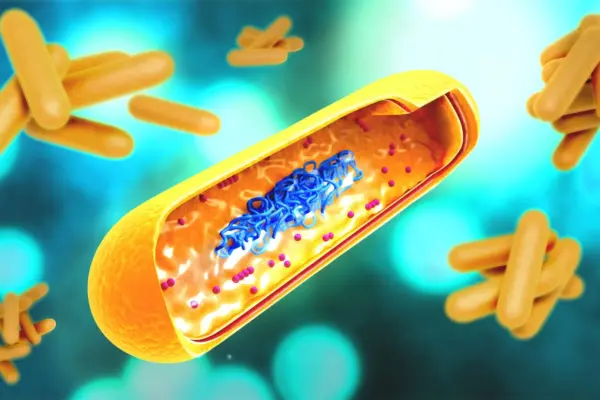
Once the sweetened teas were inoculated with the SCOBY, a complex cascade of biochemical transformations unfolded. The research team monitored the sequential stages of this fermentation process, observing how the symbiotic community of yeasts and acetic acid bacteria systematically dismantled and rebuilt the chemical constituents of the brew.
The process initiates with the yeast component of the SCOBY. Yeasts hydrolyze the sucrose provided in the brew into simple monosaccharides—glucose and fructose—and subsequently ferment these sugars into ethanol and carbon dioxide. This initial phase imparts the characteristic gentle effervescence that defines a well-brewed kombucha.
Following the work of the yeasts, the bacterial strains step in to metabolize the newly formed compounds. Acetic acid bacteria, predominantly species of Komagataeibacter, oxidize the ethanol into organic acids, most notably acetic acid and gluconic acid. It is this organic acid accumulation that drops the pH of the liquid, providing the sharp, refreshing tartness that cuts through the beverage’s residual sweetness.
Phase 3: Advanced Analytical Phase—Chromatography and Mass Spectrometry
As fermentation progressed, the chemical transformation extended far beyond simple sugars and organic acids. The researchers observed sweeping alterations in the polyphenol and catechin profiles originally native to the tea leaves. To map these intricate molecular shifts, the team deployed high-resolution chromatographic methods coupled with mass spectrometry.
This advanced analytical framework allowed the scientists to track hundreds of volatile and non-volatile compounds simultaneously. They observed the systematic degradation of certain raw tea polyphenols, the concurrent generation of novel microbially derived metabolites, and the synthesis of complex aromatic compounds.
When the laboratory data was finally compiled, the scale of the divergence stunned the research team. Despite starting from identical environmental conditions and utilizing the exact same SCOBY culture, the five tea varieties yielded kombuchas with radically divergent chemical signatures. The type of tea had acted as an active biological matrix, steering the fermentation dynamics down distinct chemical pathways.
Supporting Context & Metrics: The Chemistry of Transformation
To appreciate the significance of the Wrocław study, one must examine the specific molecular shifts that occur during kombucha fermentation and understand how different teas modulate these metrics.
The Aromatic Evolution: From Leaf to Microbe
One of the most compelling discoveries of the study centered on the evolution of volatile aromatic compounds. Freshly brewed tea possesses its own distinct bouquet, largely defined by the inherent volatile profile of the harvested and processed leaves. However, as the SCOBY metabolizes the brew, many of these original compounds disappear, replaced or augmented by new aromatic molecules synthesized through microbial activity.
The researchers noted a significant enrichment in compounds associated with floral and fruity sensory notes, specifically identifying high concentrations of linalool and 2-phenylethanol. These substances, which naturally occur in various flowers and essential oils, are generated by the metabolic activity of yeast strains acting upon the amino acids and sugars present in the specific tea matrix.
However, the manifestation of these aromas was intimately tied to the tea substrate:
- Green Tea Kombucha: Exhibited a brighter, fresher, more vegetal aroma profile, retaining crisp, grassy undertones reminiscent of the raw leaf while incorporating delicate floral top notes.
- Oolong Kombucha: Developed a complex, highly aromatic profile dominated by pronounced floral and stone-fruit notes, showcasing a harmonious bridge between the tea’s semi-oxidized origins and microbial metabolites.
- Black and Pu-erh Kombuchas: Shifted toward deeper, earthier, and more robust profiles. These varieties displayed heavier fermentation characteristics, with diminished high-pitched floral notes and amplified malt, wood, and forest-floor aromas.
Antioxidant Capacity and Free Radical Neutralization
Beyond flavor and aroma, the study evaluated the biological potential of the resulting beverages, focusing specifically on antioxidant activity and the capacity to neutralize free radicals.
Free radicals are highly reactive, unstable molecules characterized by unpaired electrons. In human biology, excessive free radical accumulation can induce oxidative stress, leading to cellular damage and contributing to the physiological aging process and various chronic pathologies. Antioxidants—such as the catechins and polyphenols found abundantly in tea—act as stabilizing agents, donating electrons to neutralize free radicals without becoming unstable themselves.
When the researchers tested the antioxidant capacity of the finished kombuchas, clear frontrunners emerged. Kombuchas prepared from green tea and oolong tea demonstrated the strongest antioxidant activity and the highest free radical scavenging capacity among all the varieties tested.
This finding is particularly noteworthy because fermentation is often viewed strictly as a degradative process. However, the study illustrates that the microbial breakdown of complex tea polyphenols can yield secondary phenolic metabolites that retain—and in some cases enhance—biological activity, provided the starting matrix is rich in specific catechins.
Official Statements and Researcher Insights
The implications of these findings extend far beyond academic curiosity, offering a new framework for how both scientists and commercial producers should approach fermented functional foods. The research team has emphasized the need for nuance in how kombucha is studied and consumed.
"The type of tea acts as a specific matrix that shapes the course of fermentation and the final composition of kombucha," explains Associate Professor Helena Moreira, PhD, from the Department of Basic Medical Sciences and Immunology at Wroclaw Medical University.
Elaborating on the biochemical mechanics, Moreira notes: "Individual teas differ in their content of polyphenols, catechins, caffeine, and other bioactive compounds, which are subsequently metabolized by SCOBY microorganisms. As a result, fermentation proceeds with different dynamics, and the final beverages differ in both chemical and aromatic profiles."
Reflecting on the analytical phase of the project, Moreira highlights the unexpected magnitude of the results:
"The most surprising aspect was the scale of changes occurring during fermentation and how strongly they depended on the type of tea used. Despite identical fermentation conditions, we obtained kombuchas with highly distinct profiles of volatile aromatic compounds."
Addressing the biological assays, Moreira underscores the link between substrate selection and functional potential:
"The results of our research indicate that the type of tea influences not only the taste and aroma, but also the biological activity of kombucha. Particularly interesting results were obtained for kombuchas prepared from green and oolong teas, which demonstrated the highest biological potential."
At the same time, the research team maintains a strict scientific objectivity regarding human health claims, issuing an important caution against extrapolating laboratory data directly to clinical outcomes:
"Further clinical studies are necessary to clearly confirm the impact of particular types of kombucha on human health," Moreira adds, emphasizing that in vitro antioxidant assays represent a foundational step rather than definitive proof of therapeutic efficacy in vivo.
Placing the work within the broader context of nutritional science, Moreira points to the surging global interest in fermented matrices:
"Fermented foods are currently at the center of scientific interest because they combine traditional technologies with a modern approach to health and nutrition. Kombucha is a very good example of a product in which chemical composition, biological activity, and sensory profile result from complex interactions between the raw material and fermentative microorganisms."
Future Outlook: The Next Frontier in Kombucha Science and Industry
The publication of this study in Food Chemistry marks a pivotal shift in how fermented beverages will be analyzed, formulated, and marketed moving forward. As consumer awareness matures, the era of treating kombucha as a generic category—where "kombucha" is simply assumed to be a uniform health drink regardless of origin—is drawing to a close.
Implications for Commercial Producers
For the commercial kombucha industry, these findings present both an opportunity and a challenge. Historically, many commercial brewers have utilized inexpensive base teas, relying heavily on added fruit juices, botanical extracts, and heavy sweetening to mask the underlying flavor profile or to manufacture differentiation.
The Wrocław study suggests that brewers can achieve profound sensory and chemical diversity simply by optimizing their choice of base tea. By leveraging green or oolong teas, manufacturers can naturally maximize antioxidant potential and unlock sophisticated floral and fruity aromatic profiles without relying on artificial additives or heavy flavor masking. Artisanal producers are already taking note, experimenting with single-origin teas, rare white leaf grades, and aged pu-erhs to create terroir-driven kombuchas that mimic the complexity of fine wines.
The Path Forward for Researchers
For the scientific community, this study opens up several critical avenues for future investigation. While the Wrocław team successfully mapped the chemical and aromatic divergence driven by different teas, several vital questions remain unanswered:
- Microbiome Interactions: How do specific bacterial and yeast strains within the SCOBY consortium preferentially feed on or adapt to the distinct catechin and polyphenol structures of different teas over prolonged multi-stage fermentations?
- Bioavailability: Do the enhanced antioxidant capacities observed in green and oolong kombuchas translate to improved bioavailability of polyphenols in the human gastrointestinal tract after ingestion?
- Clinical Validation: As Moreira noted, bridging the gap between laboratory chromatography and human health requires rigorous, placebo-controlled clinical trials. Future studies must investigate how regular consumption of specific tea-based kombuchas influences human gut microbiota composition, metabolic markers, and systemic inflammation.
Conclusion
Kombucha is far more than a simple beverage of sweetened tea and friendly microbes. As revealed by the researchers at the Wrocław University of Environmental and Life Sciences and Wroclaw Medical University, it is a dynamic chemical ecosystem where the ancient properties of the tea leaf and the active metabolism of the SCOBY engage in a complex dialogue. By demonstrating that the choice of tea fundamentally alters the drink’s chemistry, aroma, and antioxidant potential, this study elevates kombucha from a casual trend to a sophisticated subject of nutritional science, paving the way for a more intentional, scientifically grounded future in functional brewing.