





Executive Overview
In a significant medical breakthrough that could reshape the therapeutic landscape for metabolic disorders, researchers at Michigan Medicine have successfully demonstrated that an experimental compound can reverse severe fatty liver disease in animal models. Published in the prestigious Journal of Clinical Investigation, the study highlights a novel, investigational glycine-based tripeptide known as DT-109. This compound has shown a remarkable ability to repair and restore gut health, effectively interrupting the destructive biological pathways that drive metabolic dysfunction-associated steatohepatitis (MASH).
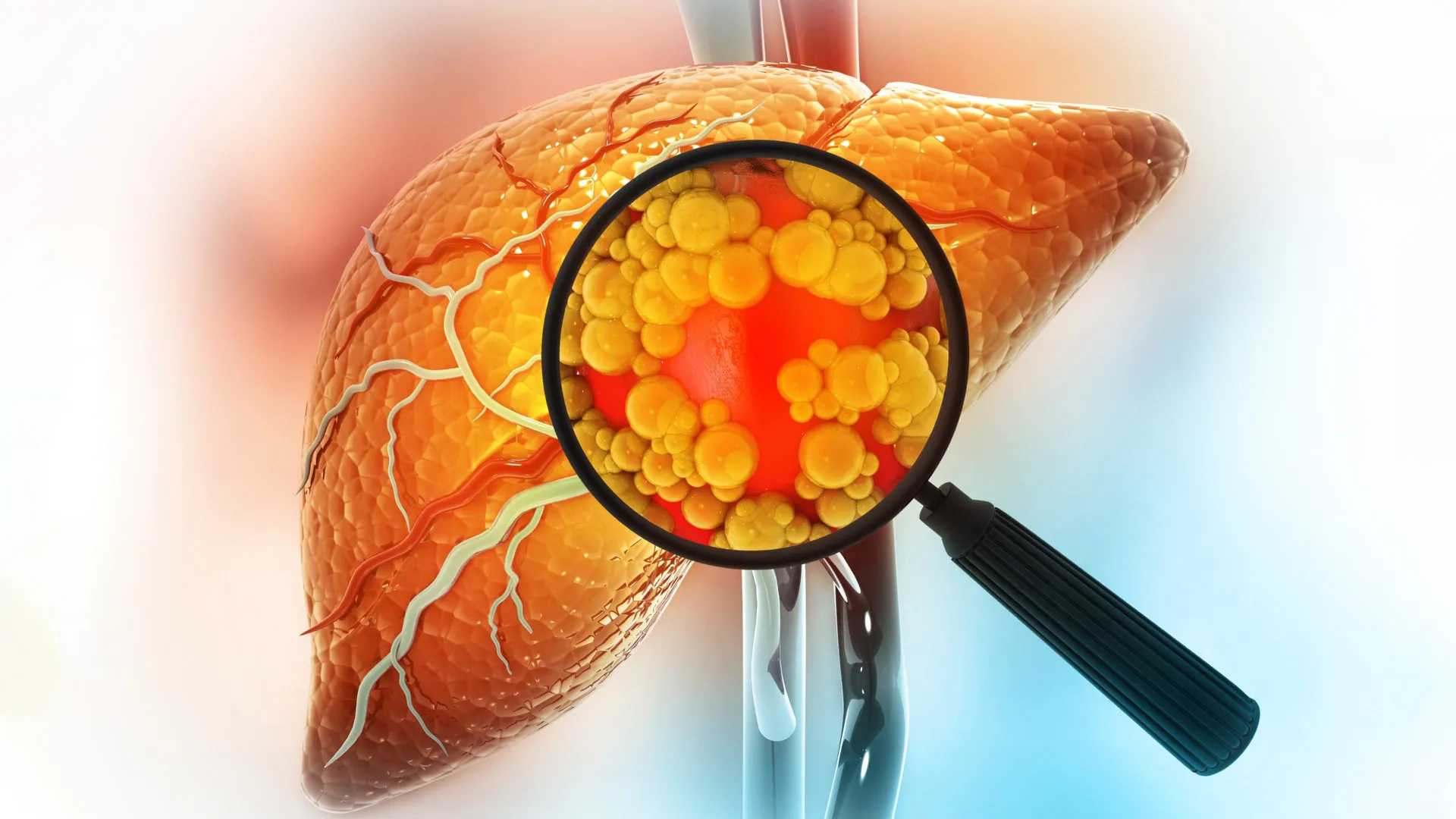
MASH represents an aggressive and increasingly prevalent form of non-alcoholic fatty liver disease (NAFLD), currently impacting approximately 7% of the global population. Characterized by severe hepatic fat accumulation accompanied by inflammation and cellular damage, MASH frequently spirals into life-threatening conditions such as liver cirrhosis, hepatocellular carcinoma (liver cancer), and terminal liver failure. Despite its growing prevalence—accelerated by global obesity and metabolic syndrome epidemics—effective pharmacological interventions remain severely limited.
The Michigan Medicine research team approaches this crisis from a radically integrated perspective: targeting the gut-liver axis. By demonstrating that DT-109 heals the compromised intestinal epithelial barrier and quells localized microbial toxicity, the study offers a paradigm-shifting roadmap for treating MASH. Furthermore, because the pathological mechanisms of a leaky gut extend far beyond hepatic damage, the therapeutic potential of DT-109 may eventually stretch across a broad spectrum of inflammatory, gastrointestinal, and cardiovascular disorders.
Detailed Chronology and Mechanistic Discovery: How the Gut Drives Liver Pathology
To understand the magnitude of the DT-109 discovery, one must examine the intricate pathogenic chain reaction that links gastrointestinal dysbiosis to hepatic destruction. While earlier work from the laboratory of Dr. Eugene Chen established that DT-109 possessed protective qualities against MASH in animal trials, the underlying biochemical mechanisms remained poorly understood. This latest study bridges that critical knowledge gap, detailing a step-by-step molecular autopsy of how gut bacteria actively sabotage liver function.
The Bacterial Culprit: Clostridium perfringens and Ammonia Overproduction
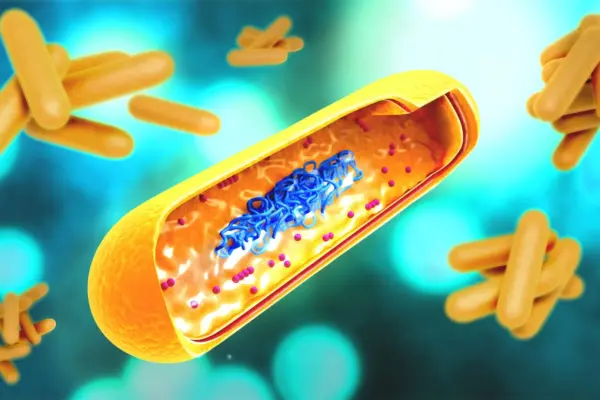
The investigative team began their inquiry by profiling the microbial communities inhabiting the digestive tracts of subjects with MASH models. They identified a primary driver of pathology: an abnormal overgrowth of the bacterium Clostridium perfringens.
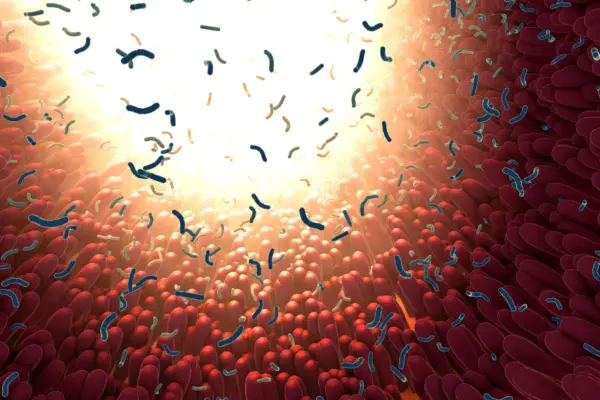
As this pathogenic bacterial population proliferates, it drives up the local production of ammonia within the gut lumen. High concentrations of intestinal ammonia are notoriously corrosive and cytotoxic to biological tissues. In this context, the excess ammonia systematically attacks and erodes the mucosal lining of the digestive tract, degrading the tight junctions that maintain the integrity of the gut epithelial barrier.
The Breach and Systemic Inflammation
Once this protective intestinal barrier is compromised—a phenomenon commonly referred to in clinical research as a "leaky gut"—the containment fails. A flood of harmful microbial byproducts, toxins, and metabolic waste products escapes from the gut lumen and enters the portal circulation.
These circulating antigens and bacterial toxins travel directly to the liver via the portal vein. Upon arrival, they act as powerful pro-inflammatory triggers, provoking an aggressive immune response inside the hepatic tissue. This cascade features the excessive, dysregulated activation of CD8+ T cells, which accelerate tissue scarring, cellular death, and the progression of simple hepatic steatosis into full-blown, destructive MASH.
Intercepting the Pathology: The Action of DT-109
Faced with this multi-system biochemical failure, the research team administered DT-109 to study models. The results were striking:
- Microbial Suppression: DT-109 systematically reduced the overgrowth of Clostridium perfringens within the intestines, directly choking off the primary source of toxic ammonia production.
- Barrier Restoration: With ammonia levels dramatically lowered, the corrosive pressure on the intestinal lining lifted. The gut epithelial barrier repaired itself, tightening its cellular junctions and slamming the door on systemic microbial translocation.
- Hepatic Shielding: Because toxic byproducts were effectively blocked from entering the bloodstream, the downstream inflammatory cascades in the liver—including destructive CD8+ T cell hyperactivation—subsided.
In both murine (mouse) models and nonhuman primates, this multi-targeted intervention successfully halted the advancement of the disease, reducing liver inflammation and reversing the hallmark pathological features of MASH.
Supporting Context, Comparative Metrics, and Translational Significance
The path from bench science to human clinical trials is fraught with obstacles, chief among them being the physiological differences between standard laboratory rodents and human patients. Recognizing this translational bottleneck, the Michigan Medicine team placed substantial emphasis on testing DT-109 in nonhuman primates.
Nonhuman Primates: Bridging the Preclinical Gap
The gastrointestinal microbiota ecosystems and hepatic metabolic profiles of nonhuman primates mirror human physiology far more closely than those of mice. By proving that DT-109 successfully modulates the gut microbiome and drives meaningful histological recovery of the liver in these advanced animal models, the researchers have significantly de-risked the compound for future human trials.
Dr. Jifeng Zhang, research professor of cardiovascular medicine at the U-M Medical School and co-author of the study, emphasized the elegant scope of the compound’s activity:
"DT-109 connects microbiota modulation with liver protection by restoring gut barrier integrity and limiting the systemic translocation of ammonia and other pro-inflammatory microbial products within the gut-liver axis. We also found that DT-109 primarily acts in the gastrointestinal tract, but its reach stretches much further."
Broad Therapeutic Horizons: Beyond MASH
Because the breakdown of the intestinal epithelial barrier is not unique to metabolic liver disease, the systemic reach of DT-109 opens doors to a wider array of medical indications:
- Cardiovascular Disease: Previous research from the Chen laboratory demonstrated that DT-109 can actively suppress the formation of atherosclerotic plaques and halt vascular calcification in nonhuman primates. This dual action—protecting both the liver and the cardiovascular system—addresses the exact comorbidities that frequently kill MASH patients, who are at exceptionally high risk for fatal heart attacks and strokes.
- Inflammatory Bowel Disease (IBD): Given its profound ability to reinforce gut barrier integrity and soothe mucosal inflammation, researchers believe DT-109 could eventually be evaluated as a targeted therapy for chronic gastrointestinal disorders such as Crohn’s disease and ulcerative colitis.
Official Statements and Expert Perspectives
The academic and clinical communities have responded to the publication in The Journal of Clinical Investigation with a mixture of enthusiasm and pragmatic optimism. The complexities of treating metabolic liver diseases have historically frustrated pharmacologists, making novel approaches targeting non-hepatic organ systems exceptionally exciting.
Senior author Dr. Eugene Chen, the Frederick G. L. Huetwell Professor of Cardiovascular Medicine at the University of Michigan Medical School, underscored the protective capabilities of the tripeptide:
"We see clear evidence that DT-109 protects the gut epithelial barrier, reducing the systemic influx of harmful microbial products that are thought to contribute to MASH development and progression. This compound shows benefits to the gastrointestinal system and has great potential as a treatment for MASH."
Echoing these sentiments from a clinical care perspective, Dr. Elliot Tapper, Academic Director of Hepatology at Michigan Medicine, highlighted the desperate clinical need facing patients today:
"This study presents novel evidence about the pathogenesis of MASH and provides excitement about a therapeutic avenue to explore for a condition that remains difficult to treat. What patients with MASH need is a safe and effective therapy capable of improving their liver and heart health—of course we are excited about these developments."
Future Outlook and Clinical Development Roadmap
With the preclinical validation phase successfully concluded, the immediate future of DT-109 centers on translational development, safety profiling, and the meticulous design of human clinical trials.
The Path to Clinical Trials
Before DT-109 can be administered to human patients in large-scale therapeutic trials, researchers must complete comprehensive investigational new drug (IND) enabling studies. These toxicology and pharmacokinetics evaluations will determine optimal human dosing schedules, long-term safety margins, and potential off-target interactions.
Commercialization and Intellectual Property
The clinical development pipeline is already actively moving forward. Ying Zhao, Oren Rom, Jifeng Zhang, and Y. Eugene Chen are officially listed as inventors on the core patent application titled "Tripeptides and treatment of metabolic, cardiovascular, and inflammatory disorders."
Furthermore, Dr. Chen and the University of Michigan hold foundational ownership interests in the compound. The university has successfully patented DT-109 and licensed exclusive commercial development rights to Diapin Therapeutics. Diapin Therapeutics supplied the DT-109 compound utilized in this latest round of animal studies and remains committed to advancing the drug through the rigorous regulatory hurdles required for human testing.
Collaborative Institutional Framework
The global scope of the foundational research is further highlighted by the multi-institutional collaboration involved in protocol approvals and animal welfare compliance. Human study protocols, amendments, and informed consent frameworks underwent rigorous review and approval by institutional review boards across multiple centers, including:
- The First Affiliated Hospital of Xi’an Jiaotong University
- The Institutional Review Board of Jinan University
- The University of Hong Kong/Hospital Authority Hong Kong West Cluster
Similarly, all nonhuman primate experimental protocols strictly adhered to international animal welfare standards, securing formal approvals from the Laboratory Animal Care Committee of Xi’an Jiaotong University and the Institutional Animal Care and Use Committee of Spring Biological Technology Development Co., Ltd. All work was executed in strict compliance with the National Institutes of Health Guide for the Care and Use of Laboratory Animals.
Conclusion
As the medical community looks ahead, DT-109 stands out as a beacon of hope in the fight against metabolic liver disease. By redefining MASH not merely as a localized pathology of the liver, but as a systemic consequence of gut dysbiosis and barrier failure, Michigan Medicine researchers have unlocked a sophisticated new therapeutic target. If future human clinical trials successfully mirror the preclinical triumphs observed in mice and nonhuman primates, millions of patients suffering from MASH, cardiovascular complications, and gastrointestinal degradation may soon have access to a transformative, multi-system cure.