











Executive Overview
In a development that highlights the vast potential of drug repurposing in modern oncology, researchers at the Dartmouth Cancer Center (DCC) have published groundbreaking preclinical and early clinical data revealing that telmisartan—a widely prescribed, inexpensive, and generally well-tolerated medication long utilized for the management of hypertension—significantly enhances the efficacy of a vital class of targeted cancer therapies. Specifically, the peer-reviewed study, featured in The Journal for ImmunoTherapy of Cancer, demonstrates that telmisartan radically amplifies the tumor-destroying capacity of olaparib, a prominent PARP (poly ADP-ribose polymerase) inhibitor.
PARP inhibitors have revolutionized the treatment landscape for select malignancies over the past decade, most notably cancers driven by BRCA1 and BRCA2 gene mutations. These targeted therapies exploit inherent vulnerabilities in homologous recombination (HR) DNA damage repair pathways. However, a major clinical hurdle has persisted: a vast majority of human cancers lack these specific DNA repair deficiencies, rendering PARP inhibitors ineffective for many patients. Furthermore, even among patients who initially respond favorably, acquired drug resistance frequently develops, leading to disease progression.
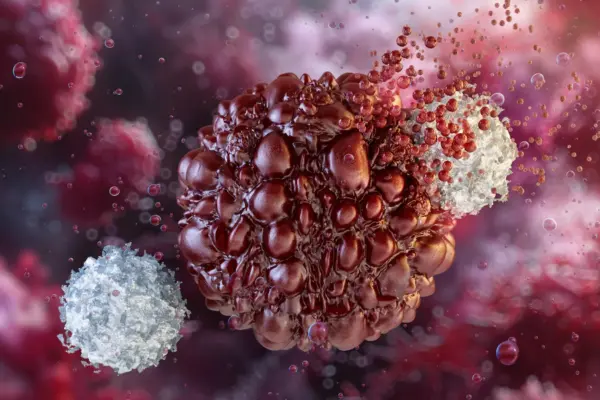
The Dartmouth research team, led by senior and lead author Dr. Tyler J. Curiel, MD, MPH, FACP, has demonstrated that telmisartan sensitizes tumors to PARP inhibition regardless of whether the cancer cells possess classical HR DNA repair weaknesses. By inducing profound internal DNA damage within malignant cells while simultaneously driving a robust type I interferon immune response and suppressing the immune-evasive protein PD-L1, telmisartan converts previously resistant or unresponsive tumors into targets susceptible to immunotherapeutic and targeted intervention.
Crucially, because telmisartan is an orally administered medication with an extensive, decades-long safety record and a predictable pharmacokinetic profile, translational momentum has been remarkably swift. Building upon their preclinical models, DCC investigators have already initiated two human clinical trials evaluating the telmisartan-olaparib combination: one targeting metastatic, castration-resistant prostate cancer, and another focusing on platinum-resistant ovarian cancer. Early anecdotal reports from these trials—including an exceptional initial patient response—have injected a profound sense of optimism into the oncology community.
This comprehensive report examines the mechanics of this breakthrough, detailing the scientific methodology, the unique pharmacological properties separating telmisartan from other blood pressure medications, the immunological transformations observed in tumor microenvironments, the ongoing clinical translation, and the broader implications for the future of combinatorial cancer therapeutics.
Detailed Chronology of the Discovery
The trajectory leading to the publication in The Journal for ImmunoTherapy of Cancer represents years of meticulous investigation into the molecular cross-talk between cardiovascular therapeutics and oncogenic signaling pathways. While the formal publication marks the culmination of this specific phase of research, the institutional journey at Dartmouth Cancer Center reflects a systematic approach to identifying non-oncology drugs capable of altering the tumor microenvironment.
Initial Pharmacological Screens and Hypothesis Generation
The genesis of the project lay in high-throughput screening methodologies aimed at identifying small molecules that could modulate DNA damage response pathways without introducing prohibitive systemic toxicity. Dr. Curiel’s research team hypothesized that certain blood pressure medications, particularly those interacting with the renin-angiotensin system, might exert pleiotropic effects on cellular stress responses.
During the early exploratory phases, investigators evaluated several angiotensin II receptor blockers (ARBs) to determine their impact on cancer cell survival when exposed to genotoxic stressors. While ARBs share a common primary mechanism of action in blocking the vasoconstrictive and aldosterone-secreting effects of angiotensin II, the DCC team noted striking phenotypic differences in how specific molecules influenced tumor cell sensitivity. Telmisartan rapidly emerged as an outlier. Unlike its structural counterparts within the ARB class, telmisartan demonstrated a unique capacity to synergize with DNA-damaging agents.
Preclinical Validation and Mechanistic Dissection
Following the initial screening hits, the team transitioned to rigorous preclinical models to unpack the underlying biology. Researchers evaluated the combination of telmisartan and olaparib across a series of murine and in vitro cellular models representing various solid tumors.
- Amplified Genotoxicity: The experiments confirmed that co-administering telmisartan with olaparib drastically increased intracellular DNA damage markers, even in cancer cells proficient in homologous recombination repair. This effectively circumvented the primary biological barrier that restricts PARP inhibitor utility in the broader oncology clinic.
- Type I Interferon Upregulation: Beyond intrinsic cytotoxicity, the research team observed a striking immunological shift. The drug combination triggered a massive upregulation in the production of type I interferons. These critical signaling cytokines act as endogenous alerts, recruiting and activating dendritic cells, natural killer (NK) cells, and cytotoxic T lymphocytes to the tumor bed.
- PD-L1 Downregulation: In parallel, molecular assays revealed that telmisartan actively suppressed the expression of PD-L1 (Programmed Death-Ligand 1) inside tumor cells. By reducing the density of this molecular shield—which tumors routinely exploit to exhaust or deactivate infiltrating T cells—telmisartan eliminated a key immune escape mechanism, rendering the cancer cells vastly more vulnerable to immune-mediated destruction.
Translation to the Clinical Arena
Buoyed by compelling preclinical safety and efficacy data, the Dartmouth research collective bypassed the protracted conceptual delays often associated with novel drug development. Because telmisartan has been prescribed to millions of patients globally for decades, its toxicity parameters, adverse event profiles, and optimal dosing regimens are exceptionally well-documented.
By late 2023 and into 2024, DCC investigators successfully secured institutional and regulatory clearance to launch two distinct, open-label clinical trials. The first trial was structured to evaluate the safety and preliminary efficacy of the telmisartan-olaparib combination in men suffering from metastatic, castration-resistant prostate cancer (mCRPC)—a notoriously difficult-to-treat stage of the disease where standard hormonal therapies and PARP inhibitors frequently encounter resistance. Concurrently, a second clinical trial was initiated to enroll patients afflicted with platinum-resistant ovarian cancer, an indication characterized by dismal survival metrics and an urgent need for innovative combinatorial strategies.
Supporting Context & Metrics
To fully appreciate the clinical significance of the Dartmouth discovery, it is essential to contextualize the current limitations of PARP inhibitors, the unique pharmacology of telmisartan within the ARB class, and the quantifiable impact of repurposing generic medications in modern healthcare economics.
The PARP Inhibitor Paradigm and Its Limitations
PARP enzymes play a fundamental role in detecting and repairing single-strand DNA breaks. When PARP is inhibited by drugs such as olaparib, talazoparib, rucaparib, or niraparib, these single-strand breaks are converted into double-strand breaks during DNA replication. In normal cells or HR-proficient cancer cells, homologous recombination repairs these breaks accurately. However, in cells with mutated BRCA1 or BRCA2 genes, HR is non-functional, leading to catastrophic genomic instability and cell death—a phenomenon known as synthetic lethality.
- Target Population Restrictiveness: Approximately 50% of high-grade serous ovarian cancers and significant subsets of breast, pancreatic, and prostate cancers harbor HR deficiencies. Yet, the majority of human solid tumors remain HR-proficient, meaning PARP monotherapy yields negligible clinical benefit.
- Acquired Resistance: Even among patients who initially experience significant tumor regression, mechanisms of resistance inevitably emerge. These include secondary mutations that restore HR function, upregulation of drug efflux pumps, or stabilization of replication forks.
By demonstrating that telmisartan can sensitize HR-proficient and resistant tumors to olaparib, the Dartmouth findings suggest a viable pathway to expanding the addressable patient population for PARP inhibitors by a factor of severalfold.
Pharmacological Divergence Within the ARB Class
Angiotensin II receptor blockers are widely prescribed for hypertension, diabetic nephropathy, and heart failure. Chemically and pharmacologically, drugs such as valsartan, candesartan, losartan, and telmisartan share the core property of selectively blocking the AT1 receptor. However, telmisartan possesses unique structural attributes that set it apart from its peers.
- Partial PPAR-$gamma$ Agonist Activity: Unlike other ARBs, telmisartan acts as a selective modulator of peroxisome proliferator-activated receptor gamma (PPAR-$gamma$), a nuclear receptor heavily involved in regulating lipid metabolism, inflammation, and cellular differentiation. This non-target receptor activity is widely believed by pharmacologists to mediate many of telmisartan’s distinct metabolic and anti-inflammatory properties.
- Lipophilicity and Tissue Penetration: Telmisartan is highly lipophilic compared to other hydrophilic ARBs. This physical property allows it to cross lipid bilayers more efficiently, achieving higher concentrations in target tissues, including the complex microenvironments of solid tumors.
The DCC study’s comparative analysis of ARBs definitively proved that these unique structural and pharmacodynamic features make telmisartan uniquely capable of enhancing cancer therapies, whereas other members of the same blood pressure-lowering class lack equivalent efficacy.
Economic and Logistical Advantages of Drug Repurposing
The financial realities of modern drug development are daunting. Bringing a novel, de novo molecular entity from bench to bedside routinely requires over a decade of research and billions of capital dollars, with attrition rates exceeding 90% during clinical evaluation. In contrast, drug repurposing—often referred to as drug repositioning—offers transformative efficiencies:
- De-Risked Safety Profiles: Because the human pharmacokinetics, drug-drug interactions, and toxicological limits of medications like telmisartan have already been established across millions of patient-years of real-world use, Phase I safety trials can often be streamlined or bypassed entirely.
- Affordability: Telmisartan is off-patent and universally available as an inexpensive generic medication. If clinical trials confirm that combining telmisartan with targeted therapies or immunotherapies can overcome resistance and deepen responses, patients and healthcare systems worldwide could benefit from advanced cancer care at a fraction of the cost associated with novel biologic agents or combination immunotherapies.
Official Statements and Expert Commentary
The implications of the Dartmouth Cancer Center study have resonated throughout the academic oncology community. Speaking on the mechanisms and future trajectory of this research, senior author Dr. Tyler J. Curiel emphasized both the simplicity and the profound potential of the discovery:
"This study shows that a common, safe, tolerable, convenient, and inexpensive drug may significantly improve how well an important class of cancer therapies works," stated Dr. Curiel, highlighting the paradigm-shifting nature of integrating cardiovascular drugs into oncological regimens.
Elaborating on the immunological dimensions that underpin the synergy between telmisartan and olaparib, Dr. Curiel noted:
"This immune activation appears to be a key reason the combination works so well. Telmisartan has several distinct anticancer effects that, together with targeted therapy, could make tumors more responsive to distinct types of treatments."
Expanding the scope beyond PARP inhibitors, Dr. Curiel revealed that the Dartmouth team’s broader research portfolio points toward even wider applications across distinct oncology modalities:
"We showed the improved efficacy with PARP inhibitors in this study, but we also have good data showing that telmisartan improves efficacy of distinct chemotherapy classes and immunotherapies in many other cancer types through related mechanisms."
Addressing the real-world clinical evaluation currently underway, Dr. Curiel expressed cautious yet palpable optimism regarding early human data:
"We are encouraged by what we are seeing so far. Our goal is to determine whether this combination approach can help more patients benefit from greater effectiveness of PARP inhibitors and other cancer treatment classes and potentially overcome resistance to these drugs."
Institutional support has been equally vital in sustaining this trajectory. The research team specifically acknowledged the critical philanthropic backing provided by the Guyre fund and the Gmelich fund at Dartmouth Cancer Center, noting that philanthropic seed funding played an indispensable role in completing the complex preclinical assays and accelerating the launch of the active human clinical trials.
Future Outlook and Clinical Implications
As the clinical trials evaluating the telmisartan-olaparib combination progress at Dartmouth Cancer Center and potentially expand to multi-site cooperative group studies, the broader oncology field is paying close attention. The success of these trials could permanently alter how oncologists conceptualize combination therapy, shifting the focus from expensive, proprietary multi-drug regimens to smart, mechanism-driven combinations of targeted oncology drugs and repurposed non-oncology agents.
Expanding Clinical Trial Horizons
The immediate priority for Dr. Curiel and his colleagues is the rigorous execution and monitoring of the ongoing Phase I/II trials in metastatic castration-resistant prostate cancer and platinum-resistant ovarian cancer.
- Biomarker Analysis: Serial biopsies and correlative blood draws integrated into these trials will allow researchers to measure type I interferon induction, immune cell infiltration, and PD-L1 expression levels in human tissue. This will confirm whether the preclinical mechanistic hypotheses hold true in patients.
- Broadening Indications: Given preclinical data pointing to efficacy across other chemotherapy and immunotherapy classes, future clinical protocols are expected to test telmisartan alongside immune checkpoint inhibitors (such as anti-PD-1/PD-L1 monoclonal antibodies) and standard cytotoxic chemotherapies in tumor types traditionally refractory to immunotherapy, such as pancreatic ductal adenocarcinoma and triple-negative breast cancer.
Overcoming Resistance and Managing Toxicity
Drug resistance remains the single greatest impediment to achieving long-term durable remissions in advanced cancer. By attacking tumor cells on multiple fronts—inducing direct genotoxic stress, dismantling immune evasion shields via PD-L1 reduction, and sparking an active type I interferon immune response—telmisartan addresses several distinct resistance pathways simultaneously.
Crucially, because telmisartan is administered orally at well-tolerated cardiovascular doses, the addition of this agent is not expected to compound the severe hematologic toxicities (such as myelosuppression and severe anemia) frequently dose-limiting for PARP inhibitors. This favorable therapeutic index ensures that patients can maintain treatment compliance without debilitating lifestyle disruptions.
Conclusion
The discovery by Dartmouth Cancer Center researchers represents a masterclass in translational pharmacology. By looking beyond traditional oncology pipelines and identifying a hidden, multi-faceted anticancer profile in a common blood pressure medication, the research team has opened a promising new avenue for cancer treatment. If ongoing and future clinical trials validate these initial findings, thousands of cancer patients facing limited treatment options, inherent drug resistance, or the restrictive criteria of current targeted therapies may soon find new hope through a simple, safe, and inexpensive pill.