




OXFORDSHIRE, ENGLAND — For centuries, the alchemy of cheesemaking has been guided by intuition, tradition, and the sensory mastery of artisan producers. Today, however, cutting-edge science is catching up with the art. Researchers in the Food Microbial Sciences Unit at the University of Reading have successfully mapped the complex communities of bacteria responsible for the distinct flavors, aromas, and textures of three iconic British artisan cheeses.
More compellingly, the study reveals that these microbial ecosystems do not merely shape the culinary identity of the cheese—they may also serve as potent vehicles for human health, offering unexpected benefits ranging from gut microbiome support to anti-inflammatory pathways.
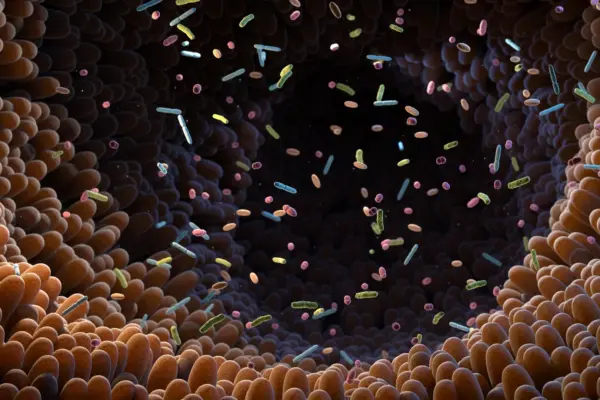
Published in the peer-reviewed journal ACS Food Science & Technology, the research focused on a trio of locally crafted cheeses from Nettlebed Creamery in Oxfordshire. By tracking both microbial and biochemical transformations across various maturation periods, the investigative team uncovered a thriving, microscopic landscape within each wheel. Far from being passive dairy products, these cheeses emerge from the ripening cellar as dynamic biological matrices capable of delivering beneficial microbes, prebiotics, and vital nutrients directly to the human digestive tract.
Executive Overview
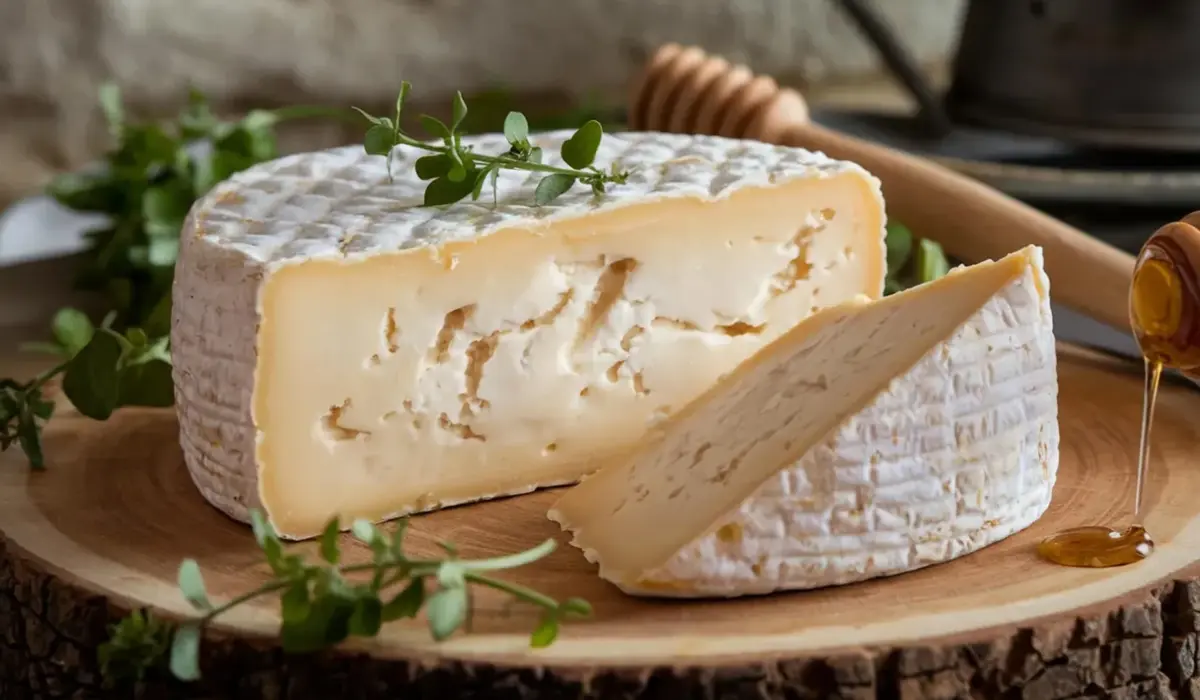
The intersection of gastronomy and nutritional science has long pointed toward fermented foods as cornerstones of a healthy diet. Yet, specific empirical data regarding how distinct artisan cheesemaking techniques influence microbial survival and gut health has historically been limited. This new study bridges that gap by isolating the exact bacterial strains driving the evolution of three specific Oxfordshire cheeses: a soft white-rind cheese aged for slightly over a week, a washed-rind semi-soft cheese matured over several weeks, and a semi-hard cheese aged in natural hay for approximately nine months.
Key Takeaways from the Research:
- Probiotic Delivery Systems: The dense matrix of milk fats and proteins found in artisan cheese appears to shield beneficial bacteria as they navigate the harsh, acidic environment of the human gastrointestinal tract.
- Identified Beneficial Strains: Key bacteria such as Streptococcus thermophilus, Lactococcus lactis, and Propionibacterium freudenreichii were found in abundance, linked to gut health, reduced cholesterol synthesis, and anti-inflammatory mechanisms.
- Prebiotic Rinds: The white mold Penicillium candidum, responsible for the luxurious rinds of soft cheeses, produces chitin—a dietary fiber with suspected prebiotic properties that nourish resident gut bacteria.
- Lactose Degradation: Extended fermentation and maturation processes nearly eliminate lactose across all three varieties, presenting a viable dairy alternative for lactose-sensitive consumers.
- Microbial Diversification: Aging techniques, particularly hay-aging, exponentially increase microbial diversity, resulting in a mature product containing nearly four times the bacterial species observed in its early developmental stages.
Detailed Chronology: Tracking the Life Cycle of Farmhouse Cheese
To understand how milk transforms into a complex functional food, the University of Reading researchers embarked on a meticulous longitudinal sampling strategy. By harvesting cheese samples at multiple stages of maturation, the team captured a high-resolution snapshot of biochemical and microbial succession.
Phase 1: The Infancy of the Wheel (Initial Fermentation)
In the earliest hours and days following curd formation and molding, the microbial landscape is dominated by acid-producing bacteria introduced during the initial inoculation phase.
For the soft white rind cheese, this phase is brief. Aged for just over a week, the cheese relies on rapid acidification driven by lactic acid bacteria to set its fragile structure. At this stage, the surface begins to colonize with molds, setting the stage for the textural softening that defines the variety.
In the semi-soft and semi-hard variants, strains such as Lactococcus lactis establish an immediate and persistent presence. Detected from start to finish across all three cheeses, Lactococcus lactis acts as a metabolic engine, consuming available sugars and converting them into lactic acid. This process drops the pH, curds the milk proteins, and creates a hostile environment for harmful pathogens, naturally preserving the foodstuff before curing even begins.
Phase 2: Maturation and Metabolic Flourishing (Weeks to Months)
As the cheeses enter their respective aging rooms—environments meticulously regulated for humidity, temperature, and airflow—the internal and external microenvironments diverge dramatically.
For the washed-rind semi-soft cheese, regular washings with saline solutions or fermented liquids encourage the proliferation of halotolerant (salt-loving) bacteria and yeasts. It is during this maturation window that Propionibacterium freudenreichii emerges as a dominant player. Renowned in dairy science for its role in creating the characteristic eyes (holes) and nutty flavor profile of alpine-style cheeses, P. freudenreichii also metabolizes lactic acid into propionic acid and acetate.
Simultaneously, the semi-hard cheese undergoes a radical biological transformation due to its unique aging environment: natural hay. As the months tick toward the nine-month mark, the hay acts as an inoculant, introducing an expansive array of environmental microbes into the rind and matrix.
Phase 3: Full Maturity and Micro-Ecological Peak
By the time the cheeses are deemed ready for the table, their internal micro-ecosystems have reached a state of advanced maturity.
The research revealed that the hay-aged semi-hard cheese achieved a staggering fourfold increase in bacterial species diversity by the end of its nine-month maturation compared to its early stages. This hyper-diverse community creates an intricate flavor profile characterized by earthy, savory, and herbaceous notes.
Crucially, this extended biochemical activity consumes virtually all residual lactose. Through sustained fermentation, lactic acid bacteria break down the milk sugar entirely, rendering these mature artisan cheeses virtually lactose-free and accessible to consumers who might otherwise experience digestive distress from dairy consumption.
Supporting Context & Metrics: The Science of Gut Health
The implications of the Reading study extend far beyond culinary appreciation, touching directly upon nutritional immunology and gastroenterology. Modern dietary science increasingly recognizes the gut microbiome as a master regulator of human health, influencing everything from metabolic homeostasis and immune defense to neurological function via the gut-brain axis.
+-------------------------------------------------------------------+
#              MICROBIAL PROFILE & FUNCTIONAL METABOLITES           #
+---------------------------+---------------------------------------+
# Bacterial Strain          # Associated Functional Benefit         #
+---------------------------+---------------------------------------+
# Streptococcus thermophilus# Yogurt starter; aids digestive balance  #
# Lactococcus lactis        # Persistent fermenter; supports barrier#
# Propionibacterium freud.  # Produces anti-inflammatory propionic  #
#                           # acid; regulates cholesterol synthesis #
# Penicillium candidum      # Mold rind producer; yields chitin     #
#                           # (prebiotic dietary fiber)             #
+---------------------------+---------------------------------------+
The Cheese Matrix as a Biological Shield
One of the most significant revelations of the research involves the survivability of ingested probiotics. Traditionally, commercial probiotic supplements or yogurts face a devastating bottleneck: the hydrochloric acid and digestive enzymes of the stomach destroy the vast majority of live bacteria before they ever reach the intestines.
According to lead researcher Sabrina Longley, the dense, lipid- and protein-rich matrix of artisan cheese offers a protective micro-environment. The fats and proteins buffer the bacteria against extreme gastric acidity, effectively acting as an armored transport vehicle. This structural integrity increases the probability that live, viable microbes will successfully colonize or temporarily support the host’s resident gut flora.
The Power of Postbiotics and Prebiotics
Beyond live probiotic delivery, the study highlights the role of cheese rinds and metabolic byproducts (postbiotics).
- Chitin and Prebiotics: The soft white rind cheese features a velvety coat of Penicillium candidum. As this mold grows, it synthesizes chitin, a structural polysaccharide and dietary fiber. While human enzymes cannot digest chitin, it serves as an exceptional prebiotic—a specialized fertilizer that selectively feeds beneficial bacteria already established in the human colon.
- Propionic Acid: The metabolic activity of Propionibacterium freudenreichii yields propionic acid, a short-chain fatty acid (SCFA). In human physiology, SCFAs are heavily implicated in maintaining gut barrier integrity, modulating inflammatory cascades, mitigating hepatic cholesterol synthesis, and signaling satiety hormones to regulate appetite.
Official Statements and Expert Insights
The collaboration between an academic institution of global renown and an independent, rural creamery represents a paradigm shift in how agricultural research is conducted and applied.
Lead author Sabrina Longley balances her academic rigor with practical, hands-on expertise. Operating as both a PhD researcher in the Department of Food and Nutritional Sciences at the University of Reading and a practicing cheesemaker at Nettlebed Creamery, Longley offers a rare dual perspective on the microbiology of dairy.
"Good cheese is delicious, and the artisan varieties we studied are full of microbial life that could have benefits to your gut health," stated Longley during the release of the findings. "The aging process creates more complex aromas and textures through the work of an army of helpful bacteria. The matrix of fats and proteins in the cheese may also help protect the bacteria as they travel along the digestive tract, making cheese an excellent vehicle for delivery of probiotics to the gut."
The research was partially funded by Nettlebed Creamery, with Longley pursuing her doctoral studies part-time via a University of Reading regional bursary—an initiative explicitly designed to empower local talent and foster regional innovation in Oxfordshire’s agricultural and scientific sectors.
Academic supervisors and food scientists involved in the project emphasize that while the biochemical mapping of these cheeses provides a robust foundation, it also opens up vast new avenues for nutritional research. The identification of specific strains with established functional properties moves artisan cheese away from being viewed merely as an indulgent comfort food and positions it as a functional foodstuff worthy of clinical investigation.
Future Outlook: From the Cellar to Clinical Trials
While the identification of probiotic strains, prebiotic fibers, and anti-inflammatory metabolites within Oxfordshire artisan cheeses represents a major scientific milestone, researchers emphasize that this is merely the opening chapter of a larger investigative journey.
The Roadmap for Future Research
- Dietary Intervention Trials: The critical next step involves rigorous human clinical trials. Scientists must determine precisely how these microbial populations behave, adapt, and interact within the complex human gut microbiota after actual consumption of the cheese.
- Systemic Health Impact: Researchers aim to quantify the downstream physiological effects of cheese-derived short-chain fatty acids on human metabolic markers, immune response, and lipid profiles over extended periods.
- Optimizing Cheesemaking Parameters: Understanding the precise environmental conditions—such as the specific microflora of natural hay aging rooms—allows artisan producers to potentially fine-tune their craft, maximizing health-promoting microbial yields without compromising traditional flavor profiles.
As consumer interest in gut health, microbiome diversity, and minimally processed foods continues to surge, studies like the one conducted at the University of Reading validate the ancient wisdom of traditional food production. Far from being at odds with modern science, heritage artisan cheesemaking has proven to be a sophisticated, biological art form capable of delivering targeted nutritional benefits straight from the Oxfordshire hills to the human table.