








Executive Overview
High blood pressure—often termed the "silent killer"—remains one of the most pervasive health crises of the modern era. As the leading single risk factor for global mortality and the primary catalyst for cardiovascular disease, hypertension places an unprecedented burden on healthcare systems worldwide. While conventional pharmacological treatments have saved countless lives, they are frequently accompanied by long-term compliance challenges, high costs, and a slate of unwanted adverse side effects.
Against this backdrop of clinical and economic need, a team of researchers at the University of Lancashire has published a groundbreaking study in the peer-reviewed journal PLOS One. Their findings suggest a refreshingly simple, inexpensive, and accessible intervention: daily supplementation with peppermint oil.
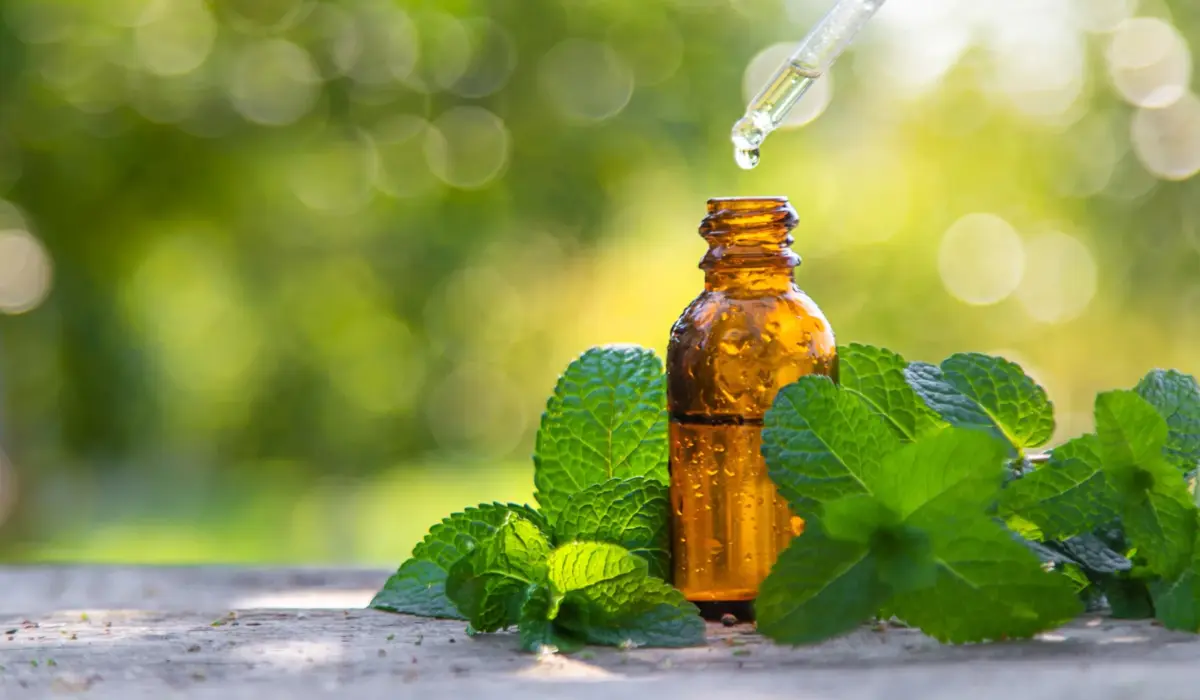
According to the research, administering just 100 microliters of peppermint oil twice a day over a targeted 20-day period successfully reduced systolic blood pressure—the crucial top number in a standard reading—by an impressive average of 8.5mmHg among participants. Given that arterial hypertension is the most common preventable risk factor for cardiometabolic disease, this discovery opens up an entirely new avenue for lifestyle-oriented cardiovascular support.
This comprehensive report examines the nuances of the University of Lancashire study, detailing its chronology, methodologies, broader physiological markers, expert commentary, and the future outlook for integrating natural compounds into mainstream preventative cardiology.
Detailed Chronology of the Study
To understand the significance of the University of Lancashire’s findings, it is essential to trace the trajectory of the research from its conceptualization to its final publication in PLOS One.
Phase I: Hypothesis and Compound Selection
The investigation began with a growing body of biochemical literature surrounding natural botanical extracts and their vasodilatory properties. Peppermint (Mentha piperita) has long been celebrated in traditional medicine for its soothing gastrointestinal effects, anti-inflammatory characteristics, and aromatic qualities. However, modern pharmacologists have increasingly turned their attention to its specific bioactive constituents—most notably menthol and various flavonoids.
Dr. Jonnie Sinclair, Reader in Sport and Health Sciences at the University of Lancashire and lead author of the study, recognized that these naturally occurring compounds might interact beneficially with human vascular smooth muscle. The hypothesis was straightforward: could the regular, controlled ingestion of concentrated peppermint oil safely modulate vascular tone and lower blood pressure in individuals with borderline or mildly elevated readings without the heavy biochemical footprint of synthetic pharmaceuticals?
Phase II: Cohort Recruitment and Randomization
To test this hypothesis rigorously, the research team designed a randomized, placebo-controlled trial. They enrolled a cohort of 40 healthy adult participants ranging in age from 18 to 65 years.
Crucially, the selection criteria focused on individuals exhibiting prehypertension or stage 1 hypertension—meaning their blood pressure readings were elevated above optimal levels, placing them at increased risk for long-term cardiovascular complications, but not yet severe enough to warrant emergency medical intervention.
The 40 participants were randomly divided into two distinct groups:
- The Intervention Group: This cohort received a precise daily regimen of 100 microliters of pure peppermint oil, administered twice a day for a total duration of 20 days.
- The Control Group: To maintain blinding and account for any psychological or sensory placebo effects, this cohort received an identical-looking and peppermint-flavored placebo preparation that completely lacked the active botanical oil.
Phase III: The 20-Day Trial and Data Collection
Throughout the 20-day study window, both groups adhered strictly to their assigned regimens. The researchers tracked compliance closely while systematically monitoring a comprehensive array of physiological and psychological metrics.
At the conclusion of the 20 days, a comparative analysis of the data revealed a stark divergence between the two cohorts. While the control group demonstrated no statistically meaningful shifts in their cardiovascular metrics, the peppermint oil intervention group exhibited a marked, measurable improvement in systolic blood pressure.
With the data fully analyzed and peer-reviewed, the findings were officially published in PLOS One, instantly capturing the attention of cardiologists, pharmacologists, and public health advocates globally.
Supporting Context & Metrics: Unpacking the Data
While the headline-grabbing statistic of an 8.5mmHg reduction in systolic blood pressure is compelling, a deeper dive into the metrics reveals a broader spectrum of physiological evaluations conducted by the Lancashire research team.
The Significance of an 8.5mmHg Reduction
In the realm of cardiovascular medicine, an 8.5mmHg drop in systolic blood pressure is far from trivial. Epidemiological studies consistently demonstrate that even modest population-wide reductions in systolic blood pressure—such as a 5mmHg decrease—can significantly lower the incidence of stroke by approximately 35% to 40%, and ischemic heart disease by roughly 20% to 25%.
For an individual presenting with stage 1 hypertension, an 8.5mmHg reduction is often sufficient to transition their readings back into the "prehypertensive" or even "normal" classifications. This structural shift effectively downgrades their immediate risk profile for heart attacks, strokes, and renal complications.
Beyond the Top Number: Comprehensive Physiological Tracking
The researchers did not limit their observations to systolic blood pressure alone. To ensure a holistic understanding of peppermint oil’s impact on the human body, the study tracked several secondary markers:
- Diastolic Blood Pressure: The bottom number of a blood pressure reading, which measures the pressure in the arteries when the heart rests between beats, was continuously monitored alongside systolic metrics.
- Heart Rate: Researchers evaluated whether the intervention induced reflex tachycardia or other heart rate irregularities, ensuring the safety of the botanical compound on cardiac rhythm.
- Anthropometric and Blood Biomarkers: Body measurements and comprehensive blood test results were gathered to assess metabolic responses, lipid profiles, and systemic safety indicators.
- Mental Well-Being and Sleep Quality: Recognizing the bidirectional relationship between stress, sleep disturbances, and hypertension, the team integrated qualitative assessments regarding participants’ mental well-being and nocturnal rest throughout the 20-day trial.
The inclusion of these diverse metrics elevated the study from a narrow blood-pressure trial to a more robust health evaluation, confirming that the intervention was well-tolerated across multiple bodily systems.
The Pharmacology of Peppermint: Menthol and Flavonoids
To understand how peppermint oil achieves these cardiovascular benefits, one must examine its chemical composition. Peppermint is a botanical powerhouse rich in monoterpenes—predominantly menthol, menthone, and various polyphenolic flavonoids.
Menthol is well-known for its interaction with calcium channels in smooth muscle tissue. By modulating calcium ion influx across cell membranes, menthol can induce relaxation in vascular smooth muscle cells. This vasodilation—the widening of blood vessels—reduces peripheral vascular resistance, allowing blood to flow more freely and naturally driving down systolic pressure.
Simultaneously, the antioxidant and anti-inflammatory properties of peppermint flavonoids help combat oxidative stress within the endothelial lining of blood vessels, supporting long-term vascular health and elasticity.
Official Statements and Expert Analysis
The implications of the University of Lancashire study have resonated deeply within the scientific community. Lead author Dr. Jonnie Sinclair offered profound insights into both the gravity of the global hypertension crisis and the potential role of cost-effective natural solutions.
"High blood pressure is one of the biggest causes of heart disease and death worldwide, and it costs a huge amount of money to treat," stated Dr. Sinclair. "Although medicines are commonly used to treat it, it’s not always clear how well they work in the long-term, and they can cause unwanted side effects."
Dr. Sinclair emphasized the clinical weight of the team’s discoveries, pointing directly to the staggering statistics associated with arterial hypertension.
"Our findings were very positive, and they have significant clinical implications, especially given arterial hypertension is the most common preventable risk factor for cardiometabolic disease and the greatest single risk factor for global mortality," he noted.
Addressing the practical application of the research, Dr. Sinclair highlighted the unique economic and dietary advantages of peppermint oil as a therapeutic agent:
"Peppermint oil is low in calories and price, so it’s proved to be a very simple and cost-effective solution to potentially treat millions of people around the world."
Independent cardiologists and clinical pharmacologists reviewing the PLOS One publication have echoed these sentiments, noting that while lifestyle modifications such as sodium reduction and increased physical activity remain the gold standard for managing prehypertension, patient adherence is notoriously difficult to maintain. A simple, daily botanical supplement could serve as a valuable bridge therapy for patients reluctant to begin lifelong pharmaceutical regimens or those seeking complementary support.
Future Outlook: The Road Ahead for Botanical Cardiology
As promising as the University of Lancashire study is, the scientific community emphasizes that this is merely the first step in a longer investigative journey. The transition from a small-scale, 20-day trial to global clinical recommendations requires careful, methodical expansion.
Limitations of Current Research
While the 40-participant cohort was sufficient to establish initial proof-of-concept and detect significant variance in systolic blood pressure, larger-scale studies are required to confirm these findings across more diverse demographic groups. Future trials will need to encompass:
- Larger Sample Sizes: Scaling up to hundreds or thousands of participants to account for genetic, regional, and dietary variations.
- Longer Duration Trials: Moving beyond the 20-day window to evaluate the chronic safety, efficacy, and potential development of physiological tolerance to peppermint oil over months and years.
- Diverse Patient Populations: Expanding recruitment to include individuals with more advanced stage 2 hypertension, as well as those already managing their blood pressure with pharmaceutical medications, to check for potential drug-botanical interactions.
The Integration of Nutraceuticals into Modern Medicine
The broader medical paradigm is slowly shifting toward integrative cardiology—a discipline that embraces evidence-based nutritional science and botanical medicine alongside conventional pharmacology. If subsequent, larger-scale trials validate the Lancashire findings, peppermint oil could soon find its way into clinical guidelines as an adjunct therapy for prehypertension.
Furthermore, the economic implications cannot be overstated. In developing nations and underserved communities where the cost of chronic hypertension medications can create insurmountable barriers to care, inexpensive, plant-based interventions like peppermint oil offer a scalable public health blueprint.
Conclusion
The University of Lancashire’s investigation into peppermint oil represents a compelling convergence of traditional botanical wisdom and rigorous modern science. By demonstrating that a modest, twice-daily dose of 100 microliters of peppermint oil can yield an 8.5mmHg reduction in systolic blood pressure over 20 days, the research team has provided a beacon of hope for millions struggling with mildly elevated blood pressure.
As the scientific community looks toward future longitudinal studies, patients and practitioners alike have a new, low-cost, and scientifically validated tool to consider in the ongoing battle against the world’s most prevalent cardiovascular risk factor.