









Executive Overview
Acute lymphoblastic leukemia (ALL) remains the most prevalent pediatric malignancy globally, yet a profound geopolitical divide continues to dictate survival outcomes. While high-income countries routinely achieve long-term pediatric survival rates between 85% and 90%, children in resource-limited settings like India face an uphill battle, with survival trailing significantly at 60% to 70%.
A cornerstone of contemporary ALL therapy is the administration of the enzyme L-asparaginase, a critical therapeutic agent that systematically starves leukemic cells of the amino acid asparagine. However, managing this therapy requires navigating a notoriously narrow therapeutic window.
In a breakthrough prospective pilot study conducted at Vardhaman Mahavir Medical College and Safdarjung Hospital in New Delhi, researchers have unveiled unsettling real-world data: Indian children with high-risk B-cell ALL uniformly experience subtherapeutic trough levels of L-asparaginase when treated under standard protocols, raising alarming questions regarding hidden treatment failures, silent inactivation, and the urgent need for routine therapeutic drug monitoring (TDM) in low- and middle-income countries (LMICs).
Detailed Chronology of the Pilot Study
Enrollment and Attrition: Tracking the High-Risk Cohort
The prospective observational pilot study commenced following approval from the Institutional Ethics Committee under Protocol No. IEC/VMMC/SJH/Project/2023-08/CC-362. Between March and July 2024, investigators screened 30 treatment-naive pediatric patients aged 1 to 12 years diagnosed with newly confirmed B-cell ALL.
Out of this primary screening pool, nine patients (30%) presented with high-risk disease parameters—defined by factors including an age over 10 years, white blood cell counts exceeding 50,000/µL, and high-risk cytogenetic anomalies. These nine patients were enrolled specifically for real-time sparse pharmacokinetic sampling and therapeutic drug monitoring following the modified ICiCLe protocol.
The clinical reality of managing high-risk pediatric oncology in a resource-constrained tertiary care environment quickly manifested. Of the nine high-risk participants:
- Three patients tragically succumbed to treatment-related complications, specifically sepsis, during the induction phase.
- One patient was transferred to an alternative medical center prior to treatment completion.
- Five patients successfully completed the intensive induction cycle and yielded a robust dataset of 42 serial plasma samples (approximately 8 samples per patient) for full pharmacokinetic evaluation.
Pharmacological Administration and Sampling Schedules
The five evaluable patients received standard, cost-effective native Escherichia coli L-asparaginase (marketed as L-Asgen by Adley Formulations, India). Administered intramuscularly every 72 hours starting from day 9 of the induction phase, the standard dosing was targeted at 10,000 IU/m².
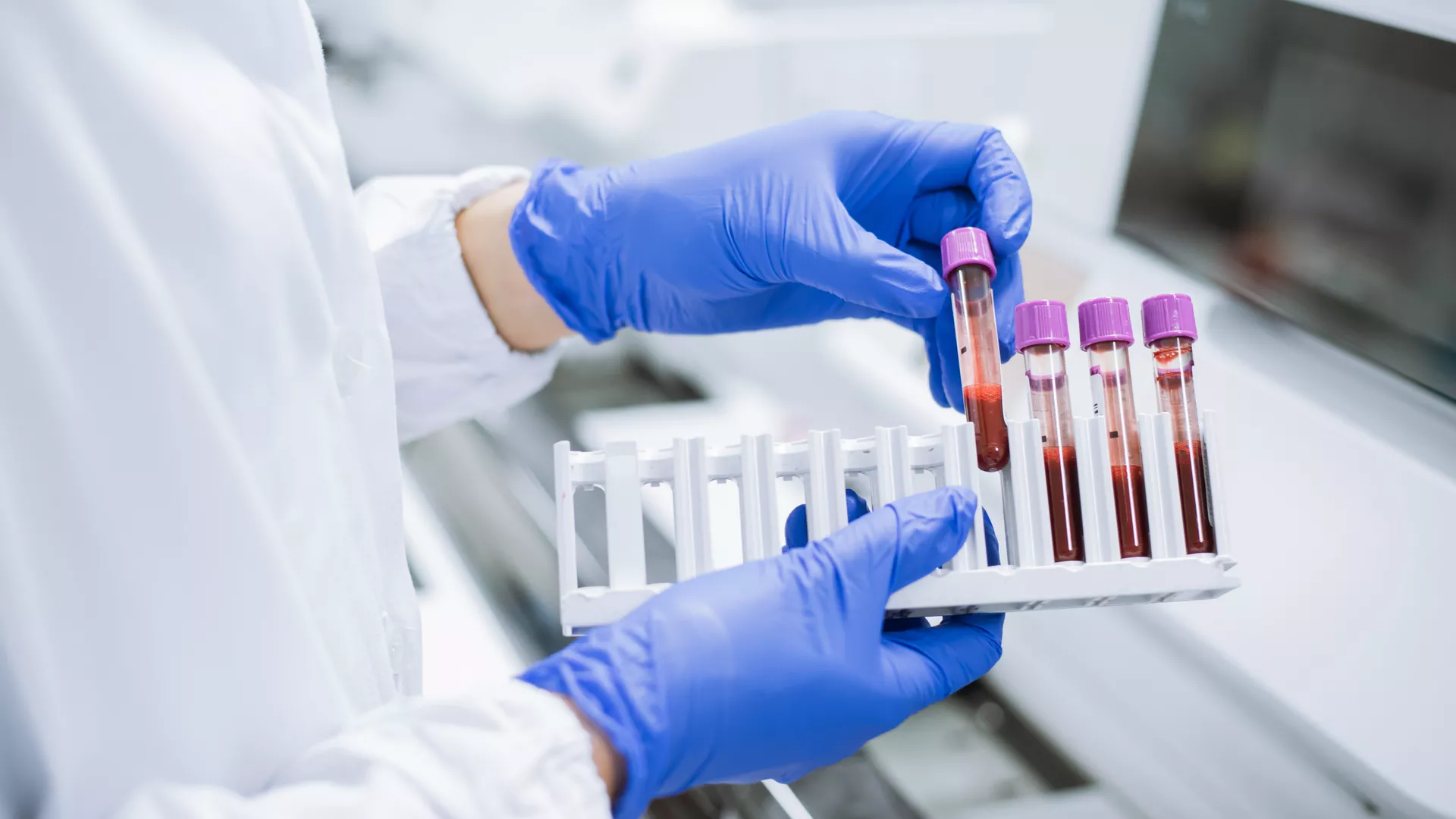
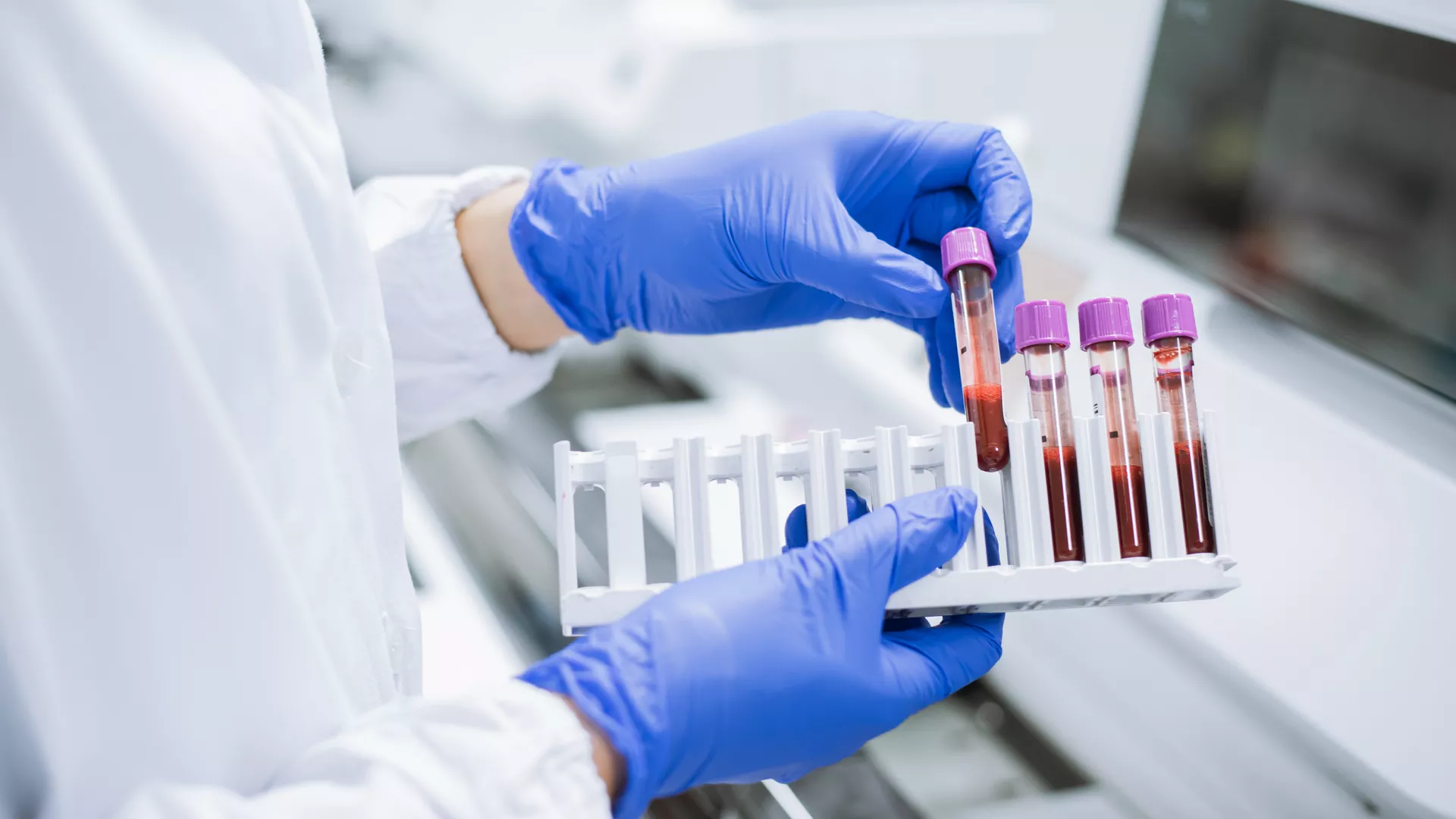
Peripheral blood samples were collected across multiple time points relative to therapy initiation. Plasma separation was meticulously executed via centrifugation within 30 minutes of collection, and samples were cryopreserved at −80°C until batch analysis using a colorimetric enzyme activity assay kit.
Supporting Context & Metrics
Pharmacokinetic Findings: The Subtherapeutic Reality
The study’s analytical results exposed critical vulnerabilities in drug exposure. While baseline apparent enzyme activity ranged from 0.43 to 0.48 IU/mL (representing assay background signals rather than true physiological activity), peak enzyme levels demonstrated marked interpatient variability, surging anywhere from 0.52 to 1.97 IU/mL at staggered intervals between days 1 and 21 post-treatment.
Most critically, all evaluable patients exhibited trough asparaginase activity levels below the institutional target threshold of <0.5 IU/mL. Although these troughs remained above the absolute minimum international cutoff of 0.1 IU/mL, the data points to persistent subtherapeutic exposure during critical therapeutic intervals.
+-------------------------------------------------------------------------+
|                    SUMMARY OF PHARMACOKINETIC METRICS                   |
+----------------------------------+--------------------------------------+
| Metric Parameter                 | Observed Cohort Range / Finding      |
+----------------------------------+--------------------------------------+
| Evaluated High-Risk Patients     | 5 patients (complete induction)      |
| Baseline Apparent Activity       | 0.430 - 0.478 IU/mL                  |
| Peak Enzymatic Activity          | 0.516 - 1.974 IU/mL                  |
| Trough Serum Activity            | <0.5 IU/mL (Universally Subtarget)   |
| Primary Cause of Attrition       | Sepsis / Treatment Toxicity (n=3)    |
+----------------------------------+--------------------------------------+
Unmasking Systemic Toxicities and Metabolic Perturbations
The investigation tracked a comprehensive panel of clinicopathological parameters to map the correlation between enzyme activity and systemic toxicity. Spearman’s rank correlation analysis established statistically significant associations between peak enzyme activity and biochemical markers, notably highlighting hepatotoxicity indicators.
- Hepatic Dysfunction: Elevated lactate dehydrogenase (LDH) was universally observed in 100% of evaluable patients ($n=5$), while transaminases (AST/SGOT and ALT/SGPT) were elevated in 80% ($n=4$). A strong statistical correlation was confirmed between peak enzyme activity and AST levels ($p = 0.0167$).
- Metabolic Derangements: Dyslipidemia was widespread, with total cholesterol and low-density lipoprotein (LDL) levels elevated in 60% of patients, and hypertriglyceridemia presenting in 100% ($n=5$). Universal hypoalbuminemia and hypoproteinemia further reflected compromised hepatic protein synthesis.
- Subclinical Pancreatitis: Alarmingly, subclinical pancreatic inflammation emerged in 50% of the cohort, marked by elevated serum amylase and lipase levels in 40% of patients despite a total absence of overt clinical symptoms. Researchers noted that subclinical pancreatitis may have acted as a compounding vulnerability in patients who ultimately succumbed to sepsis.
Official Statements and Expert Perspectives
The research team, spearheaded by corresponding authors Dr. Amitabh Singh and Dr. Aroonima Misra, alongside co-investigators Himanshu Dhanda, Sadaf Zaman, and Bindiya Rishi, emphasized the urgent clinical implications of their findings.
"Our pilot data provides the first systematic assessment of serum asparaginase activity during induction therapy in Indian children with high-risk B-cell ALL," the authors noted in their official findings. "The universal finding of subtherapeutic trough levels—despite strict adherence to the modified ICiCLe protocol—highlights a hidden barrier to curative care: inadequate drug exposure driven by pharmacokinetic variability and potentially silent inactivation."
The phenomenon of silent inactivation—wherein a patient develops anti-asparaginase neutralizing antibodies that clear the drug rapidly without producing visible clinical allergic signs like anaphylaxis or urticaria—remains an insidious threat in pediatric oncology. Because patients appear entirely asymptomatic, clinicians are blind to the therapeutic failure unless active therapeutic drug monitoring is enforced.
International experts reviewing the trial dynamics point out that standardized therapeutic thresholds established in Western nations may fail to account for regional variabilities. Dietary habits, baseline nutritional status (such as protein-energy malnutrition prevalent across South Asian pediatric populations), genetic diversity, and regional drug formulations heavily influence how exogenously administered enzymes are metabolized and cleared.
Future Outlook: Transforming Pediatric Oncology in LMICs
The insights generated by this pilot study mark a paradigm shift for pediatric oncology protocols in India and similar resource-limited settings. By demonstrating the absolute feasibility of sparse pharmacokinetic sampling and real-time drug monitoring in a bustling public tertiary care hospital, the study breaks open the path for larger, multi-centric clinical trials.
Key Recommendations for Future Clinical Pathways:
- Mandatory Institutional TDM Integration: Transitioning therapeutic drug monitoring from a research-only luxury to a standard clinical diagnostic tool to unmask silent inactivation and guide timely switches to alternative formulations (such as PEG-asparaginase or Erwinia derivatives).
- Population-Specific Pharmacokinetic Modeling: Developing indigenous dosing nomograms that factor in regional nutritional statuses, genetic variations, and local drug clearance rates rather than relying blindly on Western benchmarks.
- Enhanced Toxicity Surveillance: Implementing routine pancreatic and lipid profile screenings alongside standard hemograms to catch subclinical toxicities (such as silent pancreatitis and hypertriglyceridemia) before they escalate into fatal systemic sepsis.
- Larger Validation Cohorts: Scaling up to adequately powered, multicenter trials to validate these preliminary findings and establish concrete survival-benefit correlations.
Ultimately, bridging the global survival gap in pediatric acute lymphoblastic leukemia requires more than just administering standardized chemotherapy regimens. It demands vigilance, precision medicine, and the courage to monitor what the naked eye cannot see.