







Executive Overview
As cannabis legalization accelerates across the globe, a pervasive cultural assumption has taken root: marijuana is a benign, naturally occurring substance that carries few, if any, long-term health consequences. While public health messaging has spent decades aggressively dismantling the illusion of safety surrounding tobacco, cannabis has largely enjoyed a halo of harmlessness. However, as researchers peel back the layers of epidemiological data, a far more complex—and potentially concerning—medical reality is beginning to emerge.
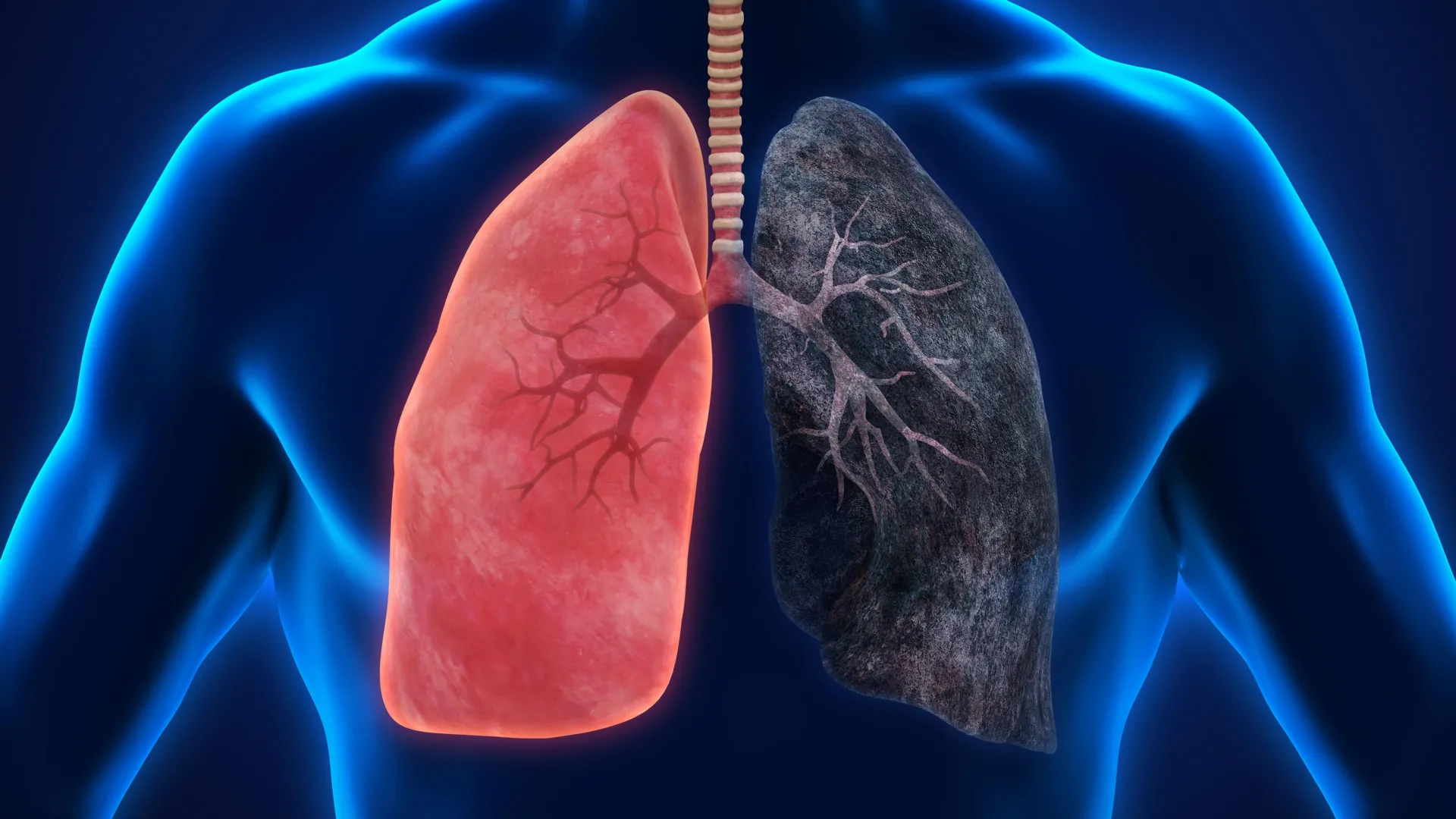
Medical experts and oncological researchers are increasingly urging caution. While the definitive causal relationship between cigarette smoking and lung cancer is a foundational pillar of modern oncology, the scientific community is only now beginning to map out how cannabis smoke interacts with human cellular biology. Recent clinical investigations conducted by institutions such as the Keck School of Medicine of USC suggest that the inhalation of marijuana smoke may not be as benign as once believed. Heavy, chronic consumption is increasingly correlated with an elevated risk of specific malignancies, including both small cell and non-small cell lung cancers, as well as aggressive head and neck tumors.
This investigative report explores the intersection of cannabis consumption and oncology. Drawing on insights from prominent thoracic surgeons and otolaryngologists, we examine the molecular mechanisms of cannabis-induced cellular damage, differentiate between occasional and heavy use, evaluate alternative consumption methods like edibles and vaping, and outline what public health officials and medical professionals believe consumers need to know in an era of rapid legalization.
Detailed Chronology of Research and Discovery
To understand where science stands today regarding cannabis and cancer, it is vital to trace how researchers arrived at these findings. For decades, studying the long-term health impacts of marijuana was hindered by legal prohibitions, federal classification, and the historical dominance of tobacco research.
The Tobacco Blueprint
For the better part of the 20th century, tobacco served as the primary model for inhalation-related carcinogenesis. Scientists established that the combustion of plant matter releases thousands of distinct chemical compounds, many of which are proven carcinogens. When cannabis gained mainstream popularity in the 1960s and 1970s, public health researchers initially focused on its immediate psychoactive and neurological effects, as well as its potential for substance dependency.
The Shift Toward Inhalation Pathology
As generations of consumers aged, and as medical and recreational legalization provided larger cohorts of long-term users, epidemiological studies finally gained the statistical power necessary to track chronic outcomes. In the late 2010s and early 2020s, researchers at major medical centers began isolating cohorts of heavy cannabis users to track pulmonary and oncological outcomes independent of tobacco use.
Recent Clinical Milestones at Keck Medicine
A turning point in contemporary research arrived through recent studies led by specialists at the Keck School of Medicine of USC. Dr. Niels Kokot, an otolaryngologist at the USC Caruso Department of Otolaryngology — Head and Neck Surgery, spearheaded groundbreaking research examining the correlation between heavy cannabis use and upper aerodigestive tract cancers. Dr. Kokot’s findings revealed a stark statistical increase in head and neck cancers among daily cannabis consumers.
Concurrently, thoracic surgeons like Dr. Brooks Udelsman of USC Surgery began examining the pulmonary consequences of cannabis combustion. By comparing the cellular architecture of lung tissue in chronic cannabis smokers against non-smokers and tobacco smokers, researchers began to construct a clearer picture of how cannabis smoke impacts the respiratory tract, paving the way for the nuanced medical warnings issued today.
Supporting Context, Cellular Mechanisms, and Metrics
To comprehend why cannabis smoke can pose oncological risks, one must look closely at the chemistry of combustion and the physiological response of human tissue.
The Chemistry of Combustion
When any organic material—whether tobacco, cannabis, or oak leaves—is burned and inhaled, it undergoes pyrolysis. This chemical decomposition produces a complex aerosol containing thousands of individual compounds. Tobacco smoke is famously known to contain over 7,000 chemicals, approximately 70 of which are definitively classified as carcinogens.
Cannabis smoke shares a remarkably similar chemical profile. It contains many of the same toxic gases, heavy metals, and polycyclic aromatic hydrocarbons (PAHs) found in tobacco smoke. When an individual inhales cannabis smoke, these particulate matters and chemical agents are drawn deep into the delicate architecture of the lungs, coating the alveoli and bronchial passages.
The Role of THC and Cellular Inflammation
A critical piece of the puzzle involves tetrahydrocannabinol (THC), the primary psychoactive cannabinoid in marijuana. According to medical observations, THC is associated with the metabolic conversion of PAHs. When these compounds interact with cellular machinery, they can trigger sustained, chronic inflammation and induce direct damage to cellular DNA.
In oncology, chronic inflammation is a well-documented catalyst for tumorigenesis. When tissue experiences prolonged inflammation, the body’s natural cellular repair mechanisms can falter, leading to mutations in genetic code. Over time, if these mutated cells evade apoptosis (programmed cell death), they can begin to multiply unchecked, laying the groundwork for malignancy.
Small Cell vs. Non-Small Cell Lung Cancer
Lung cancer is broadly categorized into two major histological types, both of which have been linked to inhalational injury:
- Small Cell Lung Cancer (SCLC): Highly aggressive and rapidly spreading, SCLC has a historically near-exclusive link to tobacco smoking. However, clinical data indicates it may also be triggered by severe, chronic inhalational injuries caused by heavy cannabis smoking. As Dr. Udelsman notes, contracting small cell lung cancer in the complete absence of inhalational injury is exceedingly rare.
- Non-Small Cell Lung Cancer (NSCLC): Comprising the majority of all lung cancer cases, NSCLC includes adenocarcinomas and squamous cell carcinomas. Studies show an increased incidence of NSCLC among individuals who smoke either tobacco or cannabis, as well as those who use both substances concurrently.
Head and Neck Cancers
The dangers of cannabis combustion are not confined to the lungs. Dr. Kokot’s research into head and neck cancers revealed that individuals who consumed marijuana on a daily basis faced a staggering 3.5 to 5 times higher risk of developing cancers of the mouth, pharynx, larynx, oropharynx (including the tongue, tonsils, and back wall of the throat), and nearby salivary glands compared to nonusers. The continuous passage of hot, chemically dense smoke over the mucosal tissues of the upper respiratory and digestive tracts creates an environment ripe for cellular transformation.
Official Statements and Expert Perspectives
To provide a comprehensive view of the medical landscape, experts in thoracic surgery and otolaryngology have offered detailed insights into the nuances of cannabis consumption, dosage thresholds, and alternative delivery systems.
The Dose-Response Dilemma: How Much Is Too Much?
One of the most pressing questions facing modern consumers is determining the consumption threshold where health risks transition from negligible to severe.
Dr. Brooks Udelsman emphasizes that the medical community is still actively investigating this "dose relationship."
"What we don’t know right now is the dose relationship," explains Dr. Udelsman. "So, if someone smokes marijuana occasionally once a week, once a month or a few times a year, do they still have that same risk? My suspicion is that there is probably minimal risk. All we know right now is that people who smoke a lot of marijuana—to the point that they develop a dependency on it or require hospital care or evaluation for it—do appear to have a higher cancer risk."
Dr. Udelsman contrasts occasional recreational indulgence with chronic abuse. He notes that while he does not foresee a widespread lung cancer epidemic stemming from casual use, chronic, heavy exposure—multiple times a day, every day—builds up cumulative pulmonary injury that closely mirrors the pathology seen in heavy tobacco users.
The Reality of Edibles and Non-Smoking Methods
With the commercial proliferation of cannabis-infused edibles, gummies, tinctures, and beverages, many consumers have entirely abandoned smoking in favor of ingestion. Public health experts are cautiously optimistic about this shift regarding pulmonary health.
"Probably not," says Dr. Udelsman when asked if edibles increase lung cancer risk. "The risk is harder to track because there isn’t a lot of data on it yet, but as of now there does not seem to be a relationship between edibles and lung cancer. We don’t yet know if there is a link to other types of cancers, however."
While edibles eliminate the immediate thermal and chemical trauma of combustion in the lungs, researchers caution that the systemic processing of cannabinoids through the liver and gastrointestinal tract requires long-term epidemiological tracking to fully understand any potential oncological side effects elsewhere in the body.
The Vaping Unknown and Benign Pulmonary Diseases
The advent of electronic vaping devices introduced another variable into the public health equation. While initial marketing touted vaping as a safer alternative to traditional smoking, clinicians have quickly realized that inhaling heated oils and chemical solvents carries its own unique set of severe health consequences.
While vaping has not yet been definitively linked to long-term lung cancer—primarily because widespread vaping technology has only been common for roughly 15 years, leaving a technological gap in longitudinal data—doctors are witnessing alarming rates of non-cancerous pulmonary diseases.
"We are starting to see some very severe inflammatory diseases—not cancers, but benign diseases—from vaping," Dr. Udelsman warns. "The data on vaping is very new, so we don’t know yet, but I’d worry about anything you’re breathing into your lungs because it infiltrates the cells and air sacs in your lungs, which can cause damage and put you at a higher risk for cancer."
Secondhand Smoke and Broader Systemic Risks
For non-smokers sharing living spaces with heavy cannabis users, the question of secondhand smoke is paramount. While direct empirical data confirming that secondhand marijuana smoke causes lung cancer is currently limited, medical logic dictates caution. Inhalation of ambient inflammatory particles can still provoke localized respiratory irritation and cellular stress.
Furthermore, researchers are expanding their inquiries beyond the respiratory tract. In oncology, tobacco smoking is a well-established driver of bladder cancer due to the filtration of carcinogens through the urinary system. Scientists are actively investigating whether heavy cannabis consumption presents a parallel risk for bladder and gastrointestinal malignancies.
Future Outlook and Recommendations for Consumers
As legal frameworks continue to loosen and cannabis markets expand globally, the imperative for transparent, science-based public health education has never been more urgent. The era of treating cannabis as a health-neutral substance is drawing to a close, replaced by a mature, nuanced understanding that mirrors our historical relationship with tobacco and alcohol.
Key Takeaways for Public Health
- Combustion is the Primary Culprit: Inhaling the burned particulate matter of any plant material introduces carcinogenic compounds and free radicals into the respiratory system, driving chronic inflammation and DNA damage.
- Frequency Matters: Occasional, low-frequency use appears to carry a minimal, manageable risk as the human body efficiently repairs short-term cellular irritation. Conversely, chronic, heavy dependency significantly elevates the risk of both lung cancers and upper aerodigestive tract malignancies.
- Delivery Mechanisms Shape Risk Profiles: Transitioning from smoking to non-combustible alternatives like edibles appears to successfully mitigate pulmonary cancer risks, though vaping introduces acute inflammatory concerns that require decades of additional study.
Actionable Advice for Consumers
Medical professionals recommend that individuals who engage in heavy or chronic cannabis consumption take a proactive approach to their health.
- Be Honest with Your Healthcare Provider: Patients should openly discuss their cannabis use habits during routine medical evaluations. Transparency allows primary care physicians and oncologists to accurately assess personal risk factors.
- Inquire About Targeted Screenings: Depending on an individual’s cumulative history—especially if there is a concurrent history of tobacco use—doctors can determine whether specialized pulmonary screenings or diagnostic follow-ups are appropriate.
- Consider Harm Reduction: Consumers concerned about long-term health outcomes should explore non-inhalational methods of consumption, such as ingestibles, to eliminate direct thermal and chemical trauma to the lungs and throat.
Ultimately, science is not anti-cannabis; rather, science is pro-truth. As researchers continue to decode the biological consequences of cannabis use, consumers are empowered with the knowledge necessary to make informed decisions about their health, ensuring that personal wellness remains at the forefront of the modern green revolution.