







Executive Overview
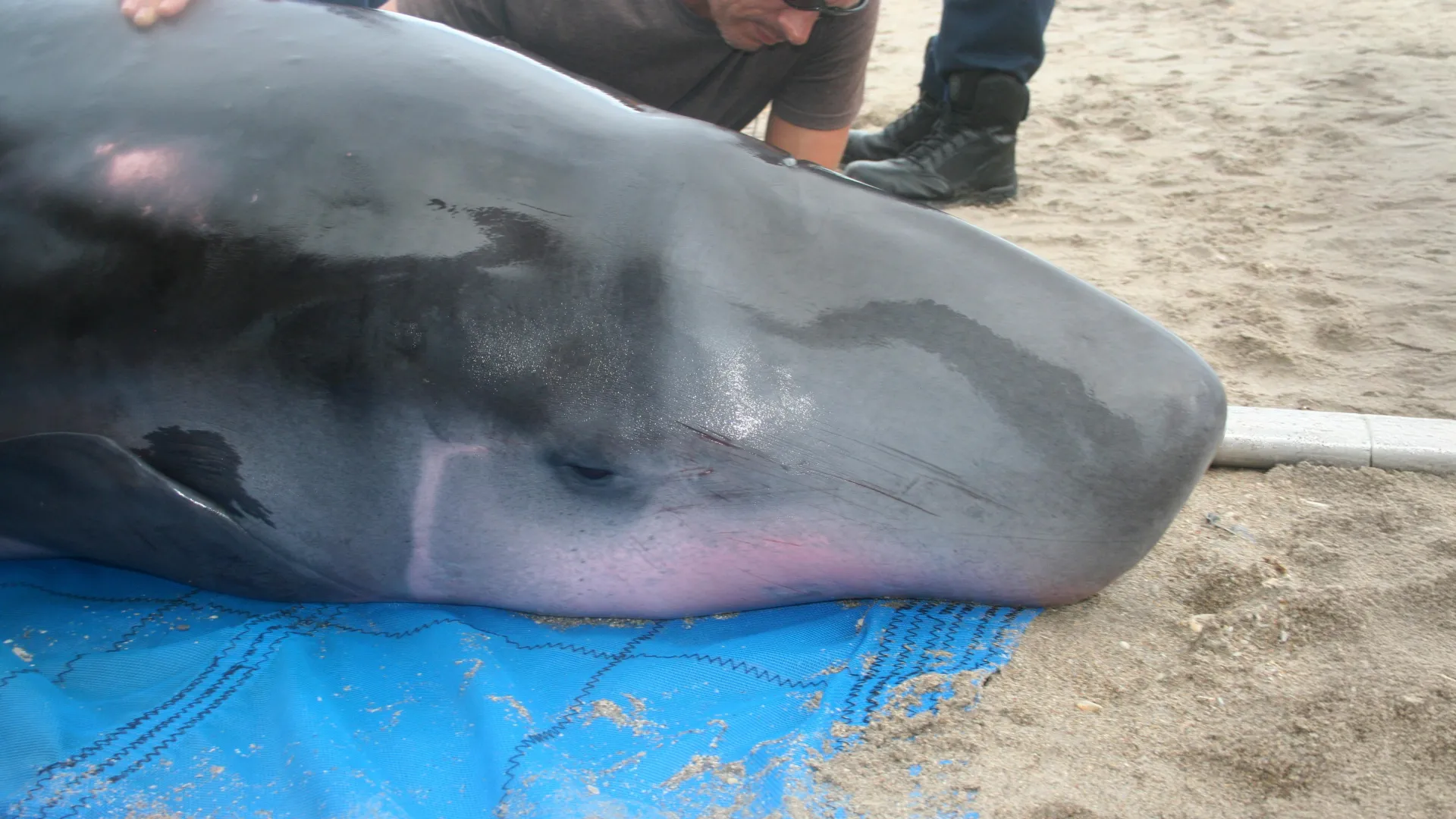
In the vast, uncharted theater of the world’s oceans, few creatures remain as enigmatic as the pygmy sperm whale (Kogia breviceps). Shrouded in secrecy and dwelling in the pelagic depths far beyond the sight of coastal observers, these elusive marine mammals spend their lives navigating the twilight zone to hunt squid and fish. Because they are exceptionally quiet, rarely breach the surface, and travel in small, discreet pods, marine biologists have historically had precious few opportunities to study them in their natural habitat. Consequently, much of what science understands about Kogia breviceps has been gathered not from vibrant, living encounters on the open sea, but from the tragic, occasional phenomenon of coastal strandings.
Now, a groundbreaking multi-institutional study published in the Journal of Wildlife Diseases has transformed these solemn coastal events into a window of unprecedented scientific discovery. Analyzing more than two decades of stranding data and preserved tissue samples, an elite team of researchers from Florida Atlantic University’s (FAU) Harbor Branch Oceanographic Institute—in collaboration with the University of Florida, Colorado State University, and Marine Mammal Pathology Services—has uncovered three entirely novel bacterial genotypes.
Named Kogia Helicobacter 1, 2, and 3, these spiral-shaped microorganisms mark the first confirmed discovery of their kind in pygmy sperm whales. More than simply cataloging a new microbe, this discovery shines a glaring light on the hidden health crises unfolding beneath the waves. Every single whale that tested positive for these newly identified bacterial strains also displayed severe gastrointestinal pathology, including chronic gastritis, stomach ulcers, fibrosis, and parasitic nematode infestations.
While the researchers emphasize that the bacteria were not definitively cited as the primary cause of death for the stranded animals, their recurrent presence alongside debilitating tissue damage opens critical new lines of inquiry. As marine ecosystems face escalating anthropogenic pressures, understanding the microbial pathogens that plague deep-diving whales has transformed from an academic curiosity into an urgent conservation imperative. This comprehensive investigation underscores the profound value of long-term stranding networks, proving that even in death, these mysterious creatures continue to teach us vital lessons about the delicate balance of ocean health.
Detailed Chronology: Decades of Dedication and Discovery
The journey toward uncovering Kogia Helicobacter began decades before the recent publication, driven by the relentless commitment of marine mammal rescue and veterinary teams operating along the southeastern coastline of the United States.
The Foundation: 1999–2020
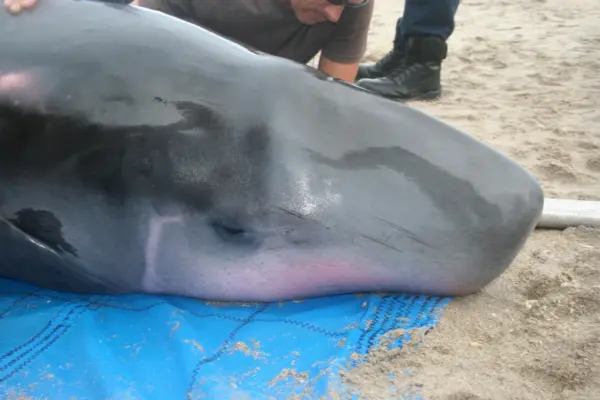
Along the dynamic shores of the southeastern U.S., pygmy sperm whales strand more frequently than almost any other large marine mammal species. Recognizing this trend, FAU Harbor Branch established a rigorous, long-term stranding response program. Between 1999 and 2020, the institute’s specialized marine mammal rescue teams responded to 59 pygmy sperm whale strandings.
Rather than treating these strandings merely as environmental anomalies, the veterinary team treated them as vital scientific archives. Systematic post-mortem examinations—commonly known as necropsies—were successfully performed on 80% of these recovered animals. During these meticulous examinations, pathologists routinely preserved tissue samples, storing them in bio-repositories for future analysis as diagnostic technologies advanced.
The Breakthrough: Spotting the Unseen
Among the myriad findings cataloged over these twenty-one years, pathologists repeatedly noted severe, unexplained stomach abnormalities in a subset of the whales. Upon closer microscopic inspection of stomach tissues from four specific cases, scientists made a critical visual observation: the presence of distinct, spiral-shaped, "spirilliform" bacteria embedded within the gastric mucosa.
Realizing the potential significance of these microorganisms, a collaborative team launched a comprehensive reexamination of the preserved historical samples. Utilizing advanced histopathology, molecular testing, and state-of-the-art DNA sequencing, the researchers set out to genetically classify the spiral invaders.
Sequencing the Unknown
The genetic analysis yielded stunning results. The DNA sequencing did not match any previously documented bacterial strains cataloged in global databases. Instead, it revealed three distinct, unclassified genotypes within the genus Helicobacter.
- Kogia Helicobacter 1 and 2: Genetic profiling demonstrated that these two strains bore close similarities to known Helicobacter species previously identified in other cetacean populations—such as coastal dolphins and porpoises—as well as, intriguingly, in humans.
- Kogia Helicobacter 3: This strain revealed a far more divergent genetic lineage. Its unique genomic signature diverged significantly from any known marine or terrestrial counterparts, signaling to the research team that the vast expanse of the deep ocean harbors an astronomical reservoir of undiscovered microbial life.
In one particularly striking case, researchers identified both Kogia Helicobacter 1 and Kogia Helicobacter 3 co-existing within the forestomach tissue of a single whale, suggesting complex microbial interactions within the host environment.
Supporting Context & Metrics: The Science of Stomach Pathology
To contextualize the gravity of discovering these new bacterial genotypes, scientists examined the broader pathological landscape of the infected hosts. The correlation between the presence of the bacteria and severe gastrointestinal degradation was immediate and undeniable.
Quantifying the Stranding Data
- Total Rescues (1999–2020): 59 pygmy sperm whales documented by FAU Harbor Branch.
- Necropsy Rate: Approximately 80% of recovered stranded whales underwent comprehensive post-mortem examinations.
- Positive Identifications: Helicobacter bacteria and associated gastric lesions were confirmed in four detailed case studies from this cohort.
- Co-Infections and Complications: 100% of the whales testing positive for the novel genotypes exhibited concurrent, visible macroscopic and microscopic pathology in their digestive tracts.
Pathological Manifestations
The damage wrought within the gastrointestinal tracts of the infected pygmy sperm whales was extensive. Histopathological evaluations revealed a litany of chronic medical conditions:
- Gastritis: Widespread inflammation of the stomach lining, indicative of an ongoing immune response against the bacterial colonizers.
- Gastric Ulcers: Deep lesions eroding the mucosal barrier of the stomach, mirroring the classic pathology associated with Helicobacter pylori infections in humans.
- Fibrosis: Excessive deposition of connective tissue resulting from chronic inflammation and tissue repair, leading to the stiffening and scarring of stomach walls.
- Parasitic Co-Infections: Every positive case also featured heavy infestations of nematode parasites, suggesting that compromised mucosal integrity may leave the animals more vulnerable to secondary parasitic invasions, or vice versa.
- Systemic Spread: In one extraordinary case, researchers discovered evidence of colitis—inflammation of the colon—indicating that the infection was not strictly localized to the stomach but could affect broader segments of the digestive tract.
The Marine Mammal Helicobacter Paradigm
While Helicobacter bacteria were first formally reported in marine mammals in the year 2000, subsequent research over the past two decades has revealed that these microorganisms are far from isolated anomalies. Related bacteria have been detected across diverse cetacean species globally. In many of these cases, infection correlates heavily with clinical signs of chronic illness, including lethargy, loss of appetite, regurgitation, ulceration, and systemic inflammation—symptom profiles that bear a striking resemblance to human gastrointestinal diseases.
Official Statements: Perspectives from the Research Front
The collaborative nature of this study brought together some of the nation’s leading veterinary pathologists and marine biologists. Their insights underscore both the immediate findings and the expansive philosophical approach required to study Earth’s most elusive marine life.
Dr. Annie Page, D.V.M., Ph.D., senior author of the study, associate research professor, and clinical veterinarian at FAU Harbor Branch, highlighted the human-animal health parallels:
"Helicobacter bacteria have long been associated with gastrointestinal disorders in humans and other animals, including chronic gastritis, ulcers, and even gastric cancer. To find novel strains of these bacteria in a deep-diving whale species is intriguing."
Addressing the pathological severity observed during the necropsies, Dr. Page added:
"All four whales that tested positive for Helicobacter had visible gastric pathology. We saw signs of gastritis, gastric ulcers, fibrosis and nematode infestations. In one case, there was also colitis, which suggests that the infection may not be limited to the stomach. While Helicobacter wasn’t listed as the cause of death in any of the whales, these lesions raise questions about its role in gastrointestinal disease."
Dr. Wendy Marks, corresponding author and research coordinator of the marine wildlife veterinary medicine and research lab at FAU Harbor Branch, elaborated on the genetic divergence of the discovered strains:
"Two of the genotypes, Kogia Helicobacter 1 and 2, are genetically similar to known Helicobacter species previously found in other cetaceans—such as dolphins and porpoises—and in humans. But Kogia Helicobacter 3 belongs to a more divergent lineage, which emphasizes the possibility that there are far more undiscovered bacteria in the ocean than we realize."
Looking toward the broader ecological implications, Dr. Marks noted the potential threat to vulnerable populations:
"Whales, like humans, appear to be susceptible to certain microbial infections that we’re only beginning to understand. If chronic Helicobacter infections are causing health issues in these animals, it could have implications not only for individual whale health, but for entire populations—especially for species that are already vulnerable."
Reflecting on the overarching triumph of sustained institutional dedication, Dr. Page emphasized the irreplaceable value of long-term scientific infrastructure:
"This research underscores the value of long-term marine mammal stranding response programs. Without the ability to study these stranded animals over decades, we never would have discovered these bacteria. Every whale tells a story, and sometimes that story leads us into entirely new scientific territory."
Future Outlook: Navigating Uncharted Waters in Ocean Health
The formal identification of Kogia Helicobacter 1, 2, and 3 marks a watershed moment in marine veterinary science, yet it simultaneously opens a pandora’s box of unanswered questions. Because pygmy sperm whales are exceptionally difficult—if not nearly impossible—to track, observe, and sample in their pelagic natural habitat, researchers face profound logistical hurdles in assessing the true scale of these bacterial infections.
Critical Questions for Future Research
- Prevalence in Wild Populations: Are these novel Helicobacter strains endemic across all healthy, free-ranging populations of pygmy sperm whales, or are they opportunistic pathogens that primarily infect stressed, weakened, or elderly individuals?
- Transmission Dynamics: How do deep-diving marine mammals transmit these spiral-shaped bacteria? Is transmission vertical (from mother to calf), horizontal through shared social contact, or acquired through contaminated prey sources in the benthic and mid-water zones?
- Synergistic Stressors: Do anthropogenic impacts—such as ocean noise pollution, chemical contamination, microplastics ingestion, and climate-driven shifts in prey availability—weaken the immune systems of these whales, allowing latent Helicobacter infections to erupt into clinical disease?
- Population-Level Vulnerability: For a species already vulnerable to human-induced marine hazards, could chronic gastrointestinal pathology compound mortality rates and hinder population recovery efforts?
Expanding the Scientific Horizon
To answer these pressing questions, the research consortium—comprising experts from FAU Harbor Branch, the University of Florida College of Veterinary Medicine (including co-authors Dr. Jessy Castellanos-Gell, Dr. Steven Tillis, Dr. James F.X. Wellehan, and April Childress), Colorado State University (Dr. Sushan Han), Marine Mammal Pathology Services (Dr. David Rotstein), and institutional leadership including Nicole Pegg and Steve Burton—advocates for the continued enhancement of stranding response networks.
Furthermore, technological advancements in non-invasive biomonitoring, environmental DNA (eDNA) sampling, and advanced diagnostic imaging of rehabilitated or temporarily detained cetaceans will be paramount. As veterinary pathologists refine their techniques, the methodologies established in this study will likely serve as a blueprint for investigating microbial pathogens in other elusive marine mammal species.
Ultimately, the discovery of Kogia Helicobacter serves as a humbling reminder of how interconnected planetary health truly is. From the microscopic spiral bacteria clinging to the stomach lining of a deep-diving whale to the complex ecosystems of the open ocean and the human communities monitoring them, every strand of the marine web is tightly bound. Through decades of meticulous observation, coastal strandings have transformed from silent tragedies into profound educational milestones, proving that even the most reclusive inhabitants of our blue planet still have vital stories to share.