




Executive Overview
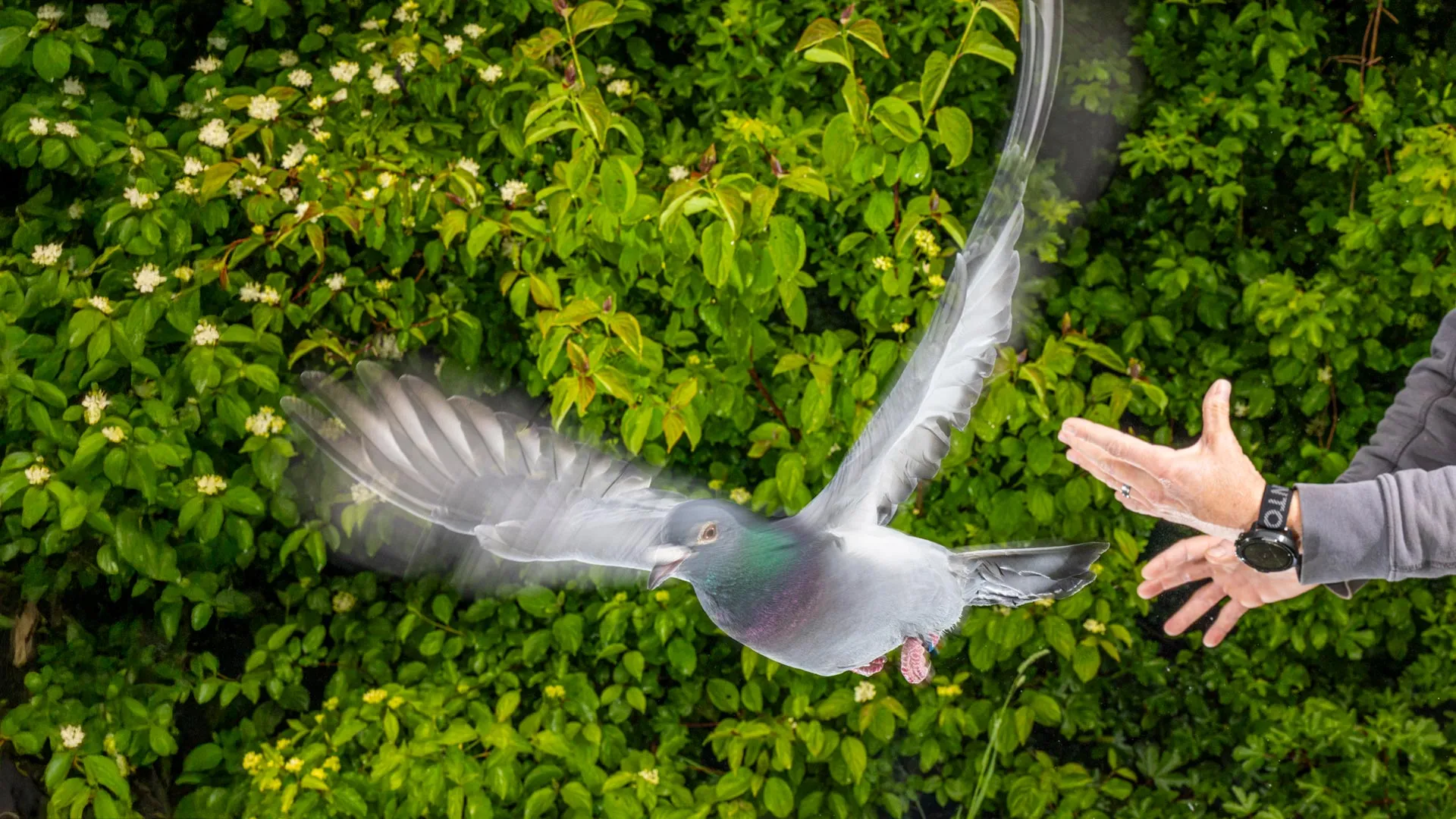
For centuries, the uncanny ability of homing pigeons and migratory birds to traverse hundreds—sometimes thousands—of miles of unfamiliar territory and arrive precisely at their home roost has captivated naturalists, physicists, and ordinary observers alike. How do these avian navigators orient themselves across vast expanses without modern instrumentation? While science has long understood that animals tap into the invisible lines of Earth’s geomagnetic field, the physiological mechanism responsible for detecting these subtle magnetic forces has remained one of the most stubborn enigmas in modern biology.
Now, groundbreaking research published in the prestigious journal Science upends conventional wisdom, pointing to a startlingly unexpected location: the liver.
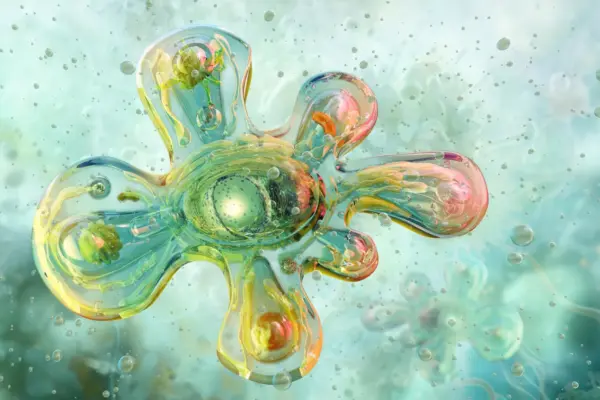
According to an international team of researchers spanning immunology, physics, and animal behavior, pigeons may rely on specialized immune cells housed within their livers to act as a biological compass. These cells, known as macrophages, accumulate iron as they break down aged red blood cells. This natural iron accumulation bestows the cells with unique superparamagnetic properties, rendering them exquisitely sensitive to the planet’s magnetic field.
When researchers experimentally depleted these specific macrophages, the pigeons experienced a profound disruption in their navigation abilities—though critically, only when other environmental cues, such as the sun, were obscured. This multidisciplinary study not only bridges long-standing gaps between the fields of immunology and neurobiology, but it also fundamentally alters our understanding of how living organisms interact with physical forces. By revealing that the immune system plays a direct role in sensory perception, the findings open a compelling new chapter in the study of animal navigation, with potential implications stretching far beyond the avian world.
Detailed Chronology: The Pursuit of the Avian Magnetic Sense
To appreciate the significance of the recent discovery, one must trace the winding historical path of magnetoreception research. For decades, the scientific community pursued various hypotheses to explain how birds perceive Earth’s magnetic pull, a force millions of times weaker than a standard refrigerator magnet.
The Long Search for the Elusive Compass
Historically, researchers proposed two primary mechanisms to account for avian magnetoreception:
- Light-Dependent Radical Pair Mechanisms: This theory posited that specialized molecules in the eyes—specifically cryptochromes—underwent chemical changes when struck by light in the presence of a magnetic field, effectively allowing birds to "see" magnetic fields as patterns of light and shadow.
- Magnetite-Based Mechanical Receptors: Alternatively, scientists suspected that tiny, naturally occurring crystals of iron oxide (magnetite) embedded in bodily tissues—frequently hypothesized to reside within the upper beak—acted as tiny compass needles, physically pulling on nerve endings to signal directional changes.
Despite decades of intensive investigation, neither theory yielded definitive, universally accepted experimental confirmation. The beak-magnetite hypothesis faced reproducibility challenges, and while light-dependent models gained theoretical traction, they could not fully account for how birds navigate under overcast skies or inside total darkness.
A Multidisciplinary Pivot: Shifting Focus to Metabolism
Recognizing the limitations of previous models, a collaborative team of researchers from the University of Bonn, the University Hospital Bonn, the University of Duisburg-Essen, and the Max Planck Institute of Animal Behavior (MPI-AB) decided to look elsewhere. They combined techniques from disparate scientific domains, merging immunological tracking with advanced physical magnetometry.
Instead of restricting their search exclusively to the eyes and beak, the research team widened their net to examine metabolic organs known to process large quantities of iron. The liver and spleen immediately drew suspicion. Because these organs are responsible for recycling old red blood cells—a process that liberates massive amounts of iron from hemoglobin—they naturally accumulate dense deposits of the metal.
Using cutting-edge analytical techniques, including vibrating sample magnetometry and magnetic cell separation, the team measured the magnetic responses of various tissues. The results were remarkably clear: among all organs analyzed, the liver exhibited by far the highest concentration of iron and produced the most potent magnetic signature. Further cellular isolation pinpointed the exact source of this magnetism—liver-resident macrophages.
The Behavioral Tests: Proving the Connection
With the physical locus identified, the researchers sought to test whether these iron-rich immune cells actively participated in navigation. At the MPI-AB facility in Konstanz, Germany, homing pigeons were trained to return to their home aviaries from release sites more than twenty kilometers away.
Scientists selectively manipulated or removed the liver macrophages in experimental cohorts and tracked their homing performance under varying weather conditions. The results provided crucial behavioral validation:
- On Overcast Days: When cloud cover blocked the sun—preventing the birds from using solar compass cues—pigeons lacking these macrophages suffered severe navigational deficits, spinning off-course and struggling to find their way home.
- On Sunny Days: Conversely, when the sun was visible, the macrophage-depleted pigeons successfully navigated back to their lofts, likely substituting solar navigation for their compromised magnetic sense.
These controlled experiments confirmed that the liver-based magnetic system operates in concert with other environmental cues, serving as a reliable backup or primary compass when visual aids are unavailable.
Supporting Context & Metrics
Understanding the mechanics of this newly discovered magnetic sense requires looking closely at the biophysics and cellular architecture involved. The transformation of ordinary immune cells into sophisticated magnetic sensors relies on precise physical and chemical processes.
Superparamagnetism in Biological Tissues
The secret to the liver macrophages’ magnetic sensitivity lies in the structural state of the iron they accumulate. When macrophages phagocytize (engulf and digest) old red blood cells, they process the liberated iron and store it in protein cages known as ferritin, or aggregate it into iron oxide nanoparticles (such as magnetite or maghemite).
According to physical analyses conducted during the study, these iron oxide nanoparticles crystallize within the cells in such a way that they become superparamagnetic. Unlike permanent magnets, superparamagnetic nanoparticles do not retain a fixed magnetization when an external magnetic field is removed. However, in the presence of an external magnetic field—such as the Earth’s geomagnetic field—they align instantly and powerfully with the field lines, generating a localized physical or chemical signal without clumping together permanently.
Anatomical Proximity: From Liver to Brain
A physical compass inside the liver is useless unless the information it gathers can reach the central nervous system. To solve this physiological puzzle, the researchers employed high-resolution electron microscopy to examine the micro-environment surrounding the iron-rich macrophages.
The imaging revealed a striking structural arrangement: these magnetic macrophages do not float isolated within the liver tissue; rather, they sit in intimate physical contact with peripheral nerve fibers. This close spatial association provides a plausible, direct neural pathway. As the macrophages experience mechanical or biochemical shifts in response to Earth’s magnetic field, they can immediately stimulate adjacent nerve endings. These signals are then transmitted via the nervous system up to the brain, providing real-time directional feedback during flight.
Official Statements and Expert Perspectives
The publication of these findings has sent ripples through the scientific community, prompting commentary from the study’s primary architects regarding the paradigm-shifting nature of their work.
Prof. Christian Kurts, Director at the Institute of Molecular Medicine and Experimental Immunology at the University Hospital Bonn and co-senior author of the study, expressed astonishment at the intersection of immunology and sensory biology:
"We didn’t expect immune cells to act like sensors for magnetic fields at all. Our results reveal a previously unknown mechanism for magnetic perception in animals."
Highlighting the profound shift from metaphorical expressions to hard physiological reality, Prof. Martin Wikelski, Director at the Max Planck Institute of Animal Behavior and co-senior author, noted:
"What looks like a ‘gut feeling’ in bird navigation may actually have a physical basis. Animal navigation is one of the most fascinating phenomena in nature. If immune cells are part of how birds sense direction, it would fundamentally change how we understand navigation."
Dr. Clivia Lisowski, lead author of the immunological work from the University of Bonn and University Hospital Bonn, emphasized the path of discovery:
"We had some clues that the liver and spleen have magnetic properties, because they break down red blood cells and so store much iron in the body. These findings provide the first concrete evidence of how the Earth’s magnetic field can be perceived within the body and passed on to the brain to guide movement."
Weighing in on the physical characteristics of the tissue, Prof. Ulf Wiedwald of the University of Duisburg-Essen detailed the material science behind the cellular response:
"Iron is crystallized in oxide nanoparticles making the cells superparamagnetic and reactive to magnetic fields. We found by far the strongest magnetic response in liver tissue."
Future Outlook & Broader Implications
While this study successfully bridges a decades-old gap in avian biology, it simultaneously opens up a vast frontier of unresolved questions and expansive research opportunities.
Unanswered Physiological Questions
The immediate task for neurobiologists and immunologists is mapping the precise signaling cascade that occurs between the macrophage and the adjacent nerve fiber. Researchers must determine whether the magnetic alignment causes mechanical pressure, biochemical neurotransmitter release, or electrical changes that trigger the sensory nerve. Furthermore, neuroscientists need to trace how the avian brain processes these incoming signals to construct a spatial map.
Beyond Pigeons: A Universal Biological Mechanism?
Perhaps the most exciting horizon for this research lies in its potential universality across the animal kingdom. Many species renowned for long-distance navigation—including sea turtles, whales, and migratory fish—must also orient themselves without the aid of visual landmarks, often operating in deep water or under perpetual darkness.
Furthermore, marine predators like sharks possess legendary electrosensory and magnetic orientation abilities that function independently of light-sensitive cryptochromes. The discovery that standard immune cells can serve as magnetoreceptors raises the tantalizing possibility that similar iron-storing macrophages play a sensory role in diverse species across evolutionary lines.
Even more speculatively, scientists are beginning to ponder whether vestigial or active magnetic sensitivities might exist in humans. While human navigation relies overwhelmingly on cultural tools, maps, and conscious environmental observation, our bodies share fundamental iron-metabolism pathways with avian species.
Ultimately, this study serves as a humbling reminder of nature’s ingenuity. By repurposing common cellular machinery—immune cells dedicated to waste management and iron recycling—evolution fashioned a sophisticated navigational instrument. As researchers continue to unpack the cross-talk between the immune system and the nervous system, our appreciation of how living creatures read the invisible forces of our planet will never be the same.