









Executive Overview
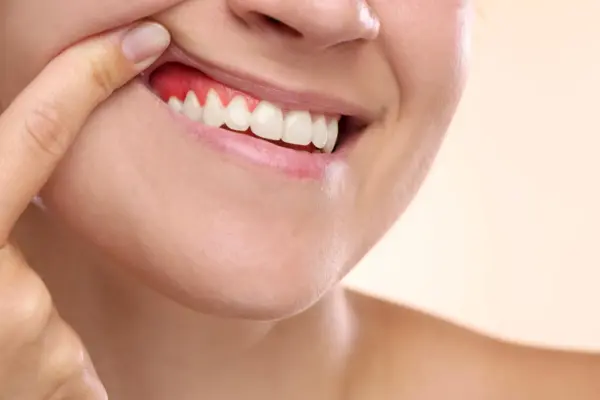
In the ongoing quest to optimize human health through lifestyle interventions, the connection between dietary habits and oral hygiene has historically received secondary attention. Traditional periodontal care has long been anchored in mechanical plaque removal, meticulous daily brushing, flossing, and professional dental cleanings. However, a landmark study conducted by researchers at King’s College London is poised to shift this clinical paradigm. Published in the prestigious Journal of Clinical Periodontology (JCP) and funded by a Medical Research Council-Impact Accelerator Account (MRC-IAA) grant, the new research reveals that short-term, low-calorie diets—commonly known as fasting-mimicking diets—can significantly lower the levels of inflammation associated with severe gum disease.
Periodontitis, the advanced and destructive form of gum disease, affects hundreds of millions of people globally, causing tissue degradation, tooth loss, and a cascading series of systemic health complications. For decades, the medical and dental communities have recognized a strong epidemiological link between chronic periodontal inflammation and systemic conditions such as cardiovascular disease and diabetes. Yet, therapeutic approaches remained largely bifurcated, treating oral health independently from systemic metabolic health.
This latest investigation bridges that divide. By demonstrating that periodic caloric restriction can tangibly reduce inflammatory biomarkers within both the bloodstream and the delicate gingival tissues surrounding the teeth, the King’s College London team provides compelling evidence that lifestyle modifications can serve as a powerful adjunct to traditional dental treatments. While the findings represent a major leap forward in preventive and holistic medicine, researchers emphasize that dietary interventions will need to be carefully tailored—and potentially adapted—for vulnerable populations, marking the dawn of a new era in integrative periodontal care.
Detailed Chronology: Unfolding the Clinical Trial
To explore the hypothesis that systemic metabolic changes induced by fasting could positively influence oral health, researchers designed a rigorous clinical trial involving human participants. The chronological rollout of the study provides crucial context into how dietary protocols were administered, monitored, and evaluated over a significant operational timeline.
Phase 1: Recruitment and Cohort Establishment
The study commenced with the recruitment of 28 clinical participants sourced from various hospitals across Spain. These individuals presented with diagnosed periodontal concerns, providing a representative baseline of moderate-to-advanced gum disease. Upon enrollment, the cohort was systematically divided into two distinct parallel groups:
- The Control Group: Participants in this cohort maintained their standard dietary habits without any caloric or nutritional modifications throughout the duration of the study.
- The Intervention Group: Participants in this cohort were introduced to a structured, intermittent low-calorie, fasting-mimicking diet regimen, designed to be integrated into their normal routines over a prolonged period.
Phase 2: The Fasting Protocol Execution
The mechanics of the dietary intervention were carefully structured to induce mild caloric restriction without compromising overall nutritional safety or causing undue lifestyle disruption. Participants in the fasting group followed a precise multi-day cycle:
- Days 1 and 2: Caloric intake was restricted to 1,100 calories per day.
- Days 3 through 5: Caloric intake was further reduced to 750 calories per day.
- Day 6: A transitional phase where calories were gradually reintroduced using soft foods to ease the digestive and metabolic systems.
- Day 7: Return to normal dietary patterns.
This specialized multi-day dietary cycle was not a one-off event. To assess sustained impacts, participants repeated this exact routine three distinct times over a comprehensive six-month period. Notably, despite the rigorous nature of intermittent caloric reduction, participants reported that the diet was surprisingly manageable and relatively easy to incorporate into their daily lives.
Phase 3: Sample Collection and Analytical Evaluation
At the conclusion of the six-month trial period, the research team conducted comprehensive biological sampling to evaluate the physiological impact of the intervention. Researchers gathered and analyzed two primary biological mediums:
- Blood Samples: Collected to measure systemic inflammatory biomarkers, including C-reactive protein (CRP), a well-established clinical indicator of widespread inflammation throughout the body.
- Gingival Crevicular Fluid (GCF): A specialized fluid found within the minute anatomical space between the tooth and the surrounding gum tissue. GCF acts as a frontline defense mechanism, containing biochemical markers that protect the gums and combat harmful microbial invaders.
Upon laboratory analysis, the results were unequivocal. Participants who completed the fasting program exhibited markedly lower levels of inflammation-related markers in both their blood circulation and their gingival crevicular fluid compared to the control group. Furthermore, systemic levels of C-reactive protein dropped significantly, alongside targeted reductions in specific pro-inflammatory molecules localized directly within the gum tissues.
Supporting Context & Metrics: The Biological Mechanisms and Broader Health Implications
To fully appreciate the significance of the King’s College London findings, one must examine the broader epidemiological and biochemical landscape connecting diet, inflammation, and oral pathology.
The Heavy Toll of Periodontitis
Periodontitis is far more than a localized dental annoyance. It is a chronic inflammatory condition characterized by the destruction of the periodontal ligament, alveolar bone resorption, and pocket formation around the teeth. Globally, severe periodontitis is among the most prevalent human inflammatory diseases. More concerning, however, is its bidirectional relationship with systemic pathology. Extensive medical literature has established that chronic oral inflammation exacerbates—and is exacerbated by—systemic diseases, most notably:
- Cardiovascular Disease: Chronic systemic inflammation promotes endothelial dysfunction and atherosclerosis. Inflammatory mediators originating in the oral cavity can enter the bloodstream, contributing to plaque buildup in arterial walls.
- Diabetes Mellitus: A well-documented feedback loop exists where poor glycemic control worsens periodontal disease, while severe periodontal inflammation concurrently impairs insulin sensitivity and glucose regulation.
Dissecting the Biochemical Drivers: Why Fasting Helps
The mechanisms through which intermittent caloric restriction improves oral health are multifaceted. According to senior author Professor Luigi Nibali, several interconnected physiological pathways are likely at play:
- Reduction of Oxidative Stress:
Cellular metabolism naturally generates reactive oxygen species. Excessive consumption of high-calorie foods and refined carbohydrates—such as commercial cakes, biscuits, and sugary beverages—triggers spikes in oxidative stress. This oxidative burden damages cellular structures, proteins, and DNA, fueling systemic and local inflammation. By curbing caloric intake and eliminating processed sugars, fasting reduces the overall oxidative burden on the body. - Mitigation of Inflammatory Diets:
The modern Western diet is heavily saturated with pro-inflammatory macronutrients. Periodic fasting structurally forces a break from these dietary components, allowing the body’s immune system to downregulate chronic inflammatory responses. - Microbiome Modulation:
Emerging theories suggest that short-term fasting may positively influence the human microbiome—the complex ecosystem of bacteria residing within the gut and oral cavity. While research into the specific shifts of the oral microbiome during fasting is still in its infancy, scientists hypothesize that dietary restriction may help suppress pathogenic bacterial strains while fostering a more resilient, health-promoting microbial community.
Building Upon Institutional Precedent
This study does not stand in isolation; rather, it represents the latest milestone in an ongoing body of work at King’s College London dedicated to unravelling the intricate connections between oral hygiene and systemic wellness.
Last year, researchers at the same institution made headlines by discovering that adherence to a traditional Mediterranean diet—rich in healthy fats, antioxidants, and whole foods—can substantially reduce the severity of gum disease. Concurrently, separate studies from the university demonstrated that successful, aggressive periodontal treatment can lower a patient’s long-term risk of developing or worsening diabetes and heart disease. The new findings on short-term low-calorie diets provide an exciting new dimension to these insights, offering a structured, actionable tool for patients seeking to take control of their inflammatory profile.
Official Statements and Expert Perspectives
The publication of this study has generated substantial commentary within the international dental and medical research communities. The principal investigators have articulated both the promise of these findings and the necessary caveats moving forward.
Dr. Giuseppe Mainas, the study’s first author from King’s College London, underscored the practical implications of the research for daily clinical practice. In an official statement, Dr. Mainas noted:
"Our study suggests lifestyle modifications could be important alongside proper tooth brushing for patients. For too long, the dental profession has relied almost exclusively on mechanical interventions performed in the chair. While plaque removal and proper oral hygiene remain foundational, our findings point toward a more holistic, integrative approach to periodontal management."
Addressing the future direction of the research and the hurdles involved in clinical translation, Dr. Mainas added:
"Now we have established this relationship, we would like to do a larger study, before potentially incorporating it into standard gum disease treatment in the future. However, we must proceed with clinical caution. There may be patients where restricting foods can be dangerous—such as those managing diabetes—so the nutritional advice will need to be strictly targeted to specific patient groups. We are currently investigating how we could implement these biological benefits in high-risk groups who may not be physically able to undertake traditional fasting protocols."
Adding his perspective, Professor Luigi Nibali, senior author of the study, elaborated on the biochemical underpinnings that make this dietary intervention so uniquely effective:
"There may be multiple reasons why fasting is beneficial to gum disease patients. Fasting reduces oxidative stress in the body, a common cause of inflammation, which can damage cells and DNA. Intake of high-calorific foods and refined carbohydrates, for example in cakes and biscuits, can also cause inflammation—so restricting these foods also reduces oxidative stress in the body. It may also be that fasting has beneficial effects on the microbiome—the body’s community of bacteria that help to keep it healthy. However, further research is needed to confirm this specific relationship."
Future Outlook and Clinical Implications
As the medical and dental fields absorb the implications of the King’s College London trial, the horizon for periodontal therapy appears set for a transformative evolution. The traditional dichotomy separating dental operatories from general medical clinics is rapidly dissolving, replaced by an integrated model of patient care where dietary management and metabolic health are viewed as fundamental pillars of oral hygiene.
Toward Integrative Periodontal Protocols
The primary clinical takeaway is not that dietary restriction should replace mechanical dental care, but rather that fasting-mimicking diets could eventually be prescribed as an advanced, adjunctive tool. Dentists and periodontists of the future may work in tandem with nutritionists and endocrinologists to formulate comprehensive care packages that include professional scaling, root planing, customized oral hygiene instruction, and targeted metabolic dietary protocols.
Expanding Research and Overcoming Contraindications
Before fasting protocols can be widely recommended in routine dental clinics, several important research hurdles must be cleared:
- Large-Scale Clinical Trials: The initial study’s cohort of 28 participants, while sufficient to establish initial proof-of-concept and statistically significant biomarker shifts, must be expanded. Larger, multi-center, randomized controlled trials involving diverse demographic populations are required to validate these findings on a global scale.
- Targeted Interventions for High-Risk Groups: As Dr. Mainas highlighted, strict caloric restriction can pose significant health risks for specific populations, particularly individuals with brittle diabetes, eating disorders, pregnant individuals, or frail elderly patients. Future research must focus on identifying "fasting-mimicking" pharmacological agents or specific nutritional supplements that can trigger the same anti-inflammatory and oxidative-stress-reducing pathways without requiring actual caloric deprivation.
- Microbiome Mapping: Detailed sequencing of the oral and gut microbiomes before, during, and after caloric restriction will be essential to map out the exact microbial shifts responsible for reductions in gingival inflammation.
Conclusion
The research from King’s College London serves as a powerful reminder of the intricate interconnectedness of the human body. By demonstrating that what—and when—we eat can directly influence the health of the tissues anchoring our teeth, this study opens up exhilarating new pathways for therapeutic intervention. As science continues to bridge the gap between systemic metabolism and oral health, the path to a healthier smile may soon begin not just in the bathroom with a toothbrush, but in the kitchen with a mindful, scientifically guided approach to nutrition.