









Executive Overview
Acute lymphoblastic leukemia (ALL) stands as the most prevalent pediatric malignancy globally, yet a profound disparity persists in survival outcomes between high-income nations and resource-limited settings. While children in wealthy countries enjoy survival rates soaring between 85% and 90%, survival rates in India historically trail behind at 60% to 70%. A cornerstone of modern ALL therapy is the enzyme asparaginase (ASP), which systematically depletes circulating asparagine—an amino acid vital for the survival of malignant lymphoblasts. However, asparaginase possesses a notoriously narrow therapeutic window, coupled with steep interpatient pharmacokinetic variability.
In a pioneering effort to address these gaps, researchers at Vardhaman Mahavir Medical College and Safdarjung Hospital conducted a prospective pilot study evaluating serum asparaginase activity during induction therapy in Indian children diagnosed with high-risk B-cell ALL. Published in Frontiers in Hematology, the study reveals a critical clinical vulnerability: consistently subtherapeutic trough asparaginase activity among evaluable patients undergoing standard induction regimens. These findings underscore an urgent, unmet need for routine therapeutic drug monitoring (TDM) in low- and middle-income countries to optimize drug exposure, detect "silent inactivation," and mitigate severe treatment-related toxicities.
Detailed Chronology of the Study
The prospective observational pilot study unfolded between March and July 2024, following protocol approval from the Institutional Ethics Committee secured in August 2023.
1. Patient Enrollment and Attrition
Investigators initially screened 30 treatment-naive pediatric patients aged 1 to 12 years presenting with newly diagnosed B-cell ALL. Following standard risk stratification via the modified ICiCLe protocol, nine patients were classified as high-risk and selected for sparse pharmacokinetic sampling and real-time TDM.
The realities of managing aggressive pediatric leukemia in resource-constrained environments quickly manifested:
- Induction Attrition: Four of the nine high-risk patients failed to complete the protocol. Three tragically succumbed to induction-phase complications driven by sepsis, while one patient was transferred to an external facility.
- Evaluable Cohort: Five patients successfully completed induction therapy utilizing native Escherichia coli L-asparaginase administered intramuscularly at 10,000 IU/m² every 72 hours. This subset contributed a total of 42 serial plasma samples (approximately 8 samples per patient) for comprehensive high-resolution pharmacokinetic analysis.
2. Pharmacokinetic Findings: Troughs and Peaks
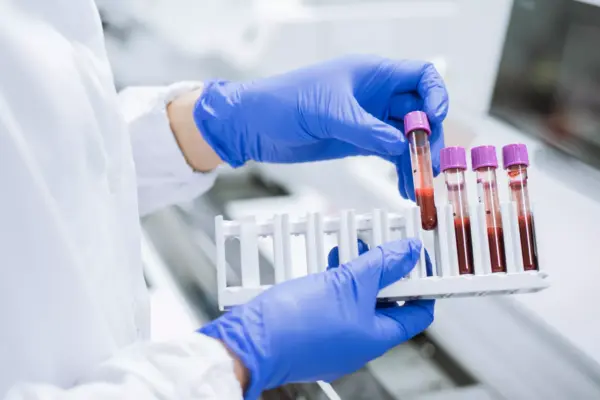
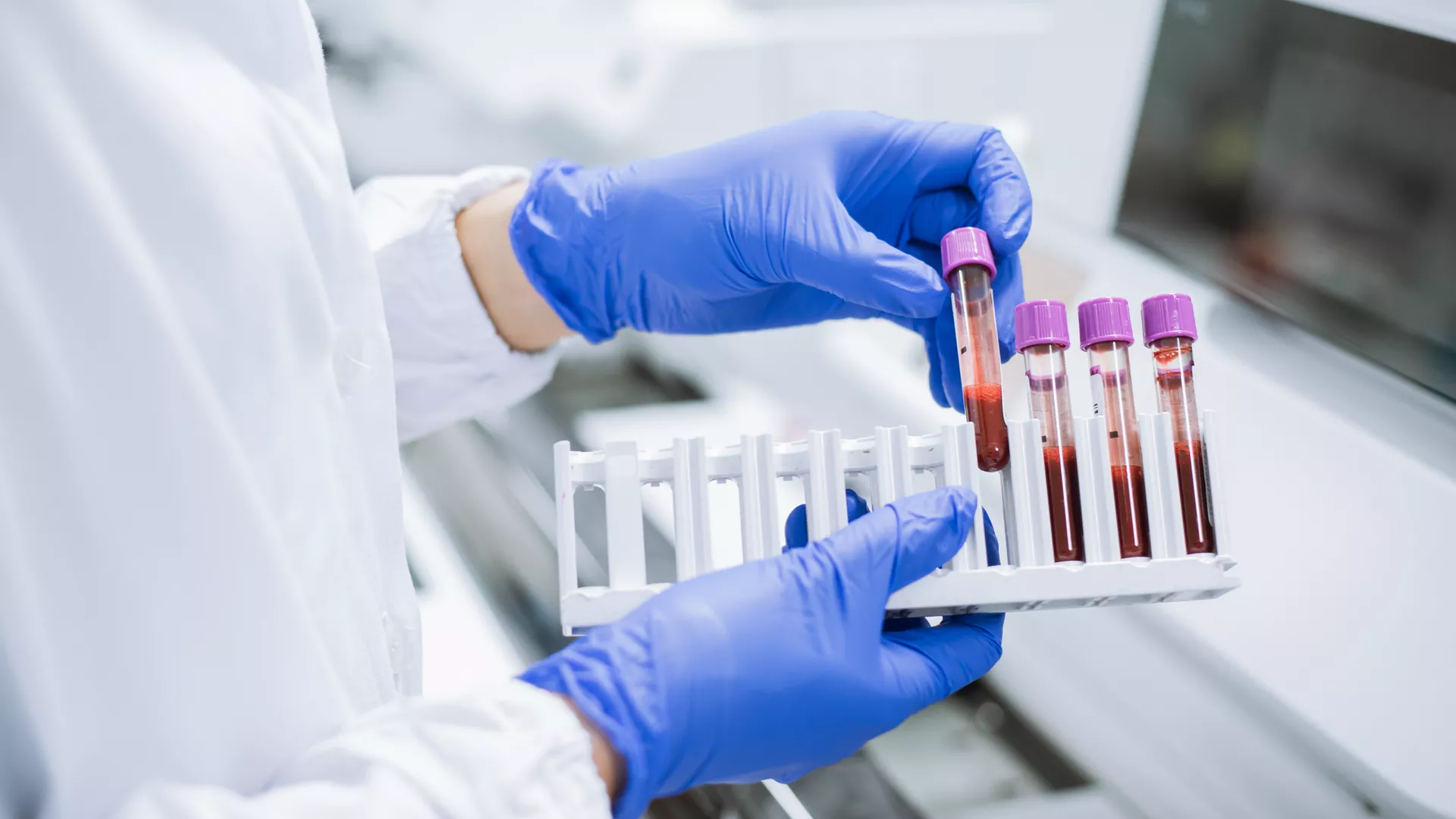
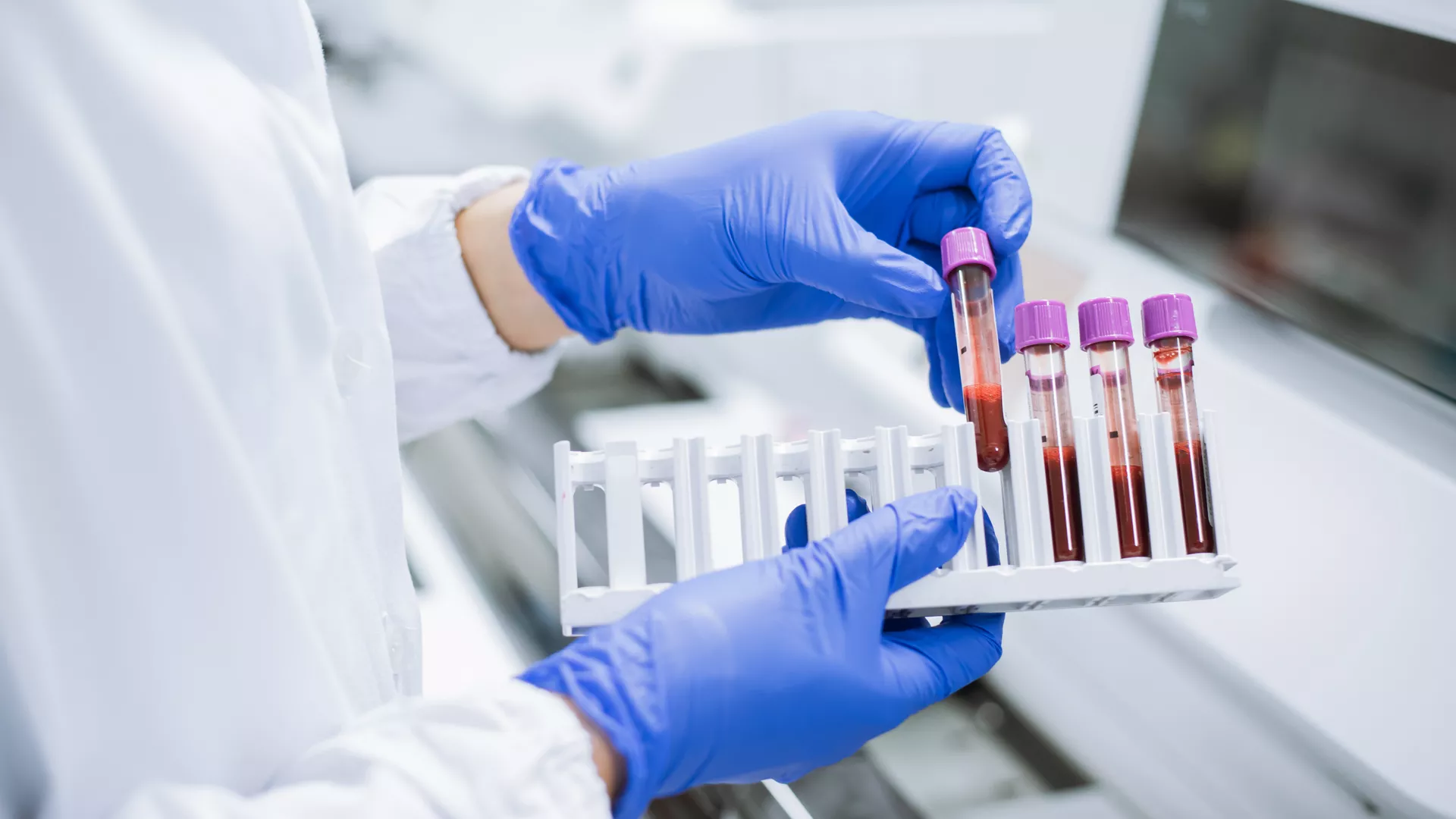
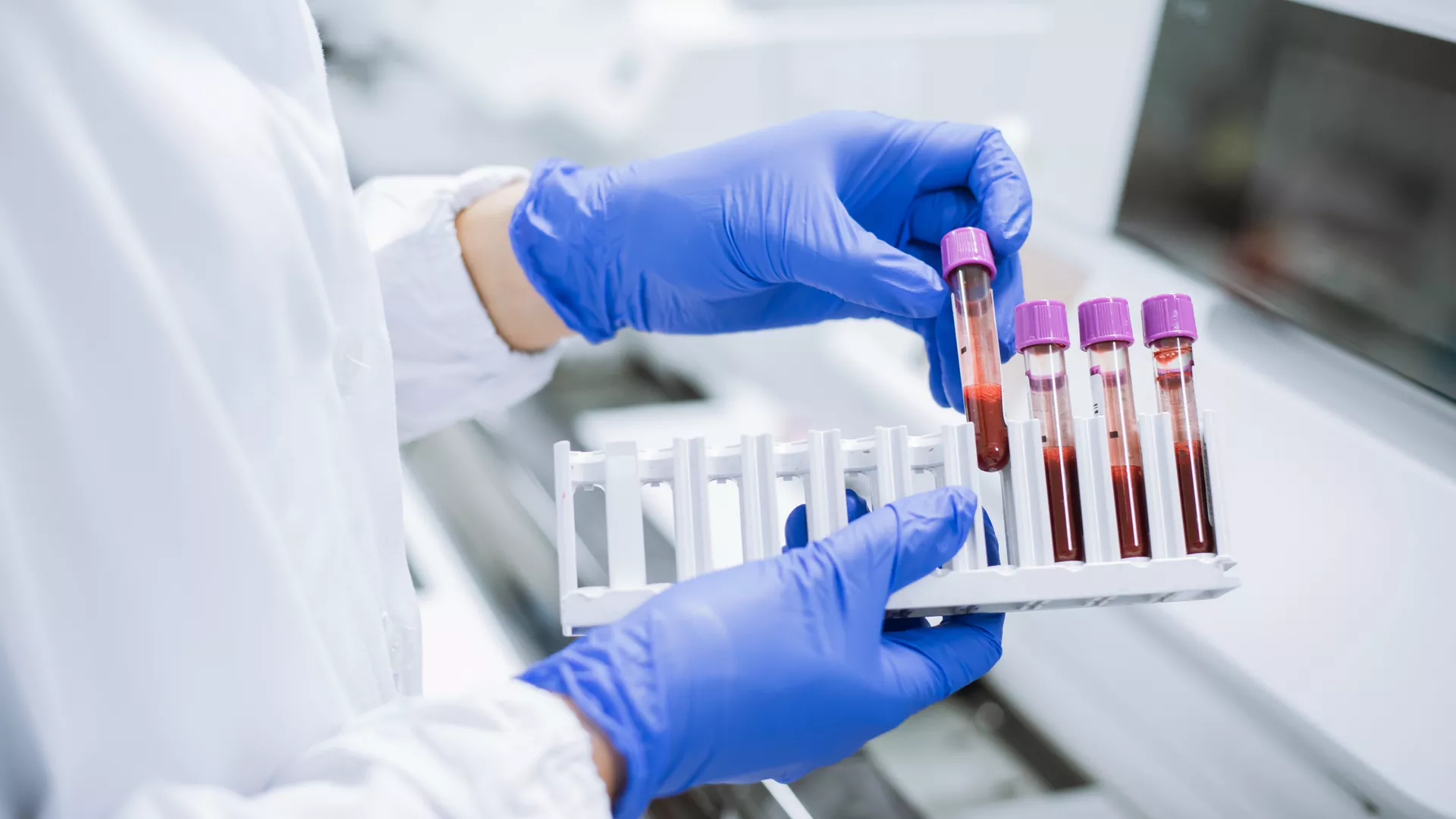
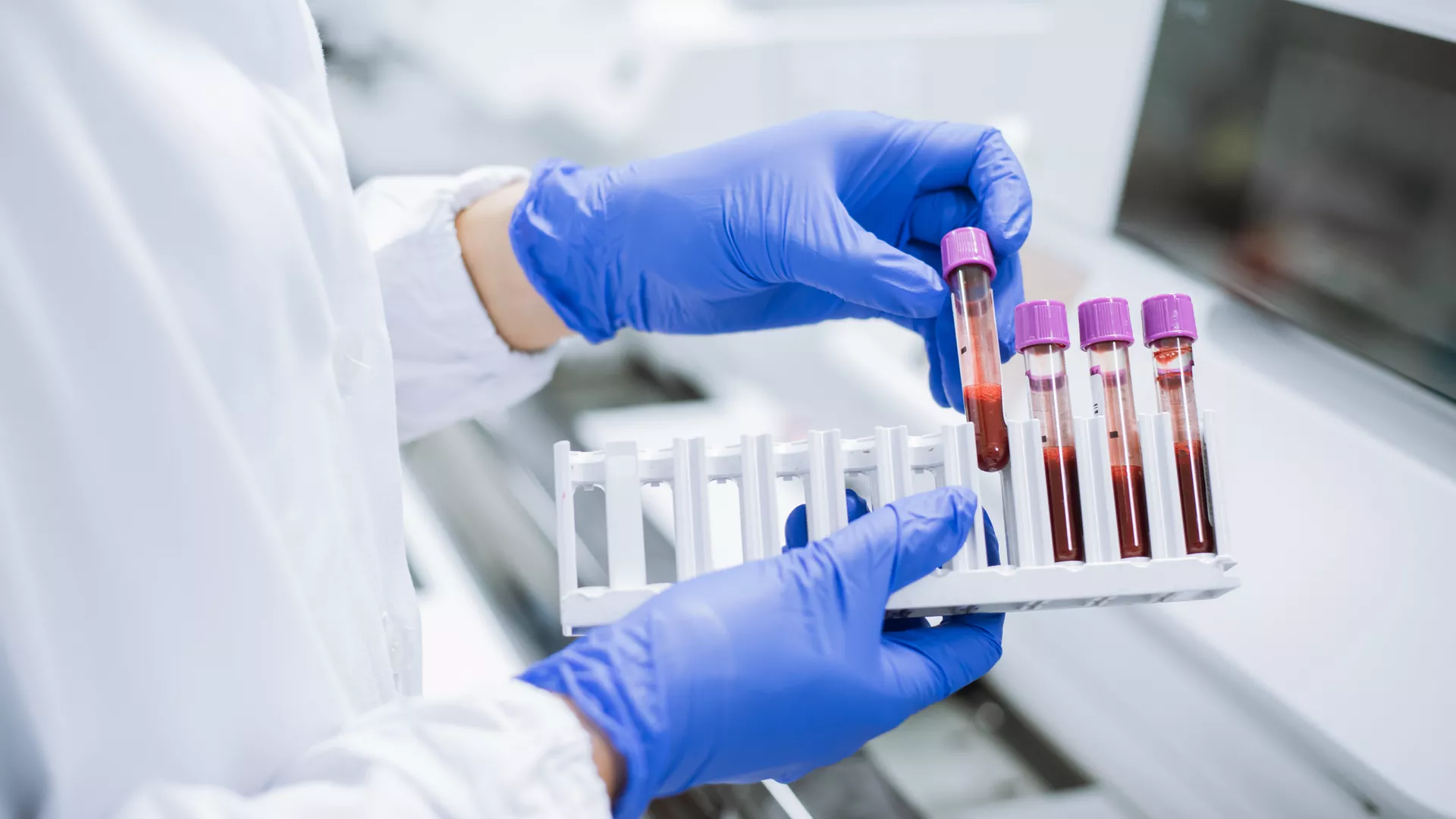
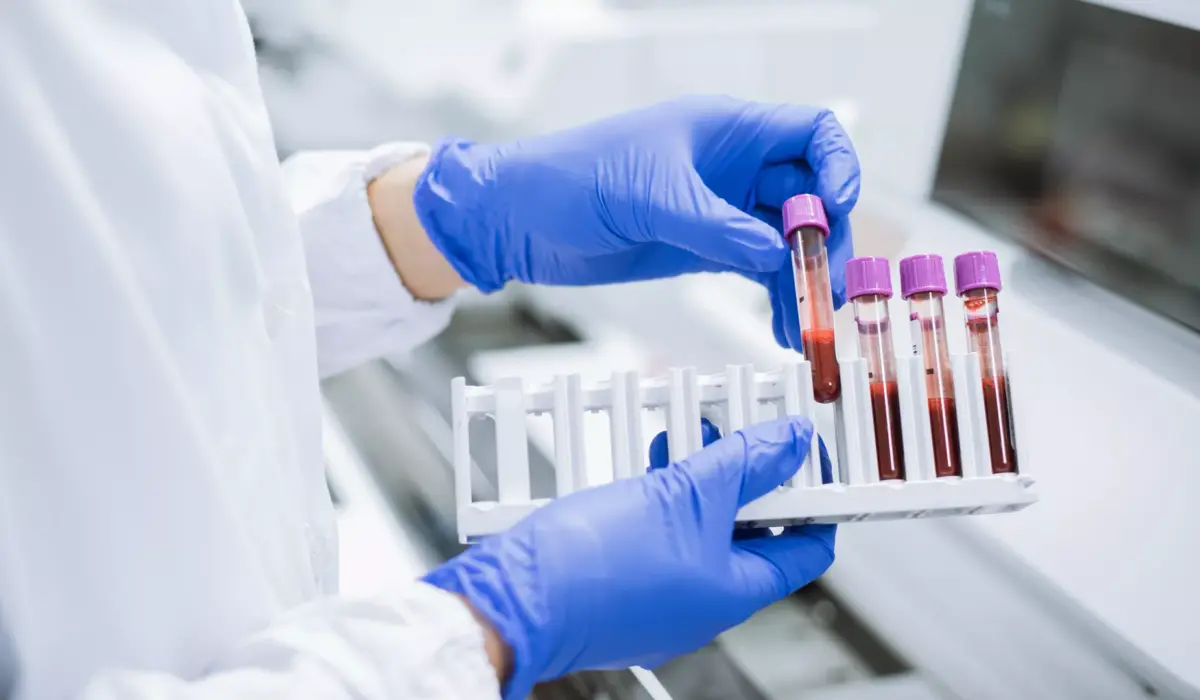
Blood plasma samples were analyzed using a standardized colorimetric assay. The results exposed a striking pharmacological profile:
- Subtherapeutic Troughs: All evaluable patients ($n = 5$) exhibited trough asparaginase activity levels falling below the institutional target threshold of $ge 0.5text IU/mL$, with measured troughs ranging from 0.43 to 0.47 IU/mL (median: 0.44 IU/mL).
- Volatile Peaks: Maximum peak enzyme activity demonstrated immense interpatient variability, ranging widely from 0.52 to 1.97 IU/mL (median: 1.15 IU/mL), with peak activity manifesting at widely divergent intervals post-treatment—anywhere from day 1 to day 21.
3. Toxicity Correlation and Metabolic Alterations
Investigators monitored multiple systemic biochemical and clinical parameters to map the correlation between enzyme activity and treatment toxicities:
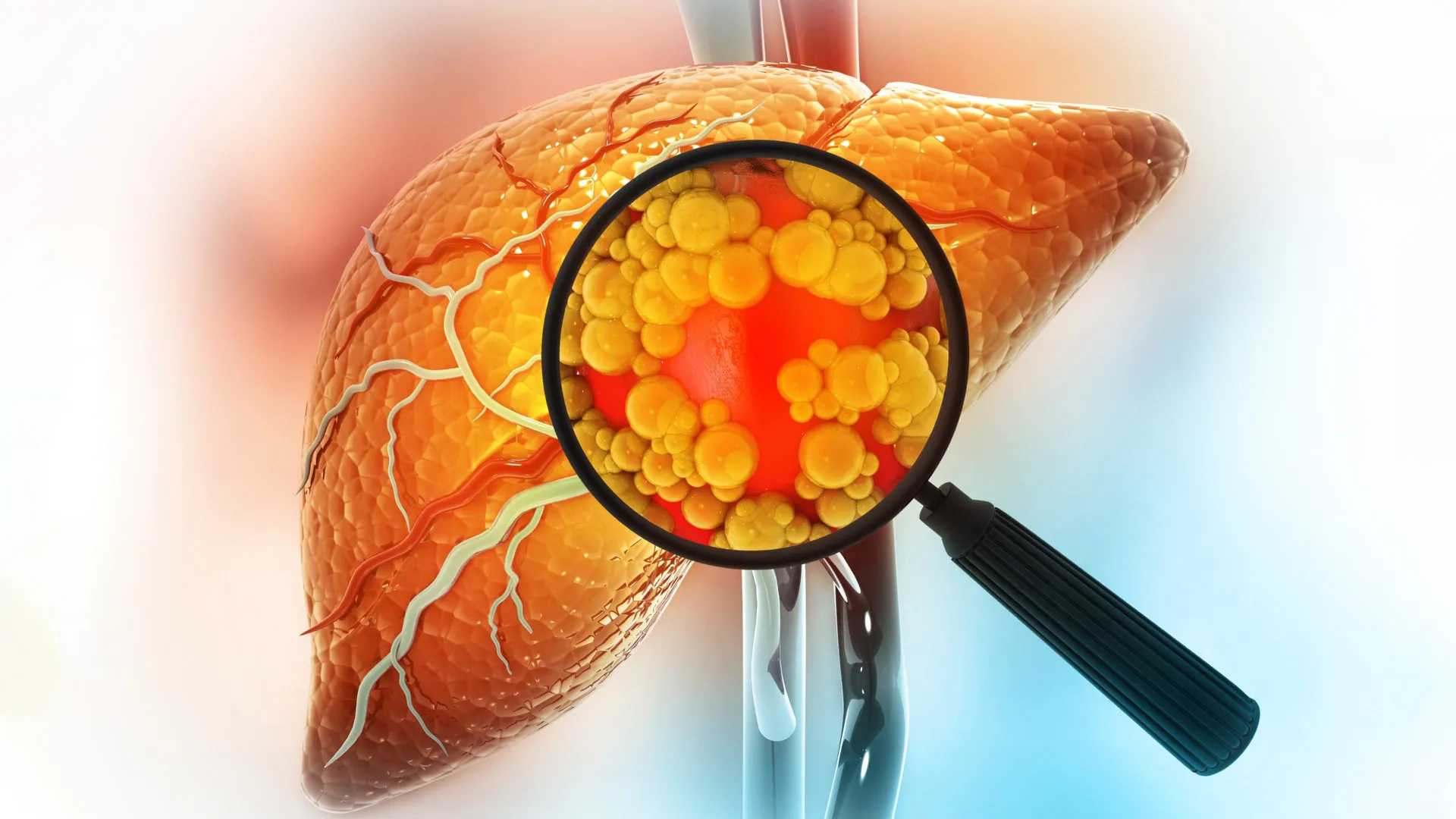
- Hepatic Strain: Universal elevations in lactate dehydrogenase (LDH) were recorded across all five patients (100%), alongside elevated liver transaminases (AST/ALT) in 80% of the cohort. Spearman’s rank correlation identified a statistically significant association between peak enzyme activity and aspartate aminotransferase (AST) elevations ($p = 0.0167$).
- Metabolic Disruption: Blood urea nitrogen (BUN) was elevated in 80% of patients, driven by a combination of corticosteroid-induced catabolism, chemotherapy-related protein turnover, and ammonia generation. Lipid profiles revealed universal hypertriglyceridemia (100%) and elevated total cholesterol/LDL in 60% of cases, accompanied by uniform hypoalbuminemia.
- Subclinical Pancreatitis: Notably, subclinical pancreatic inflammation emerged in half the cohort, with 40% demonstrating elevated serum amylase and lipase levels despite a lack of outward abdominal symptoms.
Supporting Context & Metrics
To properly contextualize these findings, it is essential to examine the pharmacological challenges of asparaginase therapy, the phenomenon of silent inactivation, and the systemic hurdles facing pediatric oncology in India.
The Pharmacological Landscape of Asparaginase
Malignant lymphoblasts lack the capacity for de novo asparagine synthesis due to deficient asparagine synthetase (ASNS) expression, rendering them entirely reliant on extracellular pools. Exogenous asparaginase starves the cancer cells by hydrolyzing circulating asparagine into aspartic acid and ammonia. However, maintaining steady therapeutic levels is exceptionally difficult.
[Native E. coli L-Asparaginase Administered (IM)]
       │
       ├─► Rapid Clearance / Interpatient Pharmacokinetic Variability
       ├─► Potential Immune-Mediated "Silent Inactivation" (Anti-ASP Antibodies)
       │
       ▼
  Subtherapeutic Trough Levels (<0.5 IU/mL)
       │
       ├─► Inadequate Asn Depletion ──► Leukemic Cell Survival / Resistance
       └─► Elevated Peak Activity    ──► Systemic Toxicity (Hepatotoxicity, Pancreatitis)
The Threat of "Silent Inactivation"
A central pillar discussed by the authors is silent inactivation—an immune-mediated phenomenon wherein a patient develops neutralizing anti-asparaginase antibodies that rapidly clear the drug without triggering overt, visible hypersensitivity reactions like hives or anaphylaxis. Because patients appear clinically asymptomatic, physicians remain unaware that therapeutic efficacy has evaporated. Undetected silent inactivation leaves patients exposed to subtherapeutic drug concentrations, sharply escalating relapse risks. Routine TDM serves as the only definitive tool to capture this silent threat.
Demographics and Regional Disparities
With an estimated annual ALL incidence of 1.5 per 100,000 children in India, systemic hurdles—including economic constraints, variable laboratory infrastructure, baseline nutritional deficits (such as protein-energy malnutrition), and infectious complications—complicate therapeutic delivery. Native E. coli asparaginase remains the primary clinical choice in resource-limited settings due to cost-effectiveness, contrasting with PEGylated variants standard in high-income regions. The study’s findings indicate that Western-derived therapeutic thresholds must be carefully re-evaluated against the backdrop of distinct regional cohort parameters.
Official Statements and Author Insights
The investigative team emphasized the paradigm-shifting potential of introducing real-time therapeutic drug monitoring into low- and middle-income country (LMIC) protocols.
"Our pilot study demonstrates consistently subtherapeutic trough asparaginase levels in a high-risk pediatric cohort, pointing directly toward inadequate drug exposure during the critical induction phase," noted the corresponding study leads. "While native E. coli formulations are economically viable in resource-limited settings, the absence of routine monitoring leaves clinicians blind to rapid clearance and silent inactivation."
The authors further highlighted that while high peak enzyme activities correlate with biochemical markers of hepatotoxicity and pancreatic stress, subtherapeutic troughs risk inducing drug resistance through tumor adaptation and microenvironmental support.
"TDM is not merely an academic exercise; it is an absolute clinical necessity," the researchers stressed. "It allows clinicians to balance the tight therapeutic window—maximizing leukemic cell eradication while intercepting dose-limiting toxicities before they culminate in fatal sepsis or organ failure."
Future Outlook and Clinical Recommendations
While the pilot study’s small sample size ($n = 5$ evaluable patients) and single-center design necessitate an exploratory, hypothesis-generating interpretation of the data, the implications for pediatric oncology are profound.
Key Takeaways for Clinical Practice:
- Implementation of TDM Frameworks: Resource-limited institutions must build infrastructural capacity for real-time serum asparaginase activity assays to identify subtherapeutic exposure windows and silent inactivation early.
- Formulation-Specific Protocols: As health systems scale up access, protocols must account for the distinct pharmacokinetic half-lives of native E. coli, PEG-asparaginase, and Erwinia-derived enzymes.
- Comprehensive Toxicity Surveillance: Because peak enzyme activity correlates strongly with acute hepatic and pancreatic markers, routine monitoring must extend beyond basic hemograms to encompass exhaustive liver function, lipid, and pancreatic profiling.
- Multicenter Validation: Large-scale, adequately powered multicenter trials across diverse geographic and socioeconomic regions in India are urgently required. These studies must establish population-specific pharmacokinetic parameters, refine minimal therapeutic thresholds, and design individualized dosing strategies to close the survival gap between high-income nations and LMICs.
Ultimately, shifting from empiric dosing to precision-guided asparaginase therapy represents a vital frontier in saving young lives and elevating pediatric leukemia survival standards across the developing world.