





Executive Overview
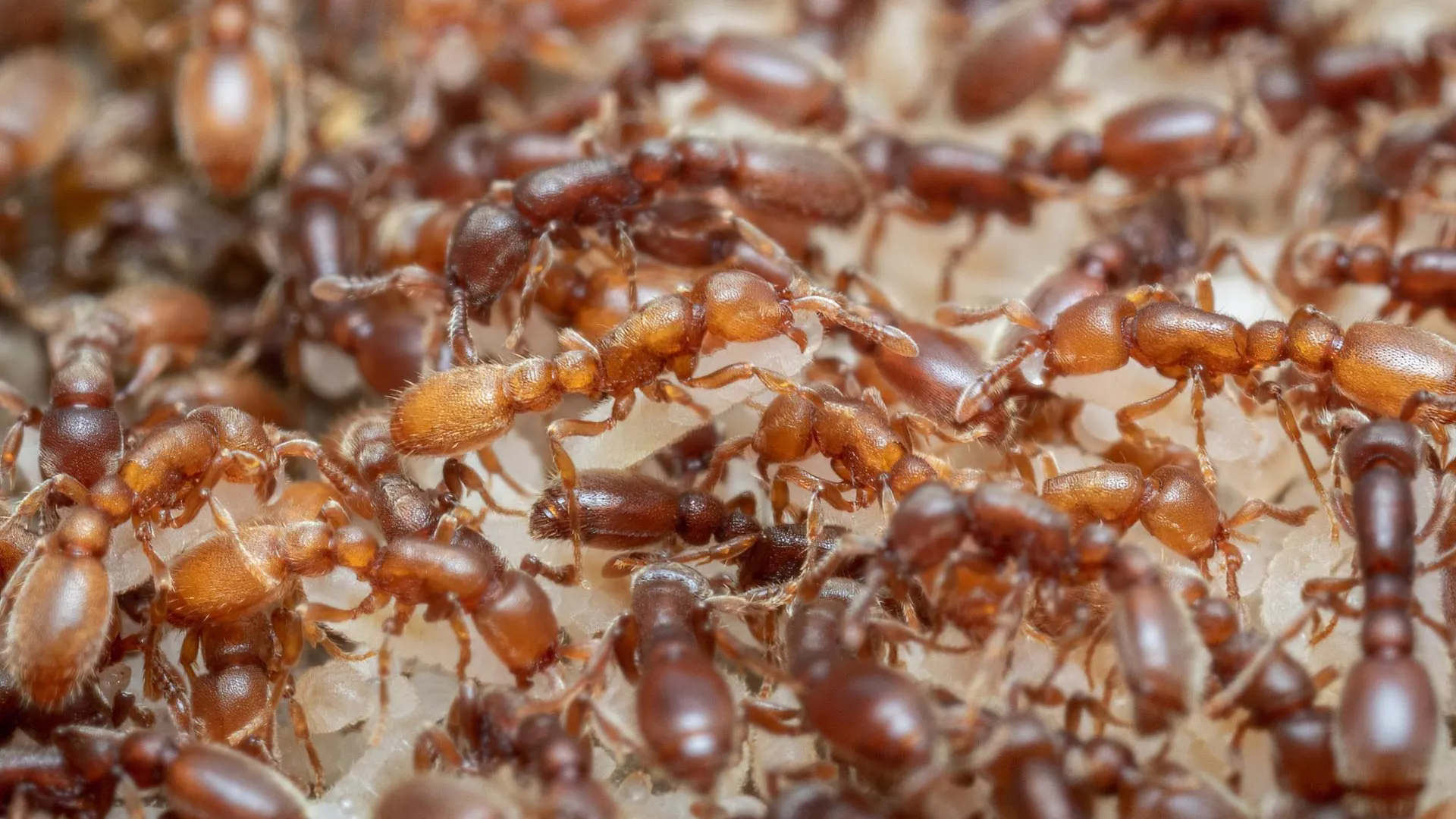
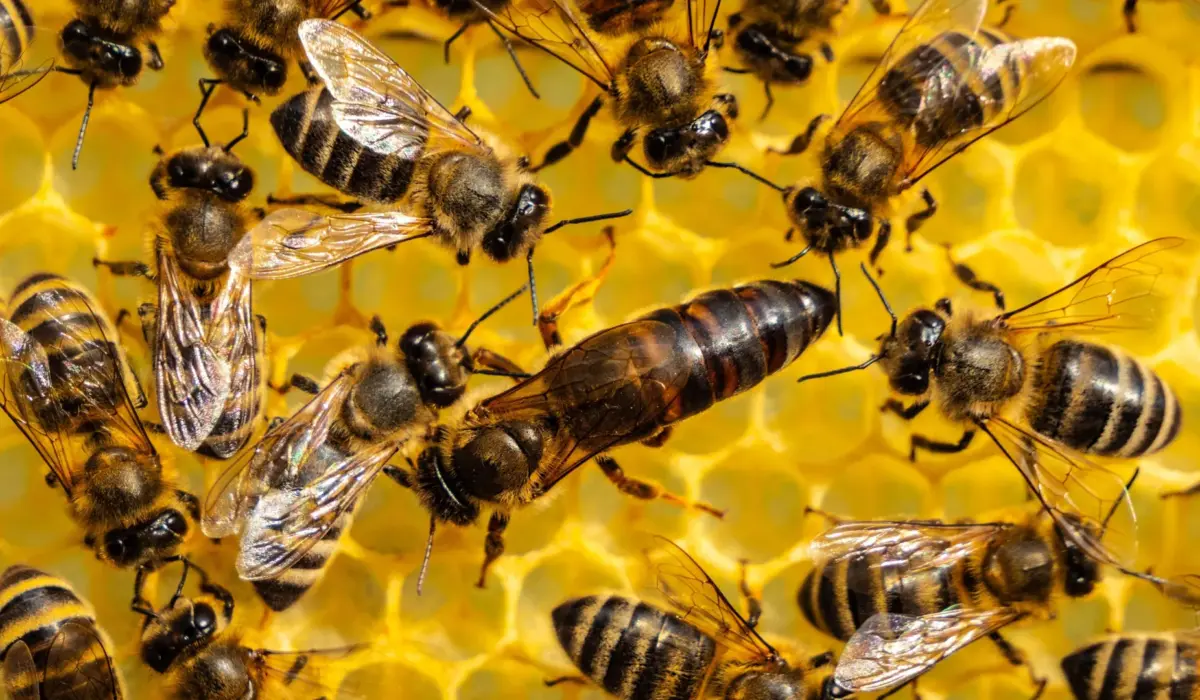
For more than six decades, evolutionary biology has relied on a foundational pillar to explain one of nature’s most dazzling cooperative phenomena: eusociality. From the bustling architecture of ant colonies to the intricate dances of honeybees and the aggressive defense mechanisms of wasps, highly organized social structures have long been attributed to a peculiar genetic quirk known as haplodiploidy. Under this system, females develop from fertilized eggs and possess two sets of chromosomes, while males emerge from unfertilized eggs with only a single set.
For generations, textbook orthodoxy held that this mathematical imbalance made sisters more closely related to one another than they would be to their own offspring, sparking an evolutionary shortcut toward altruism, sterile worker castes, and hyper-cooperative colonies.
However, a sweeping, comprehensive new study conducted by researchers at Arizona State University (ASU) and published in the journal Current Biology threatens to dismantle this textbook certainty. Analyzing data drawn from nearly 69,000 insect species mapped across some of the most expansive family trees ever constructed, the ASU research team reveals that the grand genetic rule linking haplodiploidy to eusociality is essentially an illusion.
While the statistical signal initially appears robust, the researchers discovered that nearly all of it originates from a single, highly specialized evolutionary lineage: the aculeate Hymenoptera, which includes stinging wasps, ants, and bees. Once this specific group is accounted for, haplodiploidy ceases to predict the emergence of eusociality across the broader insect world.
Instead of chromosomes dictating the destiny of social behavior, scientists must now look toward a complex tapestry of environmental pressures, life-history traits, and lineage-specific innovations—such as stingers and specialized nesting behaviors—to explain why certain insects build empires while others remain solitary.
Detailed Chronology: Decades of Debate and the Path to a Paradigm Shift
To understand the magnitude of the ASU study, one must trace a timeline that spans over half a century of evolutionary thought, theoretical modeling, and empirical blind spots.
The 1960s–1970s: The Rise of Kin Selection and Haplodiploidy
The intellectual journey began in the mid-20th century during the formative years of sociobiology and modern evolutionary theory. In 1964, visionary evolutionary biologist W.D. Hamilton published his groundbreaking papers on inclusive fitness theory, introducing the mathematical framework for kin selection. Hamilton pointed out a striking mathematical anomaly inherent to the Hymenoptera order: because males are haploid (having only maternal chromosomes) and females are diploid, full sisters share roughly 75% of their genes with one another, but only 50% with their potential offspring.
This asymmetry, known as the "Hymenoptera hypothesis," suggested that a female insect could propagate more of her genetic material into the next generation by helping her mother raise reproductive sisters rather than investing energy in her own progeny. The theory captured the imagination of the scientific community. It offered a neat, elegant, and mathematically seductive explanation for why eusociality—characterized by overlapping generations, cooperative brood care, and a strict reproductive division of labor between queens and workers—evolved repeatedly in ants, bees, and wasps, yet remained vanishingly rare across the rest of the animal kingdom.
The Late 20th Century: Textbook Entrenchment
Over the subsequent decades, Hamilton’s hypothesis graduated from a theoretical model to established textbook dogma. Evolutionary biology curricula worldwide taught haplodiploidy as the primary engine driving the evolution of advanced insect societies. Yet, despite its widespread acceptance, a glaring methodological gap persisted: formal, large-scale comparative tests across a broad taxonomic spectrum of insects were remarkably rare. Scientists debated the nuances of the theory through mathematical models and localized field studies, but testing the hypothesis across the entire breadth of insect biodiversity remained a logistical hurdle too vast for contemporary computing power and phylogenetic databases.
The 2020s: The Computational Breakthrough
Enter Sachin Suresh, a PhD student in the School of Life Sciences at Arizona State University, and senior author Timothy Linksvayer. Recognizing that decades of theoretical discourse lacked comprehensive empirical validation, the ASU researchers set out to test the 60-year-old hypothesis using modern computational power and massive phylogenetic datasets.
Assembling behavioral and genetic records for tens of thousands of species, Suresh and Linksvayer mapped these traits onto two of the largest, most detailed species-level insect family trees ever compiled. By employing sophisticated phylogenetic comparative methods, the researchers were able to look backward through evolutionary time, estimating the true frequencies with which eusociality emerged across lineages with divergent chromosomal inheritance systems.
The Breakthrough Reveal
At first glance, initial runs of the data seemed to corroborate decades of conventional wisdom. When viewed broadly, eusociality did appear to evolve more frequently among haplodiploid lineages than among their diploid counterparts.
However, as Suresh and Linksvayer dug deeper into the data, peeling back the phylogenetic layers, a profoundly different picture emerged. The statistical signal was not a universal biological law echoing across diverse branches of the tree of life. Instead, it was being driven almost entirely by one specific, highly successful branch: the aculeate Hymenoptera.
When the researchers isolated the data and controlled for the unique evolutionary history of this single lineage, the correlation vanished. Haplodiploid insects outside the aculeate group developed eusociality at rates indistinguishable from those observed in diploid species. The foundation of a 60-year-old evolutionary dogma had officially cracked.
Supporting Context & Metrics: Unpacking the Scale of the Study
The credibility of the ASU study rests upon an unprecedented accumulation of biological data. To fully grasp why this research shifts the paradigm, it is essential to examine the underlying numbers and biological frameworks.
The Scope of the Dataset
- Total Species Analyzed: Nearly 69,000 insect species were encompassed in the comparative framework, representing a massive cross-section of global insect diversity.
- Taxonomic Breadth: The dataset spanned multiple major insect orders, contrasting the social structures of Hymenoptera (ants, bees, wasps) with diploid eusocial groups such as termites (Blattodea), thrips (Thysanoptera), aphids (Hemiptera), and select beetle species (Coleoptera).
- Timeline of the Hypothesis: 60+ years of uninterrupted reliance on the haplodiploidy hypothesis within evolutionary biology textbooks and academic discourse.
Comparative Metrics of Eusociality Across Orders
| Insect Group | Genetic System | Prevalence of Eusociality | Key Behavioral Traits |
|---|---|---|---|
| Formicidae (Ants) | Haplodiploid | 100% of species | Obligate colonies, distinct castes, complex foraging |
| Apidae / Vespidae (Bees & Wasps) | Haplodiploid | Frequent (multiple independent origins) | Brood care, stingers, nest construction |
| Termites (Isoptera / Blattodea) | Diploid | 100% of species | Wood-feeding, symbiont reliance, biparental care |
| Thrips & Aphids | Diploid | Extremely Rare | Gall-induction, defensive soldier castes |
| Certain Beetles | Diploid | Extremely Rare | Subsocial tunnel systems, fungal cultivation |
The Mechanics of Eusociality: Why Definitions Matter
To appreciate why haplodiploidy was thought to be so crucial, one must understand the stringent criteria defining eusociality. True eusocial organizations require three distinct pillars:
- Overlapping Generations: Adult offspring live long enough to share the nest with their parents and interact with younger siblings.
- Cooperative Brood Care: Individuals actively assist in feeding, protecting, and raising offspring that are not their own.
- Reproductive Division of Labor: A clear bifurcation where a subset of the population (workers/soldiers) foregoes direct reproduction to maintain the colony, leaving reproductive tasks to one or a few queens and kings.
While millions of insect species display rudimentary forms of parental care, true eusociality represents an extreme evolutionary sacrifice. For decades, researchers assumed that the genetic asymmetry of haplodiploidy provided the essential evolutionary "push" required to overcome the instinct for individual reproduction. The ASU study demonstrates that this genetic push is neither necessary nor sufficient on its own.
Official Statements and Expert Insights
The implications of the Arizona State University study extend far beyond academic semantics, challenging how evolutionary biologists conceptualize the interplay between genetics, behavior, and environment.
Reflecting on the longevity of the theory and the rarity of empirical testing, lead author Sachin Suresh remarked on the disconnect between theoretical models and large-scale data analysis:
"People have been discussing this hypothesis for about 60 years. There were many theoretical predictions, but formal comparative tests across insects have been surprisingly rare."
Addressing the ultimate takeaway from their extensive phylogenetic modeling, Suresh emphasized that the true drivers of complex insect societies lie outside the chromosomes:
"When we formally tested it, we found there is no real association between the genetic determination system and eusociality. It has more to do with environmental factors and the life-history traits of insects."
Senior author Timothy Linksvayer echoed these sentiments, noting that the study underscores the necessity of revisiting long-standing biological assumptions armed with modern computational tools and massive empirical datasets. By demonstrating that the apparent power of haplodiploidy was merely an artifact of lineage-specific clustering within the aculeate Hymenoptera, the research opens new doors for investigating the genuine catalysts of social evolution.
Independent evolutionary biologists not involved in the study have praised the research for its methodological rigor. By shifting the focus away from a single genetic silver bullet, the study encourages a more holistic, multidimensional approach to studying how nature’s most intricate societies are forged.
Future Outlook: Reimagining the Evolution of Insect Societies
With the haplodiploidy hypothesis effectively dethroned as a universal rule of social evolution, where does the field of evolutionary biology go from here?
1. Shifting Focus to Life-History Traits and Ecology
If chromosomal inheritance systems do not hold the universal secret to eusociality, researchers must pivot toward alternative biological and environmental catalysts. Attention is increasingly turning toward pre-adaptations such as:
- Stingers and Defensive Mechanisms: The aculeate Hymenoptera possess potent defensive weaponry derived from modified ovipositors (stingers). These structures may have initially evolved for subduing prey or deterring predators, but they concurrently provided a robust defense mechanism for stationary nests, making prolonged, cooperative resource defense viable.
- Complex Nesting Behaviors: Insects that construct permanent, defensible cavities or elaborate subterranean nests face high costs when abandoning a home site. This ecological constraint heavily favors offspring remaining at the natal nest to help rear subsequent broods rather than attempting to found solitary, highly vulnerable colonies elsewhere.
- Extended Maternal Care: Lineages characterized by prolonged brood provisioning and maternal protection already possess the behavioral building blocks required for cooperative care. Transitioning from maternal care to alloparental care (helping rear siblings) represents a much shorter evolutionary bridge when parental investment is already exceptionally high.
2. Embracing Multivariate Models in Sociobiology
Future research in evolutionary biology will likely move away from single-factor explanations in favor of complex, multivariate models. Eusociality is almost certainly the result of convergent evolution driven by unique combinations of ecological opportunity, predation pressure, food resource distribution, and life-history traits. By applying advanced machine learning and phylogenetic comparative methods to even larger datasets, scientists can begin to model the exact ecological cocktails that trigger the transition from solitary living to imperial cooperation.
3. Reassessing Educational Curricula
The ASU study serves as a powerful reminder of the self-correcting nature of the scientific method. For over half a century, the tidy narrative of haplodiploidy provided students with a clean, mathematically satisfying explanation for ant colonies and beehives. As this new research permeates academic literature, biology textbooks will need to update their chapters on sociobiology, steering students away from genetic determinism and toward the messy, fascinating realities of ecological and behavioral evolution.
Ultimately, the revelation that ants, bees, and wasps did not conquer the globe simply because of how they inherit their chromosomes makes their success all the more remarkable. It transforms eusociality from a pre-ordained genetic destiny into an improbable, hard-won masterpiece of evolutionary innovation.