





Executive Overview
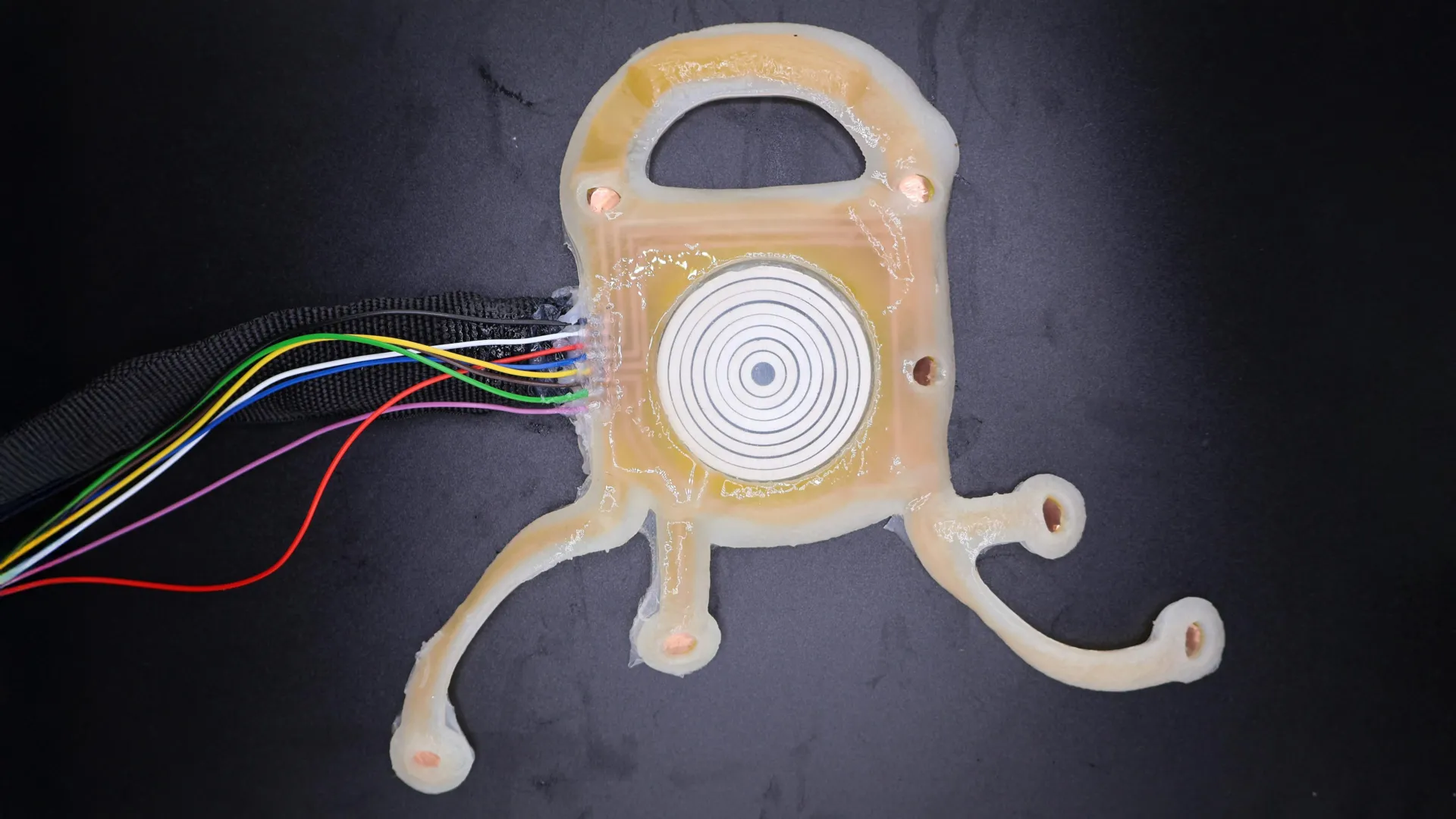
In a milestone development for sleep science and neurological medicine, a multidisciplinary team of researchers spearheaded by the University of Texas at Austin has engineered a revolutionary soft, skin-attached wearable patch capable of improving Rapid Eye Movement (REM) sleep during real-world, at-home testing. The groundbreaking device—dubbed NEUSLeeP—operates entirely without the need for pharmacological interventions, surgical procedures, or cumbersome clinical hardware. By uniquely combining gentle, targeted ultrasound stimulation with integrated electrodes that monitor real-time electroencephalographic (EEG) brain activity, NEUSLeeP successfully bridges a long-standing technological divide: the ability to non-invasively influence deep, hard-to-reach subcortical brain structures while simultaneously recording the brain’s immediate physiological responses.
Published in the prestigious journal Nature Communications, initial human clinical trials involving 28 diverse participants yielded remarkable outcomes. On average, individuals outfitted with the NEUSLeeP patch entered REM sleep 43 minutes sooner and experienced an extended REM duration averaging 16 minutes longer than their baseline measurements. These restorative enhancements were documented consistently across both healthy sleepers and individuals reporting baseline sleep disturbances.
Beyond merely accelerating and prolonging REM cycles, the device demonstrated secondary systemic benefits. Healthy participants exhibited increased heart rate variability (HRV)—a primary physiological marker of robust stress resilience and autonomic nervous system adaptability—while functional neuroimaging confirmed concurrent alterations in neural circuits intimately tied to emotional processing. Because compromised REM sleep is widely implicated in the pathophysiology of major depressive disorder, generalized anxiety, and post-traumatic stress disorder (PTSD), the invention of NEUSLeeP heralds a paradigm shift. It opens a viable, non-invasive pathway toward targeted neurotherapeutic interventions that can be seamlessly administered within the comfort of a patient’s home, potentially transforming the landscape of mental health and sleep medicine.
Detailed Chronology & Technological Genesis
The Engineering Challenge of Deep Brain Stimulation
For decades, researchers studying sleep architecture have understood the critical importance of REM sleep—the distinct physiological phase characterized by rapid eye movements, heightened brain activity, vivid dreaming, and critical emotional processing. However, manipulating REM sleep has historically presented immense technical hurdles. The neural networks governing REM sleep are located deep within the subcortical regions of the human brain, far removed from the skull’s surface.
Traditionally, targeting these deep regions required highly invasive neurosurgical procedures, such as the surgical implantation of deep brain stimulation (DBS) electrodes, or high-powered transcranial magnetic stimulation (TMS) systems restricted entirely to heavily equipped clinical laboratories. Conversely, non-invasive wearable devices available to consumers—such as commercial smartwatches and basic headband monitors—are limited to surface-level tracking (photoplethysmography and superficial EEG) and possess zero capacity to actively modulate neural circuitry.
The Conceptualization of NEUSLeeP
Recognizing this technological bottleneck, a team of biomedical engineers, neuroscientists, and psychiatrists at UT Austin set out to build a hybrid device that could act simultaneously as a precision neuromodulator and a real-time diagnostic monitor. Led by Kai Wing "Kevin" Tang, a recent biomedical engineering Ph.D. graduate, and supervised by Huiliang "Evan" Wang, assistant professor in the Cockrell School of Engineering’s Department of Biomedical Engineering, the team conceptualized a flexible, skin-compliant patch.
The engineering breakthrough relied on two converging technologies:
- Low-Intensity Transcranial Ultrasound Stimulation (TUS): Unlike electromagnetic waves, which diffuse rapidly through biological tissue and can cause unwanted superficial heating, low-intensity ultrasound can be focused with millimeter-level precision onto deep subcortical brain structures without harming intervening tissues.
- Conformal Micro-Electrodes: Flexible, biocompatible conductive materials embedded directly into the adhesive patch matrix that capture continuous electrophysiological data from the skin’s surface, allowing the device’s algorithmic core to assess the brain’s real-time sleep stage and adjust stimulation parameters dynamically.
From Prototype to Human Trials
Following rigorous benchtop testing and animal model validation, the research team transitioned to human clinical trials. Recruiting a cohort of 28 participants, the researchers deployed the NEUSLeeP patch during overnight sleep cycles. The trial was designed to evaluate not only the efficacy of the ultrasound stimulation in modulating sleep architecture but also the mechanical comfort, biocompatibility, and safety profile of a soft patch worn continuously across an eight-hour sleep window.
The results surpassed initial expectations. The patch remained securely adhered through various sleeping positions, caused no localized skin irritation or thermal discomfort, and consistently altered sleep trajectories. By closing the loop between real-time electrophysiological monitoring and targeted acoustic delivery, NEUSLeeP established itself as the world’s first closed-loop, skin-interfaced system capable of non-invasively driving deep-brain REM modulation.
Supporting Context & Metrics
Quantifying the REM Enhancement
The quantitative data gathered during the 28-participant clinical study offers a clear window into the physiological potency of the NEUSLeeP technology. Sleep architecture is notoriously delicate, easily disrupted by environmental stress, blue light, caffeine, and myriad psychological factors. Yet, the application of targeted ultrasound via the patch produced statistically significant shifts in sleep staging:
- Latency Reduction: Participants fell into REM sleep 43 minutes faster on average compared to control nights. This compression of sleep onset latency means individuals spent less time tossing and turning in light transitional stages, moving more efficiently into restorative neural states.
- Duration Extension: Once inside the REM cycle, participants maintained the state for an average of 16 minutes longer. Given that human REM cycles naturally recur in roughly 90-minute intervals throughout the night—becoming progressively longer toward morning—extending these blocks significantly boosts total nightly REM accumulation.
- Universal Efficacy: Crucially, these restorative metrics were not isolated to a subset of elite sleepers. Both healthy individuals and those exhibiting baseline sleep complaints experienced measurable improvements, pointing to the technology’s broad applicability.
+--------------------------------------------------------------------------+
|                       NEUSLeeP Clinical Metrics                          |
+------------------------------+-------------------------------------------+
| Metric                       | Observed Result                           |
+------------------------------+-------------------------------------------+
| REM Sleep Latency            | Reduced by an average of 43 minutes       |
| Total REM Duration           | Increased by an average of 16 minutes     |
| Adverse Events               | Minimal to none (high comfort profile)    |
| Biocompatibility             | Skin-safe, highly conformal adhesive      |
+------------------------------+-------------------------------------------+
Autonomic Nervous System Adaptability and Emotional Resilience
The implications of the NEUSLeeP patch extend far beyond structural sleep metrics into the realm of autonomic and emotional health. Among healthy study participants, NEUSLeeP-induced stimulation directly correlated with an increase in Heart Rate Variability (HRV).
In clinical physiology, higher HRV is universally recognized as a hallmark of a resilient autonomic nervous system, reflecting the body’s dynamic capacity to balance sympathetic ("fight or flight") and parasympathetic ("rest and digest") responses. When the body transitions smoothly through optimized REM cycles, autonomic regulation stabilizes.
Furthermore, neuroimaging conducted in conjunction with the study revealed noticeable shifts in brain circuitry associated with affective processing. Because REM sleep serves as an evolutionary mechanism for emotional resetting—effectively dampening the emotional charge of waking experiences—enhancing this phase directly bolsters psychological resilience.
Official Statements & Expert Perspectives
The breakthrough has drawn widespread acclaim from the academic and medical communities, uniting experts across biomedical engineering, psychiatry, and sleep medicine.
"This is the first time we’ve been able to noninvasively target deep brain regions involved in REM sleep, while simultaneously monitoring brain activity," stated Kai Wing "Kevin" Tang, lead researcher and recent UT biomedical engineering Ph.D. graduate. "Our skin-attached NEUSLeeP patch opens up new possibilities for understanding sleep and treating sleep disorders in home settings."
Huiliang "Evan" Wang, assistant professor in the Cockrell School of Engineering’s Department of Biomedical Engineering and the principal investigator directing the overall project, emphasized the transformative nature of the hardware platform:
"By uniting soft electronics with precise acoustic physics, we have bypassed the historical barriers that kept deep-brain neuromodulation locked inside surgical suites. This patch represents a bridge between advanced neuroscience and everyday preventative health."
Addressing the profound psychological implications of the technology, Gregory Fonzo, assistant professor in the Dell Medical School’s Department of Psychiatry and Behavioral Sciences and co-PI on the project, highlighted the intersection of sleep and mental health:
"REM sleep is not just about dreaming—it’s about emotional reset and stress adaptation. By enhancing REM, we may help people better cope with stress and improve their overall well-being. Chronic disruption of this phase sits at the very heart of numerous debilitating psychological conditions."
Vincent Mysliwiec, M.D., a professor at UT Health San Antonio, internationally recognized expert in sleep disorders, and co-PI on the project, projected forward to clinical implementation:
"Our vision is a future where patients with mental health disorders can optimize their sleep with a noninvasive and safe treatment. This technology could help millions of people get the restorative sleep they need without the adverse side effects frequently associated with long-term pharmacological interventions."
Future Outlook & Commercialization Pathway
Expanding Clinical Trials: Targeting Insomnia, Depression, and PTSD
With the foundational efficacy of the NEUSLeeP patch established in healthy cohorts and mild sleep-disturbed groups, the research consortium is actively preparing for larger, randomized controlled trials. These upcoming studies will focus on patient populations suffering from severe, treatment-resistant clinical conditions where REM dysregulation is a primary pathological driver:
- Post-Traumatic Stress Disorder (PTSD): Individuals with PTSD frequently experience fragmented REM sleep accompanied by recurrent, hyper-arousing nightmares that prevent restorative emotional processing. NEUSLeeP offers a non-pharmaceutical avenue to stabilize these disrupted nocturnal architectures.
- Major Depressive Disorder (MDD): Depressed patients commonly exhibit abnormally shortened REM latencies and excessive, unchecked REM density early in the night, contributing to chronic emotional exhaustion. Targeted modulation could help recalibrate normal circadian emotional rhythms.
- Chronic Insomnia: For millions of individuals for whom traditional cognitive behavioral therapy for insomnia (CBT-I) or sedative-hypnotic medications prove insufficient or poorly tolerated, an at-home closed-loop neuromodulation patch provides a viable alternative.
Commercialization and Market Integration
To transition the technology from an academic research prototype into a widely accessible commercial medical device, the UT Austin team is actively collaborating with Discovery to Impact, the university’s dedicated commercialization and technology transfer unit. A formal patent application covering the proprietary integration of ultrasound transducers and flexible EEG electrodes has already been filed.
The roadmap to commercialization includes rigorous FDA clearance pathways, manufacturing scalability assessments, and strategic partnerships with digital health platforms. Because the device is engineered for home use, future iterations may integrate directly with mobile applications, allowing users—under clinical supervision—to track their nightly REM enhancements, review autonomic recovery metrics, and share longitudinal sleep data securely with their healthcare providers.
A Collaborative Multidisciplinary Effort
The magnitude of the NEUSLeeP project reflects the combined expertise of a vast network of researchers across multiple elite institutions. Alongside Tang, Wang, Fonzo, and Mysliwiec, the broader research team includes:
- From the UT Austin Department of Biomedical Engineering: William D. Moscoso-Barrera, Mengxia Yu, Mengmeng Yao, Jinmo Jeong, Ilya Pyatnitskiy, Anakaren Romero Lozano, Jiachen Wang, Ju-Chun Hsieh, Tony Sungjin Chae, Daniel Song, Julieta Garcia, Rithvik Mittapalli, and Adam Bush.
- From the UT Austin College of Natural Sciences: Benjamin Baird (Department of Psychology).
- From External Institutions: Wynn Legon of Virginia Tech’s Fralin Biomedical Research Institute.
As this coalition advances toward larger clinical evaluations and market entry, the NEUSLeeP patch stands as a beacon of modern biomedical engineering—proving that the most complex challenges of human neurology can sometimes be met not with heavy machinery or invasive surgery, but with the quiet, intelligent application of soft electronics and acoustic science applied directly to the human skin.