







Executive Overview
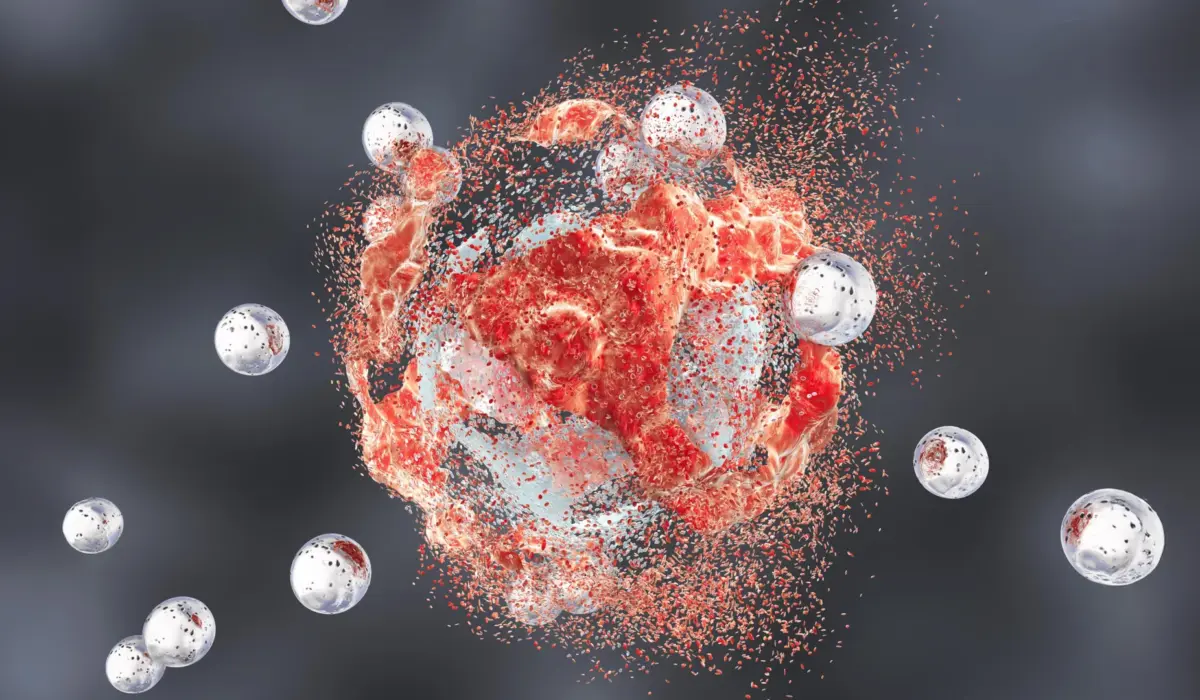
In a significant breakthrough for oncological research, a multi-disciplinary team of scientists from Weill Cornell Medicine and the Cornell Duffield College of Engineering has successfully engineered tiny silica nanoparticles capable of simultaneously obliterating prostate tumors and activating the body’s intrinsic immune defenses. Published in the June 15 issue of Cancer Research—a peer-reviewed journal of the American Association for Cancer Research—this preclinical study demonstrates how targeted nanotechnology can fundamentally alter the treatment paradigm for aggressive prostate malignancies.
Utilizing murine models characterized by aggressive, treatment-resistant prostate cancer, the researchers observed that these specially designed silica nanoparticles not only directly induced cancer cell death but also converted traditionally immune-resistant, “cold” tumors into immune-active, “hot” environments. Most remarkably, when these nanoparticles were combined with standard immunotherapies and targeted macrophage blockers, they achieved complete tumor remissions and extended, indefinite survival in a substantial portion of the subjects.
This discovery bridges the fields of materials science, radiology, and immunology, offering a glimpse into a new generation of cancer therapeutics. With previous iterations of these particles already advancing through late-stage clinical trials for image-guided surgery, the research team is actively laying the groundwork to transition this dual-action therapeutic approach into human clinical evaluations.
Detailed Chronology of the Breakthrough
From Diagnostic Tools to Therapeutic Agents
The foundation of this breakthrough dates back to years of rigorous collaboration between the laboratory of Dr. Michelle Bradbury—a neuroradiologist at NewYork-Presbyterian/Weill Cornell Medical Center and director of the Molecular Imaging Innovations Institute at Weill Cornell Medicine—and the laboratory of co-corresponding author Dr. Ulrich Wiesner, a professor in the Department of Materials Science and Engineering at Cornell University.
Originally, these engineered structures—known as ultrasmall fluorescent core-shell silica nanoparticles, or Cornell Prime dots (C’ dots)—were conceptualized to enhance medical imaging. Constructed from amorphous silica (a naturally occurring form of silicon dioxide found abundantly in foods, leafy greens, cereal grains, and the fossilized remains of microscopic organisms), these particles were optimized to illuminate tumors during surgical procedures. Their journey through translational science has been methodical:
- Initial Development: C’ dots were designed to carry imaging payloads, safely navigating the human bloodstream while providing high-resolution fluorescent mapping for surgeons.
- Clinical Progression: Due to their biocompatibility and favorable clearance profiles, these particles successfully advanced into late-stage clinical trials for image-guided surgery and alternative diagnostic applications.
- The Mechanistic Pivot: Researchers subsequently noticed an unexpected phenomenon. Beyond merely highlighting malignancies, the particles themselves demonstrated a selective capacity to damage and dismantle cancer cells while leaving surrounding healthy tissues completely unharmed.
Unlocking the Mechanism: Ferroptosis and Iron Transport
To understand how naturally derived silicon dioxide could execute such targeted destruction, the research team—led by co-first authors Dr. Nabil Siddiqui, Dr. Li Zhang, and Dr. Gabriel DeLeon, alongside graduate students Nada Naguib and Rachel Lee—dove deep into the cellular mechanics of the treated tumors.
They uncovered a primary mode of cell destruction known as ferroptosis. Unlike apoptosis (programmed cell death) or necrosis (uncontrolled cell death), ferroptosis is a specialized, iron-dependent form of cell death driven by overwhelming intracellular oxidation.
- Oxidative Stress: During ferroptosis, unmitigated oxidation wreaks havoc on critical cellular molecules, specifically targeting the vulnerable fatty lipids that compose cell membranes.
- Membrane Breakdown: As these lipids oxidize, structural integrity fails, causing the cancer cells to rupture and dissolve from within.
- The Iron Delivery System: While the exact pathways are still being mapped, evidence strongly indicates that C’ dots act as molecular shuttles. They collect positively charged iron ions circulating in the bloodstream and transport them directly into the interior of the tumor cells. Once localized within the cancer cells, these accumulated iron ions act as a catalytic fuel, supercharging the oxidation processes required to trigger ferroptosis.
Rebuilding the Tumor Microenvironment
Beyond direct cytotoxicity, the research team observed a profound systemic alteration within the tissue surrounding the tumors. Advanced prostate cancers are notoriously adept at evading immune detection, often presenting as "cold" tumors characterized by an immunosuppressive microenvironment that blunts the efficacy of modern checkpoint inhibitors.
The C’ dots fundamentally reversed this condition:
- Immune Cell Reprogramming: T cells, macrophages, and various other tumor-infiltration-associated immune cells transitioned from inactive, immunosuppressive states into aggressive, tumor-fighting phenotypes.
- Metabolic Disruption: The nanoparticles systematically disrupted cellular metabolic pathways across multiple cell types within the tumor microenvironment, compounding the stress on the cancer and severely hindering its ability to proliferate.
- Precision Targeting: To guarantee that the particles localized precisely where needed, the researchers functionalized the outer shell of the nanoparticles with a targeting molecule specifically engineered to bind with prostate-specific membrane antigen (PSMA)—a protein heavily overexpressed on the surface of prostate tumor cells. Biodistribution analyses confirmed that while minor, temporary accumulations occurred in secondary filtration organs like the spleen, there was a total absence of systemic toxicity in healthy tissues.
Supporting Context & Metrics
The quantitative outcomes of the preclinical trials underscore the potency of this multimodal strategy. The research evaluated progressive treatment regimens on cohorts of mice harboring aggressive, treatment-refractory prostate cancer:
- Monotherapy Baseline: When administered independently, either the C’ dots or conventional immune checkpoint blockade therapies provided only modest improvements in overall survival compared to untreated control groups.
- Dual-Therapy Remissions: Integrating the silica nanoparticles with an immune checkpoint blockade therapy yielded a dramatic transformation. This combination produced complete or near-complete tumor remissions and achieved indefinite survival in 40% (four out of ten) of the mice.
- Triple-Therapy Enhancement: Pushing the therapeutic envelope further, the team introduced a third intervention: a CSF-1R blockade designed to target tumor-associated macrophages. This tripartite approach elevated the complete remission rate to 50% (five out of ten mice).
- Safety Profiles: Despite the intense localized metabolic and oxidative stress induced within the tumors, exhaustive pathological evaluations revealed no off-target organ toxicity, confirming the high therapeutic index of the PSMA-targeted C’ dot architecture.
Official Statements from Leading Researchers
The unprecedented nature of these findings prompted enthusiastic commentary from the study’s primary investigators, highlighting both the scientific curiosity surrounding the material and the clinical imperative of the results.
"We’re very encouraged by these results; a treatment that directly induces tumor-cell death while transforming the immune microenvironment, as this does, would represent a new clinical paradigm."
— Dr. Michelle Bradbury, Senior Author, Endowed Professor of Imaging Research in Radiology, and Director of the Molecular Imaging Innovations Institute at Weill Cornell Medicine.
Dr. Wiesner expressed equal astonishment at the multifaceted behavior of the silica structures, noting their unique position at the intersection of nature and advanced biomedicine:
"It seems unreal—how is it possible that rather than a single pathway we see all these effects happening simultaneously and only in tumors and not in healthy tissues? I have to wonder whether ultrasmall silica’s very early and ubiquitous presence in the environment and foods like leafy greens or cereal grains has given it a connection to biology that we’re only beginning to glimpse."
— Dr. Ulrich Wiesner, Co-Corresponding Author and Spencer T. Olin Professor in the Department of Materials Science and Engineering at Cornell University.
Addressing the historical challenges of treating prostate cancer via immunotherapy, Dr. Jedd Wolchok emphasized the translational significance of immune remodeling:
"One of the most intriguing aspects of this work is the convergence of direct tumor cell killing with broad immune remodeling. By creating conditions that support a more effective antitumor immune response, these particles may help unlock the full potential of immunotherapy in prostate cancer, where durable responses have historically been difficult to achieve."
— Dr. Jedd Wolchok, Co-Author, Meyer Director of the Sandra and Edward Meyer Cancer Center, and Director of the Parker Institute for Cancer Immunotherapy at Weill Cornell Medicine.
Future Outlook and Clinical Translation
With the preclinical phase establishing both the safety and remarkable efficacy of PSMA-targeted silica nanoparticles in aggressive murine models, the Weill Cornell Medicine and Cornell University research collective is setting its sights firmly on human clinical trials.
The overarching goal of the ongoing research program is to fully characterize this new class of therapeutics, which uniquely commands the ability to influence inflammatory, metabolic, and immunological signaling pathways concurrently. By proving that naturally abundant materials can be engineered at the nanoscale to outsmart treatment-resistant malignancies, the team hopes to transition these innovations from the bench to the bedside.
Future phases of the research will focus on scaling nanoparticle manufacturing under strict Good Manufacturing Practice (GMP) guidelines, completing required toxicological profiles for regulatory filings, and designing early-phase human clinical trials targeting patients with advanced, metastatic, or treatment-refractory prostate cancer. If successful in human trials, these tiny silica dots could redefine the boundaries of oncological nanotechnology, turning once-recalcitrant tumors into manageable—and curable—conditions.