










Executive Overview
The global clinical trials landscape is undergoing a structural realignment, with the People’s Republic of China firmly anchoring itself at the epicenter of this transformation. Once regarded primarily as a regional hub for low-cost recruitment, China has aggressively pivoted into a powerhouse of cutting-edge biopharmaceutical innovation, advanced operational execution, and regulatory modernization.
To unpack this paradigm shift, industry leaders, regulatory experts, clinical operations pioneers, and supply chain visionaries will converge in Suzhou, China, on September 8 and 9, 2026, for the second annual Outsourcing in Clinical Trials (OCT) China and Clinical Trial Supply (CTS) China conferences. Hosted by Arena International Events Group, a division of GlobalData, the two-day dual-stream event arrives at a critical juncture. Having officially surpassed the United States over the past decade in annual clinical trial volume—encompassing both ongoing and planned studies—China is no longer merely a "fast follower" in drug development. Instead, it is rapidly transitioning into a foundational global innovator.
This comprehensive overview examines the driving forces behind China’s clinical trial ascendancy, the key themes slated for discussion at the 2026 Suzhou conference, the operational efficiencies and regulatory hurdles defining the market, and the strategic roadmap required to cement the nation’s leadership on the international stage.
Detailed Chronology and Event Structure: Navigating OCT and CTS China 2026
The 2026 edition of OCT and CTS China builds directly upon the foundational momentum established during the inaugural 2025 event. Designed to address the multifaceted challenges of clinical outsourcing, site operations, decentralized frameworks, and supply chain resilience, the 2026 agenda is structured to provide actionable insights for domestic players and multinational corporations alike.
Day One: Macro Trends, Digital Transformation, and Supply Chain Foundations
The conference opens on September 8 with a high-impact keynote address delivered by Sarah Nightingale, APAC Principal Consultant at GlobalData. Titled "From Fast Follower to Global Innovator," Nightingale’s opening session will address the inflection point currently facing China’s life sciences sector. The discussion will contextualize how unprecedented structural growth, coupled with sweeping regulatory reforms, has propelled the nation from a peripheral manufacturing and trial-hosting zone to a nucleus of global research and development (R&D).
Following the keynote, Day One splits into specialized operational tracks covering both clinical trial execution (OCT) and clinical trial supply (CTS):
- Decentralized Clinical Trials (DCTs) & AI Integration: Morning sessions will evaluate the rapid adoption of decentralized trial methodologies within China’s densely populated urban centers, alongside the integration of artificial intelligence (AI) in patient matching, site selection, and protocol optimization.
- Regulatory Compliance & Privacy: Legal and operational panels will dissect evolving data privacy laws, cross-border data transfer protocols, and the continuous alignment of domestic operations with international Good Clinical Practice (GCP) guidelines.
- CTS Stream – Patient Enrolment and Logistics: Concurrently, the Clinical Trial Supply stream on Day One will tackle the perennial bottlenecks of patient recruitment and domestic logistics across China’s vast geographical expanse. Expert panels will explore cutting-edge labelling strategies and specialized supply chain architectures designed for complex Cell and Gene Therapies (CGTs).
Day Two: Bridging Global Standards, Biotech Operations, and the Future Roadmap
Day Two, scheduled for September 9, pivots toward strategic scalability, international harmonization, and future-proofing supply chains:
- OCT Stream – Global Standards and Overseas Applications: Sessions will focus on bridging the gap between Chinese regulatory standards (such as the National Medical Products Administration—NMPA) and Western requirements (FDA and EMA). Furthermore, critical operational frameworks will be shared on how struggling or emerging biotech companies can navigate tight fiscal constraints, alongside tactical guides for executing overseas trial applications.
- CTS Stream – Comparator Sourcing and Multi-Modality Supply: The supply chain stream will address navigating difficult comparator sourcing challenges, maintaining rigorous quality standards under tight delivery windows, and designing flexible, modular supply chains capable of supporting multi-modality trials (ranging from small molecules to intricate biologics).
- The Grand Finale Panel Discussion: The conference will culminate in a high-profile plenary panel addressing China’s definitive roadmap for the future. This closing session features keynote speaker Sarah Nightingale alongside industry luminaries Johnny Ju, Head of Clinical Operations at Insilico Medicine, and Rong Chen, Chief Medical Officer of Doma Bio. The panel will synthesize insights from the two-day event, offering definitive projections on how Chinese innovation will shape global medicine through the remainder of the decade and beyond.
Supporting Context and Metrics: The Numbers Behind the Powerhouse
To fully appreciate the urgency and relevance of the discussions at OCT and CTS China 2026, one must examine the empirical data driving the sector. Recent analytical reports from Deallus and GlobalData underscore why multinational pharmaceutical companies are heavily investing in Chinese clinical infrastructure.
Unmatched Speed and Cost Efficiency
One of the most compelling arguments for conducting clinical research in China lies in the dramatic reduction of timelines and capital expenditures, particularly during the early phases of drug development.
- Phase I Trial Timelines: According to comprehensive GlobalData metrics, Phase I clinical trials in China take an average of just seven months from initiation to completion. In stark contrast, comparable Phase I trials executed in the United States average 17 months—a staggering time-to-market advantage of ten months in favor of Chinese operations.
- Cost Optimization: Alongside velocity, trial sponsors benefit from significantly lower operational and overhead costs. While labor costs and infrastructure investments are rising within China’s Tier-1 biotech hubs (such as Shanghai, Suzhou, and Beijing), the overall cost per patient enrolled and treated remains highly competitive compared to North American and Western European benchmarks.
Volume Supremacy: Surpassing the United States
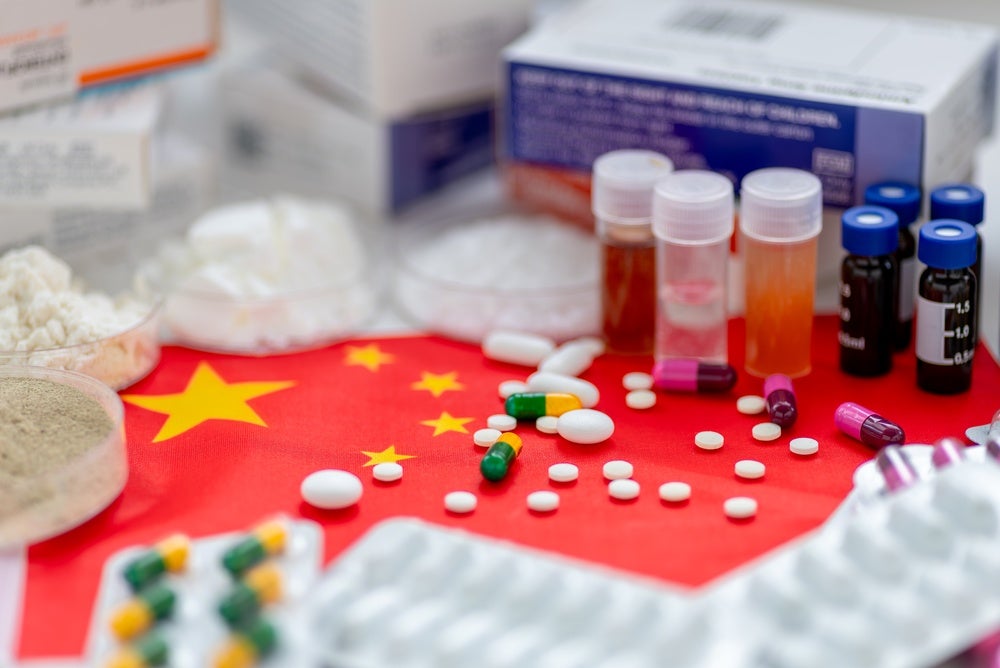
Over the past decade, China has systematically dismantled historical barriers to clinical research, resulting in a seismic shift in global trial distribution. Historical analyses confirm that China now leads the world in total clinical trial activity, officially surpassing the United States in the absolute volume of annual trials—including both ongoing and actively planned studies.
This volume is supported by several structural advantages:
- Vast Patient Pools: High concentrations of patients suffering from both common and rare diseases within specialized, high-capacity tertiary hospitals facilitate rapid recruitment cycles.
- State-Backed Infrastructure: National support for biotechnology as a strategic pillar of economic development has streamlined the establishment of specialized Clinical Research Centers (CRCs) and accelerated institutional review board (IRB) approvals.
- Rise of Domestic Innovators: The domestic biotech ecosystem has transitioned from generic manufacturing to developing First-in-Class (FiC) and Best-in-Class (BiC) molecules, particularly in oncology, immunology, and gene editing.
Official Perspectives and Expert Insights
The 2026 conference brings together voices at the bleeding edge of biopharmaceutical development. The perspectives of the featured speakers highlight the dual nature of China’s current clinical environment: an arena of unprecedented opportunity coupled with complex regulatory and logistical nuances.
The Inflexion Point: Sarah Nightingale on Global Integration
Sarah Nightingale, APAC Principal Consultant at GlobalData, emphasizes that China is navigating a critical historical juncture. In her upcoming keynote, Nightingale will argue that the country has moved past the phase of simply adopting Western protocols. Instead, Chinese investigators and sponsors are establishing new benchmarks for operational speed and technological integration.
"China’s evolution from a fast follower into a global innovator is no longer a theoretical projection; it is a measurable, empirical reality," notes industry analysis. "The challenge for sponsors now is not whether to include China in global development plans, but how to seamlessly integrate Chinese clinical data into global regulatory submissions without encountering friction."
Navigating Operational Complexities: Insilico Medicine and Doma Bio
The inclusion of leaders such as Johnny Ju of Insilico Medicine—a pioneer in AI-driven drug discovery—and Rong Chen, CMO of Doma Bio, highlights the deep technological sophistication embedded in the 2026 agenda.
- AI and Clinical Operations: Insilico Medicine’s presence underscores the marriage of artificial intelligence with clinical trial execution. AI models are increasingly utilized in China to predict patient dropout rates, optimize trial site selection across thousands of domestic hospitals, and accelerate biomarker discovery.
- Clinical Development Strategy: From a medical officer’s perspective, Doma Bio’s Rong Chen brings critical insights into translating preclinical breakthroughs into successful, scalable clinical strategies that satisfy both local NMPA mandates and stringent international standards.
Future Outlook: The Road Ahead for Chinese Clinical Trials
As the life sciences community prepares to gather in Suzhou for OCT and CTS China 2026, the long-term outlook for the region is exceptionally robust, though not without ongoing challenges.
Overcoming Structural and Regulatory Hurdles
To maintain its momentum as a global clinical trial leader, the Chinese ecosystem must successfully navigate several evolving dynamics:
- Regulatory Harmonization: While the NMPA has made monumental strides in accelerating review times and joining international coalitions, continued alignment with FDA and EMA expectations regarding data integrity, pharmacovigilance, and inspection readiness remains paramount for drugs destined for global markets.
- Geopolitical and Supply Chain Resilience: As international trade dynamics shift, ensuring uninterrupted access to specialized trial materials, comparator drugs, and advanced laboratory reagents will require agile, localized, and redundant supply chain networks.
- Quality Over Quantity: As the sheer volume of trials continues to expand, maintaining uncompromised standards of Good Clinical Practice (GCP) across an expanding network of trial sites will be essential to safeguarding patient safety and data credibility.
Conclusion
The 2nd Annual Outsourcing in Clinical Trials China and Clinical Trial Supply China conferences represent far more than regional networking events; they serve as a barometer for the future of global medicine. By leveraging unmatched operational speed, massive patient accessibility, pioneering AI integration, and world-class supply chain strategies, China is defining the next era of biopharmaceutical research.
Industry professionals, clinical operations executives, and supply chain directors looking to stay ahead of the curve will find Suzhou in September 2026 to be the definitive crucible where the future of global clinical trials is forged.
For detailed agendas, registration information, and sponsorship opportunities for the upcoming 2026 conferences in Suzhou, stakeholders are encouraged to visit the official Arena International Events Group portal.