







By Investigative Health Desk
Executive Overview
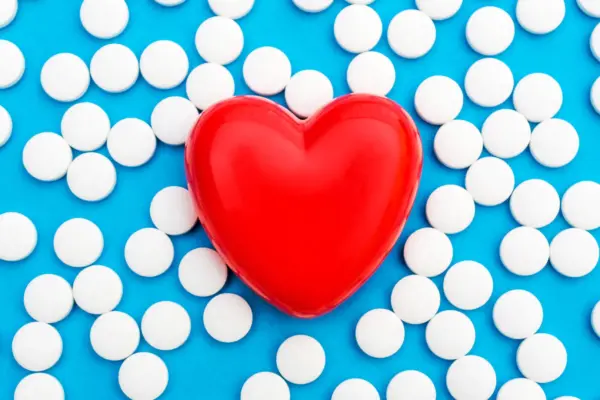
For millions of individuals worldwide diagnosed with cardiovascular disease, hypercholesterolemia, or elevated lifetime risk factors for stroke and myocardial infarction, statins represent a cornerstone of modern pharmacotherapy. These medications—designed to inhibit 3-hydroxy-3-methylglutaryl-coenzyme A (HMG-CoA) reductase, the rate-limiting enzyme of the mevalonate pathway—have fundamentally altered the trajectory of cardiovascular medicine. They lower low-density lipoprotein (LDL) cholesterol with remarkable efficacy, preventing millions of premature deaths and catastrophic vascular events since their introduction to clinical practice.
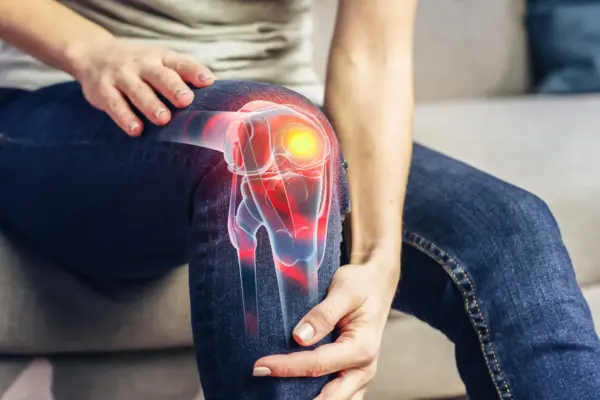
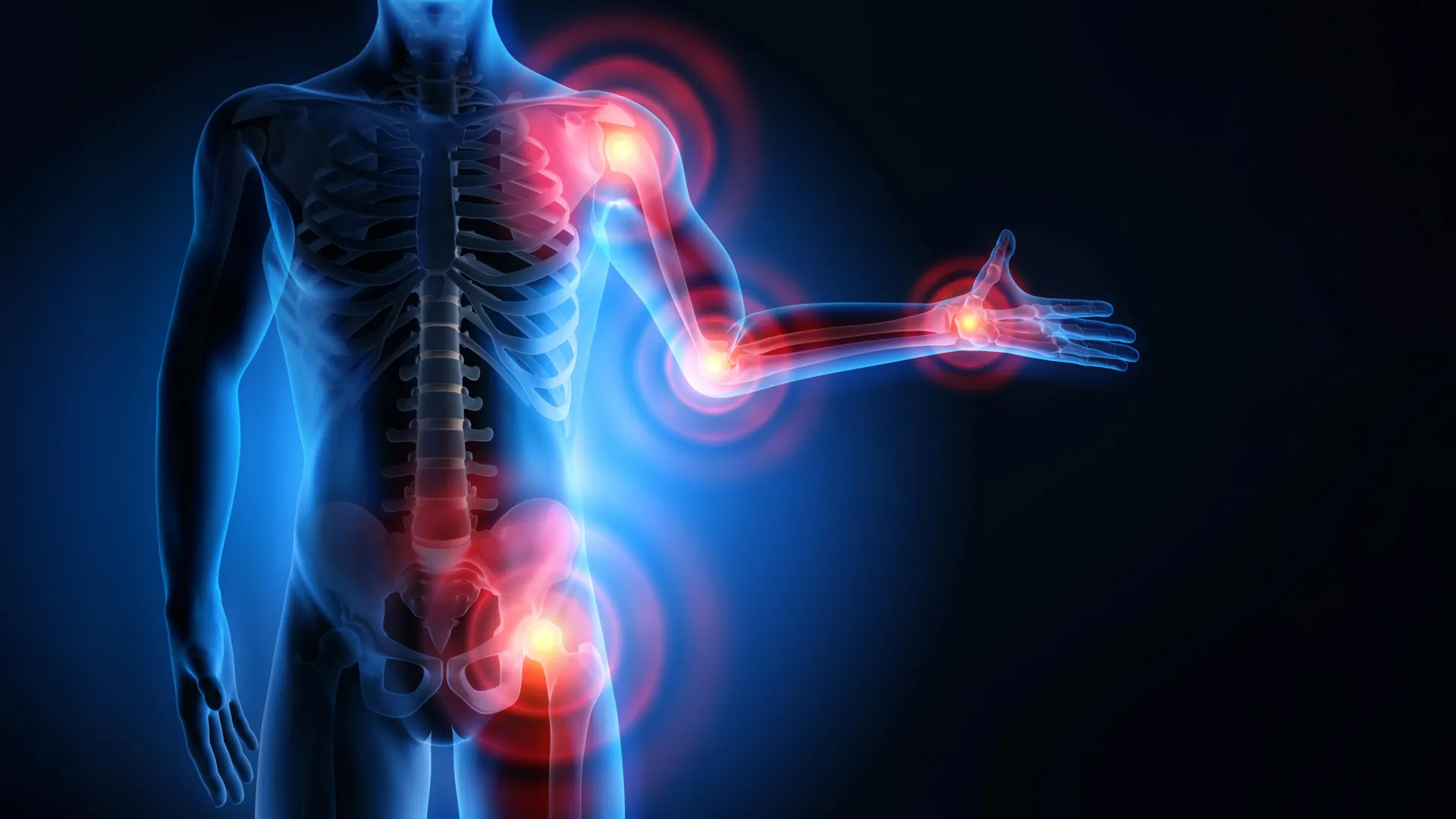
Yet, a persistent and pervasive clinical challenge threatens the long-term success of this life-saving intervention: statin intolerance. Between 7% and 29% of patients prescribed statins report adverse muscular symptoms, ranging from mild, nagging myalgia and generalized weakness to severe exercise intolerance and cramping. For many patients, these side effects are not merely inconvenient; they are debilitating enough to prompt unauthorized dose reductions or complete cessation of therapy. When patients abandon their statin regimens, their cardiovascular risk surges, leaving clinicians searching for balanced therapeutic strategies that do not force a choice between muscular comfort and vascular health.
Now, a major breakthrough originating from McMaster University promises to change this narrative. Published in the prestigious journal Science Advances, a new study led by an international team of researchers has mapped a previously unrecognized biological pathway linking muscle cell metabolism directly to the immune system. This newly identified mechanism explains why statins trigger muscle damage in vulnerable individuals and, crucially, reveals that the pathways driving these muscular side effects are distinct from the mechanisms responsible for lowering cholesterol.
This discovery shatters long-held assumptions regarding statin-induced myopathy and opens the door to targeted adjunctive therapies. If translational and clinical trials build successfully upon these preclinical models, future patients may soon take statins with absolute confidence, enjoying full cardiovascular protection without the shadow of debilitating muscle pain.
Detailed Chronology and Scientific Discovery
For decades, the medical community recognized that statins could precipitate muscle-related complaints, but the exact pathophysiological cascade remained elusive. Hypotheses abounded: researchers pointed to depleted levels of coenzyme Q10 (CoQ10), alterations in protein prenylation, or direct mitochondrial dysfunction as potential culprits. While these theories offered partial explanations, none fully accounted for the precise chain of events occurring within muscle tissue at the cellular and molecular levels.
The recent breakthrough began in the laboratories of McMaster University, spearheaded by first authors Nazli Robin and Nicole Barra from the Schertzer Lab, under the senior leadership of Dr. Jonathan Schertzer, a professor in McMaster’s Department of Biochemistry and Biomedical Sciences. The research team set out to dissect the precise cellular disruptions that occur when muscle tissues are exposed to statin therapy.
Interrogating Muscle Cell Energy
Through a series of meticulously designed experiments utilizing both in vitro muscle cell cultures and in vivo mouse models, the research team focused on how statins alter cellular energy production. They observed that statins significantly disrupt the metabolic machinery that muscle cells rely on to generate ATP (adenosine triphosphate) and maintain homeostasis.
However, the team’s investigation did not stop at metabolic failure. What emerged next surprised even the investigators: this metabolic disruption inside the muscle cells acted as a biological trigger, setting off an unexpected local immune response. The stressed muscle cells essentially signaled distress, activating inflammatory and immune pathways within the muscle tissue itself. This localized immune activation was subsequently shown to drive the actual tissue damage underlying statin-induced myopathy.
Disrupting the Damage Cascade
Having identified the immune-metabolic link, the McMaster team tested whether interrupting this newly discovered pathway could halt the damage. In their experimental models, researchers systematically blocked the activated immune response within the muscle tissue. The results were striking: blocking this pathway prevented a substantial portion of the statin-induced cellular damage.
This finding fundamentally shifts the prevailing paradigm of statin intolerance. Previously, clinicians feared that any intervention designed to mitigate muscle side effects might inadvertently compromise the drug’s primary pharmacological objective—lowering hepatic cholesterol synthesis. However, the McMaster study revealed a vital distinction.
"One of the most exciting findings of the research is that the mechanism causing muscle side-effects appears to be separate from the mechanism that lowers cholesterol," Dr. Schertzer explained. Because the lipid-lowering efficacy of statins operates primarily through hepatic pathways, while the muscular side effects stem from this localized immune-metabolic clash within skeletal muscle tissue, the two processes are biologically distinct. This bifurcation provides a clear roadmap for drug developers: it should theoretically be possible to design adjunctive treatments that neutralize the immune-metabolic cascade in muscle tissue without blunting the systemic cardiovascular benefits of statin therapy.
Supporting Context and Metrics: The Scale of Statin Intolerance
To appreciate the gravity of the McMaster discovery, one must examine the epidemiological footprint of statin therapy and the real-world consequences of statin intolerance.
The Cardiovascular Burden
Cardiovascular disease (CVD) remains the leading cause of mortality globally, accounting for tens of millions of deaths annually. Statins—including atorvastatin, rosuvastatin, simvastatin, and pravastatin—are among the most widely prescribed pharmaceuticals in human history. Clinical trials consistently demonstrate that every 1 mmol/L reduction in LDL cholesterol achieved via statin therapy yields a roughly 20% to 25% relative reduction in major vascular events, including non-fatal myocardial infarction, ischemic stroke, and coronary revascularization.
Given these staggering statistics, maintaining patient adherence is a paramount public health priority. However, the gap between clinical trial efficacy and real-world effectiveness is often widened by adverse drug reactions.
Quantifying the Problem
- Prevalence of Symptoms: Epidemiological and clinical studies indicate that between 7% and 29% of patients taking statins experience muscle-related symptoms (often categorized under the umbrella of statin-associated muscle symptoms, or SAMS).
- Impact on Adherence: SAMS is cited as the primary reason for non-adherence, dose tapering, or total discontinuation of statin therapy. Patients who stop taking statins experience an immediate resurgence in their baseline cardiovascular risk profile.
- The Clinical Dilemma: When patients report myalgia, clinicians are frequently forced to navigate a difficult therapeutic landscape. Strategies have historically included switching to a different statin, reducing the dose, prescribing alternate-day dosing regimens, or introducing non-statin lipid-lowering agents such as ezetimibe or PCSK9 inhibitors. However, many alternative regimens are either less effective at lowering cardiovascular events, significantly more expensive, or both.
By zeroing in on the precise molecular cross-talk between muscle metabolism and the immune system, the McMaster study addresses the root cause of SAMS rather than merely managing symptoms after they force a patient to quit their medication.
Official Statements and Global Collaboration
The significance of the McMaster findings has resonated throughout the international scientific and medical communities, underscoring the collaborative nature of modern biomedical research.
Perspectives from the Research Leadership
Dr. Jonathan Schertzer emphasized both the profound utility of statins and the urgent need to make them more tolerable for everyday clinical practice.
"Statins are among the most effective medications we have for reducing cardiovascular disease risk and preventing early death," noted Dr. Schertzer, senior author of the study and professor in the Department of Biochemistry and Biomedical Sciences at McMaster University. "Unfortunately, muscle side-effects lead some people to reduce their dose or stop taking the medication altogether. We wanted to understand why this happens and whether it might be possible to separate the side-effects from the benefits."
Addressing the dual nature of the biological findings, Dr. Schertzer added:
"These findings give us a clearer understanding of why some patients experience muscle symptoms and provide promising directions for making these important medications safer and more effective in the future."
First authors Nazli Robin and Nicole Barra of the Schertzer Lab coordinated the intricate experimental procedures that mapped out how statins interfere with cellular energy production, subsequently setting off the localized immune flare-up within muscle fibers. Their work bridges two traditionally siloed fields of biomedical inquiry: cellular metabolism and immunology.
An International Coalition of Scientific Excellence
Unraveling a biological puzzle as complex as statin-induced myopathy required a multidisciplinary, cross-continental approach. The research project was conducted through a robust international research collaboration involving institutions renowned for metabolic, immunological, and pediatric muscle research:
- Centre International de Recherche en Infectiologie (CIRI) in Lyon, France, bringing advanced immunological insight to the project.
- Centre for Muscle Research at the University of Melbourne, Australia, contributing deep expertise in skeletal muscle physiology and pathology.
- Murdoch Children’s Research Institute and The Royal Children’s Hospital in Australia, offering clinical and translational perspectives on muscle disorders.
- York University, Canada, providing collaborative support in metabolic tracking and exercise physiology.
- Mc McMaster’s Department of Pathology and Molecular Medicine, enriching the foundational biochemistry with clinical pathology frameworks.
Financial support for the investigation was provided by the Natural Sciences and Engineering Research Council of Canada (NSERC), enabling the research team to conduct the extensive multi-model assays required to confirm their hypotheses.
Future Outlook: Translating Discovery into Therapeutics
While the publication of these findings in Science Advances marks a monumental scientific milestone, the medical community acknowledges that considerable work remains before these insights translate into commercially available therapeutics for patients.
From Preclinical Models to Human Trials
The experiments conducted at McMaster University successfully utilized in vitro muscle cell cultures and murine (mouse) models to demonstrate that blocking the newly identified immune pathway could prevent statin-induced muscle damage. However, transitioning from animal models to human clinical trials requires rigorous safety and efficacy testing.
- Biomarker Identification: Researchers must now identify reliable human biomarkers that reflect this specific immune-metabolic pathway in patients experiencing SAMS. This will allow clinical trial designers to accurately monitor whether experimental adjunctive therapies successfully dampen the immune response in human skeletal muscle.
- Phase I Safety Trials: Pharmaceutical developers will need to design targeted compounds—or evaluate existing anti-inflammatory agents—that can safely interrupt the specific immune signaling pathway within skeletal muscle tissue without causing systemic immunosuppression or interfering with hepatic cholesterol metabolism.
- Clinical Validation: Large-scale, randomized controlled trials involving patients with documented statin intolerance will be necessary to prove that combining a statin with an inhibitor of this immune-metabolic pathway successfully eliminates muscle pain while preserving full cardiovascular risk reduction.
Transforming Cardiovascular Care
If these future trials prove successful, the implications for global healthcare will be profound. Cardiovascular disease remains a relentless killer, and statins are arguably our most powerful chemical defense against it. By removing the barrier of statin intolerance—allowing patients who currently suffer from myalgia, weakness, and exercise fatigue to remain on optimal doses of their medications—millions of people could be spared from avoidable heart attacks and strokes.
The discovery by McMaster University researchers marks the beginning of the end for the frustrating compromise between cardiovascular longevity and muscular comfort. By charting the hidden communication lines between metabolism and immunity, science has brought us one step closer to a future where life-saving cardiovascular medications are tolerated seamlessly by every patient who needs them.