







Executive Overview
In the intricate choreography of human health, sleep has long been recognized as a foundational pillar, akin to nutrition and physical activity. However, a groundbreaking new study published in the prestigious journal Nature reveals that the consequences of straying from optimal rest extend far deeper into our physiology than previously imagined.
Led by researchers at the Columbia University Vagelos College of Physicians and Surgeons, a comprehensive analysis of biological aging across the entire human body has demonstrated that both insufficient and excessive sleep are intimately linked to accelerated biological aging. This phenomenon is not localized to a single system; rather, it manifests across the brain, heart, lungs, immune system, liver, and nearly every other vital organ.
Utilizing advanced machine learning models and cutting-edge "aging clocks" derived from half a million participants in the UK Biobank, the research team uncovered a distinct U-shaped curve governing sleep duration and systemic health. The biological "sweet spot" for human longevity and cellular preservation appears to sit strictly between 6.4 and 7.8 hours of sleep per night. Falling short of this window—getting fewer than six hours—or overindulging—sleeping more than eight hours—is associated with a faster accumulation of biological wear and tear. Furthermore, these deviant sleep patterns are mapped against a broad constellation of chronic illnesses, ranging from metabolic and cardiovascular disorders to psychiatric conditions like late-life depression.
This investigation moves past generalized notions of wellness, offering a granular, organ-by-organ perspective on how lifestyle habits directly interface with our molecular destiny. By breaking down the barriers between isolated medical specialties, the study champions a unified "brain-body network" approach to medicine, suggesting that sleep management could soon become a precision therapeutic tool in preventive healthcare.
Detailed Chronology: The Evolution of Organ-Specific Aging Research
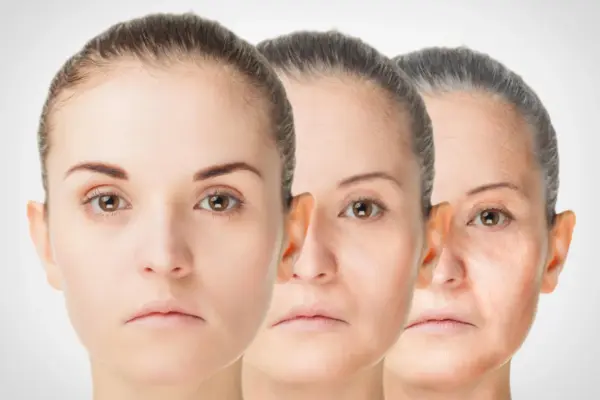
To understand the magnitude of the Columbia University study, one must trace the recent evolution of biogerontology—the scientific study of the biological aging process. For decades, researchers relied on chronological age—the number of years a person has been alive—as a proxy for physical decline. Yet, clinicians have long observed that individuals of the exact same age can possess vastly different physiological resilience. One 60-year-old may run marathons and exhibit cardiovascular markers of a robust youth, while another suffers from multi-organ decline.
The Rise of the Biological Clock
The paradigm shifted dramatically with the advent of biological aging clocks. Initially, these tools provided a singular, holistic measure for the entire body, typically derived from epigenetic markers such as DNA methylation patterns extracted from blood samples. While revolutionary, these whole-body clocks possessed a critical limitation: they treated the human body as a monolithic block.
In reality, human physiology is modular. Different organs age at vastly different rates. A familiar, naturally occurring example of this is female reproductive aging, where ovarian function declines and ceases decades before the rest of the somatic body reaches a similar state of senescence.
Recognizing this nuance, study leader Junhao Wen, assistant professor of radiology at Columbia University, alongside his colleagues, embarked on a mission to construct localized, organ-specific aging clocks. Their goal was to transcend generalized risk assessment and provide hyper-personalized insights into individual organ health.
Harnessing Big Data and Machine Learning
The methodology behind this breakthrough relied on the sheer scale of the UK Biobank, a monumental biomedical database containing deep genetic, lifestyle, and health information from approximately 500,000 UK participants.
Wen and his team harnessed machine learning algorithms to sift through this ocean of data. To construct robust aging clocks for distinct organs, the researchers integrated multiple layers of biological data—a multi-omics approach. They utilized structural measurements derived from advanced medical imaging (such as MRI scans of the brain, heart, and liver), specific proteins associated with individual organ function, and circulating molecular metabolites detected via minimally invasive blood tests.
For instance, when evaluating the liver, the research team did not rely on a single metric. Instead, they built a protein-based liver aging clock, a metabolic liver aging clock, and an imaging-based liver aging clock. This sophisticated layering allowed the team to ask a profound question: Are sleep habits distinctly and uniformly associated with aging processes across multiple molecular and structural layers of our organs?
Mapping Sleep to the Clocks
With 23 distinct aging clocks covering 17 major organ systems established, the researchers cross-referenced these biological age estimates with the self-reported sleep durations of the UK Biobank participants.
What emerged from this massive data synthesis was not a linear relationship, but a precise, unmistakable U-shaped distribution. The biological age of participants began to outpace their chronological age at both ends of the sleep spectrum. Those who reported sleeping fewer than six hours nightly, as well as those who routinely exceeded eight hours, displayed biological signatures indicative of accelerated tissue aging across the brain-body network. Conversely, individuals who maintained a sleep duration between 6.4 and 7.8 hours demonstrated the slowest rates of biological aging, establishing a scientifically validated "sweet spot" for human rest.
Supporting Context & Metrics: The Anatomy of a U-Shaped Risk Curve
The implications of the Columbia University study are underscored by the breadth of the data and the specific metrics linking sleep architecture to systemic pathology. To fully appreciate the study’s conclusions, one must examine the quantitative relationships discovered between aberrant sleep durations and organ-specific degradation.
The Multi-System U-Shaped Curve
In biostatistics, a U-shaped curve indicates that risk or pathology is elevated at both extremes of a spectrum while remaining minimized at a central nadir. In the context of this research, the nadir—the point of optimal biological preservation—corresponds to a sleep window of roughly 6.5 to 7.8 hours.
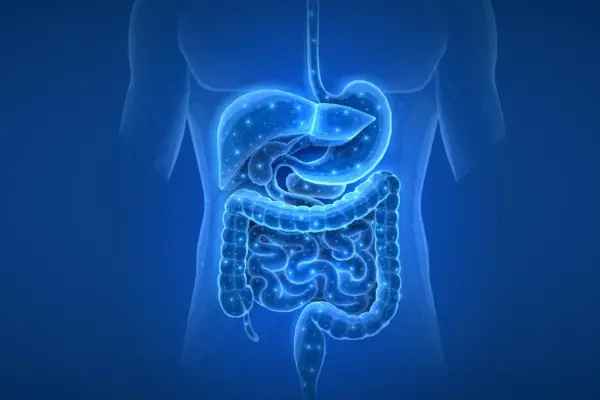
When participants fell below the 6-hour threshold (short sleep) or climbed above the 8-hour mark (long sleep), the multi-organ aging clocks ticked faster. This acceleration was not restricted to metabolic or neurological systems; it spanned the immune system, respiratory tract, cardiovascular network, and gastrointestinal tract.
Sleep Duration and Chronic Disease Metrics
To validate whether accelerated biological aging translated to real-world morbidity, the researchers mapped sleep durations against clinical diagnoses within the cohort. The correlations were both broad and profound:
- Neurological and Psychiatric Manifestations: Short sleep duration was heavily and significantly associated with clinical episodes of depression and generalized anxiety disorders. This reinforces decades of clinical observations while anchoring them in measurable cellular aging.
- Cardiometabolic Syndrome: Insufficient sleep mapped closely with markers of metabolic dysfunction, including obesity, type 2 diabetes mellitus, hypertension, ischemic heart disease, and various cardiac arrhythmias. The cardiovascular system, forced to operate under chronic sleep debt, showed structural remodeling consistent with premature aging.
- Pulmonary Decline: Both short and long sleep patterns demonstrated strong correlations with chronic obstructive pulmonary disease (COPD) and asthma. The respiratory system appeared acutely sensitive to disruptions in circadian-regulated tissue repair mechanisms.
- Gastrointestinal Disorders: Digestive health was similarly compromised at both extremes of sleep duration, with clear statistical links to chronic gastritis and gastroesophageal reflux disease (GERD).
Disentangling Causation from Correlation
A critical nuance emphasized by the research team is the nature of the association. The study does not definitively prove that altering one’s alarm clock will unilaterally reverse or cause organ aging. Rather, sleeping too little or too much frequently serves as a deeply embedded diagnostic mirror—an external manifestation of underlying, systemic physiological distress.
As Dr. Wen notes, sleep is not merely an isolated behavioral choice; it is an integrated, foundational component of human physiology. When the body’s internal homeostasis is disrupted by disease, metabolic imbalances, or neurochemical dysregulation, sleep architecture is often the first physiological system to destabilize. Thus, aberrant sleep can be both a driver of accelerated aging and a symptom of an already aging, burdened organism.
Official Statements & Expert Perspectives
The publication of this research in Nature has ignited discussions across the global medical community regarding the intersection of lifestyle medicine, machine learning, and preventive gerontology.
Dr. Junhao Wen, assistant professor of radiology at Columbia University Vagelos College of Physicians and Surgeons and lead architect of the study, offered deep insights into both the academic motivations and the personal impetus driving the research.
Reflecting on the genesis of the project, Dr. Wen shared a remarkably relatable human concern:
"I’m also a light sleeper and was getting worried about the effects on myself."
This personal vulnerability catalyzed a rigorous scientific inquiry into whether subjective lifestyle modifications could tangibly alter biological trajectories. Discussing the broader implications of the findings, Dr. Wen emphasized the interconnected nature of human biology:
"Previous studies have found that sleep is largely linked to aging and the pathological burden of the brain. Our study goes further and shows that too little and too much sleep are associated with faster aging in nearly every organ, supporting the idea that sleep is important in maintaining organ health within a coordinated brain-body network, including metabolic balance and a healthy immune system."
Dr. Wen also highlighted the unique utility of organ-specific aging clocks over traditional, holistic biological markers:
"Everyone is excited by these aging clocks and their ability to predict disease and mortality risk. But to me, the more exciting question is, can we link aging clocks to a lifestyle factor that can be modified in time to slow aging?"
Case Study: Unpacking Late-Life Depression
To demonstrate the clinical utility of organ-specific aging clocks, the Columbia research team conducted a deep-dive analysis into late-life depression—a complex psychiatric condition with notoriously multifactorial origins.
Using advanced statistical techniques known as mediation analysis, the researchers sought to determine whether biological aging acts as a biological bridge between sleep duration and late-life depression. The results revealed a fascinating bifurcation in disease etiology:
- Short Sleep Pathways: Insufficient sleep appeared to be directly and primarily connected with the overall systemic and clinical burden of late-life depression, pointing toward acute neuroinflammatory and stress-response mechanisms.
- Long Sleep Pathways: Excessive sleep, conversely, influenced late-life depression through distinct biological pathways that were visibly reflected in the specific aging clocks of the brain and adipose (fat) tissue.
This discovery carries profound implications for future clinical interventions. As Dr. Wen articulated:
"This has a strong implication for future sleep management and future therapeutics. Our study suggests there may be different biological pathways between long and short sleepers that lead to the same outcome, late-life depression, and we shouldn’t treat them the same way."
Future Outlook: The Dawn of Precision Sleep Medicine
As biogerontology transitions from theoretical longevity models to actionable clinical interventions, the Columbia University study charts a clear roadmap for the future of healthcare. The implications of mapping sleep habits against organ-specific aging clocks extend far beyond academic journals, promising to reshape how physicians diagnose, manage, and prevent age-related pathologies.
Moving Beyond a One-Size-Fits-All Approach
Historically, sleep hygiene recommendations have relied on broad, generalized guidelines—such as the standard, ubiquitous advice to "get eight hours of sleep." However, this new research demonstrates that human biology operates on a more refined spectrum, with the optimal biological nadir residing safely between 6.4 and 7.8 hours.
More importantly, the realization that short sleepers and long sleepers may arrive at identical clinical endpoints (such as late-life depression or cardiovascular decline) via entirely different biological pathways signals the death knell for one-size-fits-all medicine. Future therapeutic interventions will likely utilize multi-omics aging clocks to diagnose which specific organ systems are bearing the brunt of a patient’s sleep disturbances, allowing clinicians to tailor therapies accordingly.
Integrating Aging Clocks into Routine Clinical Practice
The methodology pioneered by Dr. Wen and his colleagues—leveraging structural imaging, circulating proteins, and metabolic profiles via machine learning—foreshadows a near future where biological age profiling becomes a routine component of preventive check-ups.
Imagine an annual physical where a patient undergoes a minimally invasive blood panel and an algorithmic scan. Instead of merely receiving a chronological age assessment, the patient receives an organ-by-organ biological health report. If the liver aging clock shows signs of acceleration while the cardiovascular clock remains stable, and the patient reports chronic short sleep, clinicians can intervene with targeted lifestyle modifications, cognitive behavioral therapy for insomnia (CBT-I), or chronotherapy long before clinical disease manifests.
The Horizon of Longevity Science
Ultimately, this research reframes sleep not as a passive state of rest, but as an active, restorative metabolic cleaning cycle essential for cellular maintenance across the entire brain-body network. By establishing that lifestyle modifications—specifically optimizing sleep duration—can potentially slow the relentless march of biological aging across individual organ systems, science moves one step closer to not merely extending human lifespan, but profoundly enhancing human healthspan.
As we look toward the horizon of precision medicine, the message from the laboratories at Columbia University is clear: honoring the physiological sweet spot of sleep is one of the most powerful, accessible tools we possess to protect the architectural integrity of our bodies from the inside out.